Property Types We Roof
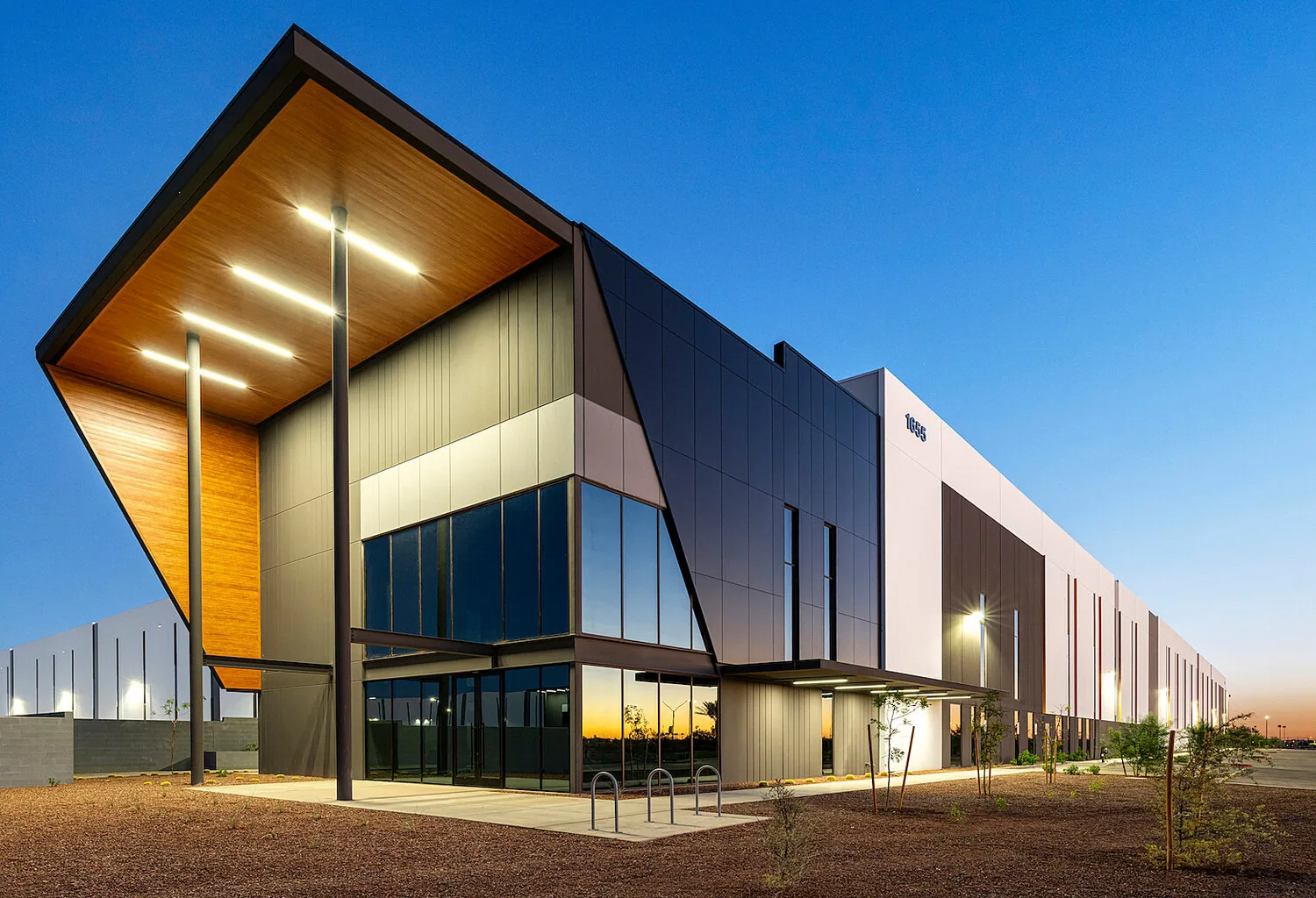
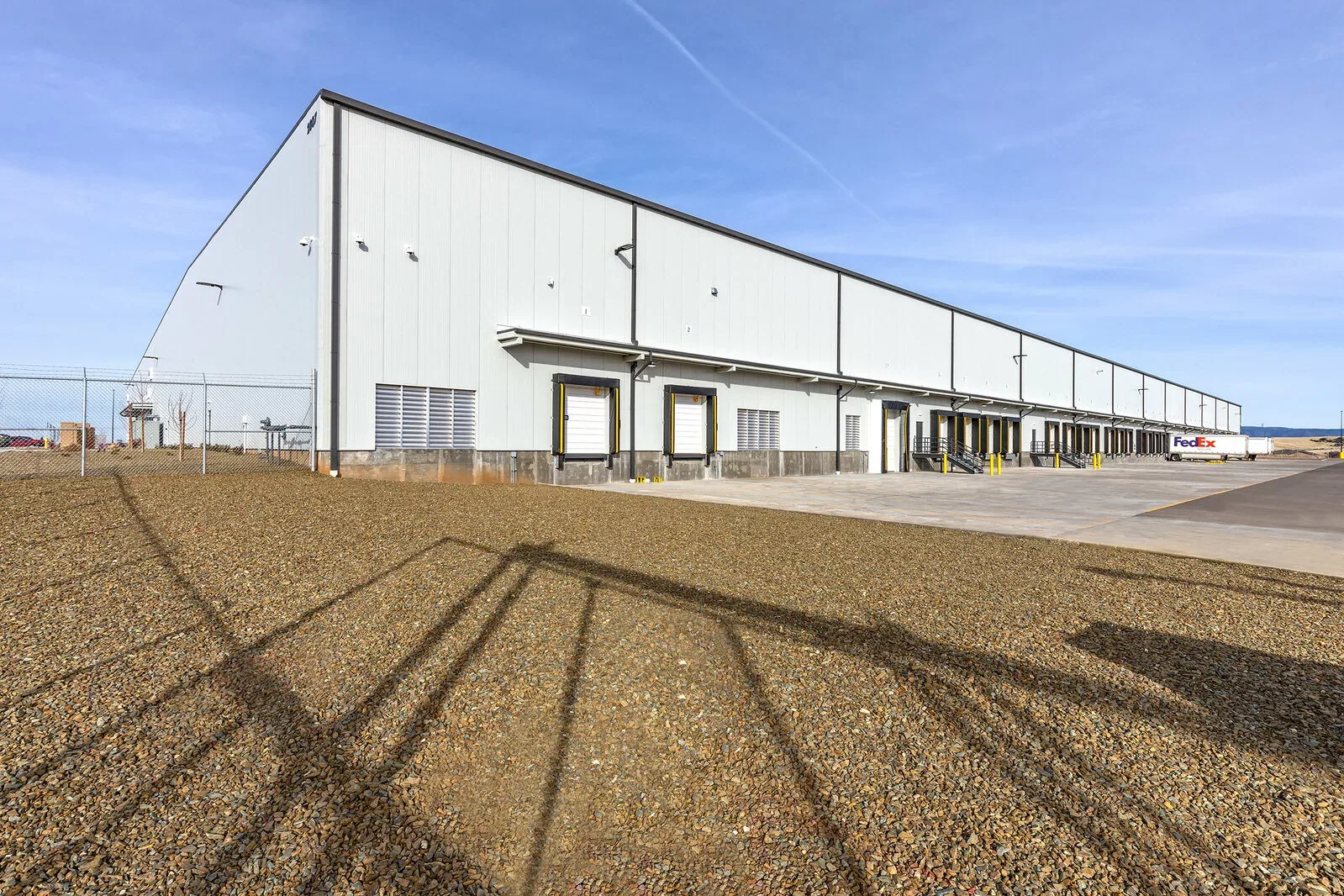
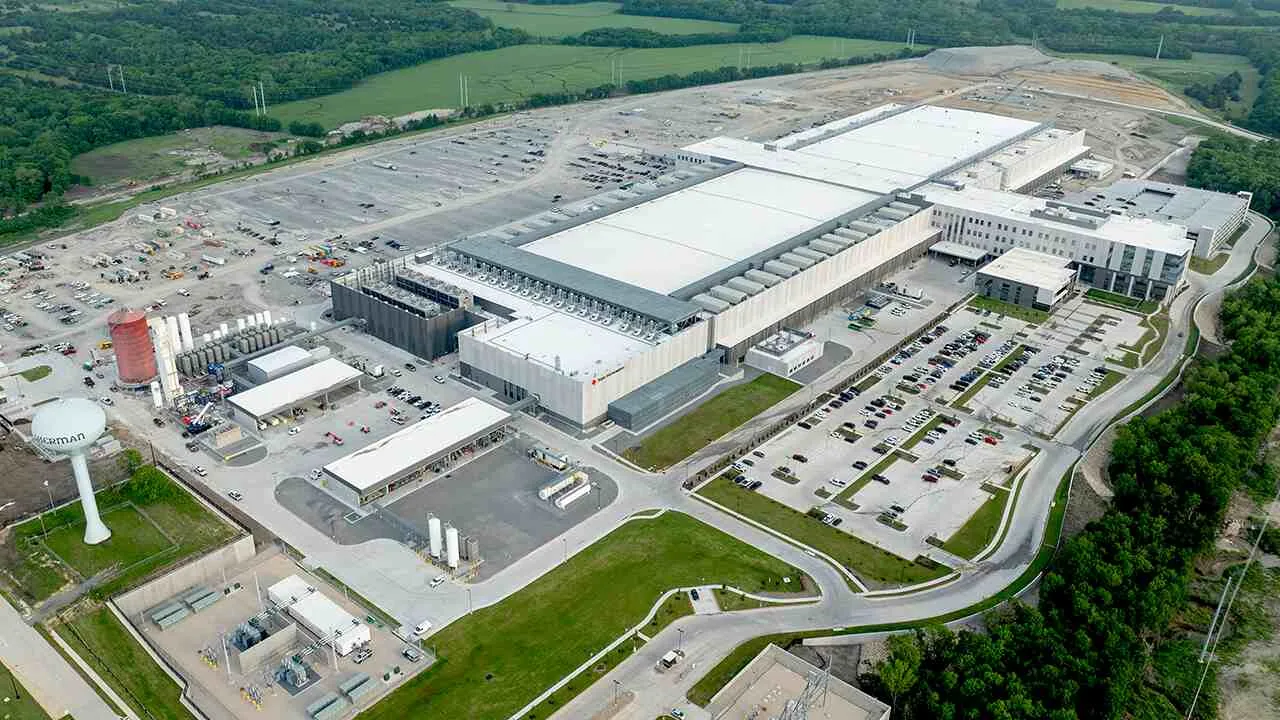
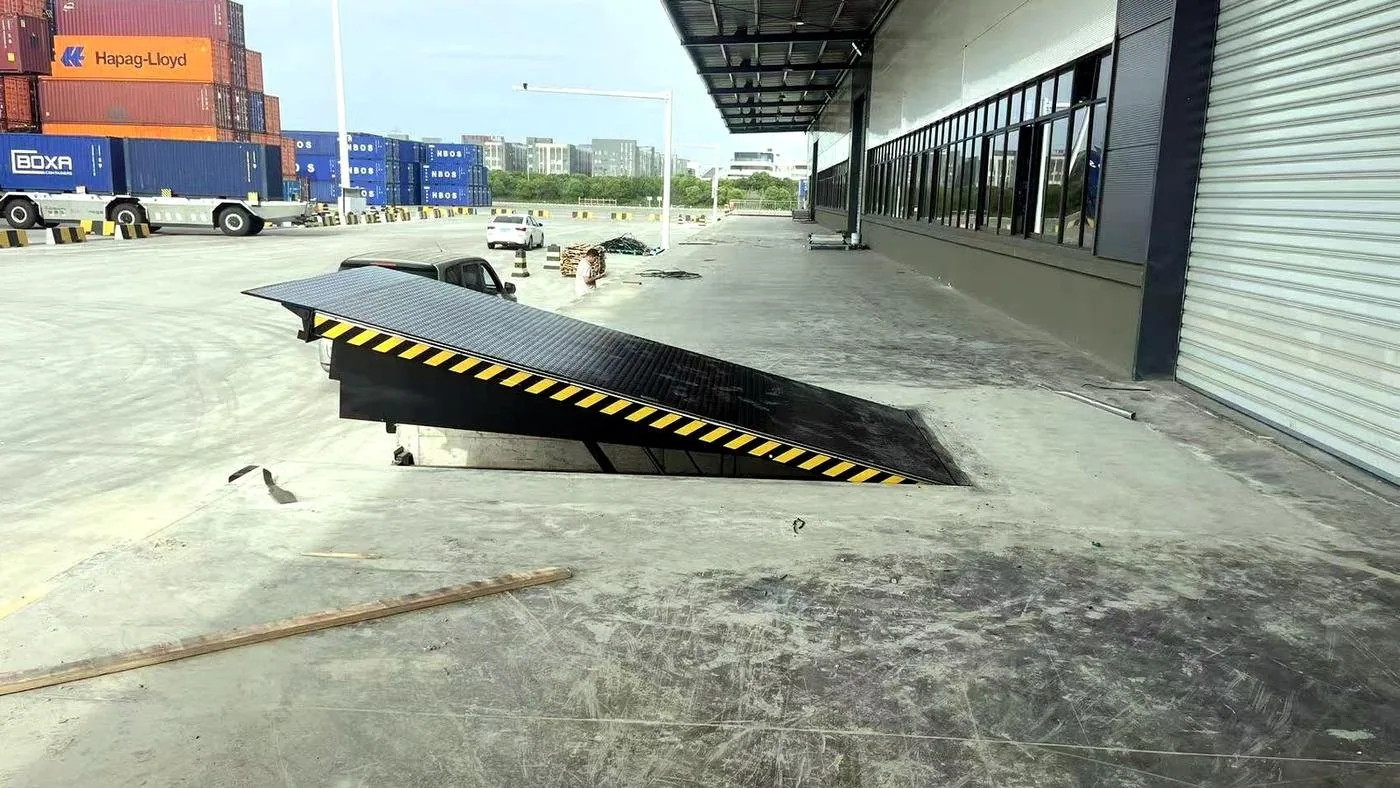
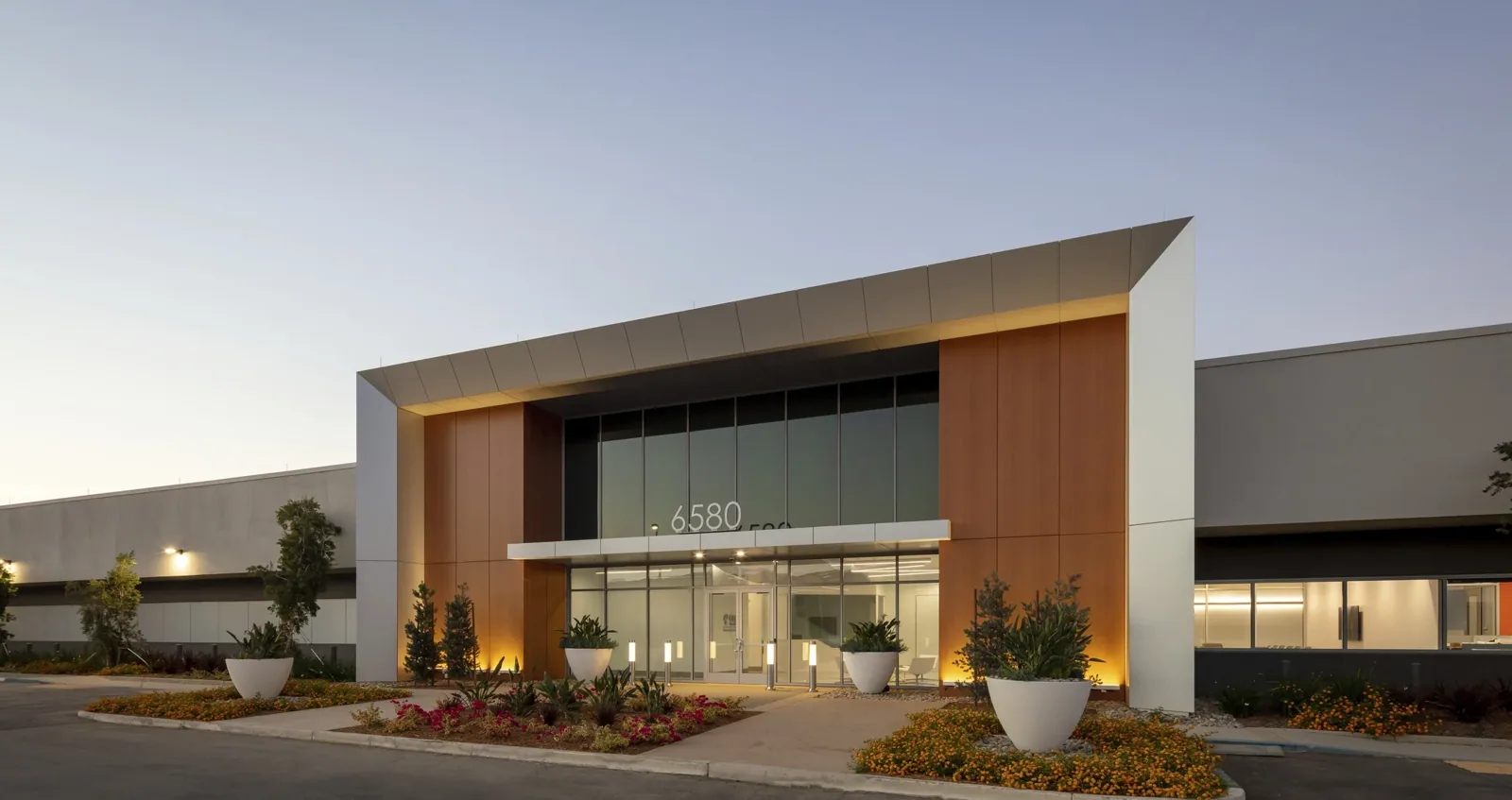
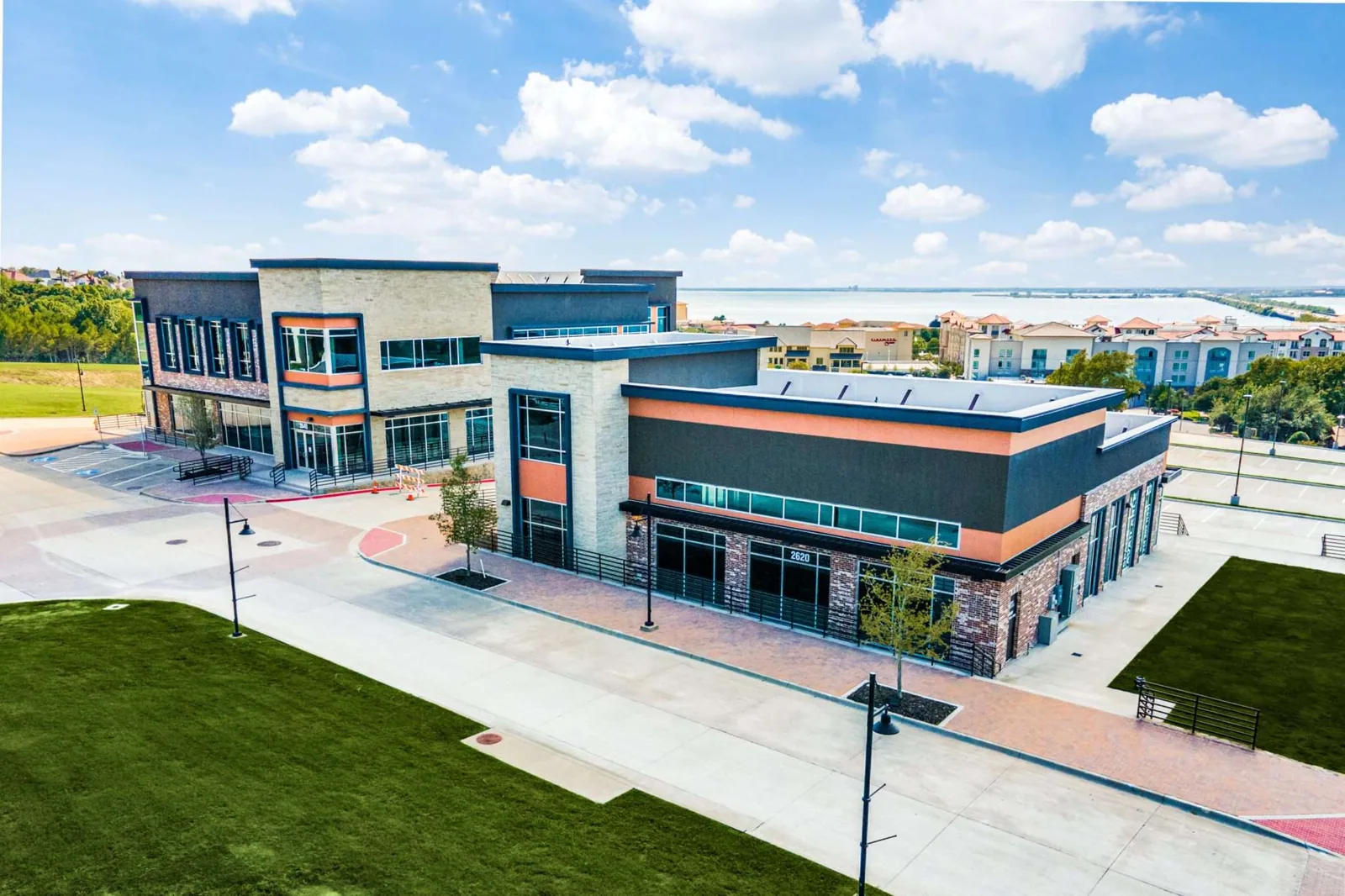
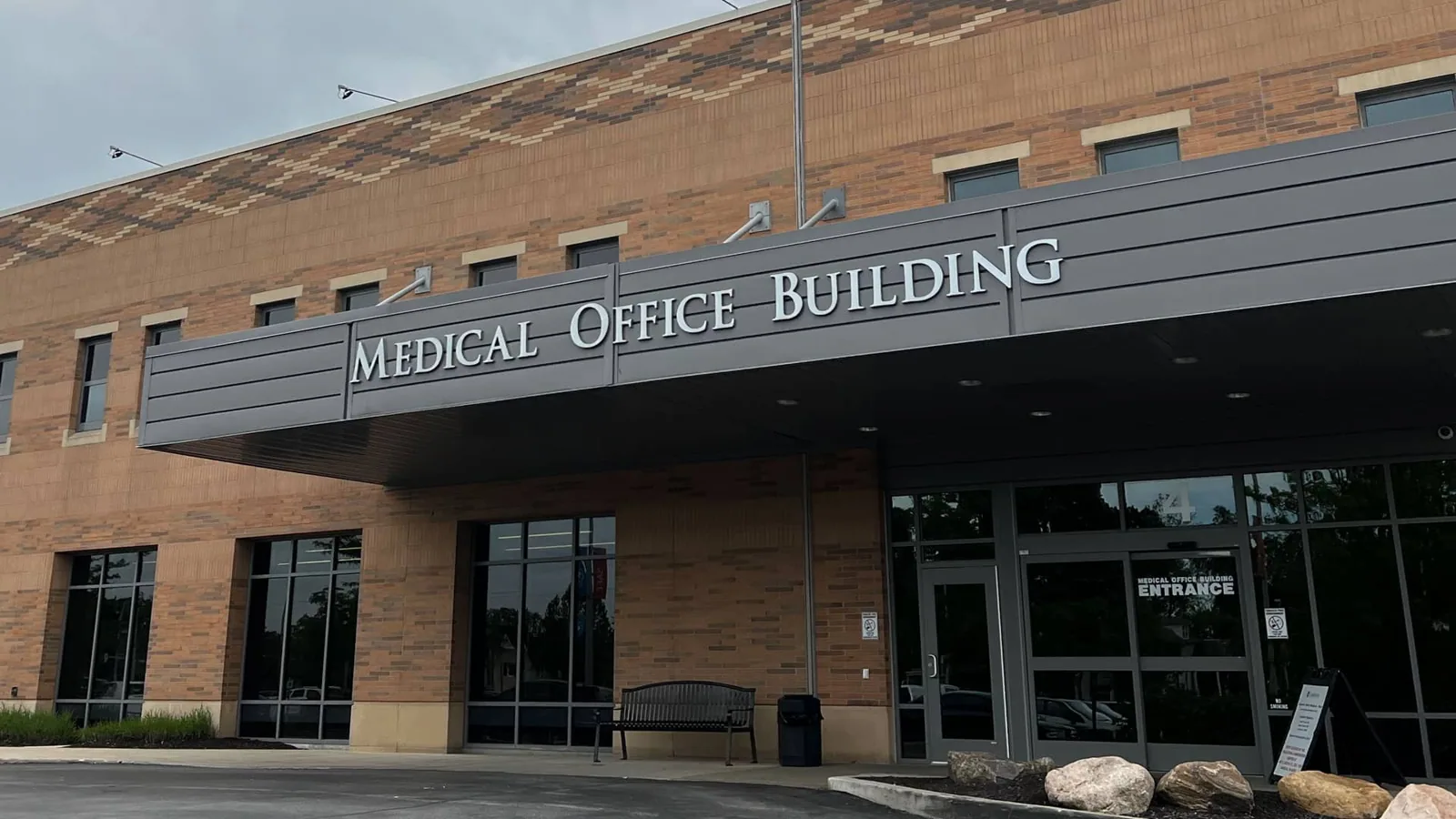
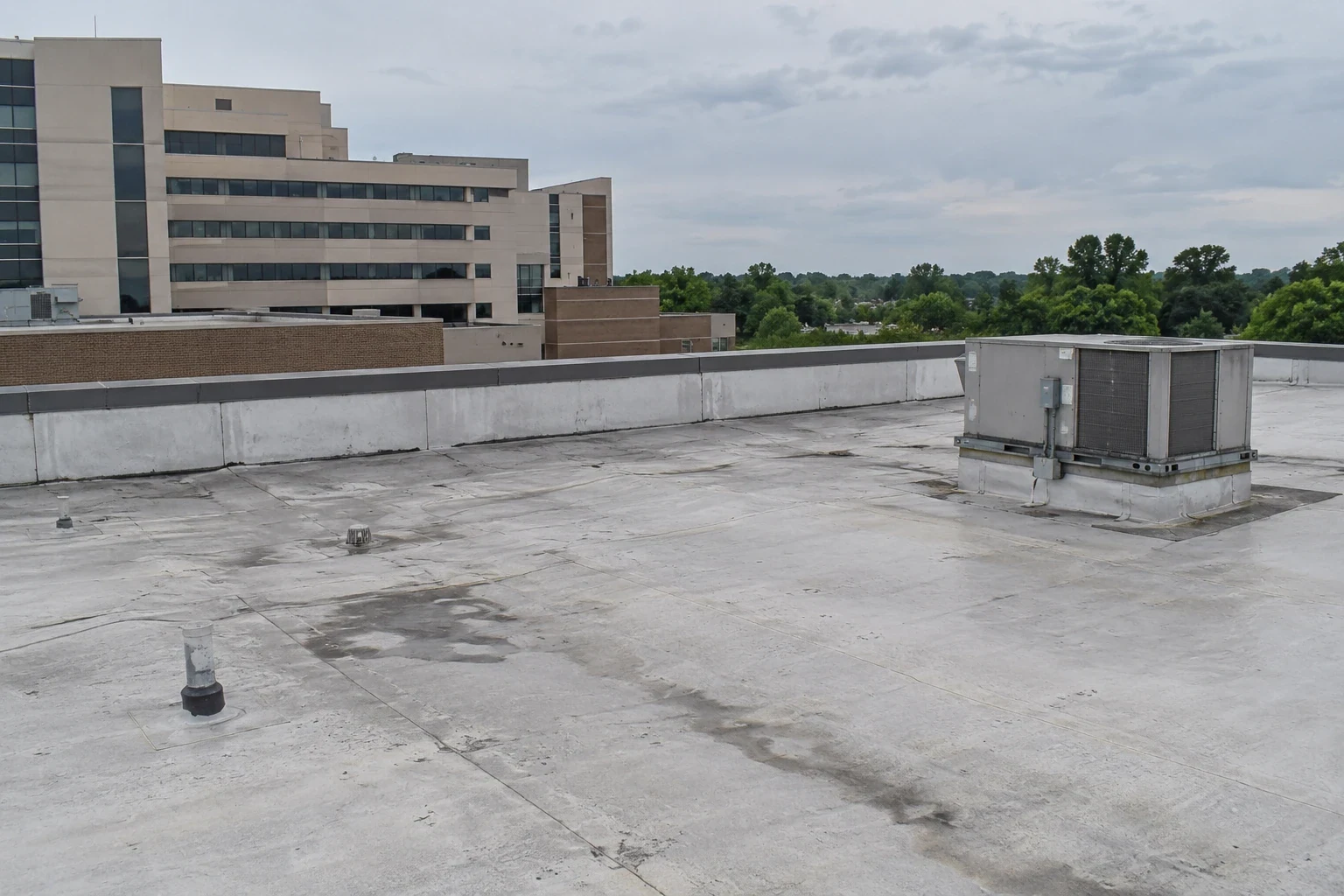
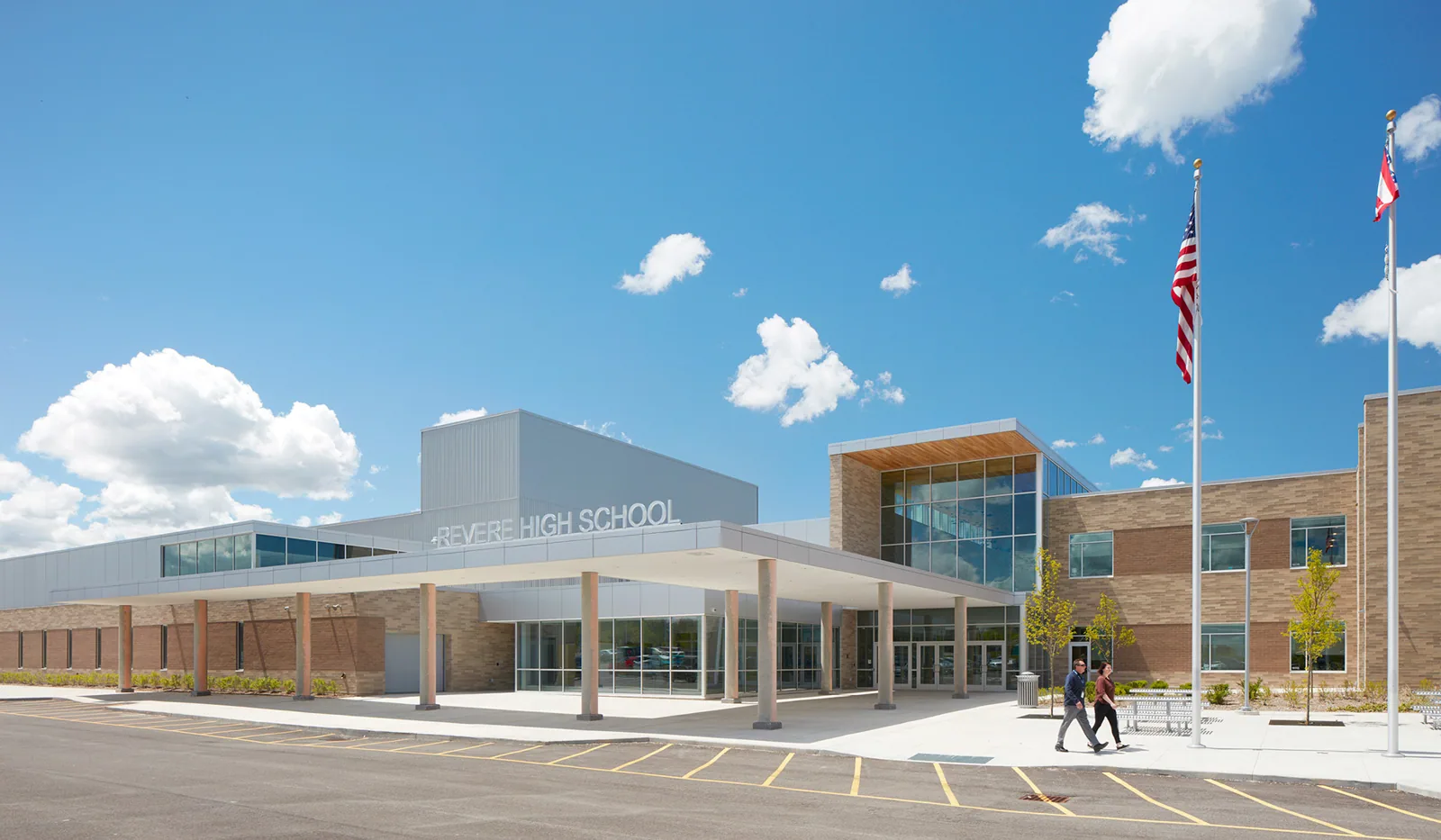
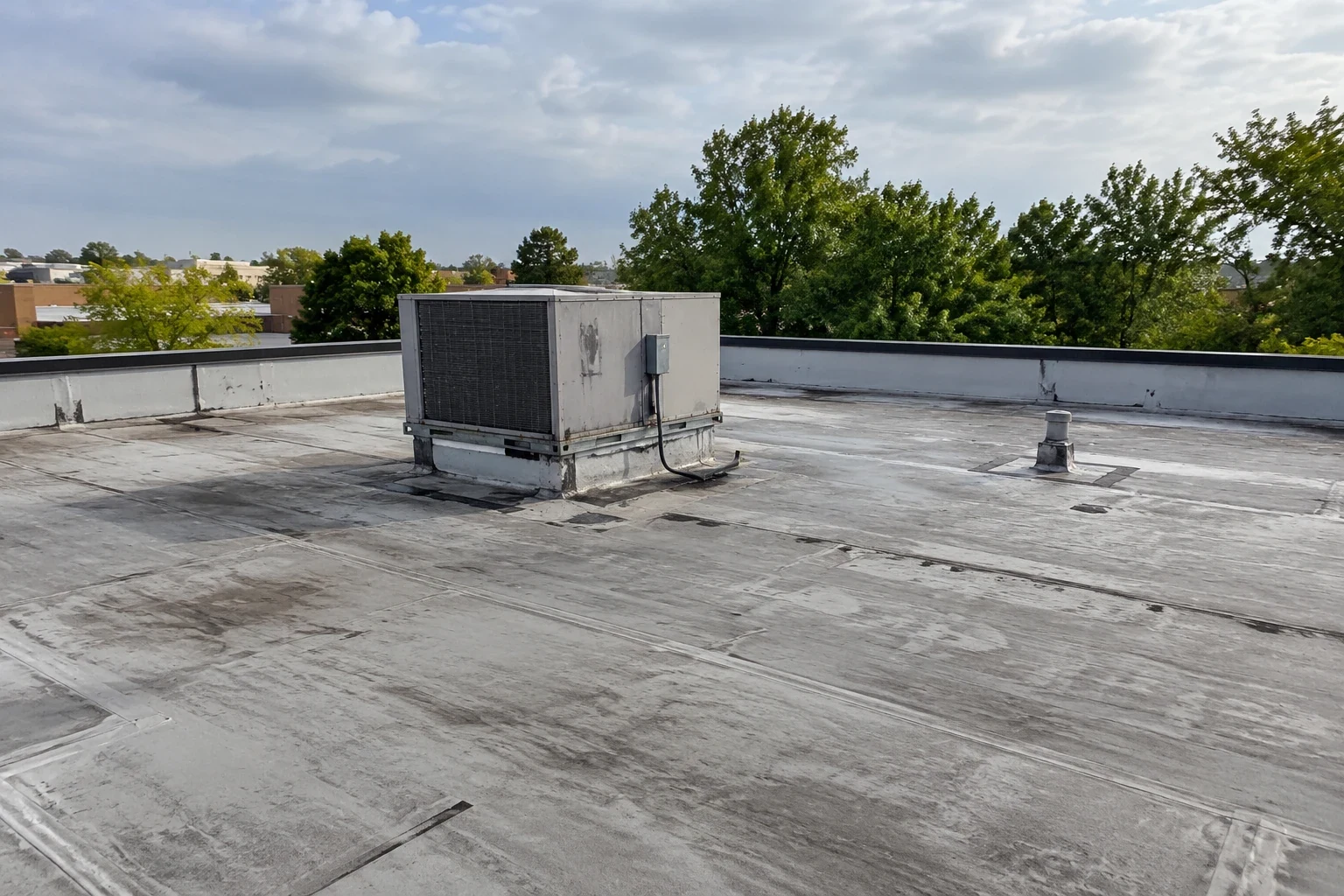
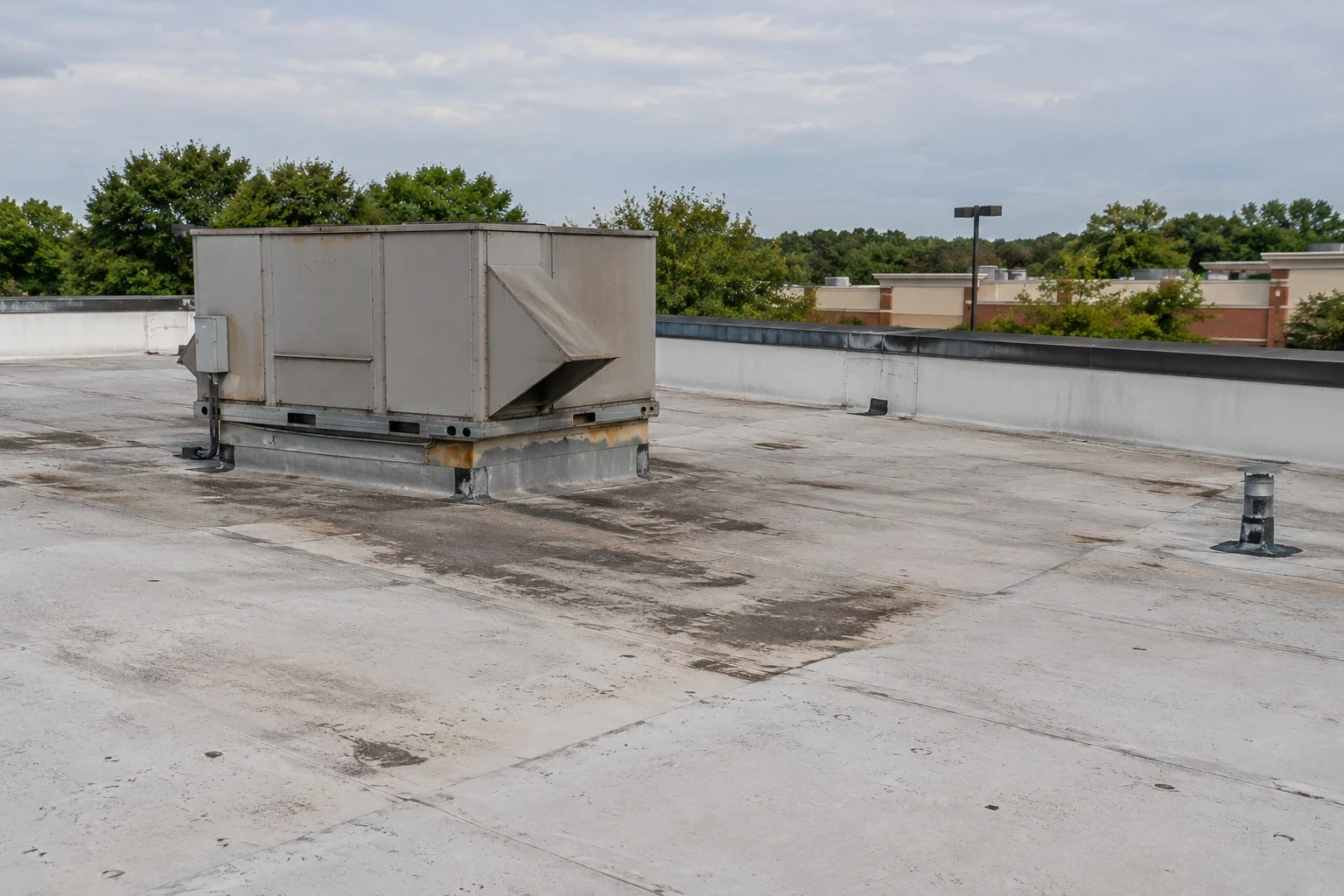
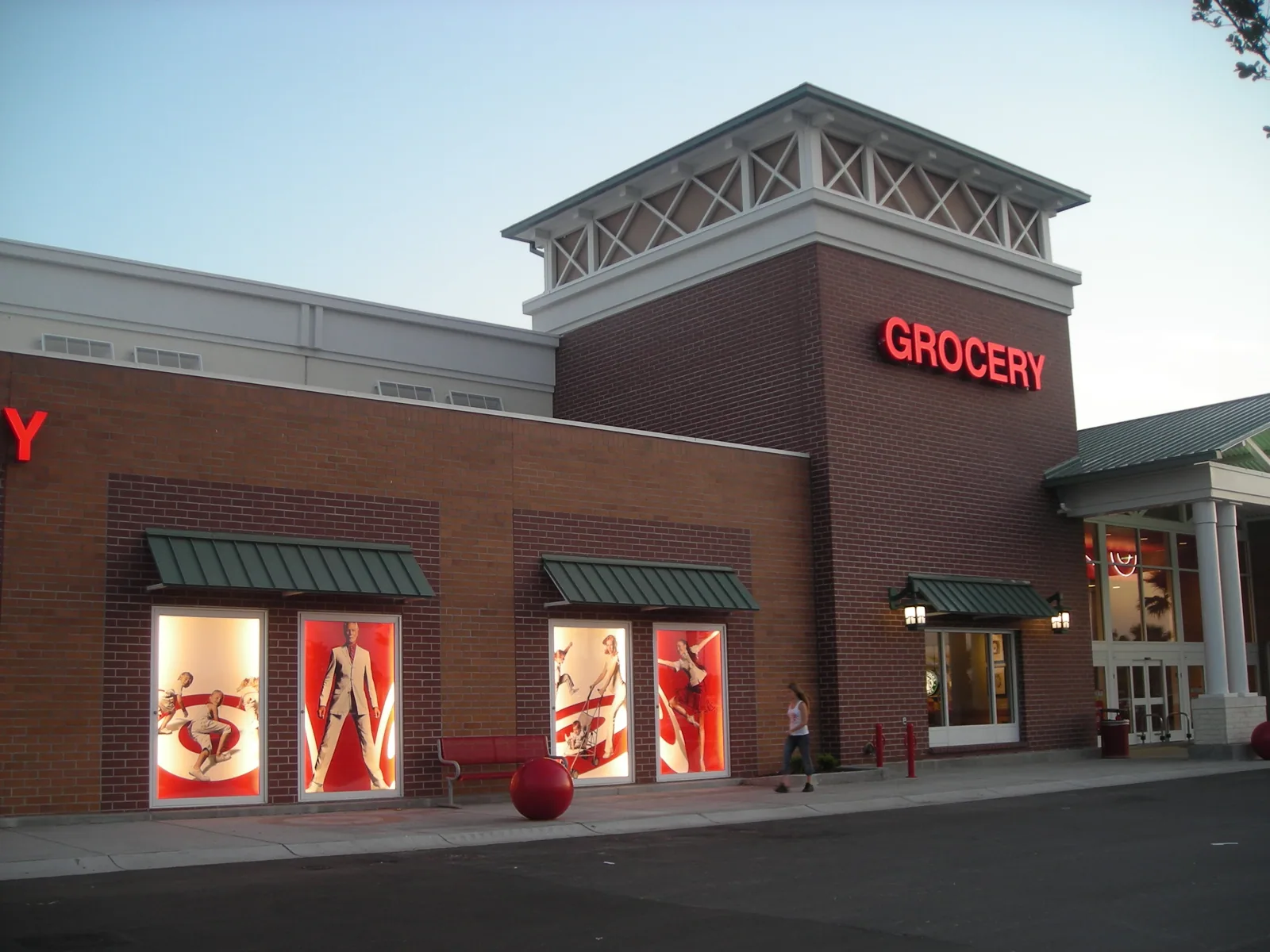
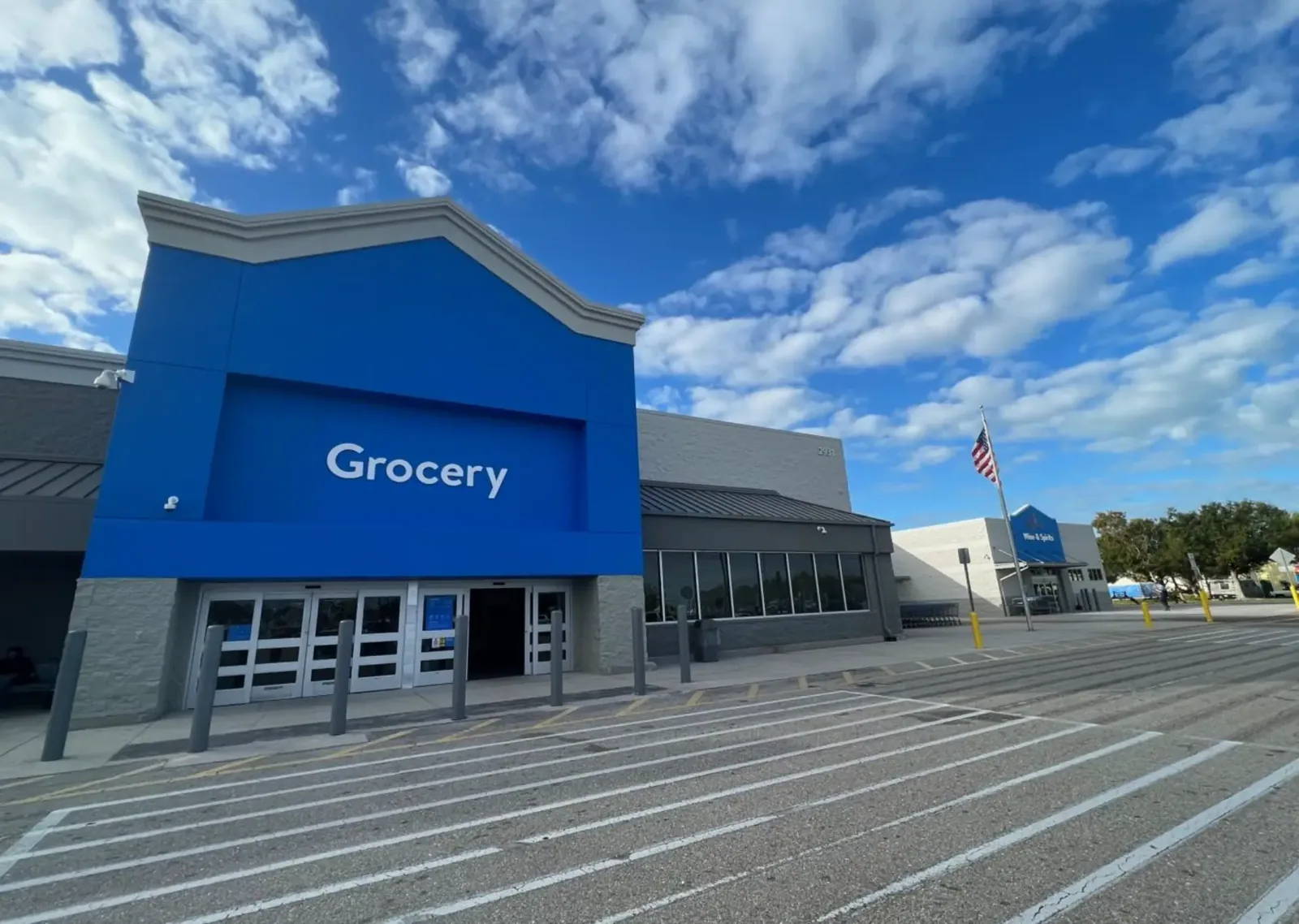
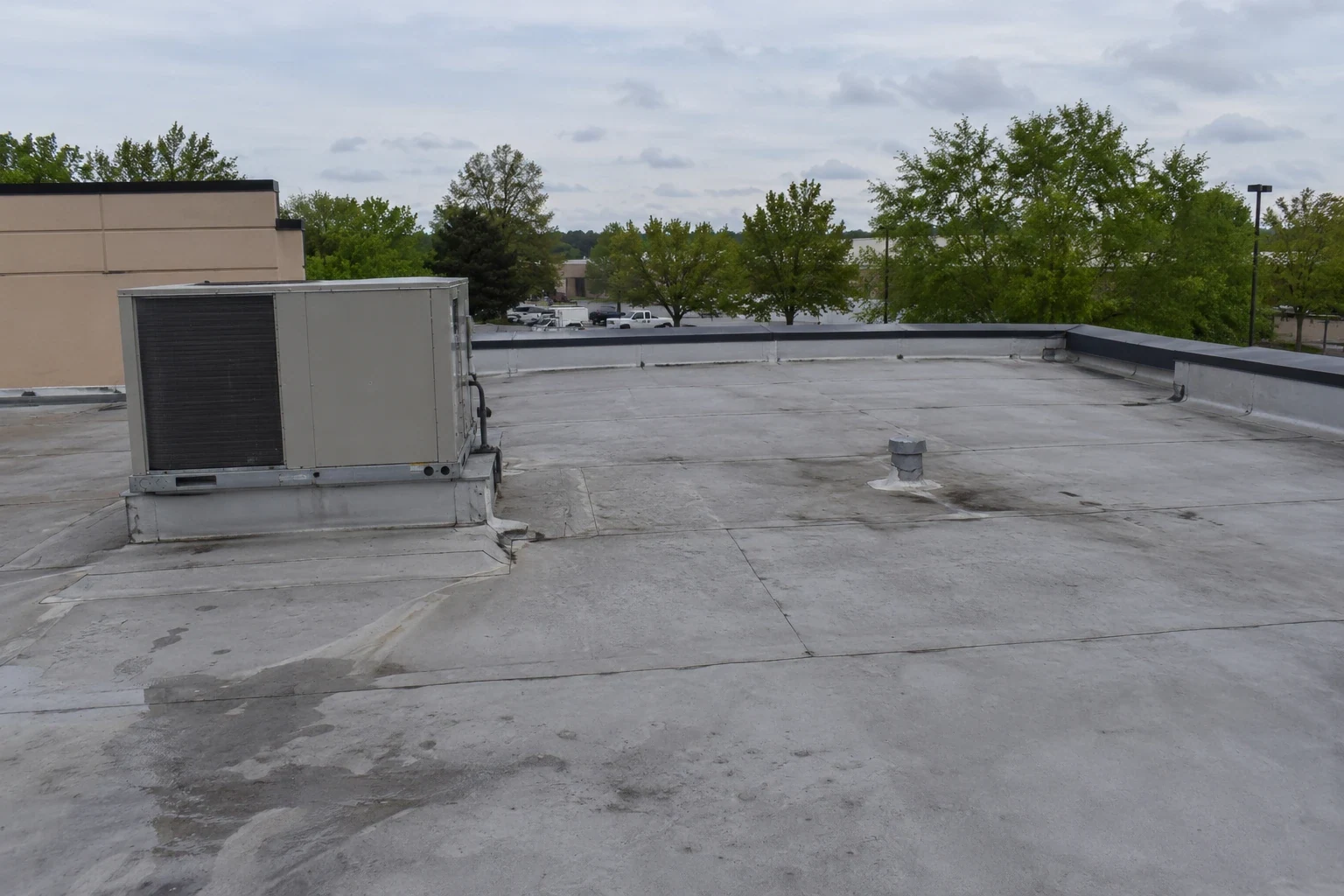
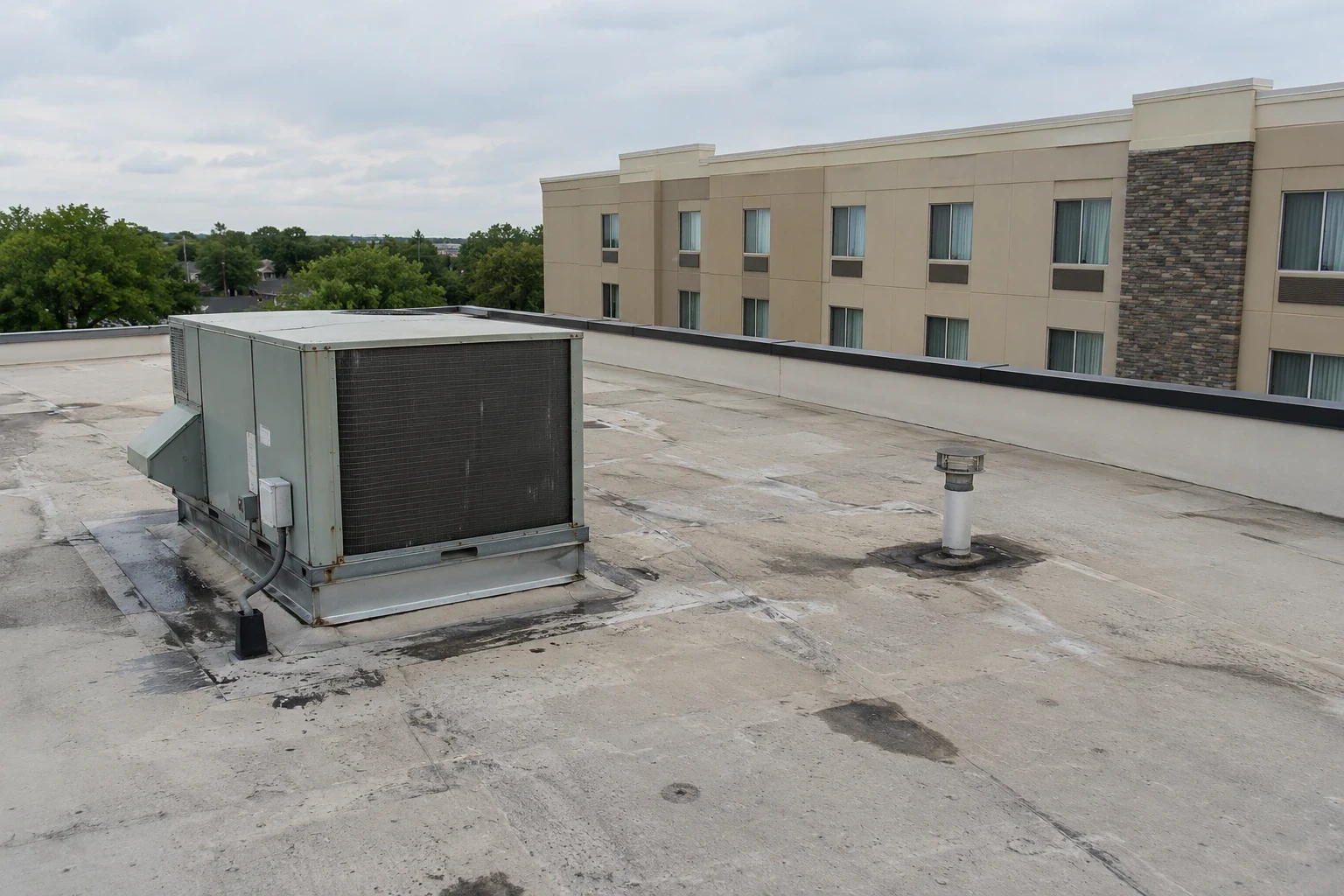
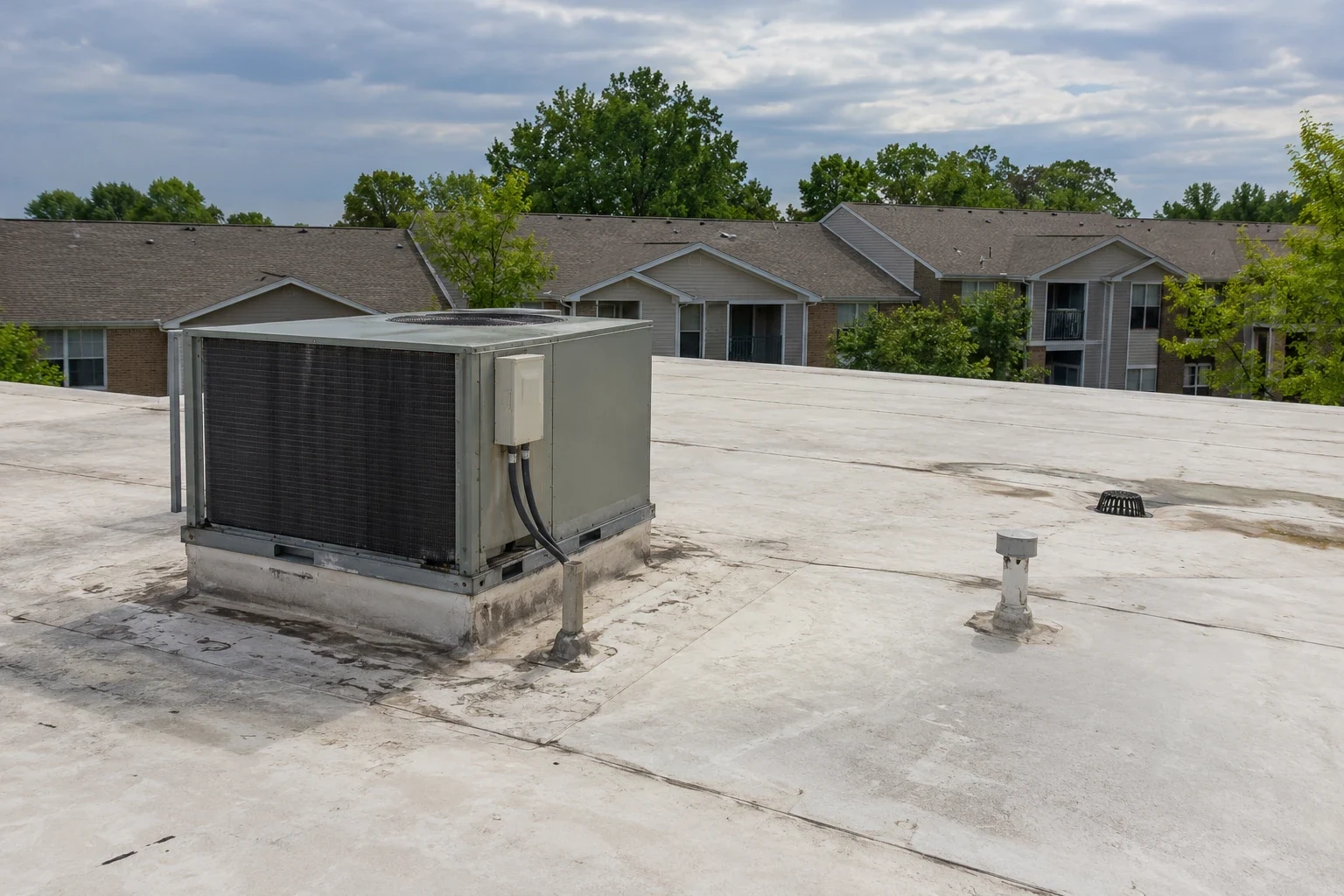
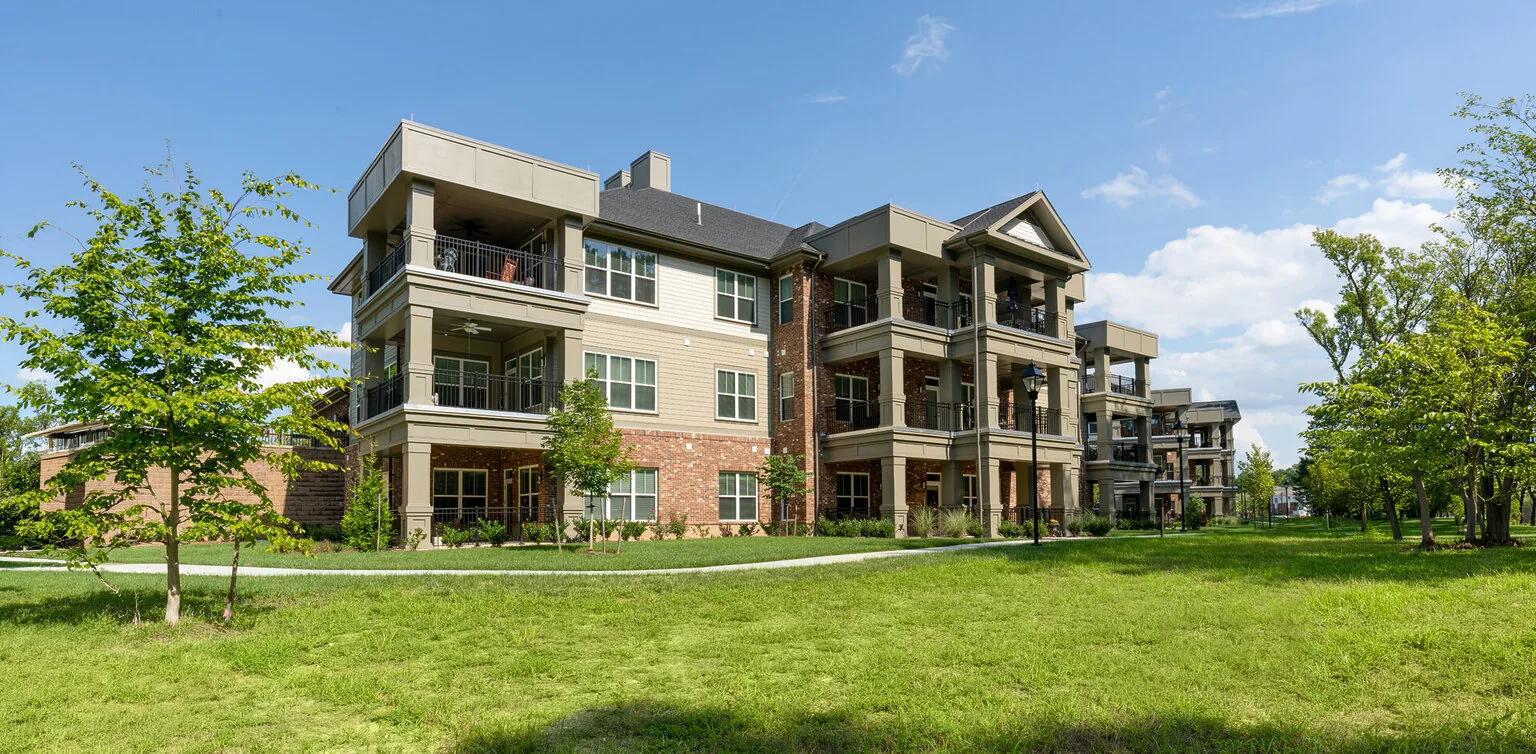
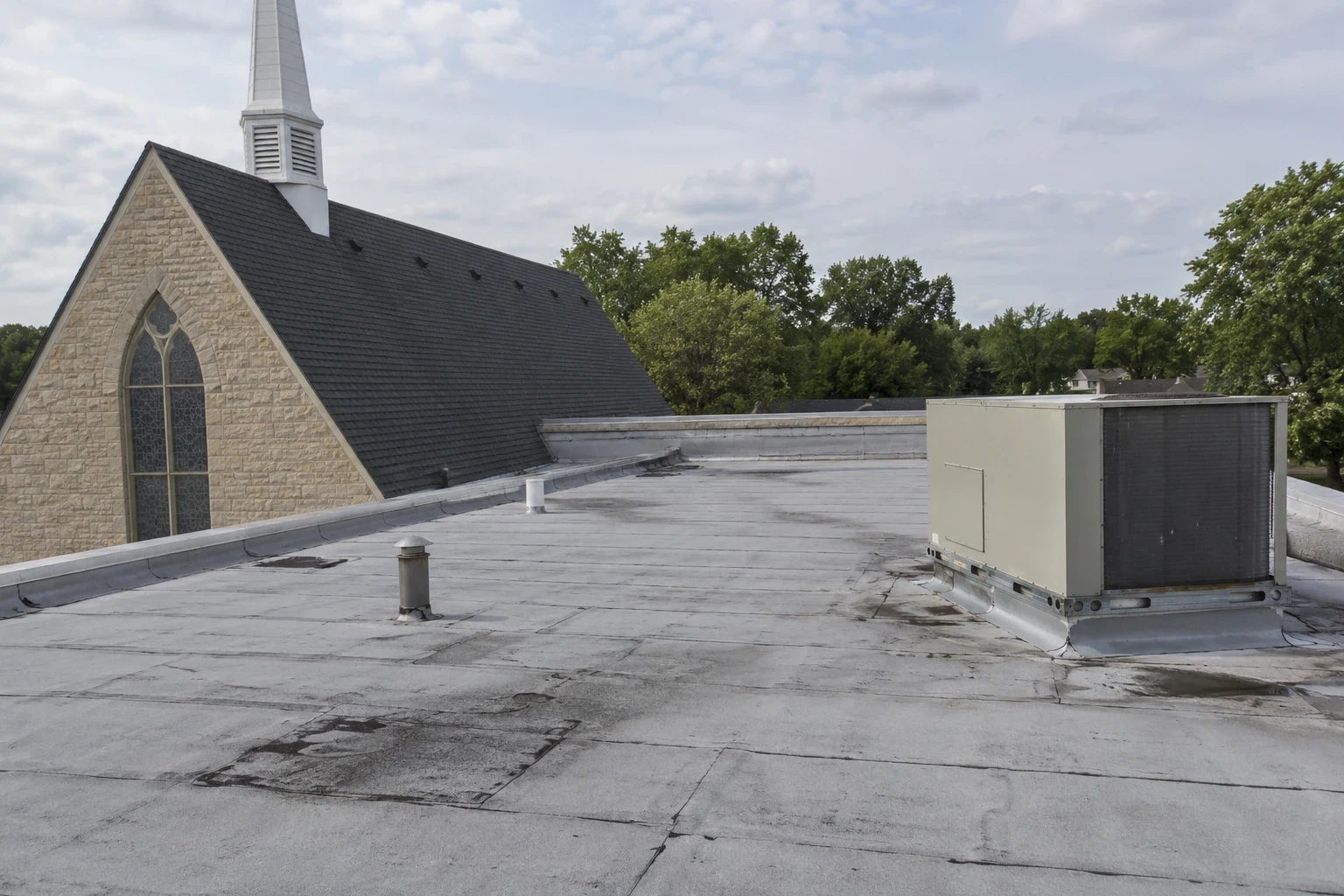
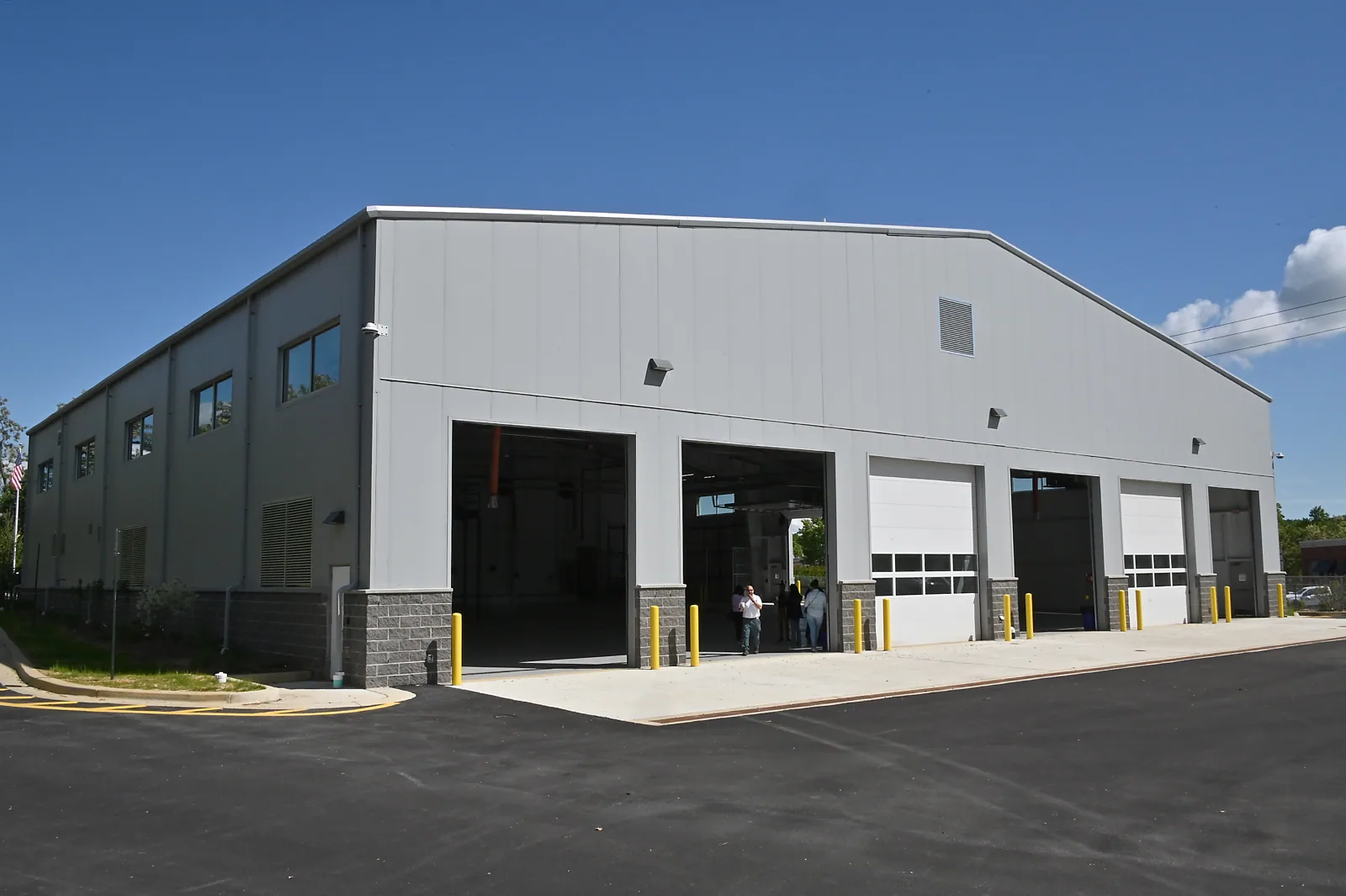
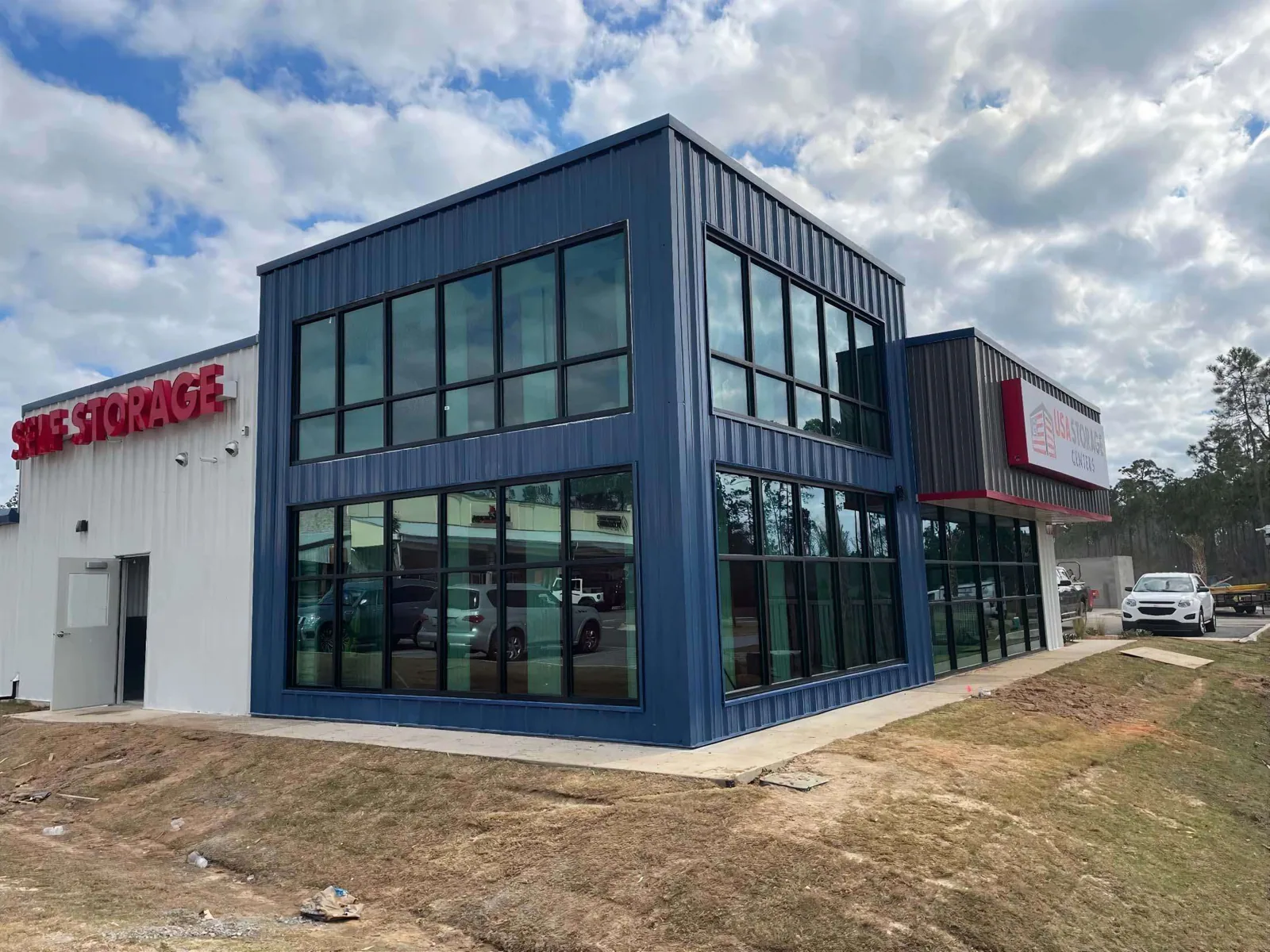
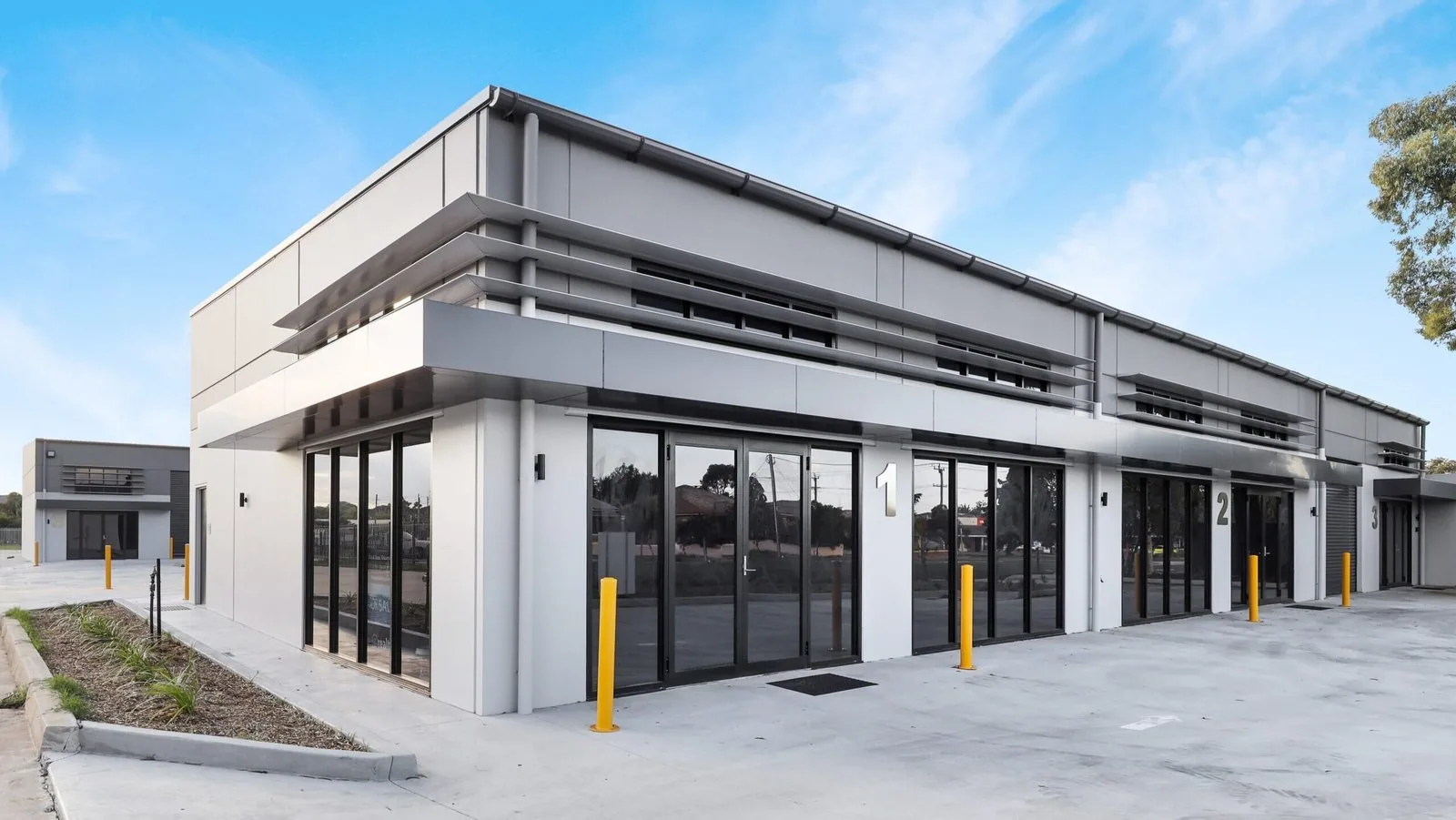
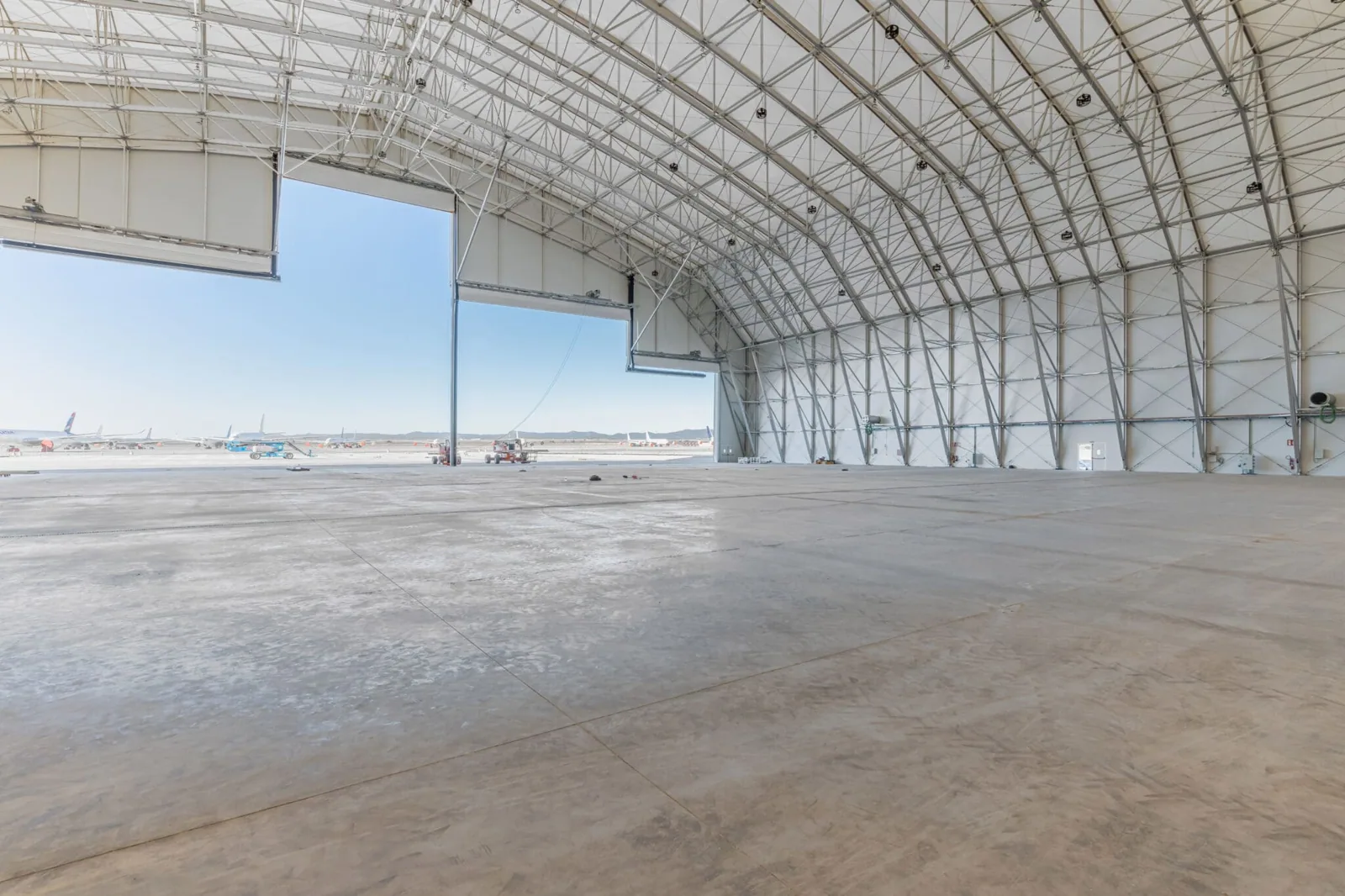
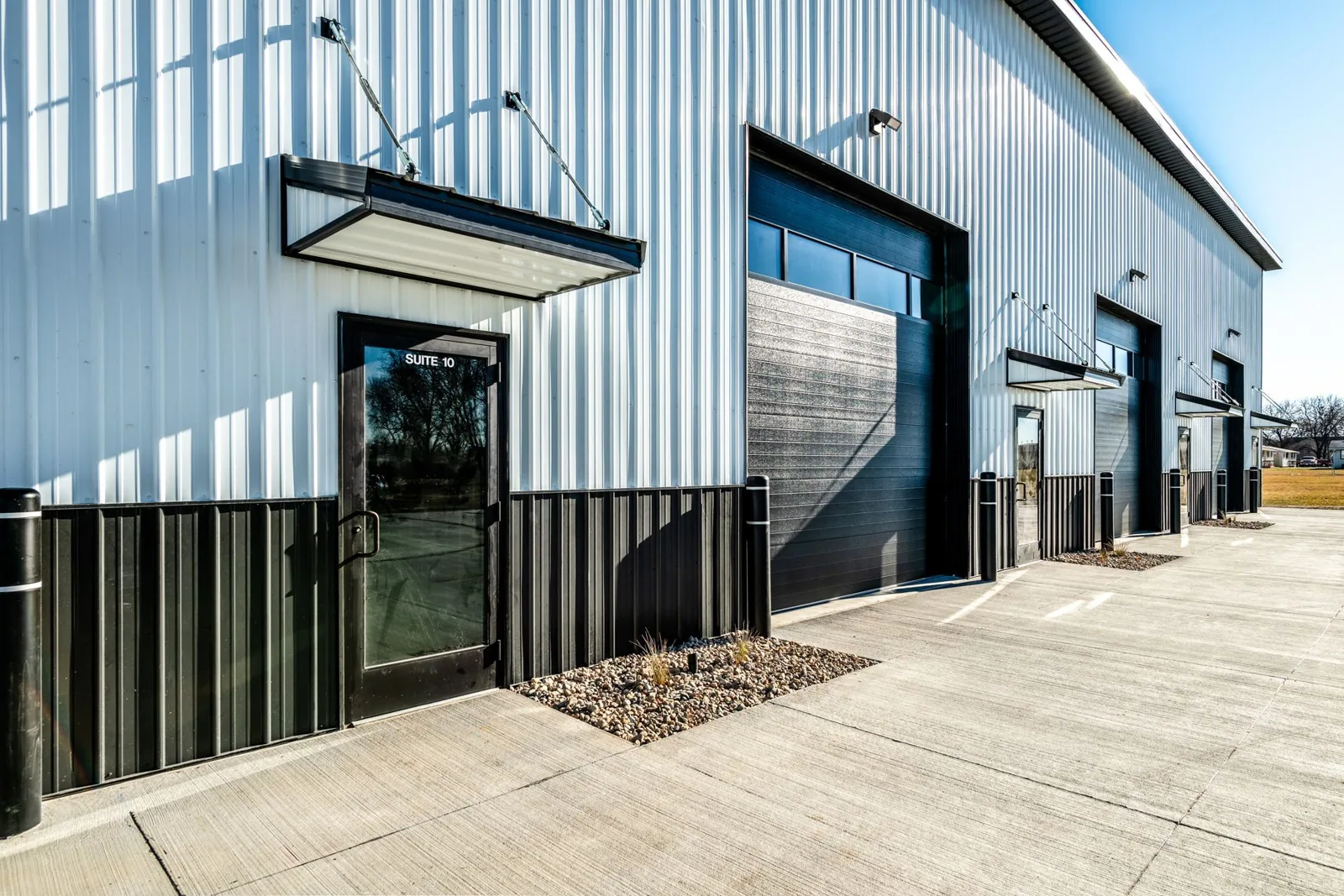
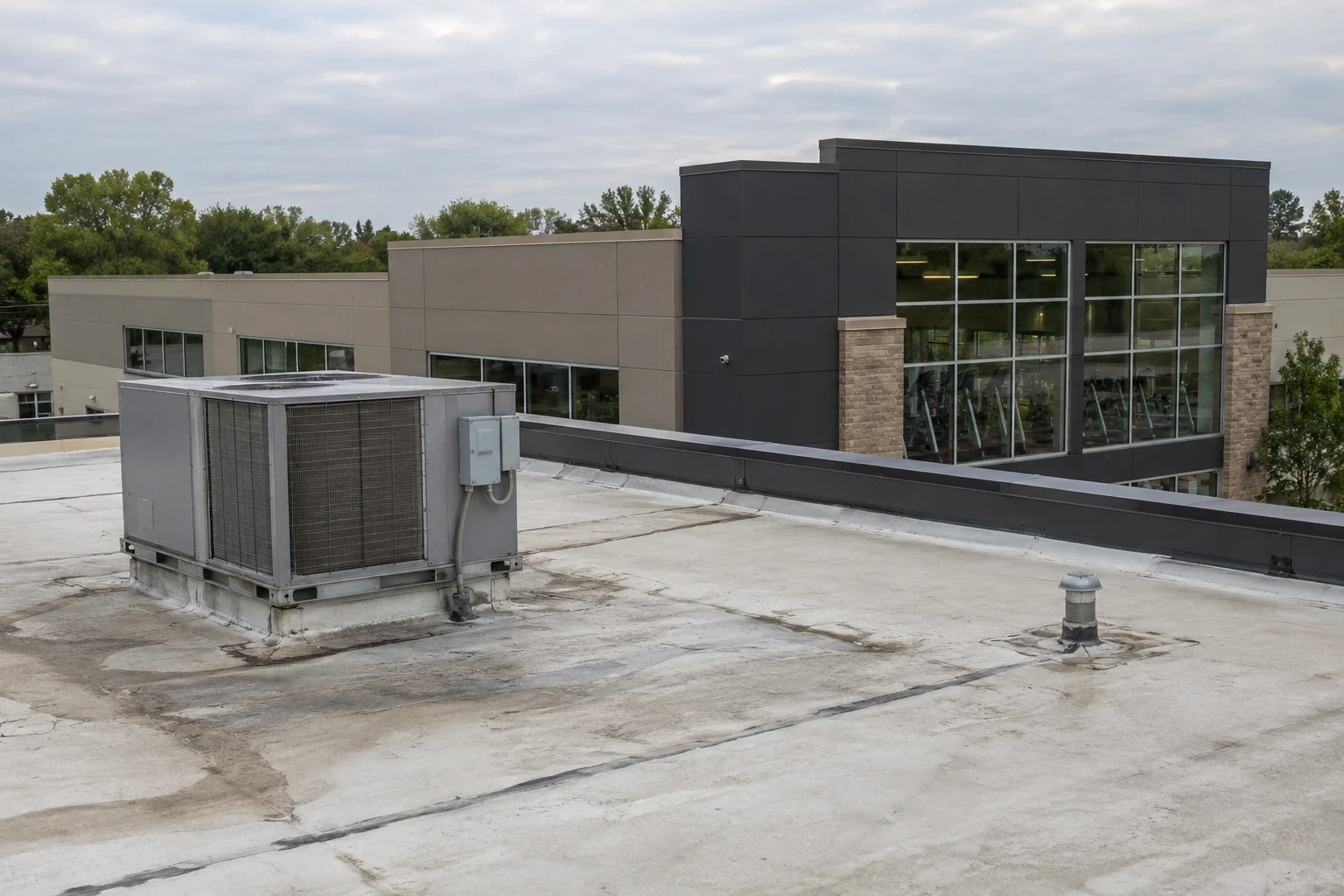
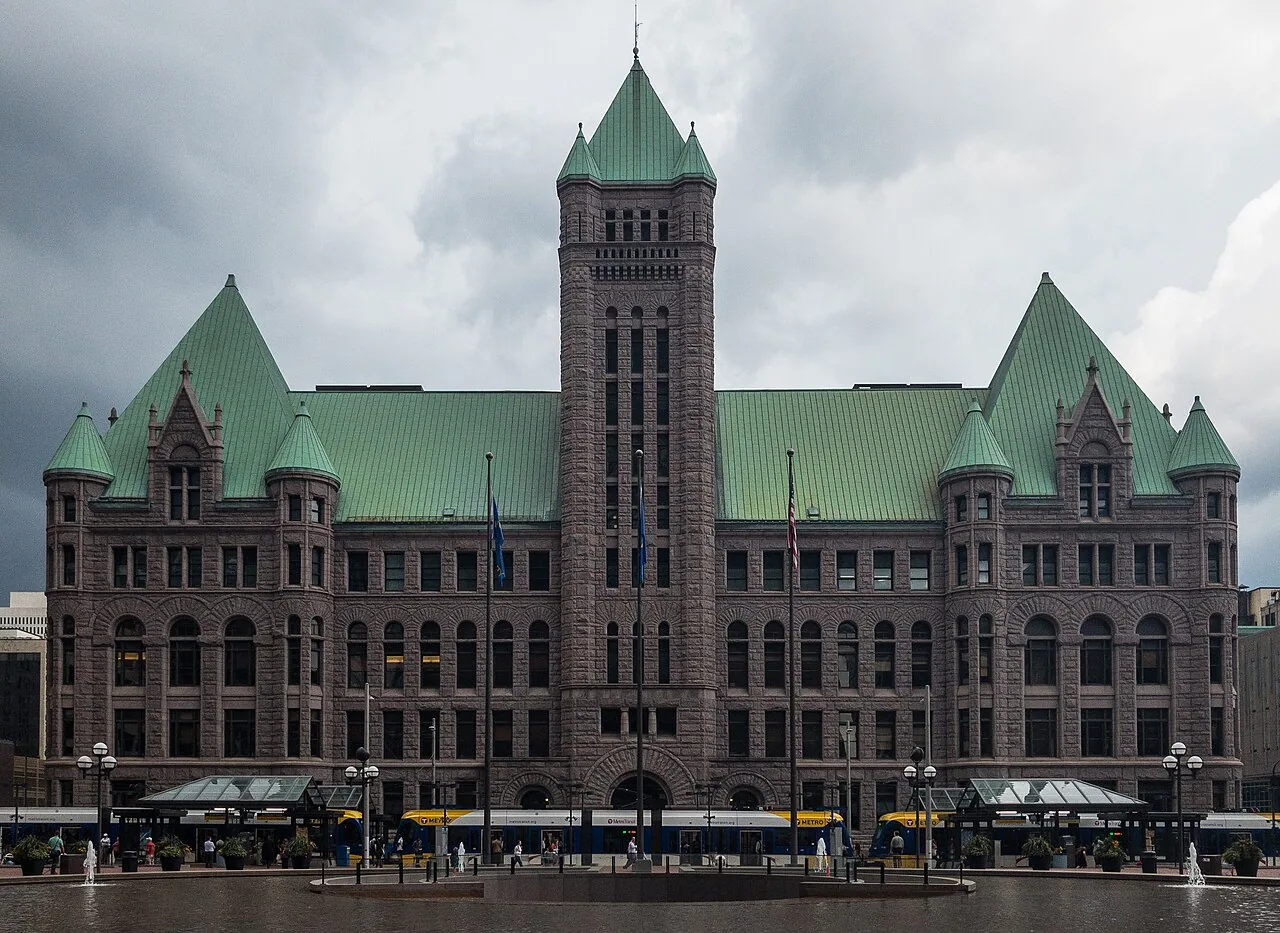
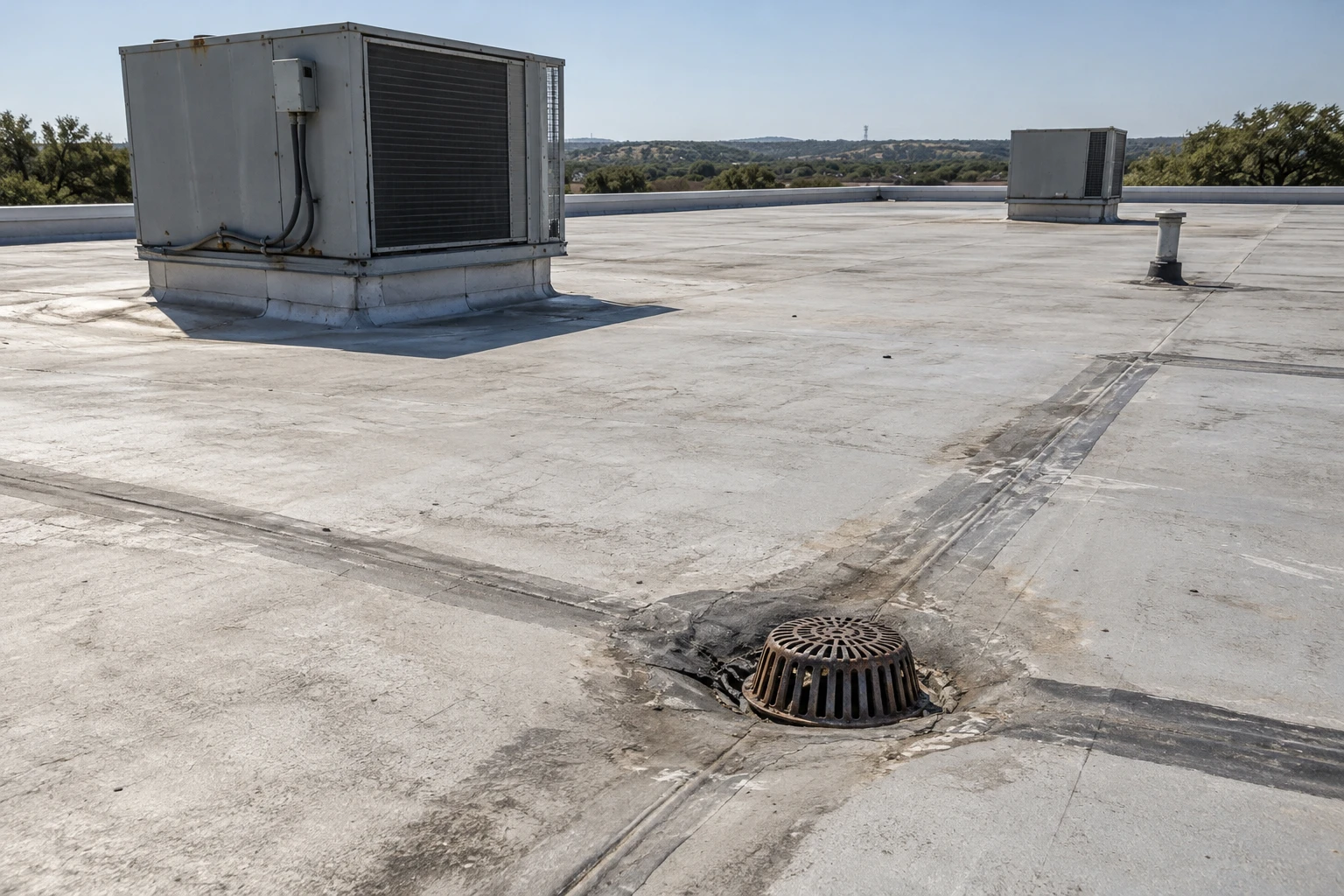
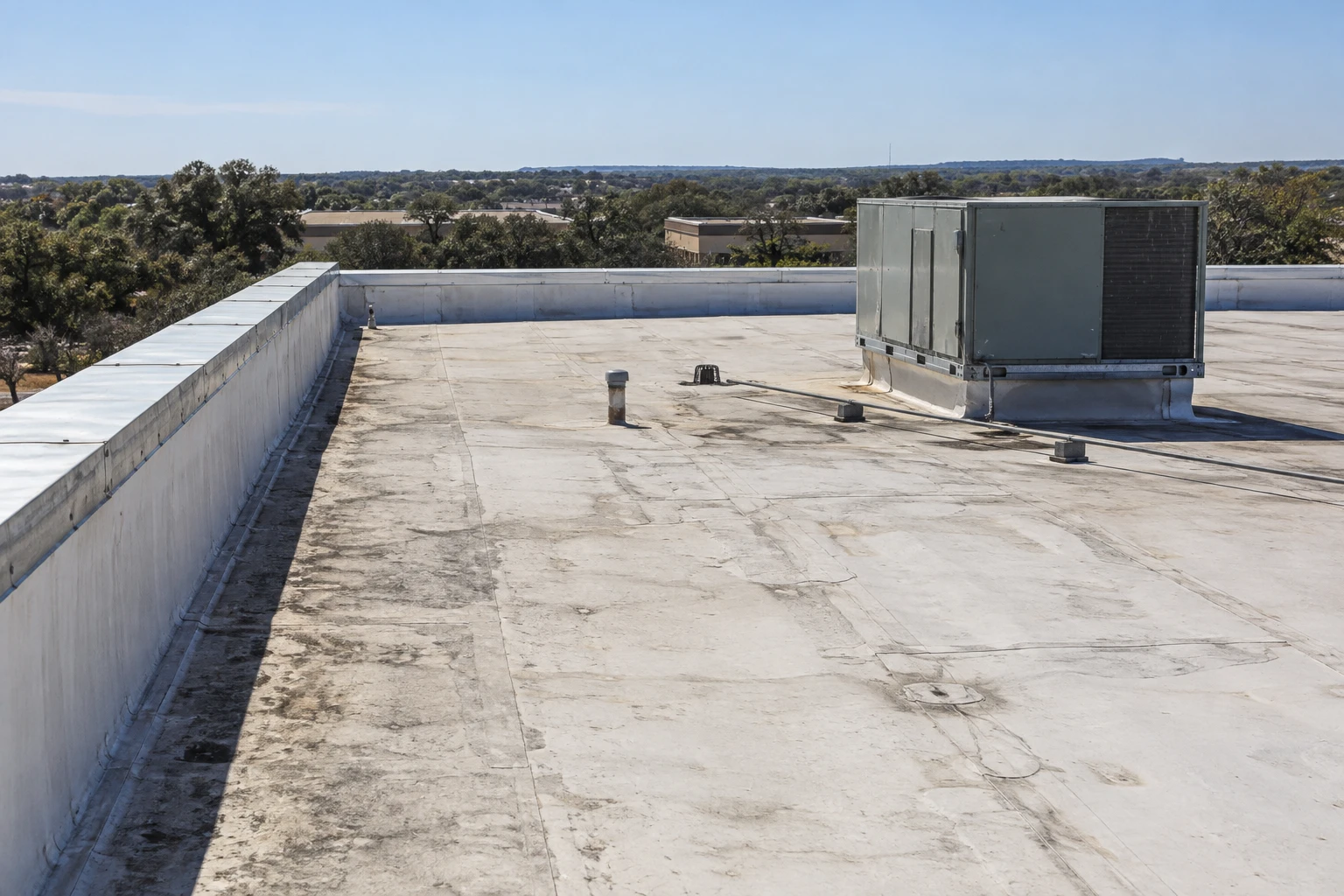
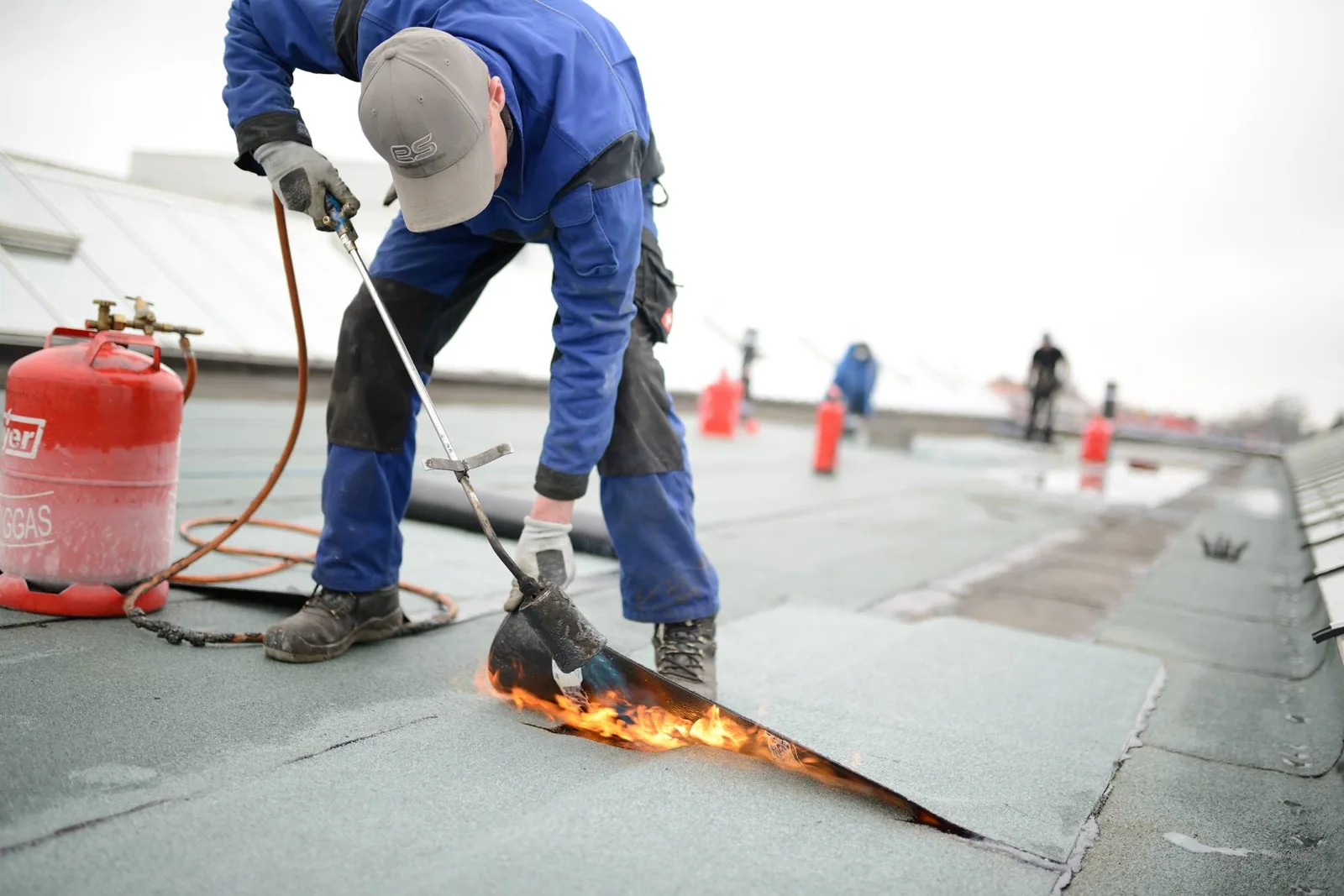
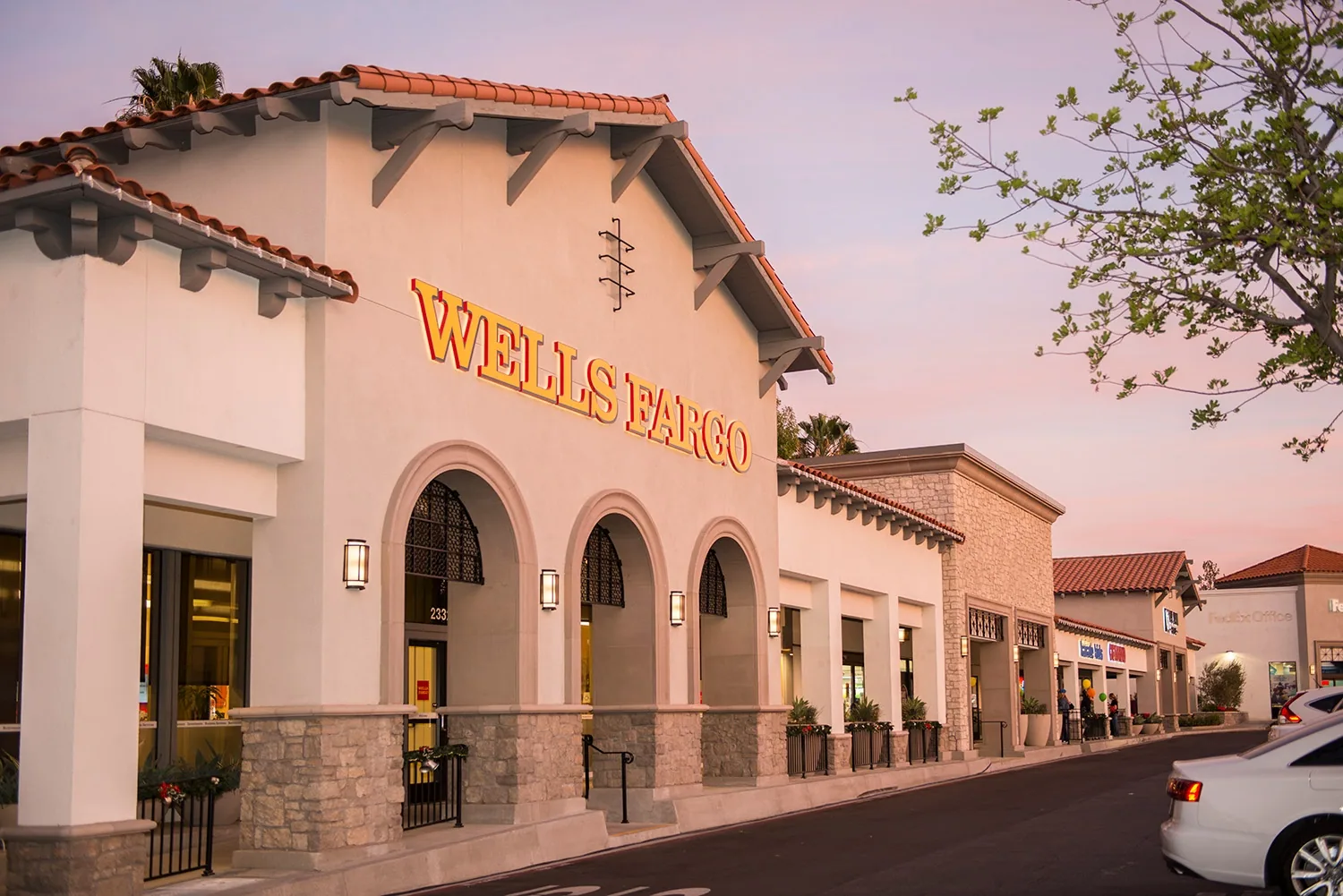
Building use changes the roof decision because access, equipment, occupancy, and interior exposure differ from one property to the next. Recent occupancy activity in Killeen includes restaurants, retail, childcare and education, medical offices, and fitness uses. That mix points to different schedules and equipment, not to the roof condition or system installed at any particular property. Begin with the assembly and operating constraints before comparing warehouse roofing or another building-specific scope.
How do industrial buildings change the roof scope?
A warehouse or plant may have long roof sections, rooftop equipment, loading areas, and interior processes that need advance coordination. The walk should record deck and insulation where known, drainage paths, penetrations, and access limits. Review distribution center roofing and manufacturing plant roofing for the assembly decisions; neither building label supplies an assumption about roof size, condition, or operation.
What matters when people and services stay inside?
Occupied uses need a work-zone plan as much as a material specification. A medical office roof may require quiet periods, clear entrances, equipment coordination, and a defined response if an opening cannot be closed before a shift change. For school roofing, define access routes, protected areas, and the handoff with facilities staff. We state what is included in roofing and what must be released by another trade or owner contact.
Which details affect retail and food-service properties?
Canopies, exhaust, kitchen equipment, storefront transitions, and delivery schedules can affect the order of work. A shopping center or restaurant should have roof sections mapped to the tenant areas and access controls below. A stain in one suite is a report location, not a measurement of the roof opening. Tie the inspection finding to seams, curbs, walls, drains, or other details before pricing a repair.
How should property type support a capital choice?
Use the building category to identify questions, then let observed conditions set the scope. A hotel roof can carry room and event restrictions; an apartment or senior-living property adds resident access and notification needs. A condition report records the roof section, photographs, test limits, and options so the owner can compare repair, recovery, and replacement on a common boundary.
Commercial Roofing Questions
Does a building category tell me which roof system is installed?
No. The property type helps frame access and operations, while the roof plan, field observation, and any needed test establish the assembly. We keep those findings separate from assumptions based on use.
Can work be phased around building operations?
Yes, when the owner and facility lead define restricted areas, access routes, and the point where each section is weather-tight. The sequence should identify shutdowns and work owned by other trades.
How should a multi-building owner compare roofs?
Give each building its own roof register, condition, section limits, and repair history. A shared format makes costs and timing easier to compare without making one property's condition stand in for another.
What should I send before a roof review?
Provide the roof plan, known system information, prior proposals, leak reports, access rules, and any schedule restrictions. We can note what those records establish and what remains to be checked in the field.
Match the roofing scope to the building in use
Share the property's use, roof plan, current concern, and operating limits. We can arrange a walk and return options tied to the affected sections.