
Government Building Roofing in Killeen, TX
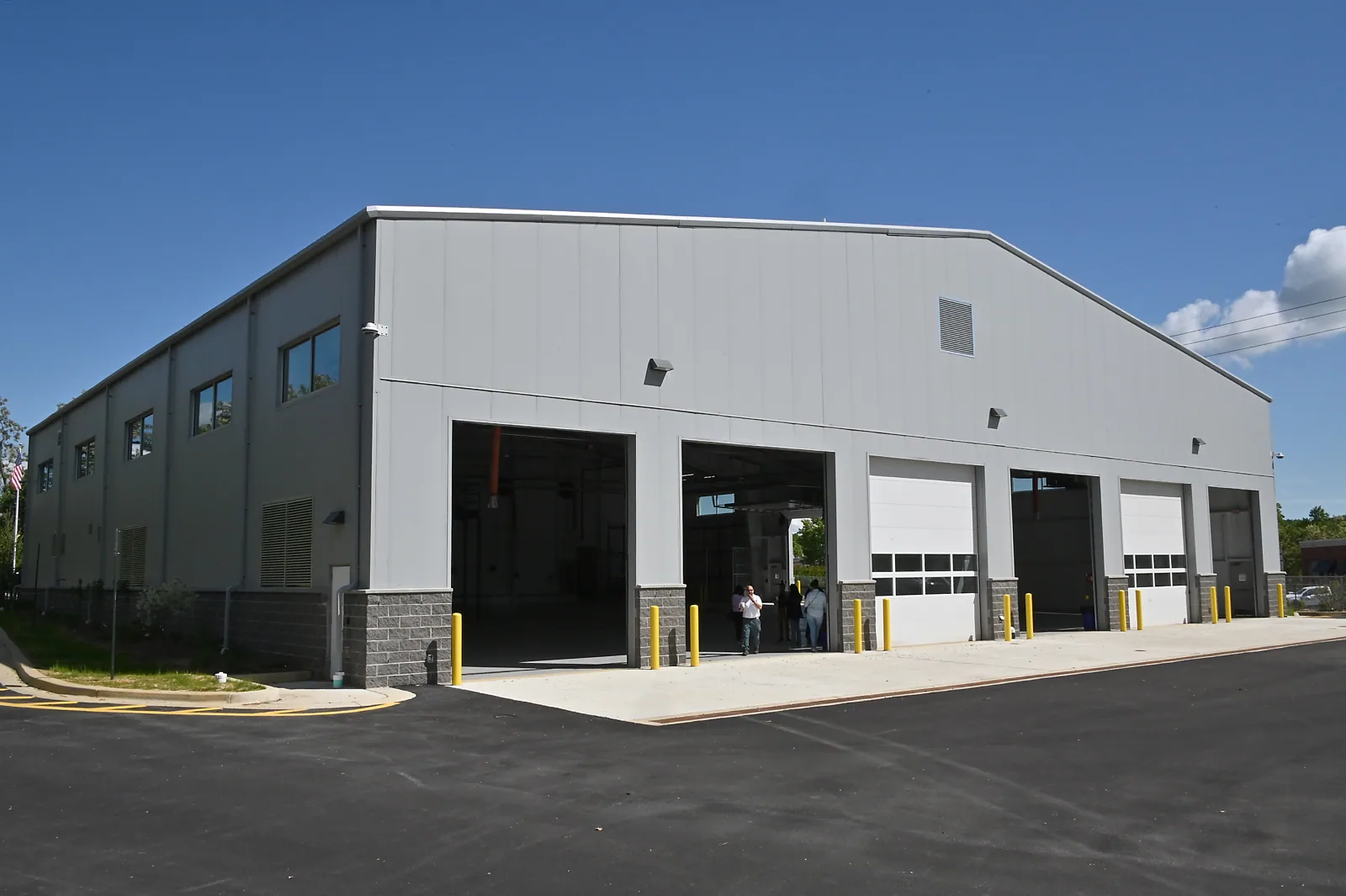
A public building roof project has to preserve the service people came to use while the owner keeps a clear record of scope and approval. We begin with the roof assembly, reported condition, building schedule, and spaces that must stay accessible. Since January 1, 2026, Killeen has applied local amendments to the 2024 International Building Code as part of its construction-code set. That is useful context for design review, but the permit office and project scope determine which requirements apply to a specific repair or replacement. Our condition report identifies observed issues, access limits, and the next test needed before a bid is set.
For a building with public counters, records rooms, meeting areas, or court activity, the access plan should identify entrances, hours, and any interior protection. A roof inspection can create a labeled condition record; a phased occupied-building plan can separate restricted areas from services that remain open.
What evidence should support the bid scope?
Start with a current roof plan, available installation records, leak reports, prior repairs, and photographs tied to a date and location. On the walk, we identify the membrane or metal system only when the evidence supports it. The report distinguishes open seams, loose edge metal, failed penetrations, blocked drains, and suspected moisture from conditions that were directly verified. If a test cut or pull test could change the recommendation, the proposal names its location, restoration method, and authorization point.
Procurement staff need a scope that bidders can price on the same basis. Separate tear-off, substrate allowance, insulation, flashing, edge metal, drainage, staging, and daily weather protection. List access assumptions and the party responsible for mechanical, electrical, or security work. A roof survey for an acquisition or capital review can preserve condition boundaries before a multi-year program is approved, while a cover-board review can identify assembly layers relevant to a replacement scope.
How should code review enter the roof decision?
For permit work after January 1, 2026, Killeen uses a locally amended 2024 International Building Code. The adopted list also brings in the 2024 International Energy Code with amendments and the amended 2023 National Electrical Code; Chapter 8 of the city ordinances supplies the adoption framework unless a separate rule applies. We record the roof system, proposed work, and details that may need review; the applicable code path is confirmed with the building official for the specific project. An existing roof condition report does not substitute for design documents or permit review.
When a replacement changes insulation, attachment, drainage, rooftop equipment, or edge conditions, those decisions should appear in drawings and specifications before bidding. We identify any assumptions about deck, existing layers, and load-bearing conditions so the design team can resolve them. A curb and support scope may need coordination with another trade, and the roofing estimate should state whether equipment disconnects or electrical modifications are included or excluded.
Which Killeen places affect access planning?
The historic commercial center of Downtown Killeen reaches from Rancier Avenue/FM 439 on its north side to Veterans Memorial Boulevard/Business 190 at its southern edge. If an agency property sits nearby, we verify the actual loading point, visitor entrance, and pedestrian control on site. District geography helps plan a dispatch, while the building inspection establishes its roof and delivery conditions. We record the agreed entrance and setup area with the work sequence.
Among Killeen’s 278 occupancy certificates issued from April 2025 through March 2026, 75 were within North Killeen Revitalization Area. For an agency tracking its facilities alongside broader public investment, that location context can help organize records, but it is not evidence about a roof condition. An inspection in that area still begins with the agency’s drawings and access rules. A Downtown Killeen site walk or North Killeen roof review can be scheduled around actual service hours.
How do we separate a leak from a drainage issue?
Trace the report from the interior to the roof section above it, then inspect seams, penetrations, drains, scuppers, and overflow components. Water can move along a deck or insulation before it appears in a room, so the visible stain should not become the assumed repair point. We label the observation, note whether water is active, and identify the test that would establish the source. A drain and scupper correction can be separated from membrane or flashing repair when both conditions are present.
If a public records room, communications space, or equipment area is affected, interior protection and access approvals may drive the first response. Temporary stabilization is priced separately from permanent correction. We document who can authorize entry, what equipment must remain on, and when a section can be opened safely. That record gives a project manager a clear reason for each restriction rather than a general contingency that cannot be verified.
Which option fits the facility plan?
Repair is appropriate when a defined defect can be corrected and adjacent materials remain sound. Recovery or coating should be considered only after moisture, attachment, drainage, adhesion, and edge conditions are checked. Replacement may be the stronger comparison where several roof sections have recurring failures or concealed damage. We list the area included, testing performed, conditions not accessible, and any allowance for conditions found after opening. That provides a clean basis for review by facilities, finance, and procurement.
A school roof comparison or hospital roof scope may raise similar questions about occupied hours, but public counter access and records security require their own sequence. For a capital request, the roof capital plan can put condition severity, remaining uncertainty, and the proposed work window on one schedule without implying that every structure shares the same need.
What makes a public roof record usable later?
Closeout should include the marked plan, dated photographs, accepted scope, change approvals, product information, repair boundaries, inspection notes, and unresolved follow-up items. Identify any location that could not be accessed, any sample opening restored, and any temporary cover that remains under observation. If a warranty applies, retain its requirements and responsible maintenance dates. A new facilities manager should be able to see which roof section received work and what evidence supports its current status.
We can walk the building with the facilities lead, review records and access limits, and return options separated by roof section. Provide the permit history, current plans, leak locations, public-service schedule, and procurement requirements available to the agency. A practical recommendation explains which work can proceed, what needs design or authority review, and what the owner can defer without obscuring the condition that prompted the decision.
Commercial Roofing Questions
Does the current code edition apply to every roof repair?
The adopted code list is a starting point, not the permit decision. We identify the proposed work and roof details, then confirm the applicable review with the city building office and design team before pricing a code-driven change.
How can bidders price the same government roof scope?
We show roof areas, system assumptions, tear-off or recovery, deck allowances, access, protection, flashing, drains, and exclusions. Any test or alternate should be identified separately so proposals can be compared on the same boundary.
Can a public building remain open during replacement?
Some phases may be coordinated around public hours, but the approved sequence depends on roof area, weather protection, noise, entrances, and security. We list which services remain accessible and what temporary restriction each phase requires.
What should happen before a roof is opened?
Confirm the authorized scope, sample or work location, protection below, temporary dry-in method, and who can approve concealed-condition changes. We document findings before expanding beyond the defined boundary.
What records should be delivered to the agency?
Provide a roof plan, dated photos, installed materials, completed boundaries, approvals, warranty documents where applicable, and remaining action items. We distinguish temporary stabilization from completed permanent work.
Scope a public building roof
Provide plans, prior work records, leak locations, access rules, code-review requirements, and procurement dates. We can document the roof and return section-based options with assumptions and approval points stated clearly.