
Military Hangar and Maintenance Facility Roofing in Killeen, TX
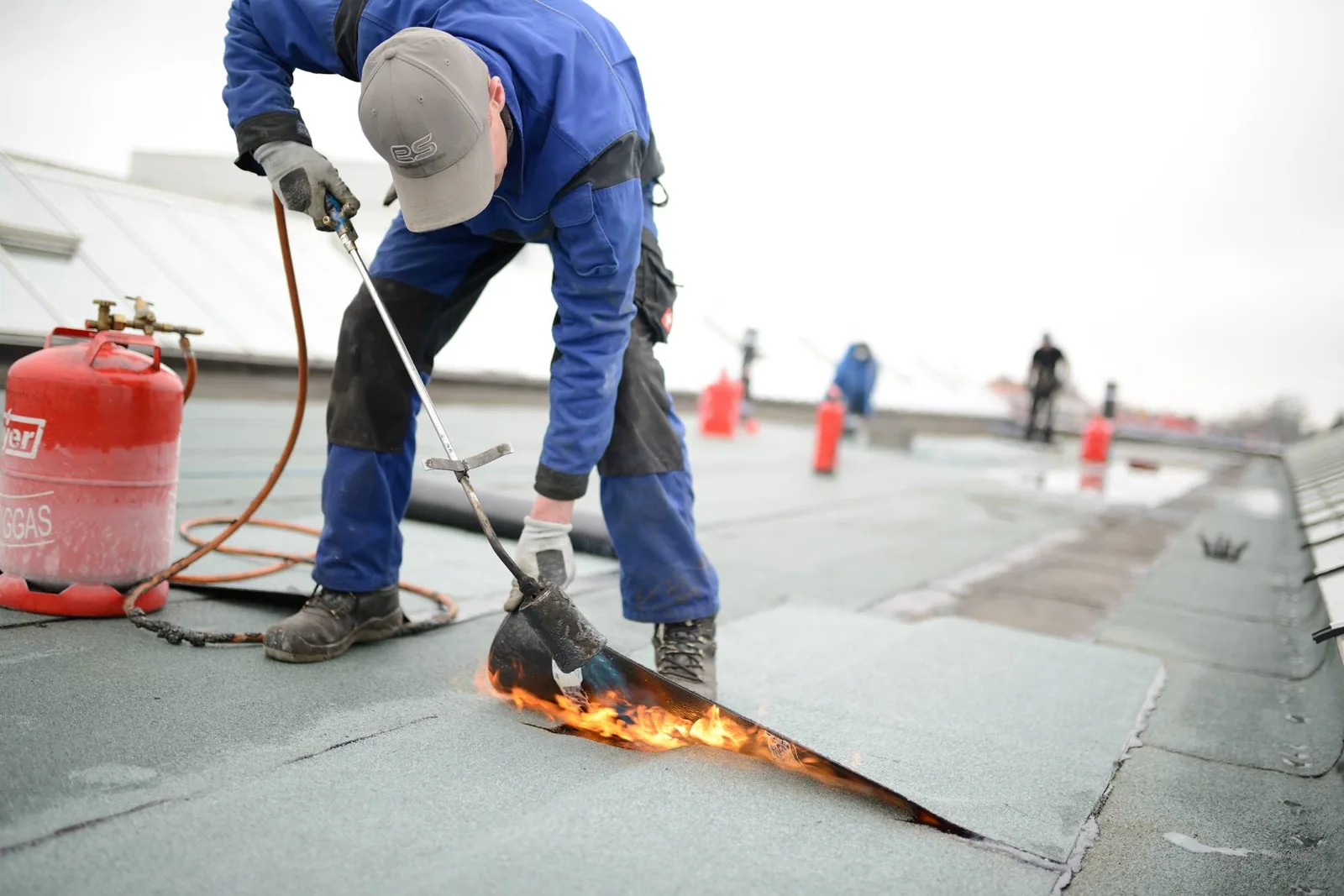
A maintenance hangar brings roof access, large door openings, mechanical equipment, and work below into the same scope decision. Before recommending a repair, we identify the assembly and the portion that can be inspected under the owner's access rules. A wide clear span may connect to offices, shops, or storage with a different roof system, so we label the sections rather than price the outline as one surface. The authorized facility contact sets entry, escort, tool, photography, and operating requirements. This roofing assessment does not imply that a contractor has access to or has worked at any particular installation.
In Killeen, recorded high temperatures and a documented hail event are useful inspection context, not a diagnosis. We note the actual seams, panel attachment, curb flashing, door transitions, edge metal, drainage and prior repairs that can be reached. A drone roof survey can help map visible conditions across a broad surface, while direct access is still needed to evaluate attachment and concealed details.
What changes at the door and high-bay transitions?
The roof-to-door interface can include a long wall transition, support steel, weather seals, track components, and drainage details. We inspect the flashing and adjacent roof edge at the positions the owner permits, then record whether water marks correspond with a visible opening. A door that cycles during the inspection may change the view of the seal or track, so the report notes how the detail was observed. We do not assume a leak at a door originated there; water may travel along deck ribs or framing before appearing inside.
On a low-slope portion, the review follows membrane seams, fasteners, penetrations, drains and scuppers. On a metal assembly, we check panel laps, clips where accessible, fastener condition and movement at transitions. A repair should describe the specific detail and adjacent material it relies on. If a support, frame or door mechanism needs evaluation beyond roofing, we identify that dependency. A clear-span hangar roof and an attached maintenance work area can require separate condition records when assemblies or operating limits differ.
Which observations need close access?
Aerial imagery can show broad ponding, debris, displaced objects or visible surface changes. It cannot confirm every seam attachment, corrosion depth, wet insulation boundary or underside condition. We note what was visible from the approved vantage point and list details that need a closer roof walk, test opening or specialty review. If access is restricted around a work area, the report keeps that section open rather than extrapolating from an adjacent bay. This distinction matters when the owner is deciding whether to repair a single transition or renew a larger portion.
Interior reports can help set the inspection route. We mark the location, timing and observed conditions below, then compare them with the roof section above. A moisture indication from infrared imaging is a lead for verification, not a standalone measurement of wet material. We can perform infrared moisture mapping and recommend an owner-approved test where the boundary affects removal quantities. A condition report should show the evidence, method, limitation, and next decision for every flagged area.
How does Killeen weather shape the work window?
During the 1991 to 2020 normal period, Killeen logged an average of 18.3 days a year whose high reached 100 degrees Fahrenheit. Hot surface conditions can affect membrane adhesives, sealants and coating application, so we check actual conditions against the specified product limits. A facility schedule should include time to prepare and close the assembly properly, not simply a target number of roof squares per shift.
One Killeen record from March 25, 2003 documents hail up to 1.75 inches and an F0 tornado on that date. A historical entry can guide a current inspection after a reported event, but it does not establish damage at a hangar or maintenance building. Killeen's major routes include SH 201, SH 195, US 190 and FM 3470; nearby Harker Heights connects to I-14 and I-35, supporting regional distribution. These broad routes may inform a delivery plan, while the facility determines its approved gate, route and staging location. A Clear Creek Road corridor visit is a geographic reference only, not a site access arrangement.
How should repair, recovery and replacement be separated?
Repair can fit a localized opening when the surrounding assembly remains sound and a compatible detail can be installed. If repeated failures, corrosion, widespread wet insulation or loose attachment appear across sections, a larger comparison is warranted. Recovery or coating requires adequate adhesion, dry substrate, workable drainage, secure attachment and sound edges. We state any test, structural review or owner approval needed before selecting that path. Temporary weather protection remains separate from permanent correction so each action has a defined purpose and closeout record.
A replacement scope should identify removal, deck assumptions, insulation, cover board, membrane or panel, perimeter metals, curbs, door interfaces, equipment protection and weather closure. Killeen's code list includes an amended 2024 International Building Code, effective January 1, 2026. Confirm the permit path for the project scope. The project team confirms permit applicability for the particular scope. We can compare a standing-seam assembly or a single-ply roof system where the existing structure and operating needs support that choice. A replacement option should use the same section boundaries as the repair alternative.
What keeps the hangar file useful after the crew leaves?
Retain the roof plan with bay labels, dated photos, inspection access notes, test results, approved work windows, and the daily closure record. The closeout should show what was removed or left in place, which seams or edges were repaired, and what remains outside the scope. If another trade changes a curb, door, exhaust or support, record the location so a later inspection can distinguish new work from earlier conditions. That history supports a more reliable replacement cycle review.
We can provide a written condition report, moisture map where appropriate, repair boundary and replacement comparison. Include the hangar drawings, maintenance-equipment layout, prior service record, and facility access process. We will identify what can be completed within the approved work window and what needs a separate decision. A Killeen service-area inspection starts with the actual property instructions, and each roof section remains tied to the observed assembly and its documented limits.
Commercial Roofing Questions
Can a maintenance building remain active during roof repairs?
The facility lead defines which bays and equipment must remain available. We can propose separated work zones, daily closure points and staging limits, then state where operating approval or a separate trade decision is needed.
Does an aerial view show whether insulation is wet?
It can help locate surface patterns or debris, but not confirm concealed moisture. We use direct inspection or an owner-approved test to verify areas that could change the repair or replacement boundary.
How should a large door transition be priced?
The scope should identify the roof edge, wall flashing, track conditions, drainage, access and any door-position limits. We separate observed roofing work from mechanical or structural work that needs another review.
Can roof work be performed over an active maintenance bay?
Only within an owner-approved work zone and schedule. We document overhead protection, tool staging, restrictions below, and how the roof will be closed against weather before the area is returned to use.
What would justify replacing a hangar roof instead of repairing it?
The decision depends on the spread of failures, material condition, attachment, moisture findings, drainage and the remaining serviceability of each section. We show the observed evidence and price comparable boundaries rather than infer a full replacement from one leak.
Compare the roof plan with facility operations
Provide drawings, door and equipment layouts, leak reports, access rules, and the preferred work window. We can document the approved sections and return a repair boundary or replacement comparison with weather closure and trade dependencies stated.