
Commercial Roof Replacement in Killeen, TX
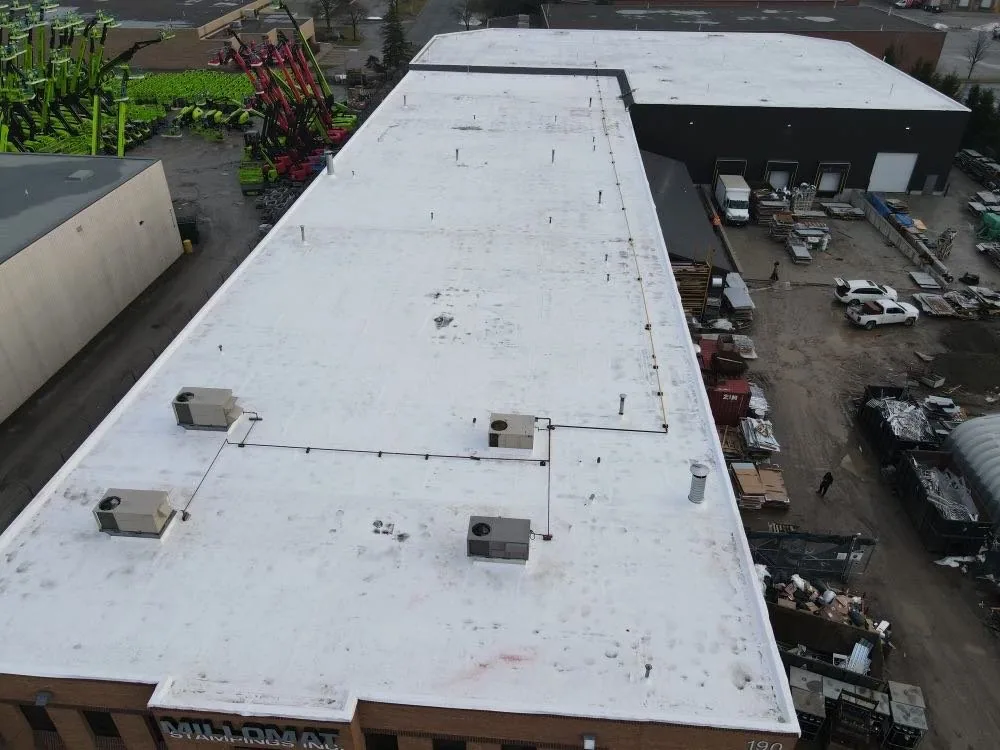
A replacement decision should follow the roof register, not a calendar date alone. We map each roof section, verify moisture and deck conditions, and separate work that must happen now from areas that can remain in service. A retail property along US 190 may need a different material route than a medical office near Rancier Avenue. The owner receives a scope boundary, assumptions, and sequencing notes that can be compared against the budget window before a tear-off date is set.
What Has Reached Its Limit?
We begin with the assembly and its record. The walk covers seams, flashing, penetrations, drains, perimeter metal, rooftop equipment, and prior repairs. Test cuts or cores verify areas that appear wet, while a deck check identifies movement or corrosion that may alter the work. The report distinguishes observed defects from conditions that remain concealed. That difference matters when an owner is comparing a localized repair, a recover, or a full removal across several buildings.
Killeen’s recent occupancy report recorded new or expanding commercial activity across restaurant, retail, childcare, education, medical office, and fitness uses. That mix does not tell us the construction of any one roof, but it does make access and tenant interruption real scope inputs. We identify which rooms, loading areas, or equipment need a protection plan, then connect the findings to a roof condition record and capital timing options. The estimate names the evidence supporting each replacement section.
Which Assembly Fits the Deck?
Deck type, attachment, insulation, slope, edge height, and rooftop use all shape the new assembly. We inspect what remains after removal and check that the proposed fastener or adhesive has a suitable substrate. A mechanically attached membrane may fit one roof, while an adhered system or modified bitumen may be a better match for another. Those choices are made from the measured roof and the required details, not a generic product preference.
The 2024 International Building Code, as amended, is among Killeen’s construction codes effective January 1, 2026. We describe the actual work, including any deck, structural, insulation, or system changes, and confirm the applicable permit requirements before materials are released. The roof system comparison can include TPO and modified bitumen when the deck and building use support those options. The owner sees the assembly assumptions and any unresolved test before approving a replacement scope.
For a multi-building owner, the replacement record should let each asset stand on its own. We keep roof areas, deck assumptions, and occupied hours separate so a larger building does not conceal a smaller section that can be repaired. The estimate can show base work and distinct alternates for drainage, edge metal, or equipment transitions. That structure helps the asset team compare the same scope across bids and phase work without combining unrelated conditions into one allowance.
How Will the Work Reach the Roof?
A tear-off plan is also a building operations plan. We divide the work into sections that can be removed, dried in, and secured before the crew leaves. The daily opening limit follows the forecast, roof condition, and available crew access. A weather hold may reduce production for that shift. At each transition, the new material must tie into a protected edge, and the next section should not open until the prior boundary is stable.
A map can estimate the drive into Killeen, but it cannot establish how a tear-off crew reaches a particular roof. Before setting delivery and lift times, we walk the gate, loading path, hatch, and any tenant restrictions with the site contact. The daily opening limit then follows the forecast and the crew’s ability to secure each transition before leaving. For a Business 190 property, deliveries may need a defined window; near North Killeen, occupied commercial uses may call for smaller work zones. Each route is confirmed at the property.
Where Will Roof Water Go?
Before the new membrane covers the deck, we review drain bowls, scuppers, overflow routes, crickets, low areas, and the slope between them. If insulation has settled or the deck deflects, surface replacement will not correct the water path by itself. We show any tapered insulation, drain adjustment, or structural review separately, with the measurement that supports the change. Parapet height, curb flashing, door thresholds, and expansion joints must also receive the new assembly without losing their required transitions.
Killeen averages 34.75 inches of rain a year, with substantial summer heat. The roof walk should map drainage and exposed details before a replacement boundary is set. Those climate records frame drainage and material exposure checks, but a property’s own roof conditions determine the scope. We inspect membrane seams after hot weather, review edge attachment, and document any ponding that remains. A drainage detail or cover board change can be included when the field findings support it. Our Rancier Avenue roof walk follows the same property-specific measurement process.
What Goes in the Final Record?
Closeout should show what changed and what remained. We photograph the deck before cover, each tie-in, edge and curb detail, and the completed roof sections. The roof register notes the system installed, unresolved conditions, and the inspection trigger for follow-up. If the replacement included only selected sections, the plan marks the boundary between new work and retained roof so future repairs do not land on the wrong layer.
Killeen has experienced hail and a documented tornado event; those events guide what we inspect but cannot establish damage at a specific roof. Those records support a post-event inspection plan, but they do not show that a particular asset was damaged. We use the completed photos as a baseline for later checks. A maintenance schedule can track drains, seams, and equipment changes, while downtown Killeen properties can coordinate inspections around business access. The closeout identifies who owns each remaining item and when it should be revisited.
After turnover, the asset team can assign the next check to the person who manages roof access, set a review date, and keep the replacement record with the lease or facility file. If the work includes a remaining older section, that roof receives its own condition note and inspection trigger. The record makes a later leak call easier to compare with the completed work instead of treating the whole property as one undifferentiated roof. It also supports planned inspections and future repair approval.
Commercial Roofing Questions
Can the replacement be limited to one building in a portfolio?
Yes. We evaluate each roof by section, assembly, moisture, deck, and operating constraints. The report can separate the building that needs replacement from assets that remain serviceable or need repair only.
How do you compare replacement with a recover?
Moisture, deck condition, existing layers, attachment, drainage, and code scope decide whether an overlay is suitable. We verify suspect areas and show removal assumptions before comparing the two options.
Will summer heat change the work plan?
Heat can affect safe work periods and material handling. We schedule openings and tie-ins around conditions on the roof, then document any weather hold that changes the daily sequence.
What code applies to a commercial roof replacement in Killeen?
Killeen’s construction codes include the 2024 International Building Code as amended. We confirm which provisions and permits apply to the specific roof scope with the city before work begins.
How do you keep an occupied property operating during tear-off?
We agree on protected rooms, entry routes, loading windows, equipment restrictions, and daily work limits with the facility lead. The roof is opened in sections that can be dried in and secured before the crew leaves.
Compare the Replacement Scope
Request a roof walk with access to the deck, drainage, and prior repair records. We will map the condition by section and return scoped options that can be reviewed against your operating needs and budget window.