
Roof Damage Repair
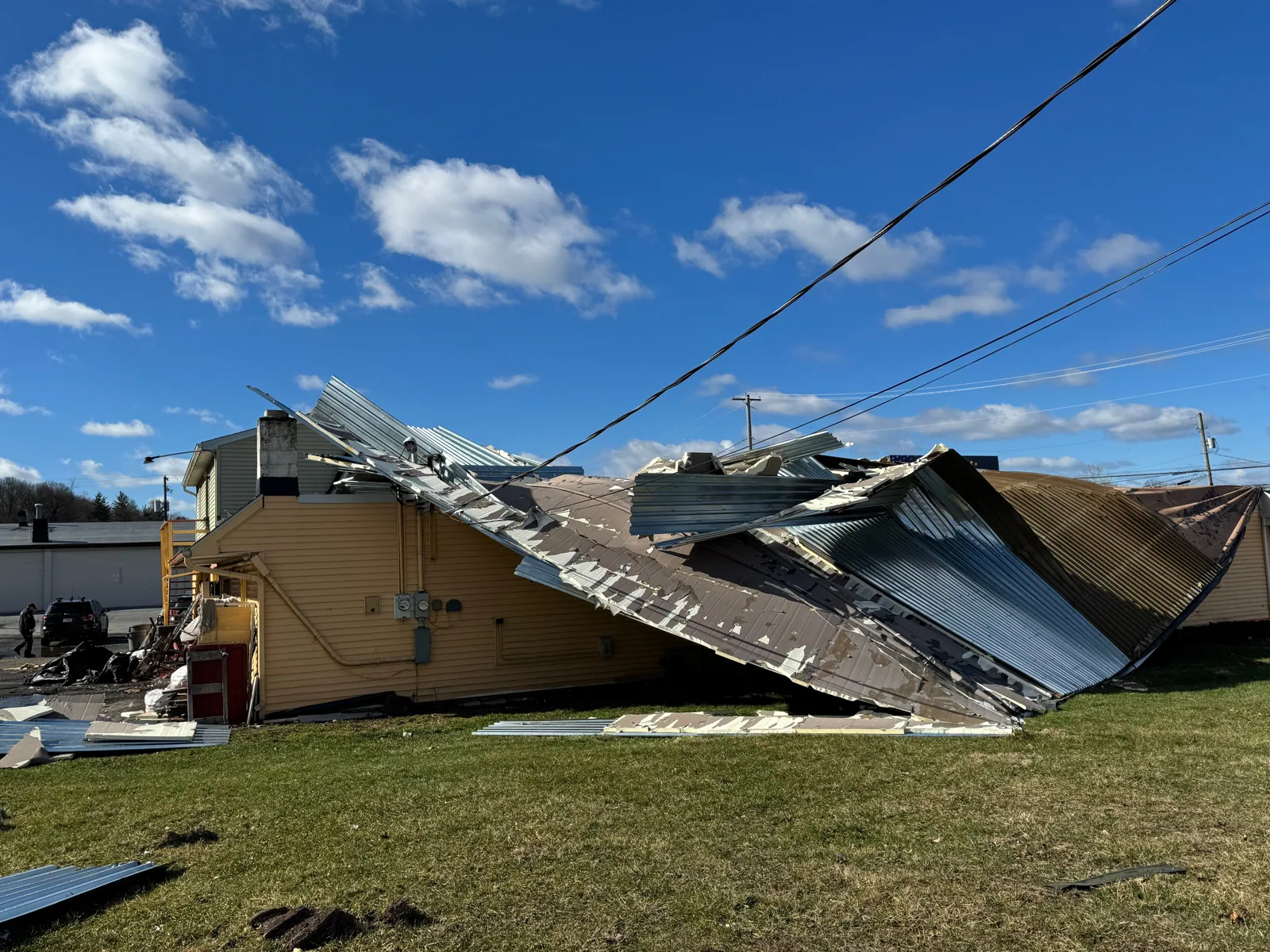
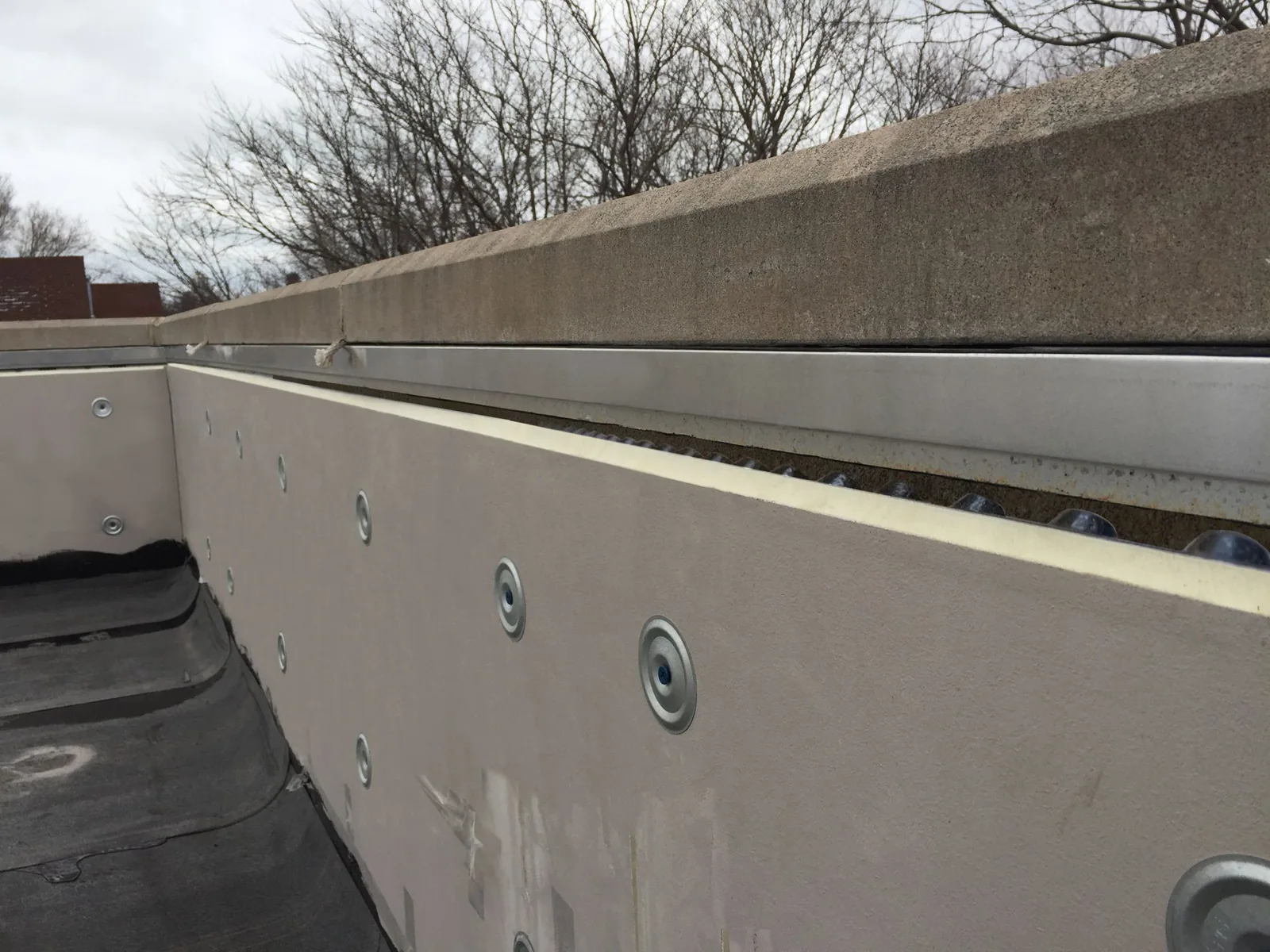
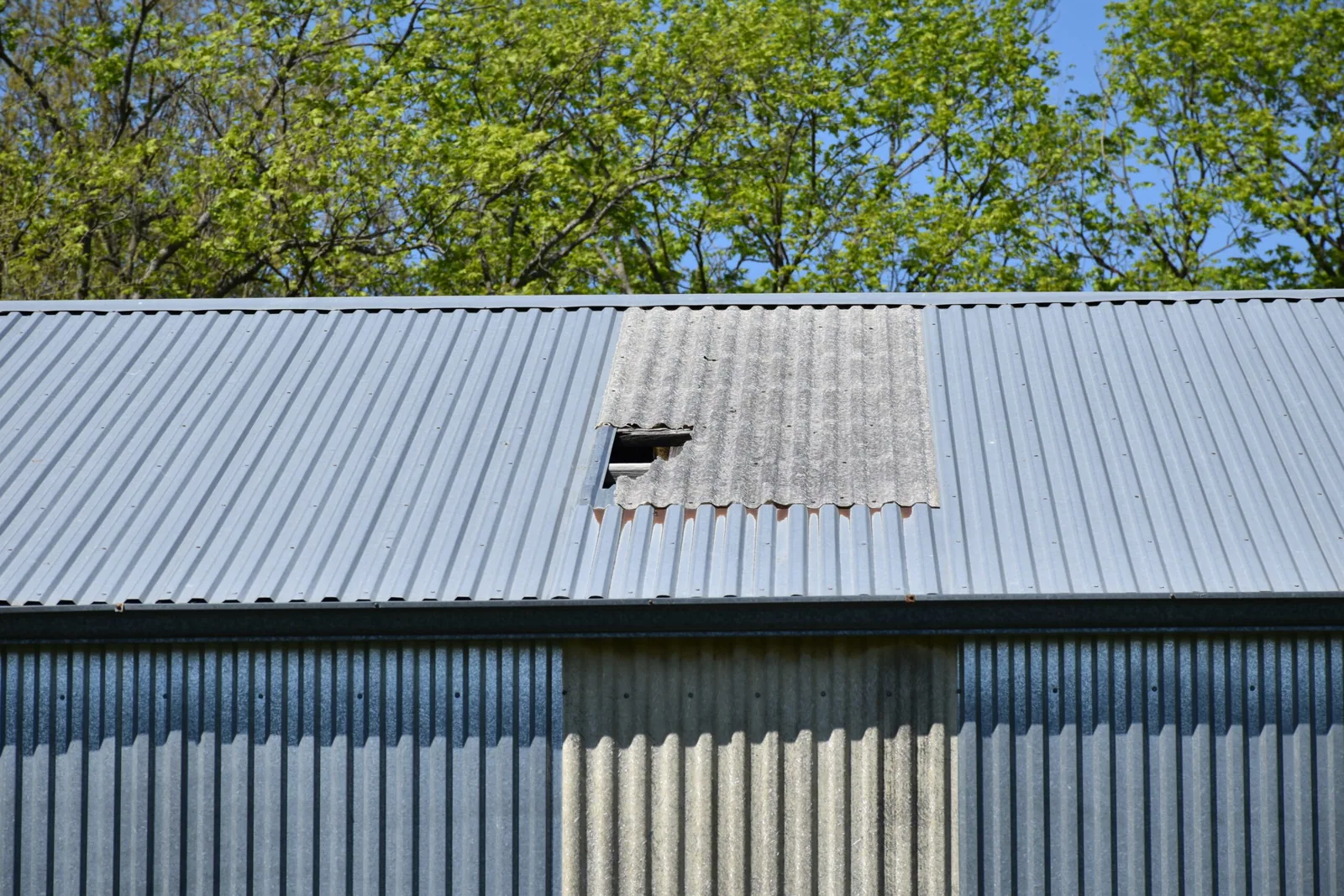
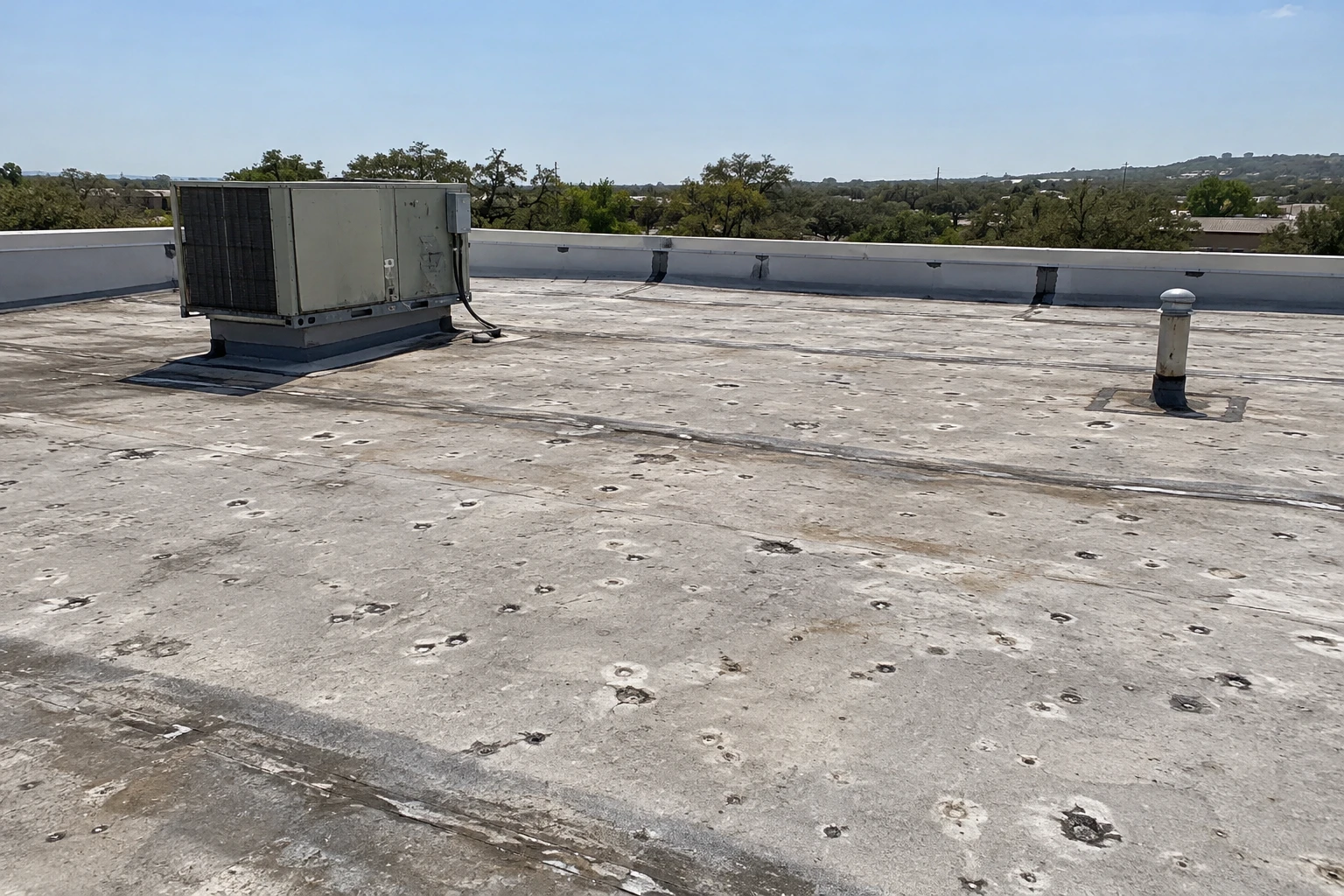
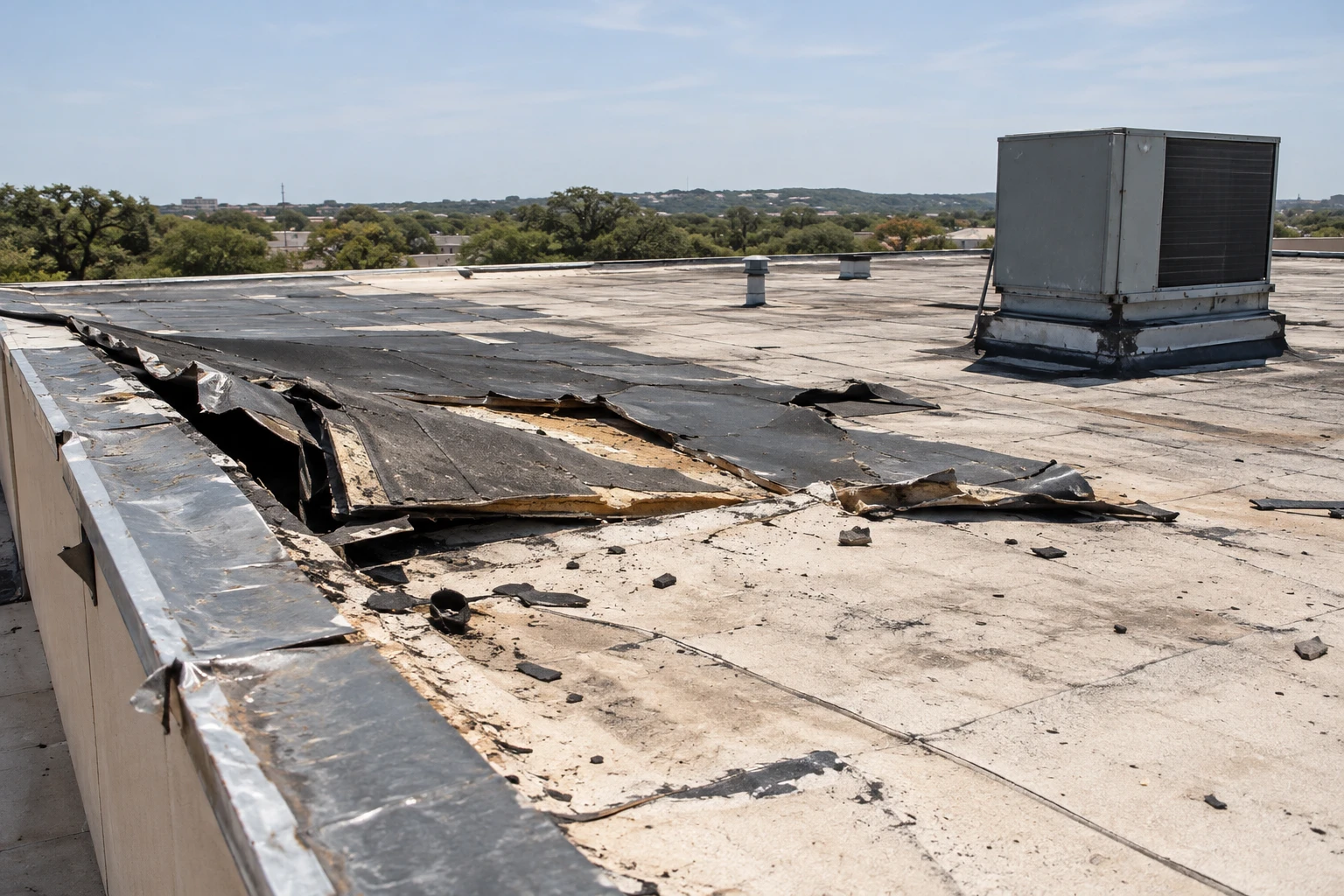
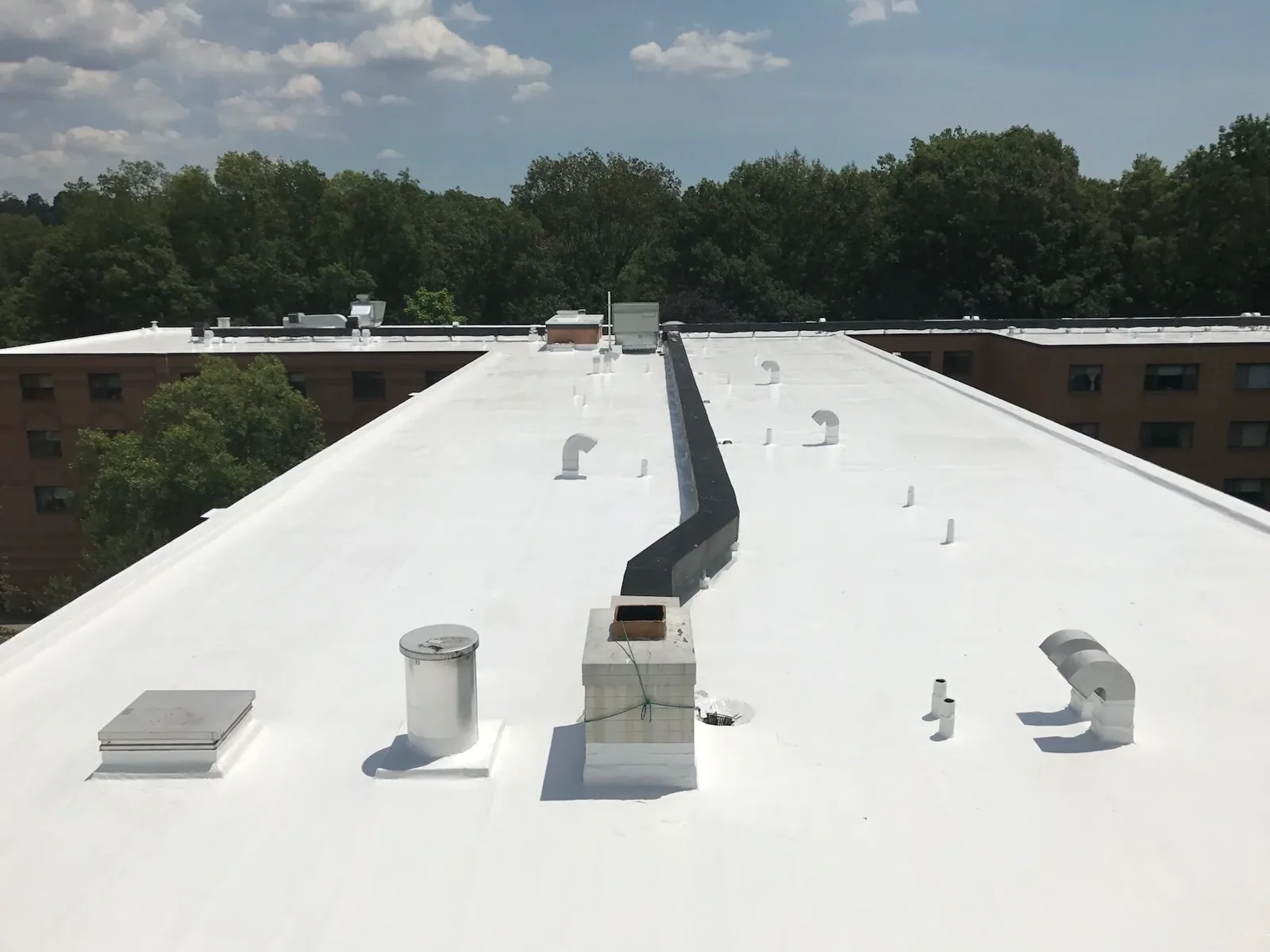
Interior reports and roof evidence need the same location key. A ceiling stain, loose edge, puncture, or wet insulation should be tied to a roof section and the detail that could explain it. Killeen's March 25, 2003 storm record includes 1.75-inch hail and an F0 tornado, but a current claim still needs its own event date and property observations. Start with wind damage review or the relevant condition, then keep temporary protection separate from the permanent repair quantity.
What does the reported event establish?
Preserve the reported time, weather notice, interior location, and photographs before temporary work changes the surface. A hail damage assessment records visible marks on membrane, metal, equipment, and flashings without assigning a cause beyond what inspection can support. For a tornado-related roof review, map each observed shift, opening, or debris impact to the building instead of extending a regional description to every roof.
How should a water path be traced?
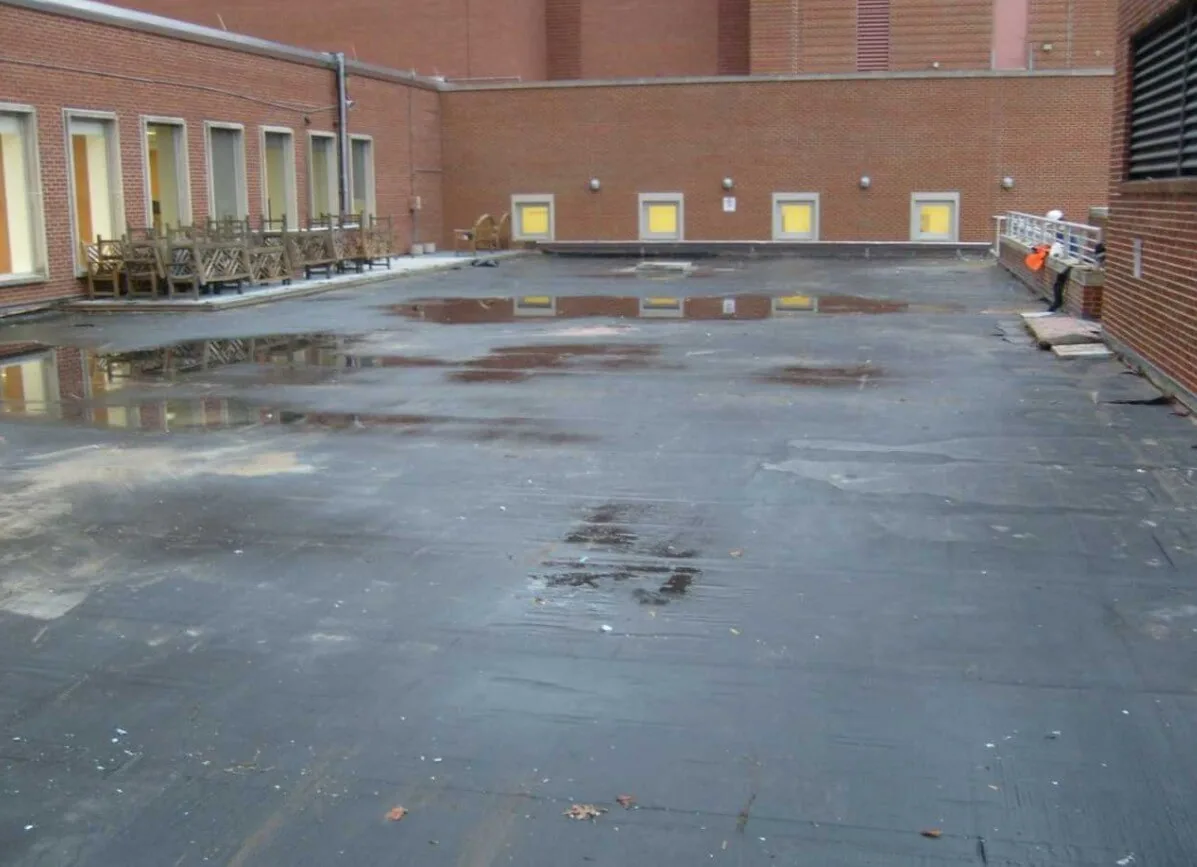
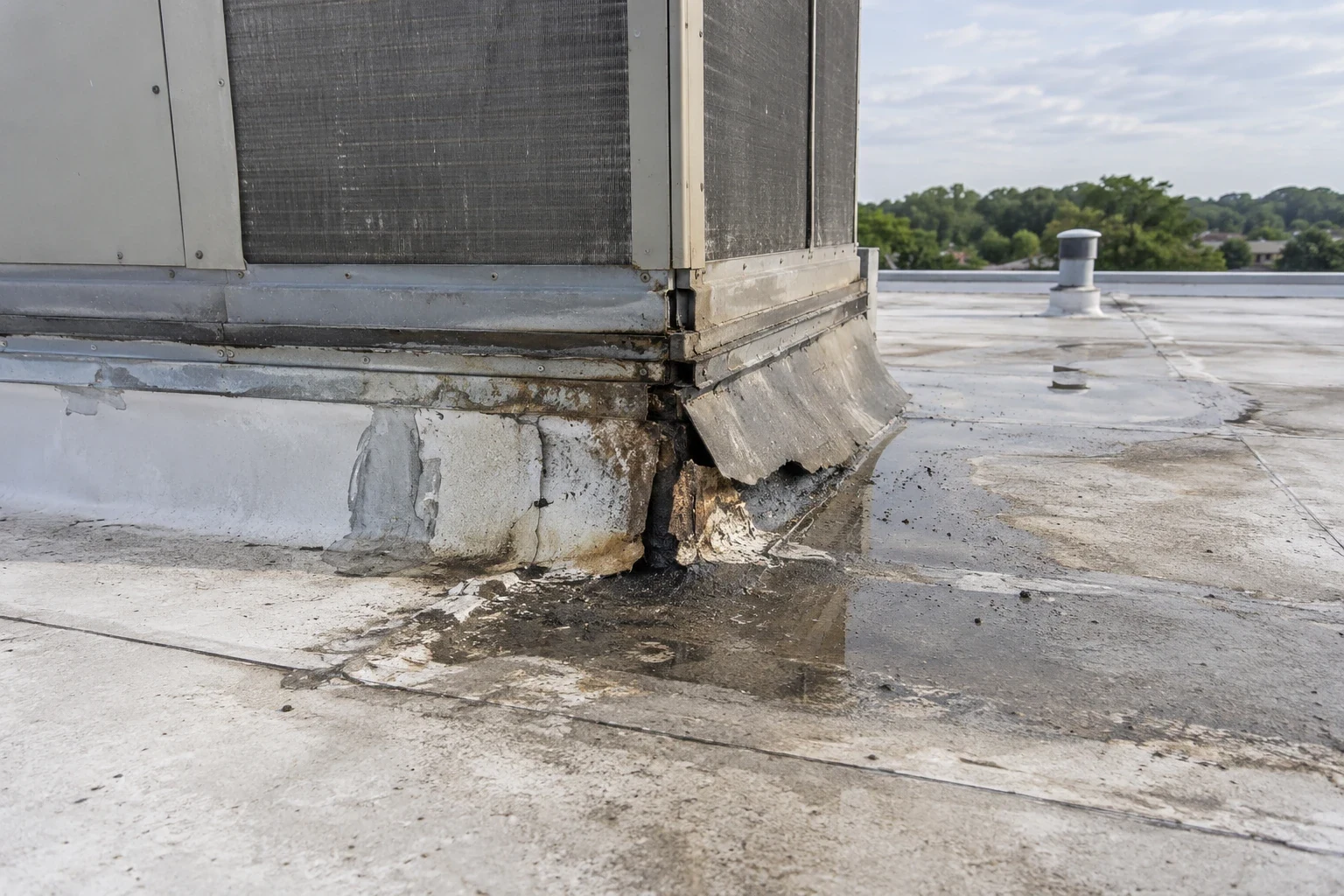
Water may travel before it reaches an occupied room. Relate the interior report to seams, penetrations, drains, walls, and rooftop units on the roof plan. A ponding-water condition or flashing failure can require different work even when the ceiling symptom looks similar. Photograph likely paths and note access limits; a test opening should be placed where its result could change the repair boundary.
Which failures need a section-level record?
Membrane puncture, seam separation, heat-related wear, and fire exposure do not produce the same scope. Map the assembly, prior repairs, insulation condition, and adjacent details before pricing removal. Seam failure repair should show the affected length and tie-in, while a membrane puncture scope identifies the opening and compatible restoration. A roof section boundary keeps a local repair from being described as a whole-roof condition.
When should temporary work become permanent scope?
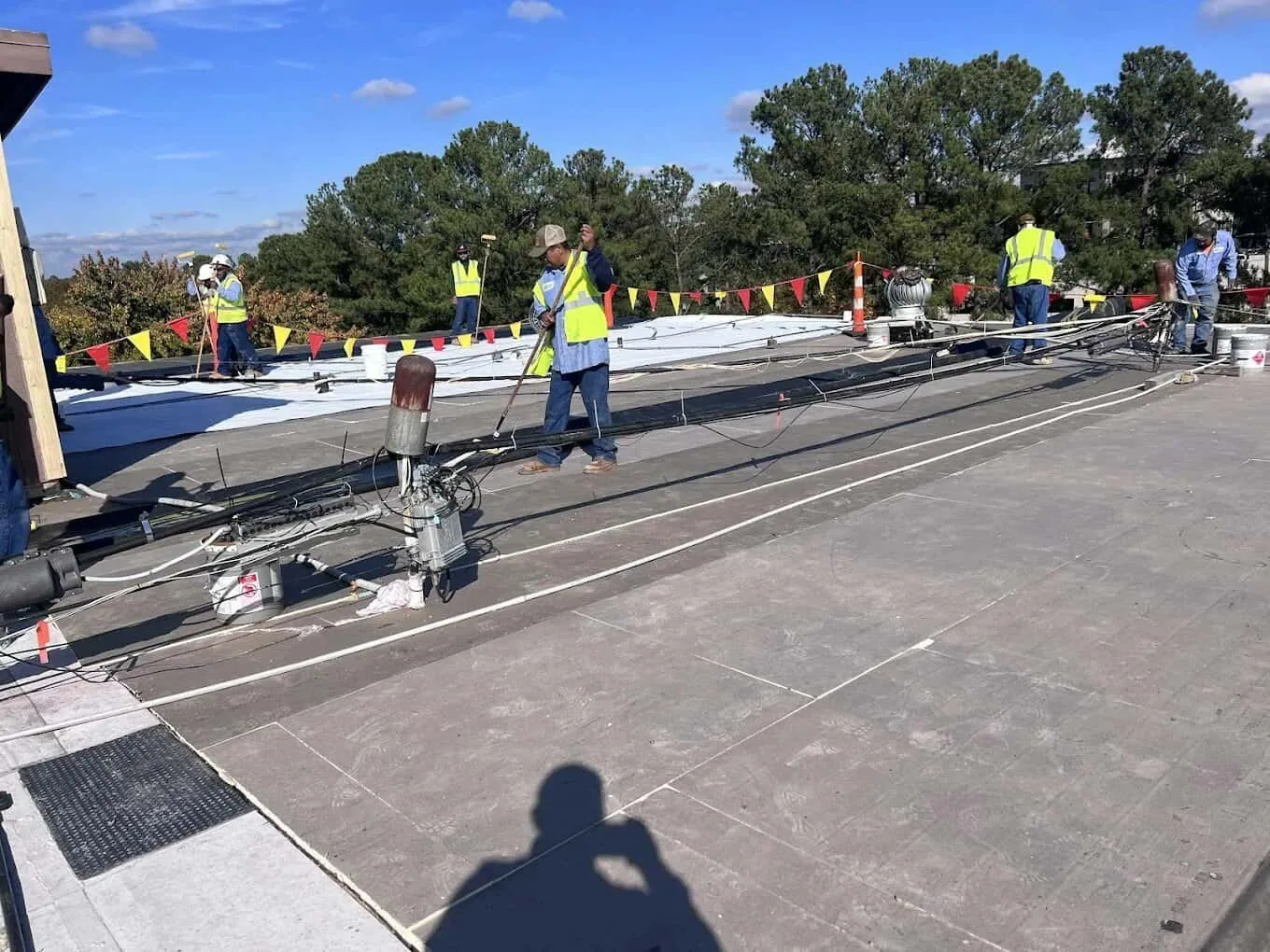
Temporary dry-in controls immediate exposure; it does not settle the repair. Record material, placement, date, and inspection limitations, then return to check the underlying detail when conditions allow. Claim documentation assistance can organize dated photographs, observed conditions, and measured quantities without promising a carrier decision. The owner can compare repair and replacement only after the affected section, concealed-condition allowance, and exclusions are stated.
Commercial Roofing Questions
Does a weather event by itself set the repair scope?
No. The scope follows the roof conditions observed at the property, the event information provided, and any test needed to define concealed damage. We keep the event record and roof finding distinct.
What should be documented before emergency protection?
Photograph the reported interior condition and accessible roof detail, note date and location, and record what the temporary material covers. The permanent inspection can then identify where the assembly needs further review.
Can one storm report cover multiple properties?
Each property needs its own location, event date, roof map, observations, and scope. Shared portfolio records can organize the files, but one building's findings do not establish another building's condition.
When is a test opening useful?
Use an opening where the result could change removal quantities, reveal assembly layers, or clarify a moisture path. Record who will restore it and how the finding changes the scope before work begins.
Document the roof condition before pricing permanent work
Share the event date, roof plan, affected areas, and any temporary protection record. We can map observations and return a defined repair boundary.