
Industries We Serve
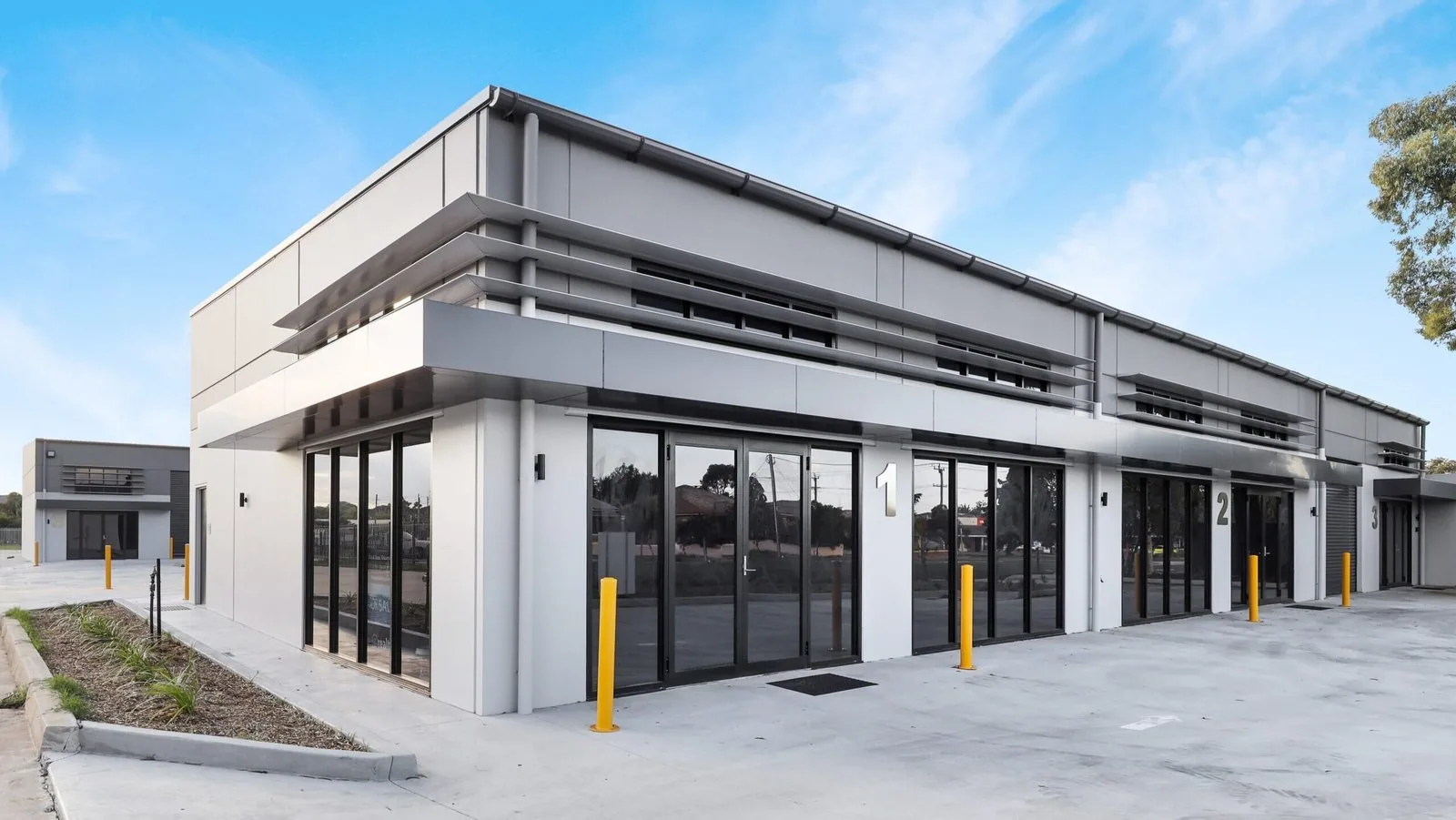
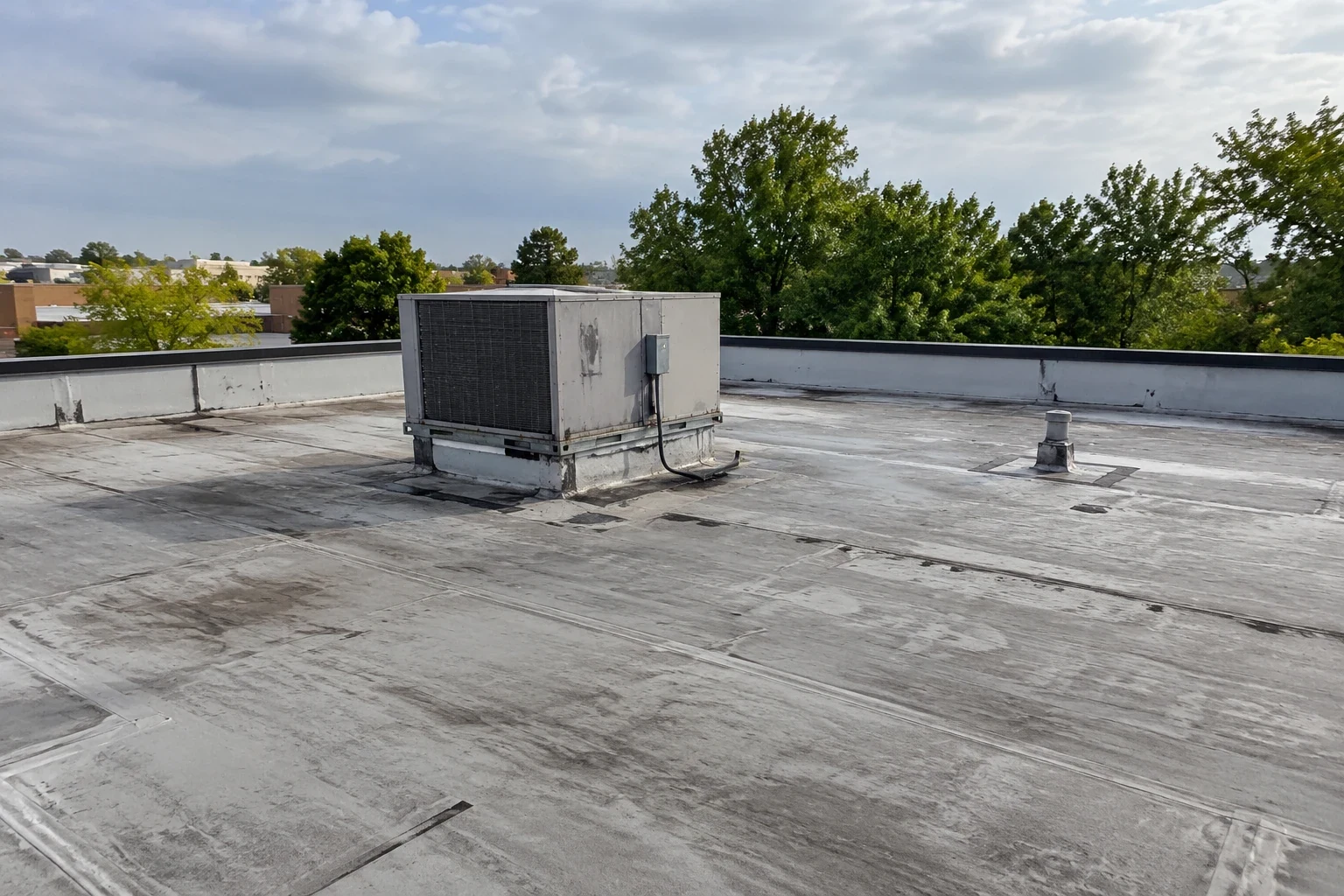
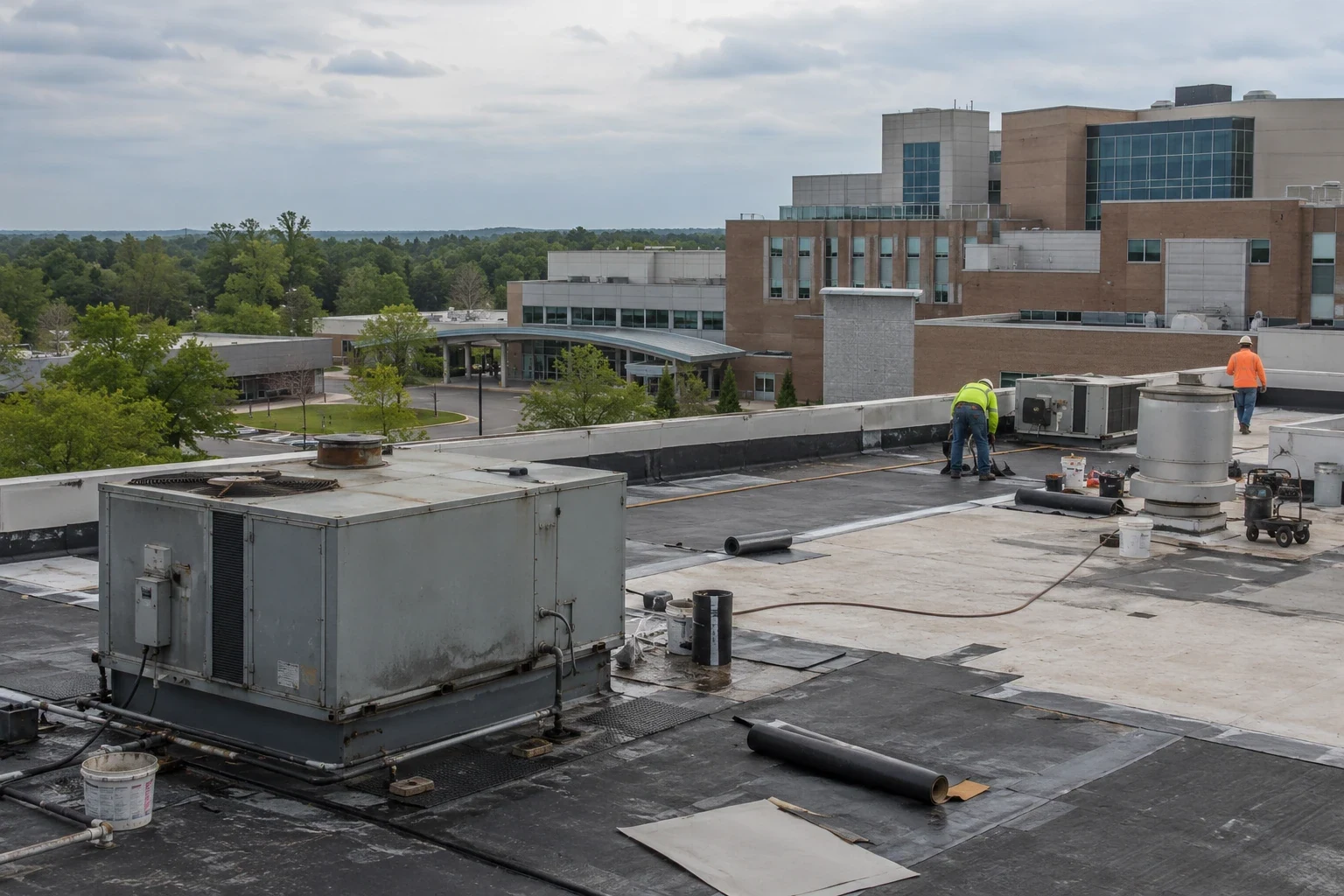

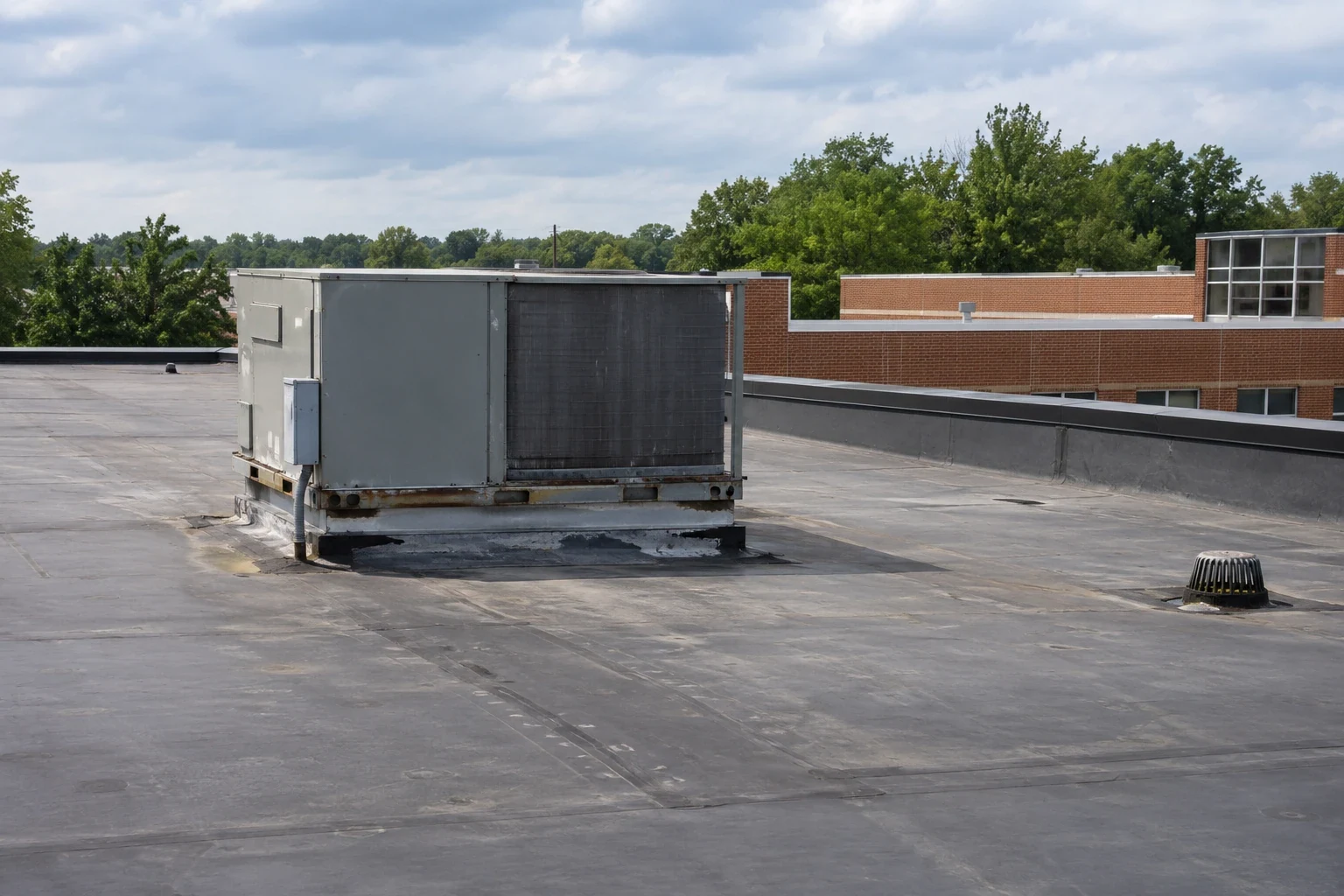
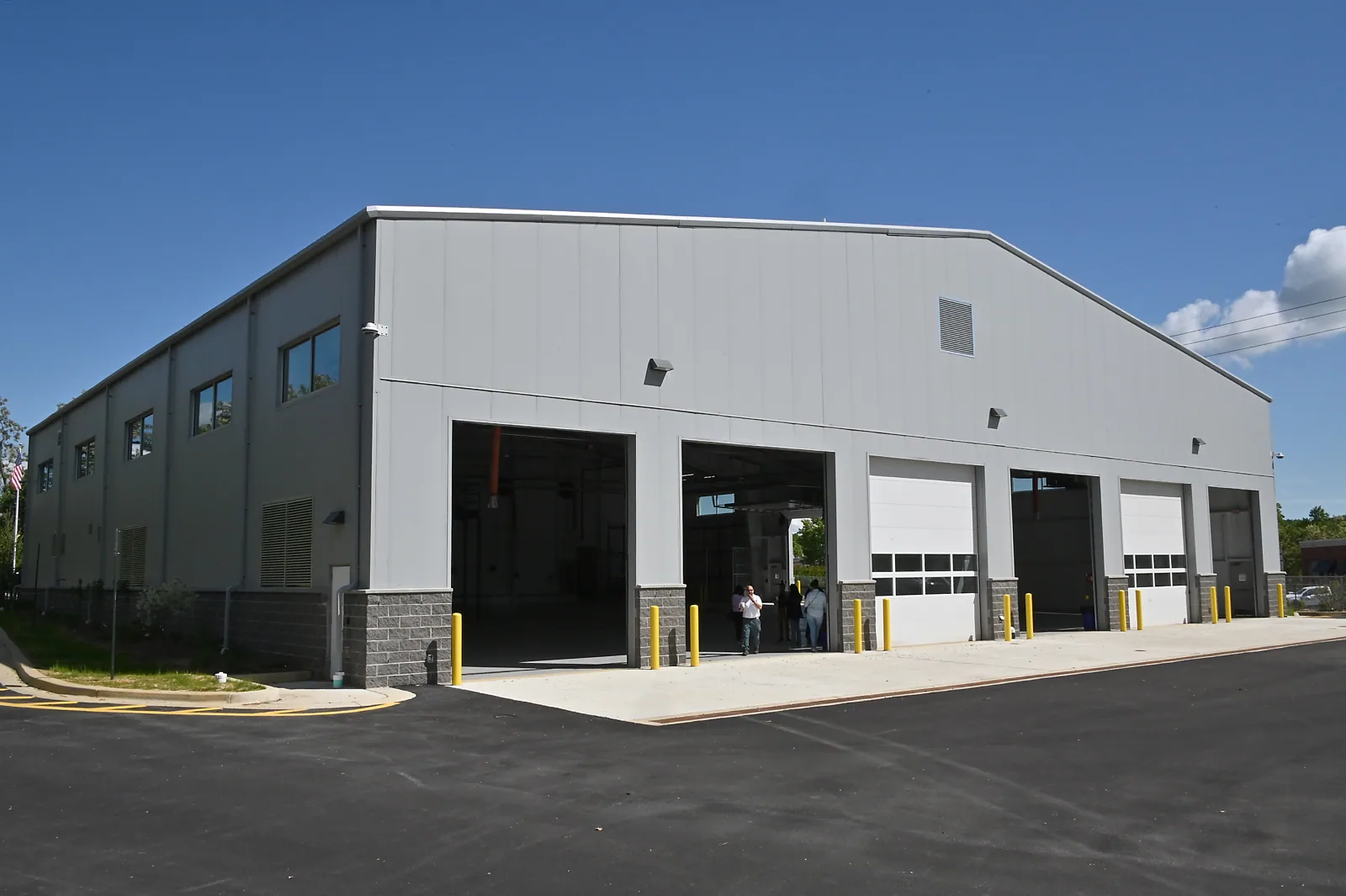
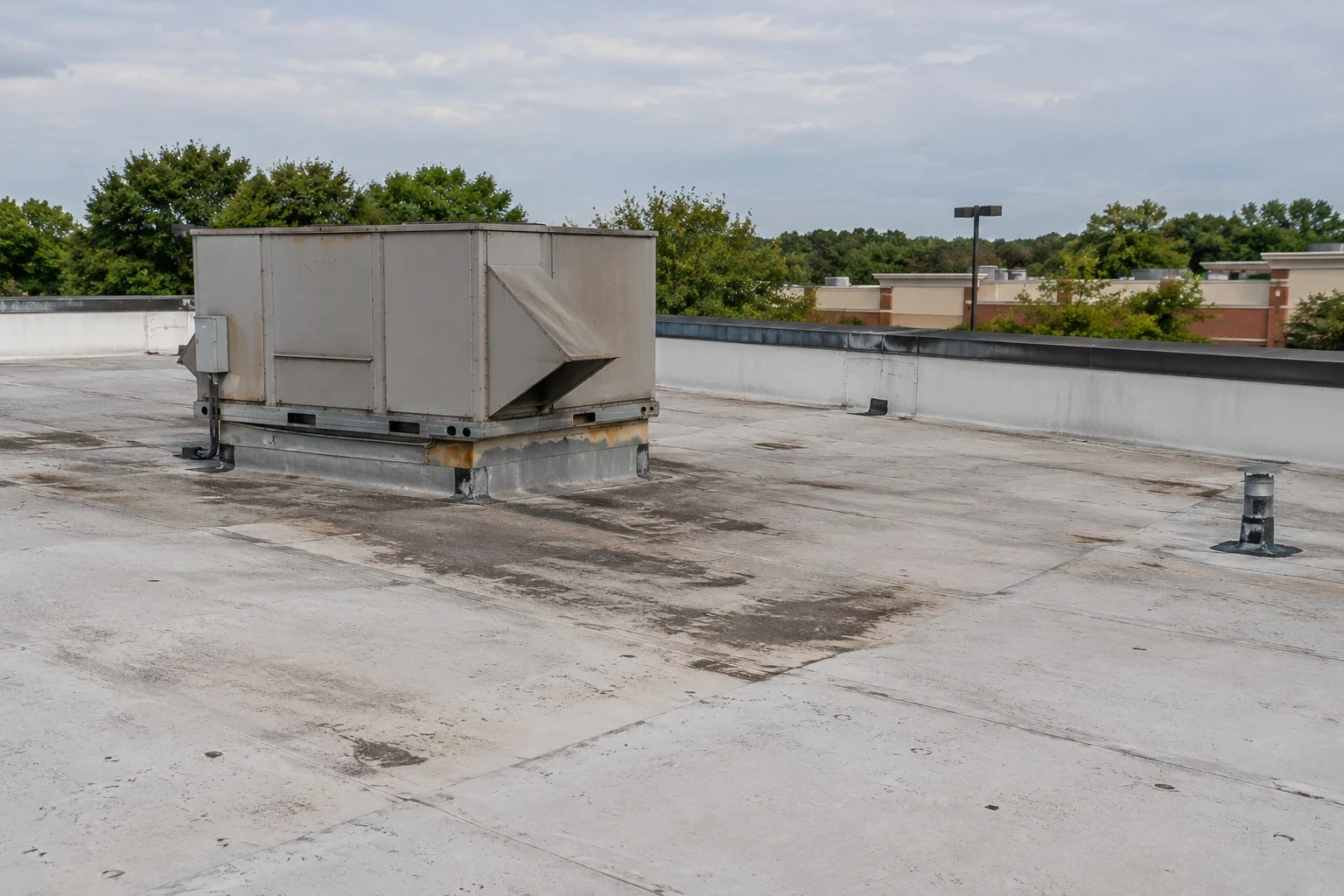
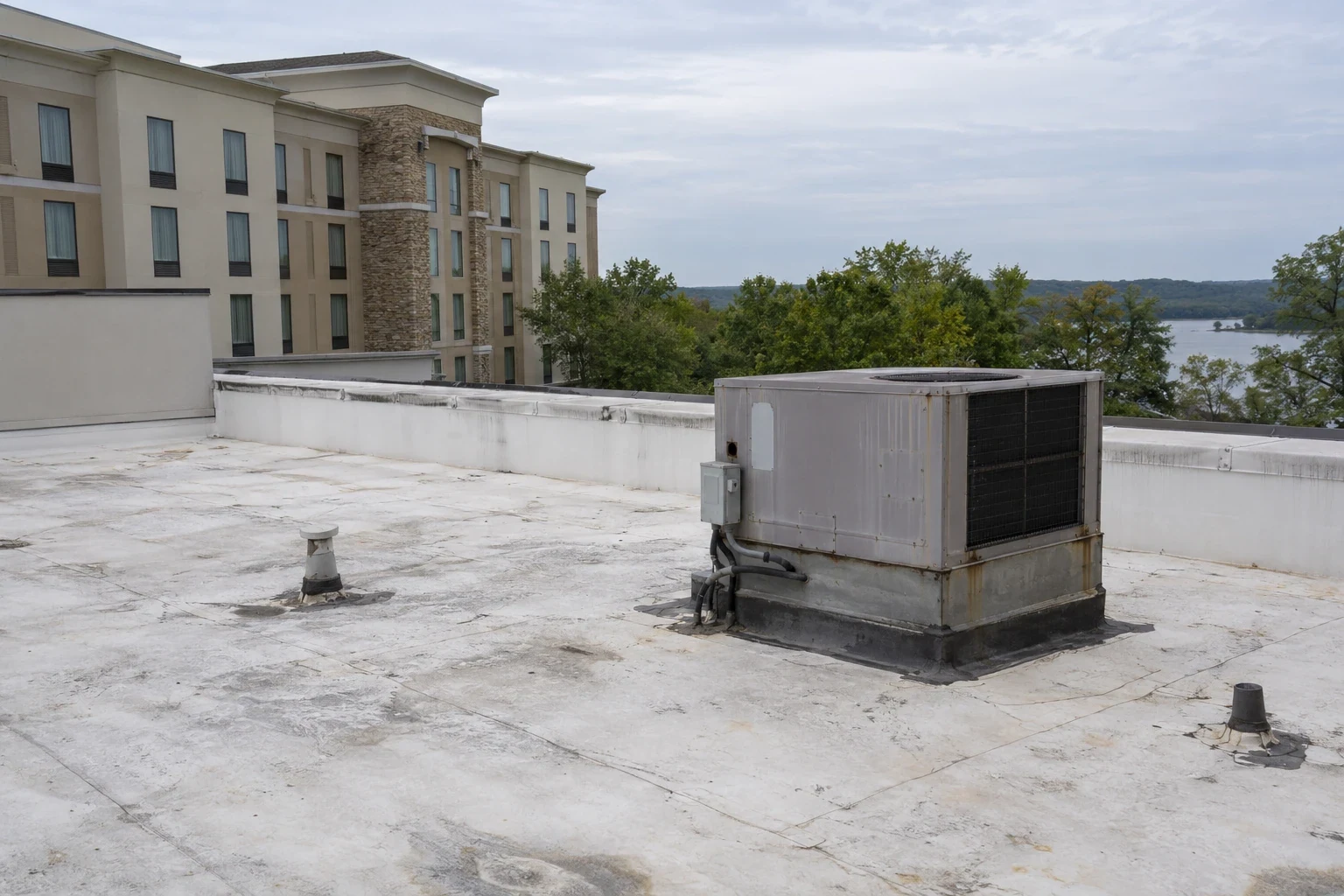
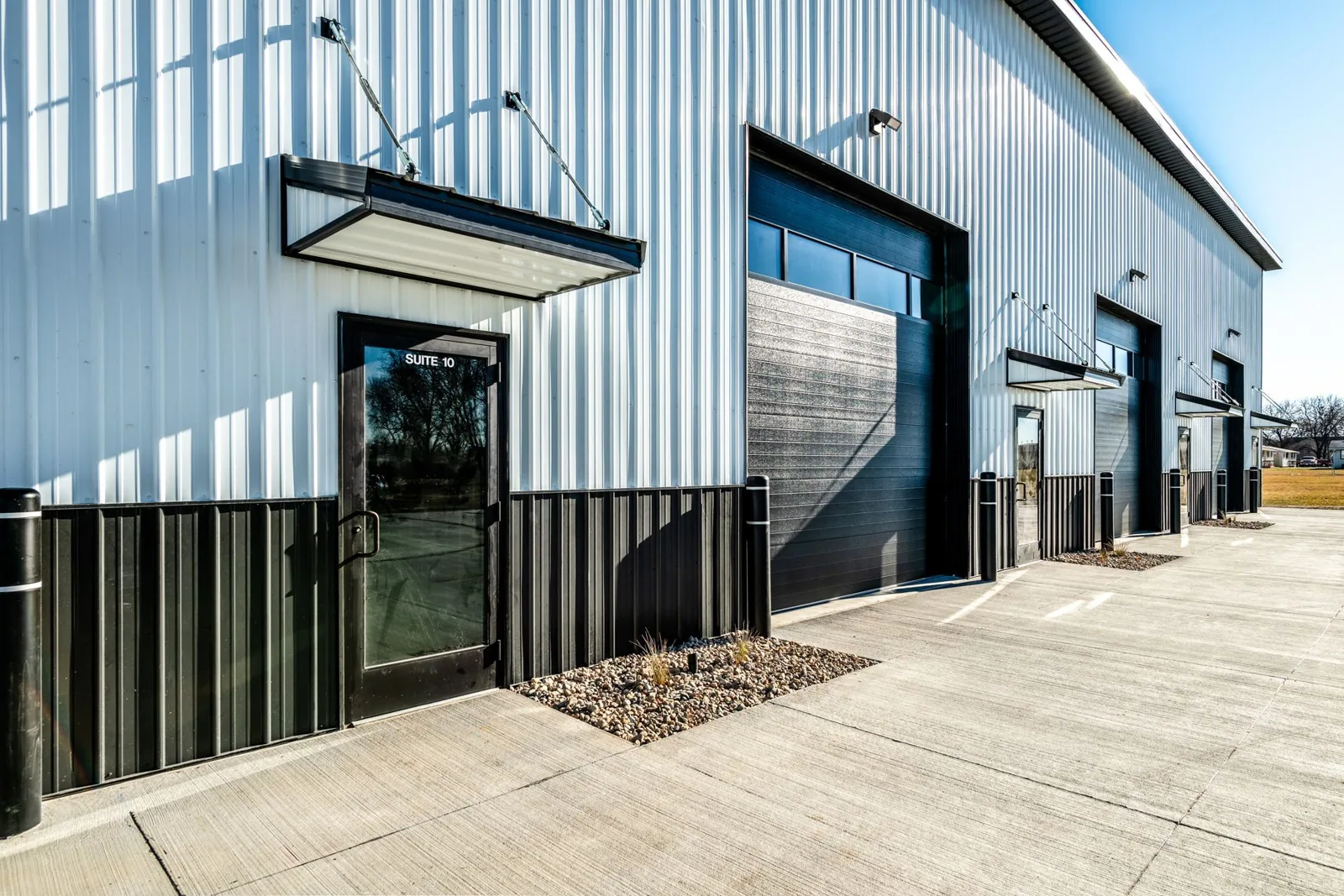
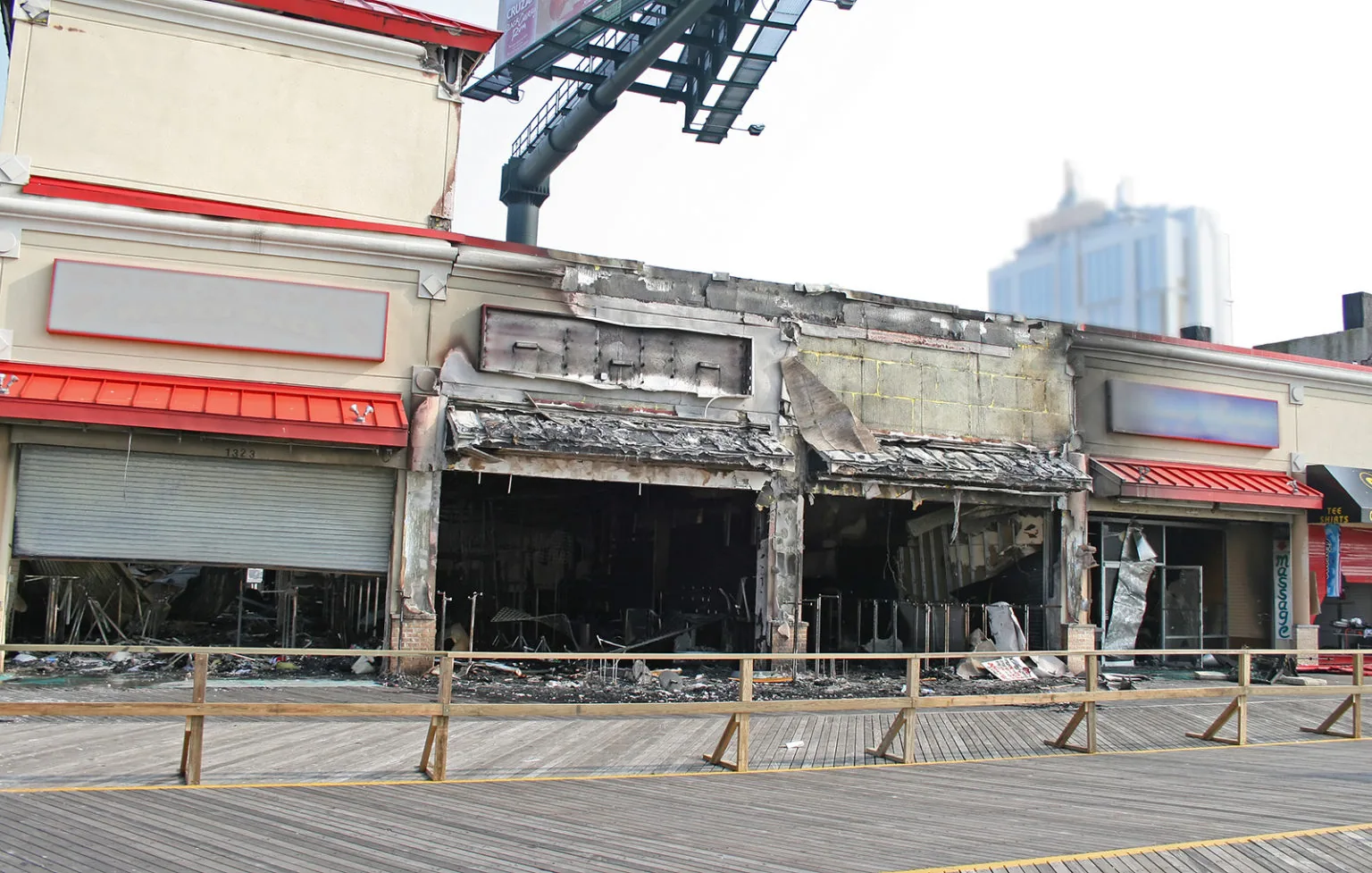
The operating use changes what a roof scope must protect and who needs to approve access. Killeen's listed employment figures include 5,094 jobs in arts, entertainment, and accommodations, and 5,334 in retail. Those are industry job counts, not a measure of roofs or properties. An owner should start with the building's assembly, work hours, equipment, tenant routes, and the decision the roof record must support. Use the property management or healthcare scope as a starting point, then map each site separately.
Which portfolios need a shared roof register?
Property managers, real estate investors, and multi-location operators benefit from consistent roof-section names, repair histories, photographs, and condition ratings. A shared format makes buildings easier to compare, but it should not flatten their differences. Investor portfolios may need a capital view, while retail and restaurant groups need tenant access and delivery constraints recorded with each roof.
How do occupied operations affect roofing work?
Healthcare, hospitality, and school facilities often need clear work zones, noise windows, access routes, and equipment handoffs before crews mobilize. A school district roof plan should distinguish classroom and service areas; a hospitality scope must identify room or function restrictions. We set the proposed roofing boundary and identify decisions for the owner or another trade rather than treating the building use as a roof condition.
What belongs in industrial and contractor coordination?
Manufacturing and logistics roofs can carry penetrations, exhaust, rooftop equipment, and work schedules that intersect with production or delivery. Manufacturing roof scopes and logistics properties benefit from a marked equipment plan, section-by-section sequence, and weather-tight handoff. General contractors need the same clarity in bid boundaries, submittals, testing, and changes. The record should make the roofing trade's limits explicit.
Where do agencies and claim teams fit?
Public work can involve procurement steps, permit review, inspection records, and closeout documents that need an assigned owner. An agency roof program should tie each decision to its project file. For a storm loss, insurance restoration documentation organizes photographs and observed conditions without promising a coverage result. The same roof map can support the work order and later review when the scope is bounded clearly.
Commercial Roofing Questions
Can one inspection format cover different property types?
A common format helps compare sections, but each building needs its own assembly, access limits, operating constraints, and repair record. We keep shared portfolio fields separate from the findings at each roof.
What should a portfolio owner compare first?
Compare the same condition categories, roof boundaries, observation dates, and unresolved tests. Then separate urgent work from capital timing so one site's repair need does not define another site's budget.
Do tenant requirements belong in the roofing scope?
They belong in the operating plan. The owner identifies restricted hours, routes, entrances, and equipment contacts; we place those limits into the proposed sequence and weather-tight handoff.
How should a claim file differ from a maintenance record?
A claim file links observations to a reported event and preserves dated evidence. A maintenance record follows recurring condition, prior repairs, and planned work. Keep both tied to the same roof plan.
Set the roof record to the operating use
Send the portfolio or property list, roof plans, and access limits. We can document each roof section and return scopes that keep site conditions distinct.