
Commercial Roofing for Manufacturers in Killeen, TX
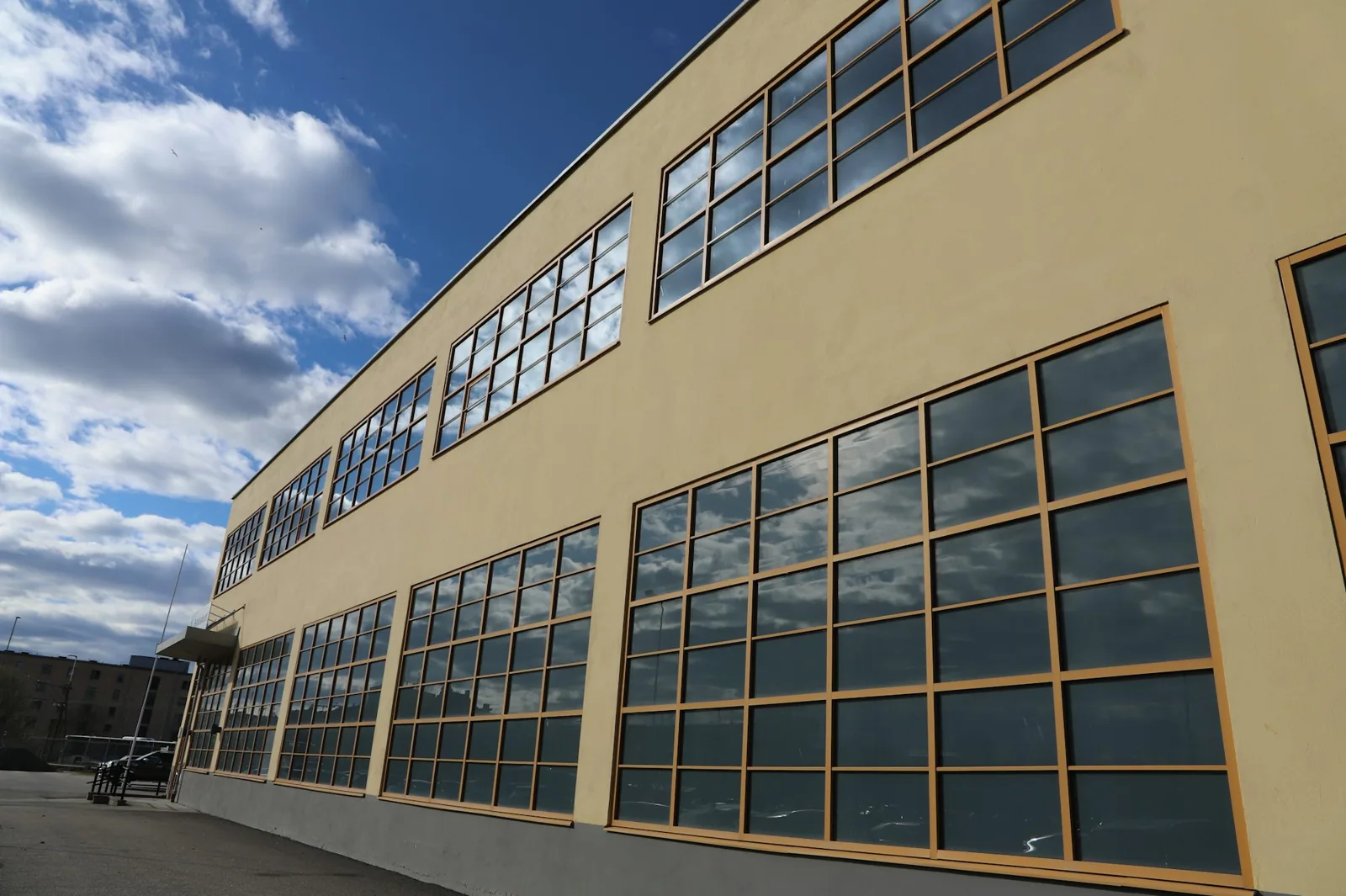
A production roof is part of the building envelope above equipment, inventory, electrical systems, and work areas that may not be available for an open-ended shutdown. We start with the plant layout, roof assembly, known leak or maintenance issue, and production windows the owner can approve. The inspection maps roof sections rather than treating a large footprint as one condition. We identify penetrations, curbs, exhausts, piping supports, drains, and any area where another trade must coordinate before roofing can proceed.
Harker Heights' business-attraction plan targets advanced-manufacturing suppliers and industrial employers as opportunities, and describes I-14 and I-35 access as a distribution advantage. That is regional planning context, not proof about an individual plant. For the specific building, we tie each recommendation to inspection evidence. A plant roof inspection can map findings and limits.
Which production limits shape roof access?
The facility contact identifies shift changes, restricted work zones, hazardous processes, crane or exhaust activity, and the routes that must stay clear. We propose a roof access path, staging point, delivery window, and work area for the owner's approval. If a section sits above an operating line or sensitive equipment, the plan must show what overhead protection is proposed and who confirms the area is ready. Roofers cannot decide that production may continue under an open roof section.
Some tasks can be sequenced by bay or elevation; others may require the owner to isolate equipment or suspend a process. We identify the effect of tear-off, adhesive use, fastening, noise and vibration so the plant can make that call. Daily closure needs time for the roof to be secured against weather, with penetrations and temporary openings recorded. A phased installation plan can minimize the active work area, but the production manager sets operating limits and restart approval.
How do rooftop utilities affect the repair boundary?
Exhausts, conduits, curbs, piping, and service supports can interrupt membrane or metal-panel continuity. We inspect flashing height, attachment, counterflashing, sealant condition, and water path around each accessible penetration. If a mechanical item needs to be disconnected or moved, the scope identifies that dependency rather than treating it as roofing labor. A utility map and roof plan help us label the detail; the facility confirms which equipment remains live and who can authorize isolation.
Water entry near a penetration may travel along the deck or framing before reaching an interior work area. We document the reported location and test the surrounding assembly before naming a permanent repair. A roof-mounted pipe support that has shifted may require both roofing and mechanical coordination. If replacement is under consideration, details need to be designed for the actual equipment arrangement. A curb and support review can be scoped alongside the membrane work, with any structural or mechanical review kept as a separate approval.
What local exposure should the plant roof record capture?
Production schedules can make a narrow installation window costly. Before applying an adhesive or coating, the crew checks actual substrate and air conditions against product limits, then coordinates any pause with the line supervisor. Inspect exposed seams and equipment transitions as part of the roof record, but distinguish ordinary weathering from a defect that needs repair. A calendar or regional average cannot establish what a particular roof surface has experienced.
The annual precipitation normal for Killeen is 34.75 inches. A building's drain condition and water path require a separate inspection. For a plant, the useful inspection question is how the roof handles water at drains, valleys, scuppers, and transitions near equipment, not whether a city total predicts a leak. Killeen and Harker Heights both include industrial planning context, and the Killeen service area and Harker Heights are nearby municipal context. We confirm the actual delivery route and gate with the plant contact rather than infer access from a map.
When should maintenance become a capital project?
A maintenance repair can address an isolated seam, curb, drain or perimeter defect when surrounding material remains sound and dry. Widespread wet insulation, recurring failures across sections, loose attachment, or deteriorated deck conditions may require a larger comparison. We mark the observations and tests behind that recommendation. An infrared pattern can prioritize an opening, but the owner should confirm concealed conditions before removal quantities are fixed. Emergency covering protects an opening temporarily; it does not replace the permanent scope.
For a multi-building portfolio, compare each roof by area, system, access limits, and consequence of interruption instead of ranking projects by age alone. A useful capital table separates confirmed defects from suspected conditions, records the test or opening that would resolve each uncertainty, and identifies the decision date needed to reserve a production window. Keep contingency quantities visible where deck condition or concealed moisture is not yet established. This lets finance and operations review the same scope without treating an allowance as a finding. If work must be divided across fiscal periods, preserve a weather-tight termination at every phase boundary and state which temporary protection is included. The plant can then weigh disruption, risk, and available funds using documented assumptions rather than an undifferentiated replacement number.
For permits effective January 1, 2026, Killeen applies its locally amended 2024 International Building Code. The project team confirms requirements for the permit and scope. A replacement proposal should address production phases, removal, deck assumptions, insulation, cover board, membrane, curbs, equipment protection, staging, and a weather-tight end-of-shift condition. We can compare targeted repair and replacement on a shared boundary. If existing materials pass moisture and attachment checks, a recover option can be evaluated against added load and edge details.
What should the production team retain?
Keep the roof section map, line or equipment references, photographs, test openings, approved work windows, and daily closure notes in the service file. Record which equipment was isolated, which path remained open, and any condition that another trade corrected. After the job, identify repaired penetrations, seams, edge metal, and drainage features, then note areas that were outside the contract. This helps the next facility review distinguish the roof work from later mechanical changes.
We can prepare a condition report, repair proposal, or phased capital option. Provide the roof plan, plant equipment layout, production calendar, access procedure, leak locations, and existing system documents. We will state what was observed, what was inaccessible, and which owner decisions could change the work. A distribution roof review may share delivery concerns, while general contractor coordination calls for a clear trade boundary; the manufacturing scope remains tied to the actual production building.
Commercial Roofing Questions
Can roofing continue above an active production line?
Only when the facility approves the work zone and required protection. We describe the task, overhead controls, access, noise, and daily closure so production leadership can decide whether that phase is suitable.
Who should move rooftop equipment before a reroof?
The proposal identifies equipment movement or isolation that roofing cannot perform. The plant assigns an authorized mechanical or electrical trade, confirms safe status, and coordinates the date with the roof sequence.
How can a plant investigate a recurring leak near exhaust equipment?
We map the interior report to the roof plan, inspect flashing and nearby seams, and check drainage or prior patches. Testing may be needed before the leak boundary or removal area is established.
Does a large production roof need a single replacement scope?
Not necessarily. If roof sections differ by assembly, condition, or operating window, separate phases can make the scope clearer. We define each boundary and the temporary closure required between shifts.
When is a recover system worth reviewing?
Only after the existing membrane, moisture, attachment, drainage, edge height, and added-load conditions are evaluated. We state any test or structural review needed before pricing recovery as a viable option.
Plan roof work around the production calendar
Send the plant roof plan, equipment layout, known leak locations, access procedure, and preferred work windows. We can document roof sections, coordinate trade dependencies, and compare repair or replacement scopes that the facility can review.