
School Roofing in Killeen, TX
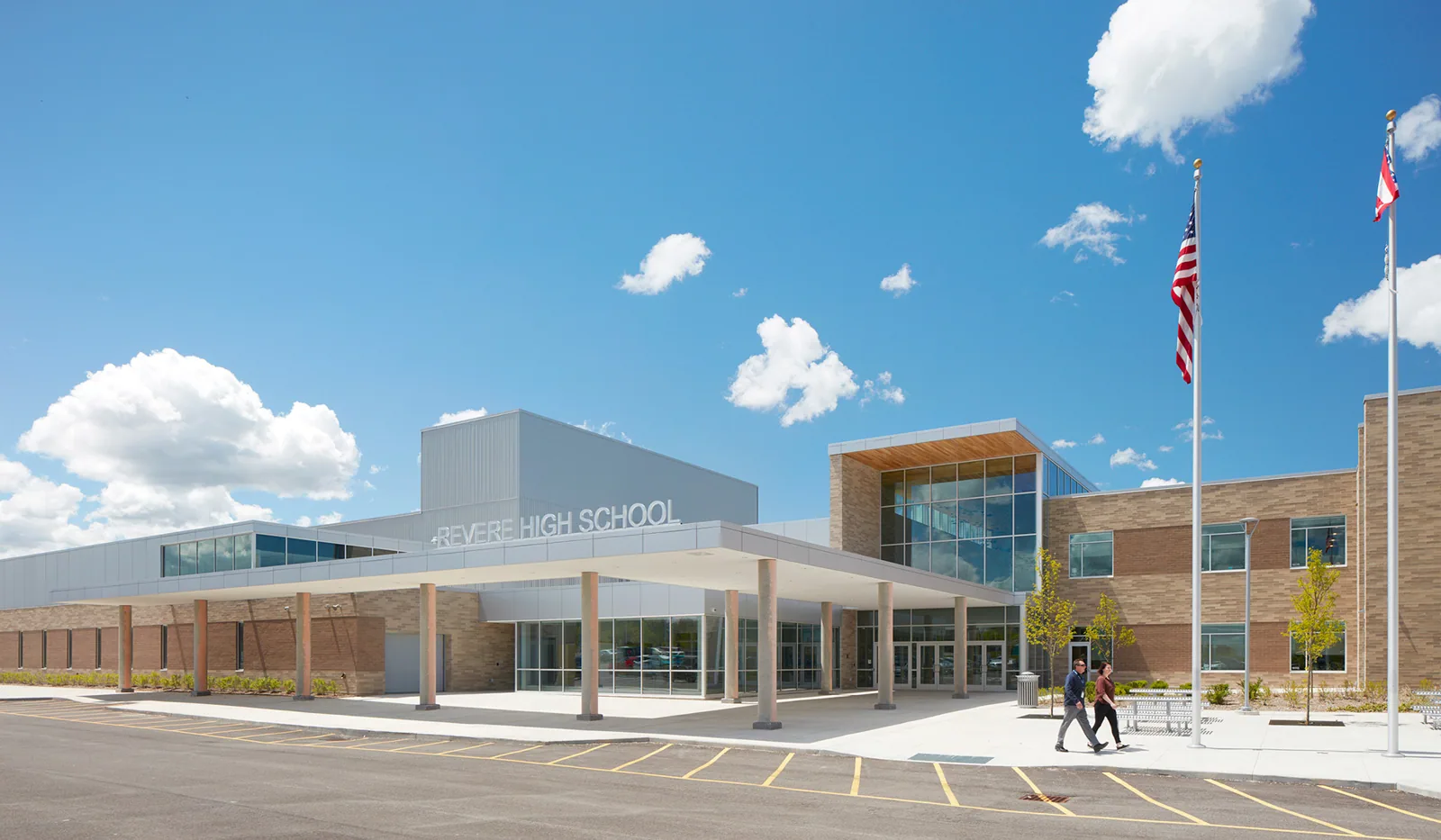
School roofing begins with the rooms and routes that must stay safe while a roof is open. A gym, classroom wing, cafeteria, and administration area may have different calendars and protection needs. Killeen’s July and August monthly means are 84.0°F and 84.6°F, so hot-weather planning matters for crews and materials. The district calendar still controls the work window. We map each roof section to its access approver and the boundary staff must maintain below.
Keep student routes, bus circulation, loading, and restricted areas on the site plan. A school differs from a college building because supervision, bell schedules, and child-safety controls shape everyday access. We mark the work boundary and explain what the school administrator must approve before materials arrive.
Which work belongs in the school break?
Start with the district calendar and list the spaces that cannot be disrupted during the academic day. Identify testing periods, summer programs, food service, custodial work, athletic use, and any scheduled occupancy before placing a roof phase. A school break is not an open window if staff or summer programs still use key areas.
Group the roof into sections that can be opened, repaired, and secured before the approved stop time. The daily boundary should account for weather exposure, material staging, and the time needed for inspection. If a concealed deck issue changes the plan, pause at that limit, document the condition, and let the owner decide whether to add work or defer the next section.
Make the schedule legible to staff. State where deliveries enter, where lifts operate, and which doors or areas will be unavailable. A phased occupied-building roofing plan can organize work around the calendar. A school has access rules distinct from an apartment building.
What does a useful roof walk record?
Label each building and roof section before recording seams, flashing, penetrations, drains, edge metal, and previous patches. Photograph findings with enough surrounding detail that the maintenance team can locate them later. Separate a confirmed open seam from an interior stain whose source remains unknown. Note any roof area that could not be reached safely, any locked space that was not entered, and any condition that needs a test rather than a guess.
The present roof surface and its details are the evidence for a school repair decision. A past hail or tornado event in Killeen cannot be assigned to a particular campus without current signs. Photograph accessible areas, describe any impact or displacement that is actually visible, and mark sections that could not be reached. If the district needs a storm review, compare dated photos and maintenance records rather than using an old event to explain a current leak.
Use a marked roof plan, dated photos, open questions, and next steps. A roof condition report helps staff compare urgency without overstating a single walk.
How should interiors and student routes be protected?
Before repair, identify rooms directly below the work, the corridor or exterior area that may receive debris, and the person who can clear an area if conditions change. Covering furniture is only one part of protection. The school must control student access, staff notice, and any temporary route change. The roofing crew should work within the approved boundary and report when weather or a hidden condition requires a pause.
Trace a reported leak from the room to the roof without assuming the entry point sits overhead. Water may move along a deck or framing before it reaches a ceiling. Mark the interior symptom and exterior findings separately, then inspect nearby wall transitions, drains, and penetrations. If moisture within the assembly is uncertain, an infrared moisture survey may help identify places for follow-up, subject to conditions and confirmation.
If temporary protection is needed, assign an owner and a revisit date. A tarp or short-term patch does not close a permanent repair decision. The closeout should state what was stabilized, what remains exposed to risk, and what evidence the district still needs.
Can ponding or a blocked drain affect the next phase?
Map roof slope and the drainage path from high points to drains, scuppers, and overflow points. Check for blocked strainers, damaged bowls, debris, and areas where a prior repair may have changed water flow. Record ponding with the conditions observed rather than assuming a brief wet area means the roof has a structural problem. A drain and scupper review can separate a component repair from a larger slope or insulation question.
For a school near Downtown Killeen, confirm the bus loop, loading gate, and staff route with the school contact before arranging deliveries. The actual site controls access and staging; the district name only helps locate the general area. Roof scope still follows drainage, slope, and conditions observed on that building.
Do not close a drain, scupper, or overflow path with new roofing material. Coordinate any change in drainage, curb height, or insulation with the design professional when the project requires it. The owner should understand how water leaves each roof section before approving a recover or replacement approach.
What should the district compare in each bid?
Ask each bidder to identify the same roof areas, quantities, materials, protection, access, daily stop points, and exclusions. A localized repair may fit an isolated defect with serviceable material around it. Recovery depends on the existing assembly, moisture, deck capacity, edges, and code. Replacement may address broader assembly concerns but brings removal, staging, and a longer coordination plan.
Separate base work from allowances for concealed damage, deck repairs, insulation, drain changes, and curb modifications. Identify who moves rooftop equipment, protects classroom contents, and repairs interior finishes if that work is included. A TPO roofing system is one possible assembly, but suitability depends on the existing roof, design, attachment, drainage, and owner requirements rather than the material name.
Killeen’s roadway plan lists US 190 access and connectors toward Stan Schlueter Loop, including Bacon Ranch Road and Cunningham Road projects. These names help a district route materials among campuses, but each school still needs its own delivery gate and bus schedule. Build the contractor route from that context, then base the repair scope on evidence collected at the roof.
What should the closeout preserve for the next budget cycle?
Keep the marked roof plan, dated photos, inspection findings, approved scope, change decisions, and repair locations together. Record material and section so a future inspection can distinguish old work from a new defect. Include warranty documents when applicable, maintenance needs, and any follow-up test or design review. If the roof was not fully observed, keep that limit in the record instead of filling the gap with an assumption.
A district can use consistent condition fields across properties while keeping each building’s history separate. A gym, classroom wing, kitchen, and administrative area may have different access and equipment requirements even when they share one campus. If several schools enter the same review, an capital plan can help place verified needs into a budget window without assigning every roof the same replacement date.
Commercial Roofing Killeen can walk accessible roof areas, document conditions, and return scoped options that show the work boundary. Share the roof plan, known leaks, school calendar, site access rules, and the person who approves changes. A useful recommendation gives district staff evidence they can carry into the next maintenance or capital meeting.
Commercial Roofing Questions
Can school roof work be completed during summer break?
A break can create a workable window if the school is truly available and each daily phase can be secured. We confirm calendar conflicts, weather exposure, deliveries, and inspection time before setting a sequence.
What should staff do when a classroom ceiling shows water?
The school should protect the room and notify its facility contact. We can compare the interior location with nearby roof details, document what is confirmed, and state whether additional investigation is needed.
What supports a replacement decision?
Compare assembly, leak history, observed damage, and approved testing. One symptom should not decide scope.
Can a crew work while a school program is in session?
That depends on school-approved routes, supervision, noise, access, and the roof section involved. The district sets student and staff controls; the roofing scope should identify where the crew works and when it stops.
What makes a school roof proposal comparable?
Require matching roof sections, quantities, material assumptions, protection, schedule, exclusions, and concealed-condition allowances. A clear boundary shows what the bid includes and what still needs approval.
Review the school roof before the next term
Send the roof plan, reported leak locations, school calendar, access rules, and staging limits. We can document accessible conditions and provide repair or replacement options with a clear scope boundary.