
Built-Up Roofing in Killeen, TX
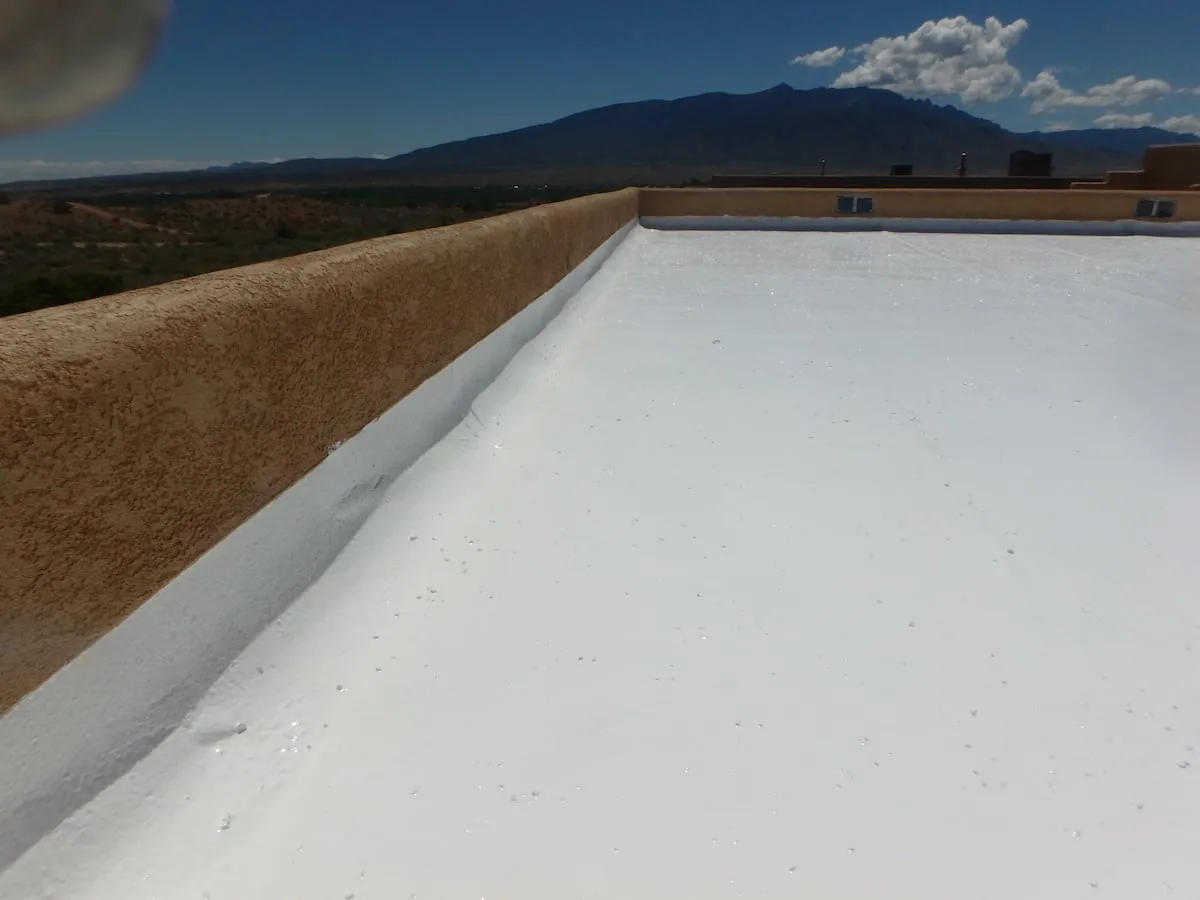
A built-up assembly combines reinforcing plies and bituminous surfacing, so a defect at the cap may not reveal the condition of the layers below. Identify the ply sequence, surfacing, and any recover before selecting a repair. On a built-up roof, check cap-sheet cracking, exposed reinforcement, displaced surfacing, blisters, and soft areas; trace each finding to the nearest seam, drain, or wall flashing. Mark any test opening for owner approval before pricing a recover or tear-off. The capital decision depends on the roof section, insulation and deck condition, moisture extent, and access. Near the Stan Schlueter Loop, confirm the property’s delivery route and roof access before staging built-up materials. Heat and storm context inform the inspection window, but the owner’s building record and field findings set the scope.
How Does the Existing Assembly Read?
Built-up roofing uses alternating bitumen and reinforcing plies, commonly finished with aggregate or a cap sheet. The number and condition of layers may vary across a roof where previous repairs or recover work have been completed. We inspect for exposed plies, blisters, ridges, open laps, aggregate loss, and patches that have separated at the edge. A representative test cut can confirm layer count, insulation condition, attachment, and deck at that location. The report marks each opening and does not treat one sample as proof for the full building.
Aggregate can hide small defects while also protecting the bituminous surface from exposure. We check whether gravel has moved, whether the flood coat is exposed, and whether drains are receiving loose material. At a cap-sheet assembly, seam and flashing details require a different inspection emphasis. A modified bitumen comparison helps distinguish a sheet membrane system from a traditional multi-ply build-up; a roof inspection can document visible conditions by section.
Where Is Water Moving or Collecting?
Drain bowls, scuppers, crickets, and low points deserve close inspection because surfacing and debris can obscure the water path. We confirm the drain is open, inspect the membrane tie-in, and note whether the roof holds water beyond the expected drainage period. A recurring pond may reflect a clogged outlet, settlement, compressed insulation, or an original slope condition. The inspection map should show the observed low area and any test that would distinguish a surface issue from a concealed assembly concern.
At parapets and penetrations, the bitumen and reinforcing plies must turn up and terminate without an open edge. We check metal, counterflashing, pitch pockets, pipe boots, and curb corners for splits or movement. A surface coating or sealant bead cannot substitute for sound flashing. A drainage scope can identify outlet repairs separately from membrane work, while a penetration detail review can address a defined curb or opening.
What Does Killeen Weather Add to the Inspection?
Downtown Killeen has an approved facade-improvement grant program, a sign that commercial work in the district can involve coordinated exterior planning. That does not identify the roof assembly or establish a building-specific permit. We document each built-up roof section independently and confirm what access the property contact can provide. For a site near the downtown core, the roof map and the facility schedule should travel together when repairs or test openings are planned.Inside the assembly, the test cut matters more than a broad assumption about a district’s building stock. We record plies, insulation, deck, and moisture at the opening and identify the patch used to restore it. The owner can then compare a verified sample with visible defects elsewhere on the roof.
Can a Local Repair Restore the Roof?
A repair is a reasonable option when the defective area is limited, surrounding plies remain bonded, and the substrate is suitable. We remove loose aggregate or failed membrane as the detail requires, prepare sound material, and install compatible plies or flashing. The repair map identifies the exact boundary and what was tested. If blisters, open laps, or wet insulation recur across multiple areas, a collection of patches may not address the roof’s underlying condition. The proposal compares localized scope with broader repair or replacement and states the evidence behind each choice.
Any recover or coating proposal needs to account for existing layers, trapped moisture, load, attachment, and compatibility. A new surface cannot correct deteriorated decking or a drain that remains obstructed. We recommend selective openings when they can change the decision and document the closeout repair to those test sites. A moisture survey may help focus openings, while a coating option should be evaluated only after the assembly is shown to be a suitable candidate.
What Should Tear-Off or Recover Include?
A replacement scope should show the tear-off limit, deck review, insulation and slope work, cover board, membrane plies, surfacing, flashings, drains, edge metal, and transitions to adjacent roofs. A recover estimate should identify what remains, how moisture is ruled out, how the new assembly is attached, and how existing layers affect design. Without those points, two bids can carry different assumptions while using the same roof-system name. We list exclusions and test allowances so the owner can compare like scope.
Roof work on an active property also needs a sequence for material staging, deliveries, tenant access, and daily dry-in. The crew and facility lead should agree where equipment, vehicles, and pedestrian paths stay clear. A phasing plan can make those boundaries explicit, and a replacement scope can separate each roof section and trade requirement. If one section remains serviceable, the plan should show its inspection needs rather than assume all areas move on the same schedule.
How Should the Roof Register Carry Forward?
Keep the layer description, test-cut locations, moisture findings, roof map, repair details, and photographs together. Record inaccessible areas and the basis for any recover decision. The next inspection should be able to locate a prior patch, compare its edge, and see whether drainage or penetrations changed. For a portfolio, a separate line for each roof section helps distinguish aging surfacing from a recurring substrate problem.
The site contact still needs to confirm the approved gate, staging point, and route from delivery area to roof access. These routes provide orientation for regional scheduling; they do not establish the entrance or loading access for a particular property. We confirm the staging point with the site contact. A condition record can support the capital plan, and routine maintenance can carry forward open items such as loose flashing, blocked outlets, or a test recommendation.
Commercial Roofing Questions
How do you know whether a roof is built-up or modified bitumen?
We review available records and visible surfacing, then use a representative opening when the assembly remains uncertain. The map records the location and layer conditions found there. Product identity and layer count should be confirmed before repair or recover assumptions are priced.
Can gravel surfacing be put back after repair?
The repair detail determines whether aggregate is restored and how the bituminous surface is protected. We remove loose material around the defect, prepare the assembly, complete the repair, and restore surfacing as specified. The closeout should identify the area and remaining inspection limits.
Does ponding mean the entire BUR roof needs replacement?
No single pond establishes a replacement decision. We inspect the outlet, slope, membrane, and surrounding assembly, then determine whether moisture testing or an opening is needed. The recommendation distinguishes a drain correction from a broader condition affecting multiple sections.
Can a built-up roof be recovered instead of torn off?
Before pricing a recover, we check layer count, moisture, deck and attachment condition, load, and design requirements. We document each result and identify any test needed before comparing recover with tear-off. The estimate should state which existing layers would remain beneath the new assembly.
What should be photographed after a repair?
Photograph the prepared area, new plies or flashing, surrounding roof landmarks, and finished surfacing. Record the roof section and repair boundary. This gives the next inspection a clear reference and avoids treating a small close-up as a map of the entire roof.
Map the Layers Before Setting Scope
Share prior repair records, roof plans, and any available test results. We can inspect the built-up assembly and return a repair, recover, or replacement comparison with defined openings and roof-section boundaries.