
Manufacturing Plant Roofing in Killeen, TX
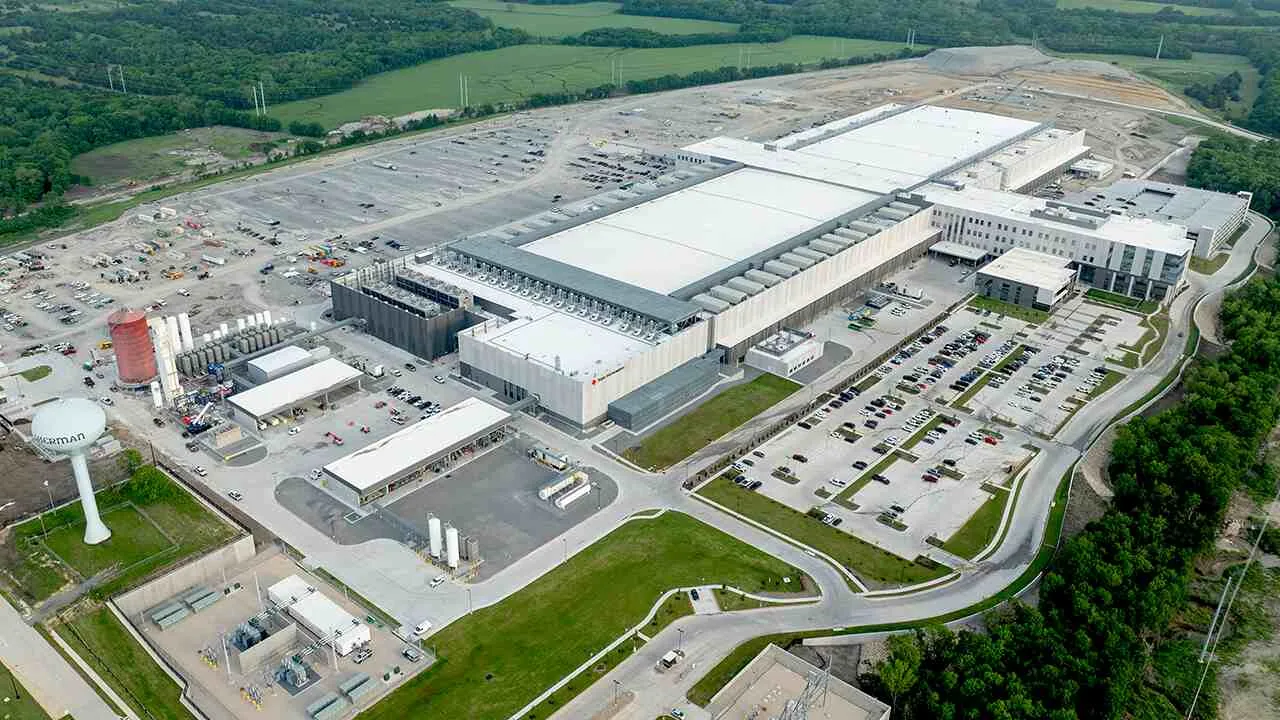
Production schedules put roof access on the same calendar as line changeovers. We begin with the roof section, equipment below it, and the time the plant can make space for safe work. In Killeen, hot summer conditions make exposed seams and flashing worth examining, but an estimate follows the condition on the roof. We map observed defects, confirm what cannot be shut down, and separate urgent weather protection from permanent scope.
Plant roofing also has to account for exhaust, make-up air, process piping, and controls that cross the roof. We coordinate a detail walk with maintenance staff so every curb and penetration is identified before the field membrane is opened. Where cold-process rooms are involved, cold-storage roof conditions raise additional vapor and insulation questions, although the plant's own temperature zones and equipment remain the basis for its scope.
What Can Run While the Roof Is Open?
We identify production areas, electrical rooms, process equipment, and interior zones that cannot be exposed to dust or water. The plant contact sets a permitted work window and names any line, exhaust system, or service that needs a shutdown. A roof section is opened only when the crew can secure it before the window closes. If a shift change limits the work, the scope accounts for daily dry-in, cleanup, and a documented restart handoff.
Equipment curbs, pipe supports, and conduit penetrations need coordination with the maintenance team before their flashing is removed. We label each item by roof location, confirm which trade can move or isolate it, and keep the opening protected while that work occurs. A curb and equipment detail review can be priced beside membrane work. The roof plan helps avoid an unplanned cut above a critical work cell.
How Does Summer Heat Affect the Assembly?
Killeen's July and August mean temperatures are 84.0°F and 84.6°F. That seasonal heat helps set inspection timing for exposed details, while the actual roof surface and assembly determine what repair is suitable. We check seam condition, surface movement, blistering, sealant, and attachment before assuming a system has failed. If the plant has several roof sections, we record each separately; one repaired area does not establish the condition of the full field.
Heat can also influence when crews apply materials and how each layer cures. We confirm product requirements, surface moisture, wind, and the forecast, then divide application into areas that can be completed and protected. If a hold is needed, we close the work at a stable boundary and note what remains. A coating evaluation is appropriate only if the existing membrane and substrate can support the proposed system.
Which Findings Need a Test Cut?
A roof walk can show an open lap, puncture, loose edge, or failed curb, but it cannot confirm every layer below the membrane. We mark soft or discolored areas, compare them with interior reports, and select a core or test cut when the result will change removal limits. The report distinguishes measured wet insulation from a suspect zone and identifies any deck question that remains. That makes the repair quantity easier to review before tear-off.
The city recorded 278 occupancy certificates for new or expanding commercial uses from April 2025 through March 2026, including retail, education, medical offices, and other business activity. The total does not identify the use of a particular facility. We confirm the plant's own process and operating limits before selecting a test location. A moisture survey can help prioritize where to verify a broad field, and a condition report keeps the evidence with the roof section.
How Do Local Routes Fit Mobilization?
Material delivery and lift access depend on the property's own gate, turning space, and loading restrictions. Cunningham Road runs between FM 3470/Stan Schlueter Loop and U.S. 190, a useful corridor reference when a plant schedules contractors across the city. The route does not determine where a truck can stage. We confirm the actual entry with the site contact and identify the path from delivery point to roof access before work begins.
Harker Heights is pursuing advanced-manufacturing suppliers and industrial employers as business-attraction opportunities. That regional context fits the range of plant operations in the Killeen area, while every roof still receives its own assembly and access review. We coordinate nearby work near Stan Schlueter Loop or Harker Heights around each property's delivery window. There is no shared staging assumption between facilities.
Repair, Recover, or Replace?
A local repair can make sense when damage is confined, surrounding material is sound, and the tie-in can be made to a compatible surface. A recover may be considered when the existing assembly is dry and attachment is suitable. Replacement enters the comparison when moisture is widespread, the deck needs work, or defects recur across several sections. We state the test area, exclusions, and concealed-condition assumptions so the owner can compare options without treating an early estimate as final quantity.
Where production cannot stop across the building, the replacement plan divides work by section and identifies which operation or equipment needs temporary protection. A phased roofing plan can map those boundaries. For a different large-building use, distribution center roofs also require shift coordination, but their loading pattern and interior risks are not interchangeable with a plant's line sequence.
When one production line has a narrower shutdown window than the rest of the building, we can sequence its roof section independently. The plan identifies temporary protection, a dry-in checkpoint, equipment restrictions, and the person who releases access after the work is secure.
What Should the Closeout Leave Behind?
The owner should receive dated photos, roof-section labels, materials identified, tests performed, and open items that were not part of the work order. We record where a line or unit was temporarily moved, what was restored, and whether follow-up testing is still needed. That record supports later maintenance and lets the next manager compare a new issue with the actual completed boundary.
For a Killeen facility near Downtown or the Rancier Avenue corridor, access still comes from the plant's own site rules and delivery instructions. The local references help with dispatch, not with permission to enter or work. A replacement scope can include an updated capital plan when the assembly is beyond repair. Share roof plans, process constraints, leak history, and planned shutdown windows to arrange a plant roof walk.
Commercial Roofing Questions
Can production continue while roof repairs are underway?
The affected roof section, interior exposure, and equipment restrictions set the answer. We coordinate a work window with plant operations, divide the opening into secure phases, and state what must stop or move before a detail is removed.
How do you protect process equipment from water or debris?
We identify the interior zone below, agree on coverings or shutdowns with the facility lead, and keep only the authorized roof area open. Daily closeout records the temporary boundary and any remaining exposure before the shift ends.
When should a plant use infrared moisture testing?
A survey can help rank test areas when there are broad moisture indications or uncertain repair limits. We confirm the result with suitable openings before using it to set insulation removal or replacement quantities.
Can an old plant roof be coated instead of replaced?
Only when the substrate, attachment, membrane, and moisture condition can support a restoration system. We map repairs that must come first and compare the prepared coating area with recovery or replacement on the same roof plan.
What information helps price plant roof work?
Roof plans, system history, interior equipment restrictions, leak locations, and permitted shutdown windows help define access and sequencing. If a core or opening is needed, we show its location and how the result may change the scope.
Scope work around production
Send the roof plan, known leak areas, line or equipment restrictions, and available shutdown windows. We will document the roof condition and outline practical repair or replacement choices.