
Army Installation Building Roofing in Killeen, TX
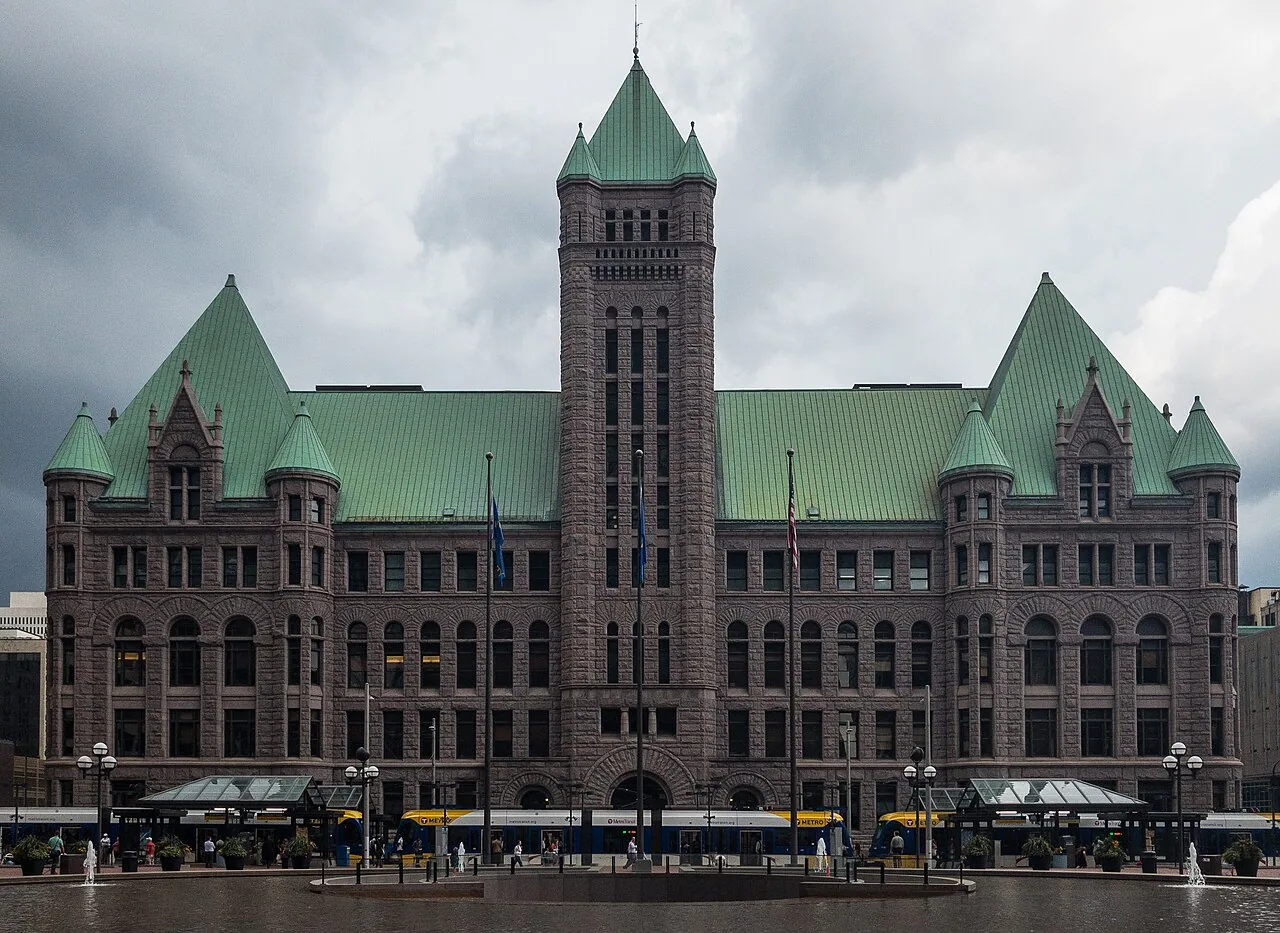
A roof work package for an Army installation building starts with the building use, roof section, approval path, and access rules. We document the visible condition before proposing a repair, recovery, or replacement, then keep the work boundary clear enough for the facility lead to review. Roofing does not establish installation authorization, federal contracting eligibility, or clearance. The project owner determines procurement, access, escort, and operational requirements before a crew is scheduled. That separation lets the roof decision stay tied to observed conditions rather than assumptions about the site.
Killeen's heat and recorded severe-weather events make exposed edges, seams, rooftop equipment, and drainage worth checking closely, but an event is not proof of damage. We compare current observations with the roof register, prior service records, and any available drawings. A commercial roof inspection can establish which sections are accessible and which need testing. We then relate each finding to a repair boundary and the owner's budget window.
Which access conditions must be settled first?
Before roof access, the facility lead defines the entry point, escort procedure, staging limits, work hours, and areas that must remain clear. Installation rules can include badging, vehicle checks, tool controls, and restrictions around active operations. Those requirements belong in the schedule, not as a last-minute note after materials arrive. We record who approves access and what changes require a new release. We do not assume a standard commercial visit is sufficient for a controlled site.
Roof access also affects inspection quality. A hatch may be locked, a ladder may not meet the owner's rules, or equipment may block a path to a drain or edge. We note the inaccessible area and avoid presenting an aerial image as a substitute for a close examination of seams or flashing. If roof work requires a lift or temporary protection, the plan should identify where that equipment can sit and who protects the area below. A phased work sequence can reduce interference when the owner approves a safe area and weather-tight daily closeout.
What does the roof assembly need to show?
We identify the deck, insulation, membrane or metal panels, attachment method, perimeter, penetrations, and drainage before choosing a repair detail. A seam opening on a low-slope membrane calls for a different investigation than a loose metal panel or failed curb flashing. At a large facility, the same roof plan may contain additions, repairs, and transitions installed at different times. The report marks these as separate roof sections where their construction or condition differs, rather than treating one observation as representative of the whole building.
Where drawings are incomplete, we compare accessible edges, roof openings, equipment curbs, and repair patches, then state what remains unknown. A moisture map can help locate suspect insulation, but indications should be checked against the surface condition and any test opening the owner authorizes. We describe whether the observed issue is isolated, recurring, or part of a broader pattern, and what additional evidence would change the scope. The owner can compare a government building roof scope or a warehouse roof section on its own documented facts, without assuming the same assembly or access limits.
How should Killeen weather affect the inspection?
An average 18.3 Killeen days per year reach a high of 100°F. Check site conditions and the chosen product's limits before opening a roof area. Heat can affect the work window for adhesives and coatings and can increase stress on exposed roof details. We record the actual surface and air conditions when the selected system has application limits. Use the regional heat pattern to plan access, then base the scope on conditions measured at the specific roof.
The March 25, 2003 Killeen storm record lists hail to 1.75 inches alongside an F0 tornado; inspect present conditions before connecting either event to this roof. On a controlled property, compare any visible marks with the approved roof record and current inspection instead of assigning a cause from regional history. Killeen's mapped arterial network includes US 190 together with SH 195, SH 201 and FM 3470/Stan Schlueter Loop. The route context can help a facility team plan delivery windows, while the actual entry and staging path must come from that site's approved procedures. Nearby Harker Heights and the Killeen service area provide regional context, not permission to enter a controlled property.
How can the repair boundary be compared with replacement?
A targeted repair may be appropriate when the opening is located, the surrounding material remains serviceable, and compatible parts are available. Repeated seam failures, widespread wet insulation, loose attachment, or deteriorated perimeter details can change the comparison. We separate a temporary weather measure from permanent work and show the roof area each option includes. If an engineering review, hazardous-material survey, or owner-directed test is needed, the proposal identifies that dependency rather than treating it as a confirmed roofing quantity.
For a recover or overlay option, we evaluate moisture, attachment, drainage, added load, and edge height before recommending it. Replacement planning includes removal assumptions, insulation, cover board, fastening, perimeter metal, penetrations, staging, and daily closure. Killeen's locally amended 2024 International Building Code took effect January 1, 2026; confirm project applicability with the responsible design professional and authority. A replacement scope should carry these decisions as defined inclusions, allowances, or owner approvals. For a coated assembly, we first check whether the existing surface and drainage can support a coating evaluation.
What evidence should remain with the asset file?
Keep the roof plan, section labels, dated photographs, test locations, repair products, and access limitations together. The record should distinguish what was visible from what was concealed, and identify any area that could not be reached under the approved procedure. If a temporary cover was installed, note its location, inspection interval, and the permanent work that remains. A later reviewer can then tell whether a recurring leak reflects a new opening, a prior temporary measure, or a nearby detail that was outside the original scope.
For capital review, we can separate urgent stabilization, near-term repair, and replacement-cycle planning by roof section. The condition report should explain the evidence behind each category, identify assumptions, and show what additional test would reduce uncertainty. An asset manager can compare those options against the budget window without treating an event record or one roof walk as a complete diagnosis. Send the available drawings, service history, access process, and decision date so we can return a scoped recommendation that the project owner can review.
Commercial Roofing Questions
Can a commercial roofer enter an installation to inspect a roof?
Only when the installation's authorized contact approves the visit and its access process is satisfied. We coordinate the requested date, escort, vehicle, tool, and roof-entry requirements through the owner; we do not assume entry is granted.
Can work continue while the building is occupied?
A sequence may be possible if the facility lead approves a work zone, access window, and daily weather closure. We identify noise, staging, overhead protection, and stop conditions before mobilization so the owner can decide whether the proposed phase fits operations.
What should a roof report include for capital review?
It should identify each roof section, observed defects, inaccessible areas, photographs, test locations, repair boundaries, and any condition that could change scope. We separate urgent protection from permanent work and state the evidence behind each option.
Does a past Killeen storm prove a roof was damaged?
No. A regional weather record can guide what details we inspect, but the building's current condition must support any damage conclusion. We document present impact marks, displaced metal, open seams, water entry, or other visible evidence and note limits.
When is a roof replacement more practical than repeated repairs?
The comparison changes when failures recur across sections, moisture is widespread, or the existing assembly cannot support a sound repair boundary. We map the affected area and present repair and replacement scopes with assumptions and required approvals identified.
Set the roof scope before scheduling access
Share the roof plan, current condition concerns, service records, access process, and the date the decision is needed. We can inspect approved areas, document limits, and return repair or replacement options with staging and weather closure defined.