
Distribution Center Roofing in Killeen, TX
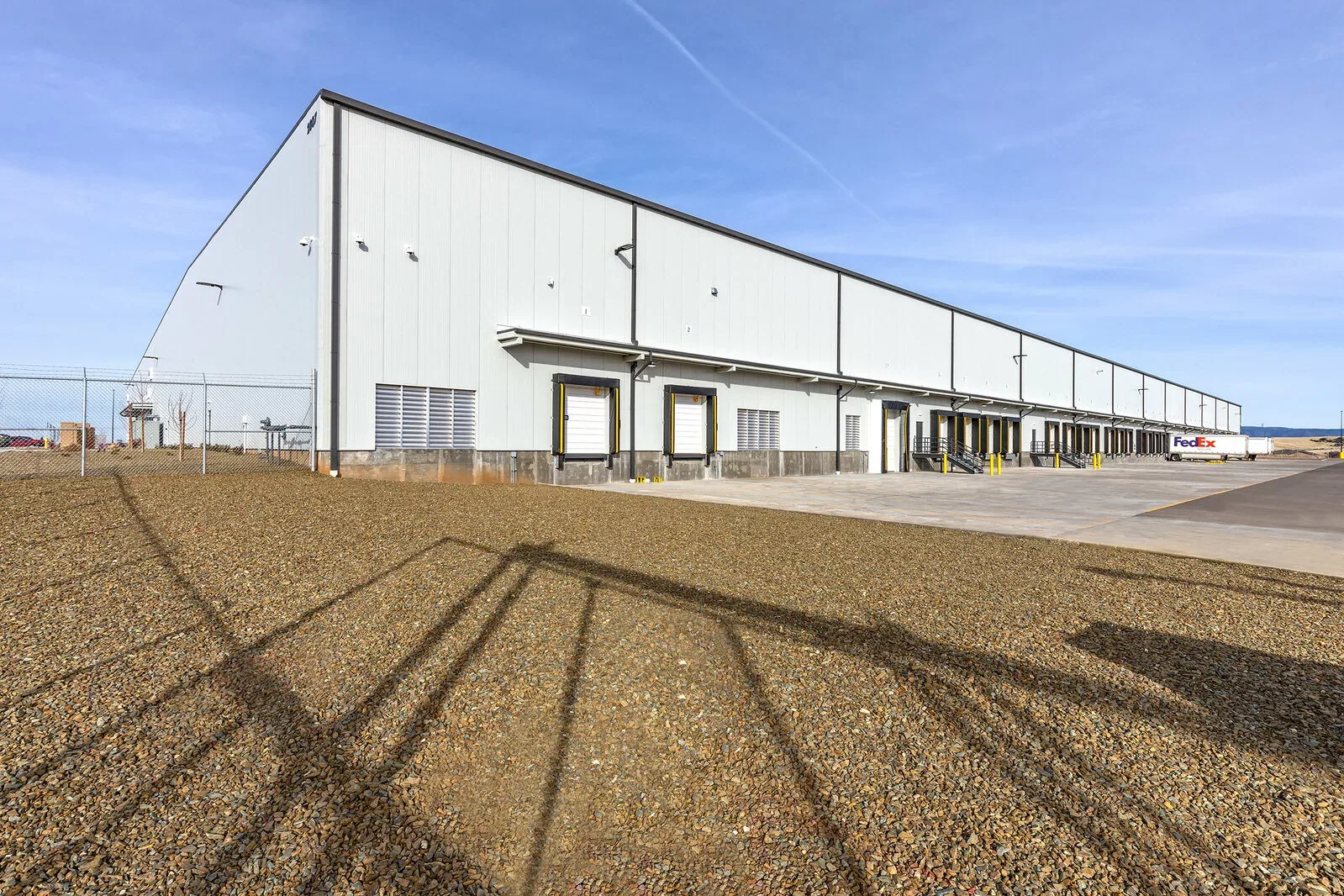
A distribution building can lose a shift before a leak reaches stored goods. We start with the roof section, the operation below it, and the hours when a dock or drive aisle can be restricted. In Killeen, U.S. 190 access and connecting arterials help frame dispatch, while the facility's actual entry and roof access set the sequence. Our first walk maps the opening, nearby details, and protection boundary before permanent work is priced.
Which Routes Need to Stay Open?
Receiving doors, trailer queues, employee entries, and battery or charging areas may share the same circulation space. The site lead shows us which routes cannot be blocked and where a lift or dumpster can sit without disrupting a shift. We divide the roof into areas that can be opened, made weather-tight, and returned to service in a planned window. A phased roof sequence can keep work limits visible when the building stays active.
Killeen's roadway program includes connections from U.S. 190 access toward Stan Schlueter Loop, including Bacon Ranch Road and Cunningham Road. Those routes help orient a dispatch plan, but they do not establish the gate, yard, or staging point at a particular property. We confirm directions, truck clearance, lift reach, and work hours with the facility contact before material delivery. A Stan Schlueter Loop area roof visit still begins with site-specific access.
What Is Under the Membrane?
A distribution roof may have multiple repairs, insulation layers, curbs, and penetrations that respond differently to water. We identify the membrane type, seam direction, edge detail, and repairs that can affect a new tie-in. A surface patch does not resolve trapped moisture or a loose attachment pattern. Where the roof plan and field condition differ, we use a test cut or core to establish which layer needs work. The estimate shows the area tested and any quantity still subject to opening.
Killeen sits in a three-county metropolitan area that includes Bell, Coryell, and Lampasas counties. That regional footprint means schedules may cross municipal lines, yet the roof scope should stay tied to each building's assembly and loading needs. For nearby facilities with a different storage pattern, warehouse roof work may share access planning while keeping the repair quantity separate. A commercial inspection can document multiple roof sections before the replacement decision.
How Do We Separate a Leak from a Wider Failure?
Water may enter at an edge, seam, drain, curb, or fastener and travel before it appears inside. We trace the path from the roof plane, compare the interior report with visible conditions, and map any moisture that needs confirmation. If a drain bowl is blocked, clearing it is not the same as rebuilding a failed flange or correcting a low area. A drainage repair scope can be measured separately from membrane work.
Compare impact marks and displaced metal with the roof-side assembly before assigning a cause or expanding the repair boundary. A Killeen storm on March 25, 2003 brought hail and an F0 tornado; present-day roof findings must establish whether this facility was affected. We photograph physical findings, note inaccessible areas, and show which test or repair would settle the question. If a storm has opened the roof, hail damage repair can address the observed area.
How Can Work Fit Between Shifts?
Roof access, crane or lift timing, noise, and interior protection are the scheduling drivers. We identify whether a crew can work above the active pick module, whether a dock must be closed for delivery, and how far an open section can extend before the shift ends. Where a temporary weather layer is needed, we include the time and materials in the scope. The foreman records the area closed each day so the next shift does not inherit an unclear boundary.
A distribution center may use rooftop units, exhaust fans, or service conduits that cannot be shut down without coordination. We map each curb and penetration, arrange movement with the responsible trade, and restore weather protection before release. A curb and support assessment can be listed beside the field membrane. Where insulation is wet or height changes at a drain, an insulation and cover board scope should account for the final curb and edge elevations.
Where a repair crosses a conveyor support or a line serving automated equipment, we identify the responsible trade before the roof is opened. A roof crew can repair the membrane and flashing, but equipment isolation or relocation needs the facility's operating approval. We note which curb is included, what must be moved, and who restores the connection. That handoff avoids pricing roof work as if every rooftop unit could be lifted without interruption.
Delivery and disposal also require a clear path. We confirm load limits, roof protection at travel points, and whether debris can leave through a service gate without crossing active trailer movement. If a crane is needed, the lift location and radius are agreed with the site contact before mobilization. These details change labor and schedule even when the roof area is small, so they belong in the scope rather than a day-of-work assumption.
When Does Replacement Make More Sense?
Repair remains reasonable when the affected area is limited, the surrounding membrane is sound, and the deck can support a reliable tie-in. Broader replacement may be the better comparison when moisture extends across sections, attachment is failing, or repairs keep returning at different details. We state the tested boundaries, assumptions, access limits, and conditions that would change the price. An owner can then compare repair, recovery, and replacement on the same roof map.
Closeout should leave an updated roof plan, photos, installed system details, and a record of work left outside the authorization. The maintenance team can use that file to plan the next inspection before a leak interrupts a receiving window. A clear closeout file supports that handoff; manufacturing roof scopes may use similar phased work but require a different operations plan. The file can record repaired sections, approved exclusions, and open follow-up work. Share the roof layout, shift calendar, leak history, and dock limits to arrange a distribution-center roof walk.
Each stage also names the person who releases the next roof section and confirms that temporary protection has been removed or replaced as planned. That keeps shifts aligned on the current work boundary.
Commercial Roofing Questions
Can a distribution center stay open during a roof replacement?
Often the work can be phased, but the sequence depends on weather exposure, dock access, interior protection, and how much roof can be closed in one shift. We map those limits with the facility lead before pricing the sections.
How do you protect inventory beneath a leak?
We identify the reported aisle, trace the likely entry, and agree on coverage or movement needed below. A temporary dry-in can reduce exposure when conditions allow; the permanent repair follows after the tie-in and moisture boundary are checked.
What roof conditions change the cost?
The assembly, wet insulation, deck condition, attachment, curb count, edge transitions, access, and material handling all matter. The proposal lists tested and assumed areas separately so concealed findings do not silently expand the approved work.
When is infrared testing useful on a large roof?
A survey can help prioritize test locations when moisture is suspected across a broad field. We confirm findings with suitable openings or other checks before using a moisture outline as the removal quantity.
What should the maintenance file contain?
Keep the roof plan, section labels, dated photos, repair scope, test locations, and remaining items together. That record helps another manager compare the next condition without confusing a new leak with an older repair boundary.
Plan a roof walk around the shift
Send the roof plan, leak locations, operating calendar, and dock or staging restrictions. We will map the affected sections and return scoped repair or replacement options.