
Auto Dealership Roofing in Killeen, TX
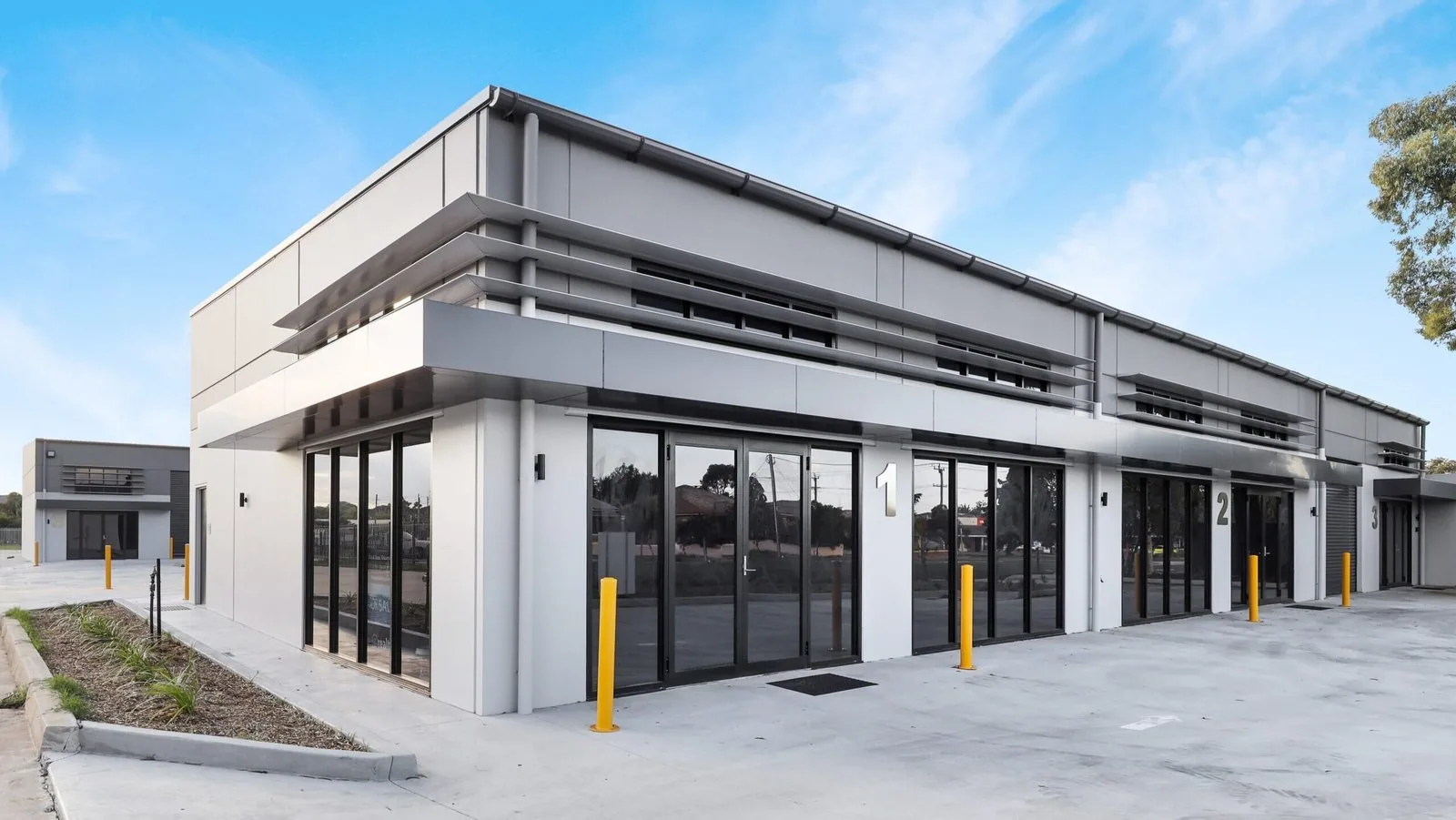
A dealership roof sits above several kinds of work: customer-facing showroom space, parts storage, service bays, offices, and vehicle inventory. We identify which use is below a reported leak and map it to the roof section overhead before setting a scope. Killeen issued 278 occupancy certificates from April 2025 through March 2026 across new or expanding commercial uses, including retail and other business types. That activity is useful market context, not a count of dealerships or a condition report for any property. A roof walk should establish the actual assembly, drainage path, and access limits.
We coordinate lift position, delivery time, customer parking, and service-lane access with the manager. A condition inspection can separate showroom and bay findings, while a repair visit can define whether a localized detail or a broader membrane area needs work.
Which part of the property needs protection first?
A drip over a service bay has a different consequence from water above a customer lounge or a vehicle display area. We record the room or lane, reported timing, active water, and roof section above it. Then we check seams, curbs, drains, and previous patching along the likely path. Water may travel across a deck before it reaches a ceiling or wall, so the report distinguishes the symptom from a confirmed source. If access below the roof is restricted, we identify who can authorize a follow-up visit and what protection is needed in the meantime.
Customer traffic and repair orders continue while roof work is being planned. The facility lead can identify a staging zone, a route that must remain open, and the hours when a service bay cannot be blocked. We mark daily work boundaries and close each opened area to weather before the crew moves. An active leak may require a temporary dry-in first; the estimate keeps that response separate from permanent flashing, membrane, or deck work so an owner can authorize each decision on its own merits.
How should showroom and service-bay roofs be evaluated?
A low-slope roof above a showroom may have skylights, curbs, long membrane runs, and edge details exposed to sun. A service area may add exhaust, rooftop equipment, or changes in roof elevation. We identify the system where records and observations support it and inspect each transition as its own scope. The report should not assume that an addition shares the original roof's age, attachment, or repair history. If a substrate or existing layer is unknown, we state what inspection or test would resolve it before a permanent repair is specified.
Metal canopies or standing-seam areas at a showroom entrance also need their own panel, clip, edge, and flashing review. A standing-seam inspection can document panel movement separately from the membrane over a service wing. If the building combines display and light maintenance space, a flex-industrial roof assessment may help compare the equipment and access questions, while the dealership's customer route remains part of this property's plan.
What should a Killeen roof record say about location?
The year ending March 2026 saw 278 new or expanding Killeen commercial occupancies, with 75 situated in the North Killeen Revitalization Area. That can orient an owner’s district-level portfolio map; it says nothing about a dealership’s construction date or roof. For an owner with several commercial properties, a current roof register can put each inspection beside the correct address and assembly without turning district activity into a building assumption. A North Killeen roof visit starts with the property manager's access instructions and existing plans.
East Trimmier Road from Stagecoach Road to Chaparral Road ranks second among Killeen's high-priority thoroughfare projects. Where a dealership is near that corridor, we confirm current entry, vehicle circulation, and the delivery approach at the site rather than using a planned improvement as a traffic promise. Temporary material staging should not obstruct customer parking or the service drive. A visit along East Trimmier can record those logistics before roof work is scheduled.
How do drains and rooftop equipment affect the estimate?
We trace water toward drains, scuppers, and edge outlets, looking for clogged strainers, damaged leaders, low areas, or a patch that changes the drainage path. A dealership with equipment over the service bay may also have curbs, exhaust penetrations, or conduit that interrupt the membrane. Each condition is mapped to a roof section and photographed with a reference point. A drainage scope can be separated from a perimeter metal repair if the outlet and edge require different materials or access.
Heat and weather context inform when a crew can prepare and close a section, but field conditions control the workday. We specify the protection method, surface preparation, cure requirements, and any weather limits that affect coating or membrane work. If the owner wants the store open, the sequence should show where vehicles and customers can move and when an access lane must be temporarily restricted. Those operational notes belong beside the roof scope, not in an unpriced assumption.
Which repair or replacement choice is comparable?
A localized seam or flashing repair can be priced when surrounding material is stable and the leak path is confirmed. If multiple roof areas show wet insulation, failed attachment, or recurring repair, compare section replacement with a compatible recover or restoration scope. We list removal, substrate allowances, membrane or panel type, insulation, edge details, equipment coordination, and interior safeguards. A coating should not be used to cover wet material or an unresolved leak. A restoration review can identify whether preparation and adhesion support that option.
For the dealership, the estimate should state how much of the service operation can continue, which doors or bays need a closure, and what work occurs outside customer hours. A retail roof comparison may share customer-protection questions, but the service drive and vehicle inventory set different site constraints. Keep replacement and repair scopes separate where both are viable. If the roof is sound outside one bay, the proposal should not expand the work without mapped evidence or a clear owner-approved alternate.
What should the property manager retain?
Keep the roof plan, dated photos, system identification, repair materials, work boundaries, test locations, and warranty information where applicable. Record which areas were accessible and what follow-up remains, including any temporary protection or maintenance item. The next inspector should be able to find the repaired curb, seam, or perimeter without asking a technician to reconstruct the work from memory. For multiple locations, use the same section labels and distinguish showroom, parts, service, and office areas where the roof plan allows it.
Bring leak dates, vehicle or bay restrictions, roof plans, prior invoices, and the manager's preferred work windows to the first visit. We can document the observable condition and return a scope that separates repair, restoration, and replacement decisions. A useful record gives the owner enough detail to compare bids and schedule work while keeping customer access, inventory protection, and roof performance in the same decision file.
Commercial Roofing Questions
Can the showroom stay open during roof work?
We plan the work area, staging, noise, and customer path with the manager. The written sequence identifies the entrance or parking area that remains open and any temporary restriction needed to protect visitors.
Should service-bay leaks be priced separately?
We map each reported area and inspect the roof section above it. If the bay and showroom have different systems or conditions, separate line items make the repair boundary and operating effect clearer.
Does a ceiling stain identify a failed roof detail?
It marks a symptom. We trace the likely water path across the assembly, inspect nearby transitions, and state whether a source is confirmed or whether a test is needed before permanent work.
When is coating a practical dealership option?
We check the existing material, adhesion, moisture, drainage, and edges first. If those conditions support preparation and a stable finish, the proposal identifies included areas and repairs; otherwise it compares a different correction.
What information helps prepare a replacement bid?
Provide the roof plan, system records, leak locations, equipment list, bay schedule, and customer-access rules. We can state tear-off, staging, protection, and concealed-condition allowances on a defined basis.
Review the dealership roof
Share the roof plan, leak locations, service-bay schedule, customer-access limits, and prior repair records. We can document the condition and return a repair, restoration, or replacement scope by roof section.