
Commercial Roof Inspection in Killeen, TX
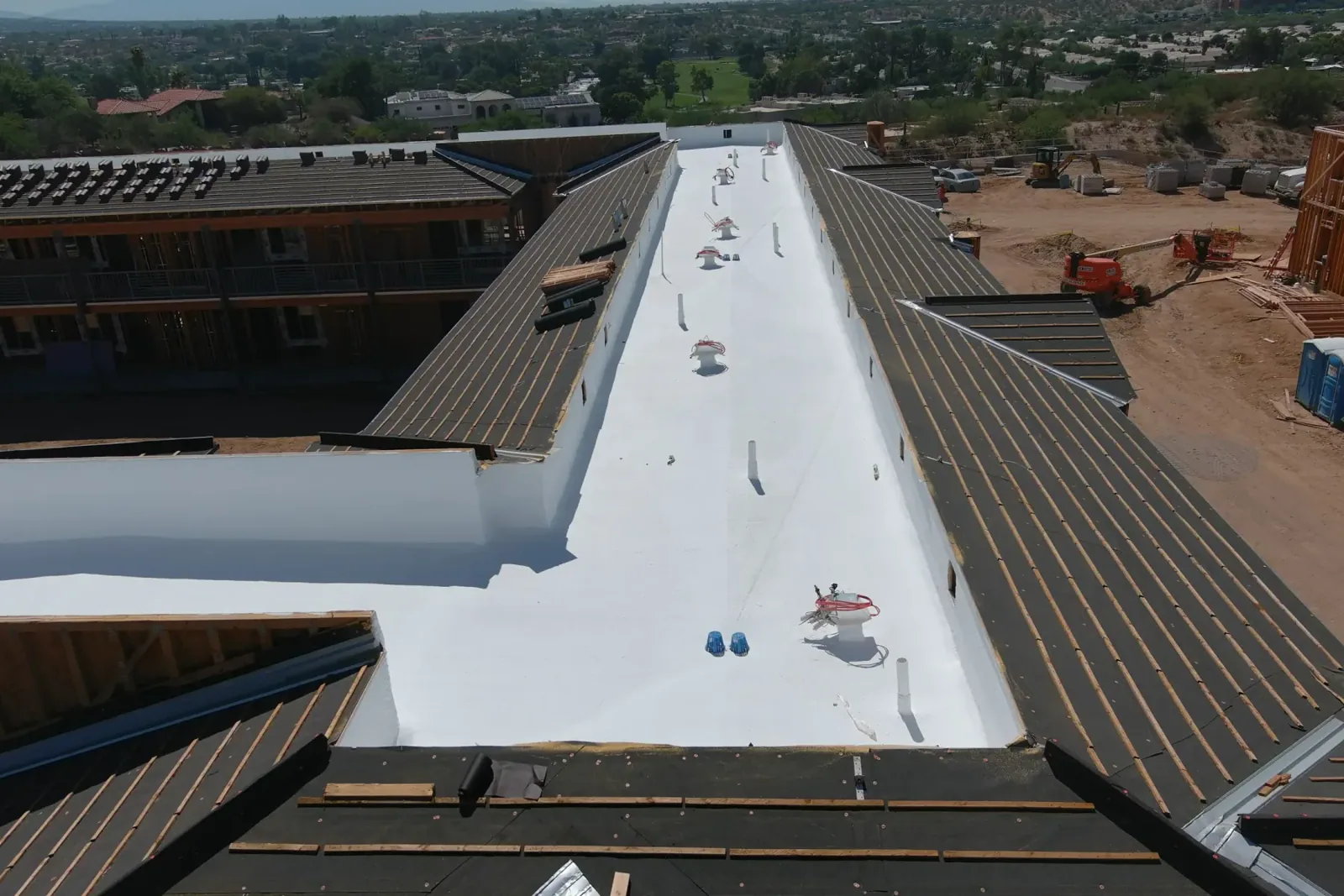
A roof inspection should answer a decision, not just produce photographs. We identify the roof sections, assembly, access limits, and current operating constraints, then walk the field and details that can change repair or replacement timing. Seams, edge metal, drains, penetrations, equipment curbs, and prior patches are mapped to specific areas. The condition report separates what we observed from what remains concealed, so the owner can use the findings in a work order or capital plan.
What Does the Roof Walk Cover?
We begin with the roof register, available repair records, and the symptom or decision that prompted the visit. On the roof, we check membrane laps, metal joints, flashing height, penetrations, fasteners, parapets, drains, scuppers, overflow routes, and rooftop equipment. We note ponding, punctures, open seams, surface wear, loose metal, and areas where access is restricted. A photograph is paired with a location reference and a description of why that finding matters for scope.
Killeen's mean temperature is 84.0°F in July and 84.6°F in August; inspect the actual seam, sealant, and edge condition rather than infer wear. That context makes it useful to inspect exposed seams, sealants, and edge details for movement or deterioration, but it cannot establish the state of a particular roof. We look at the material actually present and document its condition. Where moisture may sit below the membrane, an infrared moisture survey can identify areas for selective testing; a core or cut is needed to confirm what is inside the assembly.
How Are Findings Ranked?
A useful report separates an active leak, a detail nearing failure, routine maintenance, and a condition that needs further testing. We show the location, extent that could be observed, likely consequence, and a recommended next step. An open seam over occupied space may require prompt repair; a small surface defect with dry substrate may be monitored or patched. If inspection limits prevent a reliable conclusion, that uncertainty remains visible instead of being converted to an assumed repair quantity.
Drainage findings need their own measure. We follow water to the outlets, check bowls and strainers, review overflow locations, and note low areas or debris. Killeen’s annual precipitation normal is 34.75 inches, which makes a serviceable drainage path relevant to long-term maintenance. The number does not predict a specific roof event. It frames why we document outlet condition and standing water. A drainage repair assessment can separate blocked components from slope or insulation issues that need a broader scope.
After hail or wind reports, we inspect for fresh punctures, displaced metal, split seams, and impact marks, then compare those observations with older repairs and the roof’s baseline. Killeen’s March 25, 2003 weather event included 1.75-inch hail and an F0 tornado. That history does not prove a property was affected. We keep the observed condition and any event documentation distinct in the report. A wind-detail review or hail inspection can be scoped to the actual roof evidence.
What Goes Into a Killeen Condition Record?
Killeen issued 278 occupancy certificates from April 2025 through March 2026 for new or expanding commercial uses that included restaurants, retail, childcare, education, medical offices, and fitness. Those certificates describe activity, not roof construction. They do point to a practical inspection issue: each property has its own tenant hours, sensitive equipment, and access path. We coordinate roof access and interior checks with the facility lead, then label findings by building and roof section so one occupied asset does not obscure another.
US 190/Business 190, Rancier Avenue/FM 439, SH 195, SH 201, and FM 3470/Stan Schlueter Loop help orient travel across Killeen. We confirm staging, lift location, and roof-hatch access at the property. For a Rancier Avenue property, we record storefront or loading constraints alongside the roof map. Near Stan Schlueter Loop, the property’s own access and operating schedule govern the walk.
How Can the Findings Support a Budget Decision?
The report should let an owner compare repair, recover, and replacement using the same roof map. We mark which sections were accessible, which samples were opened, and what remains unknown. Each recommendation names the condition supporting it and any prerequisite, such as a deck review, drain correction, or trade shutdown. This helps an asset manager phase work by roof section rather than assign a single age-based action to every building.
If repair is appropriate, the scope identifies the detail and material. If the assembly has widespread moisture, poor attachment, or recurring failures, we compare a larger project and state what testing would firm up quantities. A written condition report can keep the photos and repair boundaries together. For multiple properties, capital planning can place urgent items and future replacement cycles on a consistent basis. Neither record replaces the building owner’s budget approval; it gives that review a clearer set of roof conditions and alternatives.
The inspection also records maintenance items that do not justify immediate construction: loose debris, vegetation, minor sealant gaps, and drain cleaning. We state who should address each item and when to check again. That follow-up creates a record the next inspection can compare instead of starting with an undocumented roof.
What Should the Owner Receive?
At closeout, we provide the roof map, labeled photographs, observations by section, access limitations, and prioritized next steps. We identify the system where it can be confirmed and note any area where a sample or manufacturer record is still needed. A recommendation is tied to observed condition, not a generic roof-age statement. If the inspection followed a leak, the report links the interior symptom to the roof-side finding or states why the source remains unresolved.
Downtown Killeen extends between Rancier Avenue/FM 439 and Veterans Memorial Boulevard/Business 190 and includes commercial buildings and businesses. That district context can help organize an asset list, but each roof still needs its own record. A downtown inspection can note occupied entry routes, roof access, and nearby drainage without assuming a building’s assembly. Request a roof walk when records are incomplete, a leak repeats, or a budget decision needs current condition evidence. We return findings that identify what was seen, what was tested, and what should happen next.
Commercial Roofing Questions
What is included in a hands-on commercial roof inspection?
We walk accessible roof areas and inspect seams, flashing, edges, penetrations, curbs, drains, and prior repairs. Photos are mapped to the roof section, with observations, access limits, and recommended next steps in a written condition record.
Can you tell whether insulation is wet without opening the roof?
A surface inspection can identify clues, and infrared imaging can help focus testing. Neither confirms the condition below the membrane by itself. We identify representative locations for a core or cut when the moisture question affects the repair or replacement decision.
Will the inspection identify the source of an interior leak?
It may, if the roof-side path and defect are visible. Water can travel before it appears indoors, and some conditions are intermittent or concealed. We connect observed roof details to the symptom and record any additional test needed if the source remains uncertain.
How do you handle multiple buildings in one portfolio?
We keep each building and roof section distinct, then apply consistent condition categories and photo references. The owner can compare urgent repairs with future replacement needs without allowing one building’s condition to stand in for the rest.
What should happen after a severe-weather report?
We inspect accessible roof areas for observed impact, movement, and openings, and compare them with the baseline and prior repairs. The report does not assume a property was damaged because a storm was recorded nearby. It identifies findings and any further testing or documentation needed.
Get a Roof Condition Record
Provide the property list, roof records, access requirements, and the decision the inspection needs to support. We will map observed conditions, identify limits, and return repair, testing, or capital options by roof section.