
Commercial Roofing in Killeen, TX
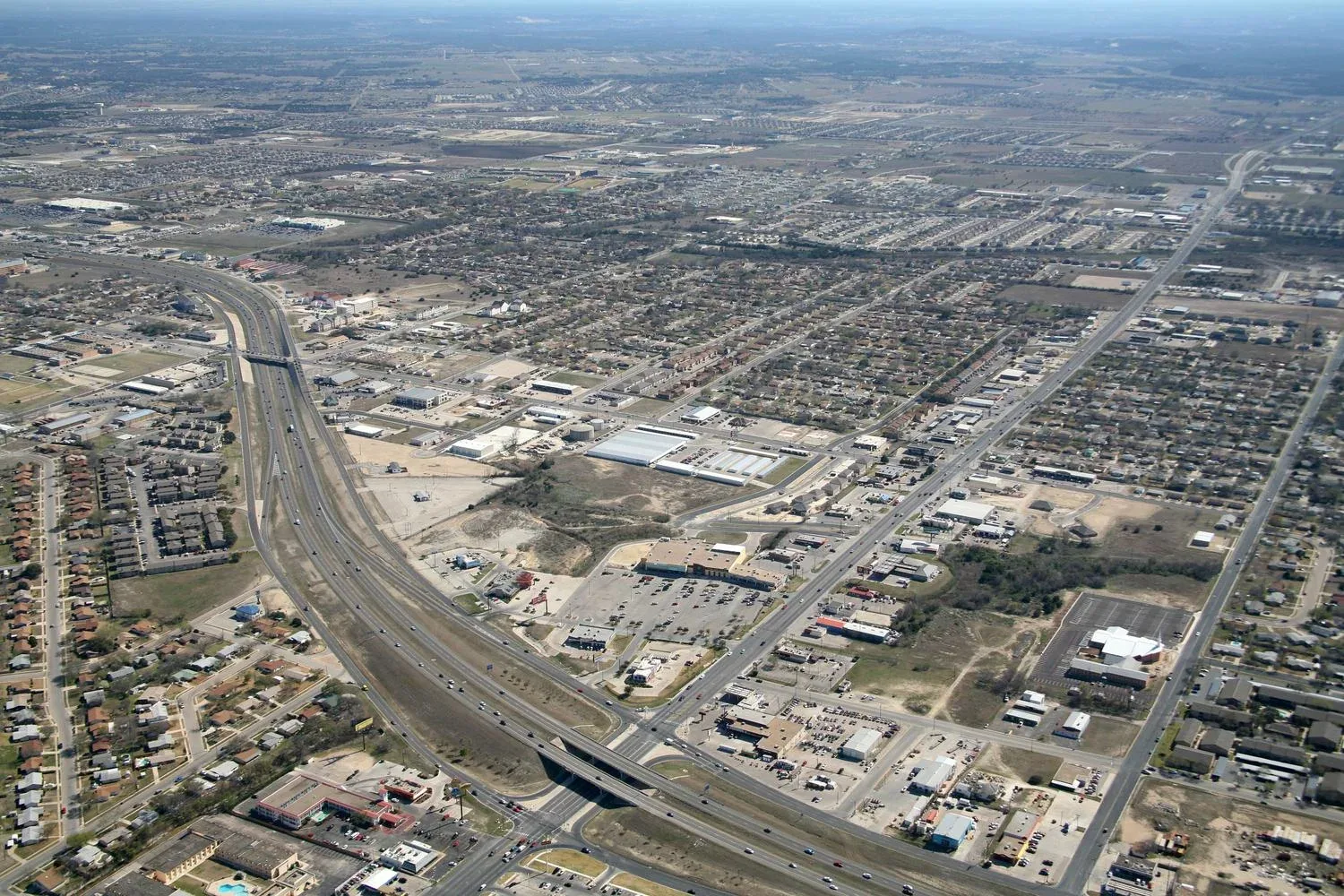
A Killeen property portfolio can include a retail roof, a medical office, and an education building with different access hours and roof assemblies. Recent commercial growth in Killeen includes restaurants, childcare, fitness, retail, education, and medical uses, each with its own access and operating needs. We start with the roof register, identify the section that needs a decision, and separate an active leak from wear that can be scheduled. That keeps a repair request from turning into a replacement assumption before the roof has been inspected.
On the first walk, we record membrane or metal type, drainage, edge details, penetrations, prior patches, and areas that were not accessible. A moisture indication is not the same as a confirmed wet assembly, and a surface mark does not establish a failure below it. The condition report ties each finding to a roof zone, so the asset manager can compare immediate work with the next budget window. A commercial roof inspection can establish that starting record,
Which roof section needs a decision first?
Killeen's growth is planned through 2040, but development patterns do not establish access or roof conditions at an individual property. Keep each property record current as ownership and use change. We compare the assembly, maintenance history, leak reports, and access limits for each property instead of using the age of a neighboring roof as a proxy. A small confirmed repair and a wider wet area should not share one undifferentiated scope.
The Killeen-Temple metropolitan area includes Bell, Coryell, and Lampasas counties. For an owner managing property across that area, a consistent roof register can make inspection timing and capital requests easier to compare. Each entry needs its own roof boundary, condition, and unresolved question. If a building contains several roof systems, the map should show where one field ends and another begins. The asset record can connect those observations to a replacement cycle without treating a regional plan as a roof diagnosis.
What does Killeen heat change on the roof?
Killeen averages 18.3 days each year with highs of at least 100°F; summer roof walks should account for heat exposure and surface conditions. That frequency makes the condition of exposed seams, sealants, coatings, and edge details worth recording, but it does not prove that heat caused a particular failure. We look for loss of bond, brittle material, movement at a transition, or a repair that no longer terminates on sound membrane. If the roof surface is hot during a walk, we note the conditions and schedule any adhesion-sensitive work for a suitable window.
We confirm whether equipment needs shutdown, whether tenant spaces below need protection, and how long an open section can remain exposed during installation. A roof recover may reduce removal work where the assembly is sound, while wet insulation or a weak deck can make removal the better comparison. The TPO assembly is one option to evaluate against the actual deck, attachment, and details. We show the assumptions beside each option so the capital plan can be reviewed on evidence.
Where does rainwater leave the assembly?
Killeen receives an average of 34.75 inches of rain each year, so the roof walk should trace runoff through the full drainage path. The number is climate context, not a forecast for a specific property, yet it makes the drainage path a regular inspection item. We trace water from the field to drains, scuppers, overflows, and the roof edge. A clogged bowl, settled insulation, blocked overflow, and deflected deck call for different work. When ponding remains, we measure and map it rather than assuming a new membrane will correct the slope.
At a low point, we check seams, drain clamping rings, nearby patches, and the insulation where the condition suggests moisture may be present. A thermal pattern can help identify a sample location, but a core or test cut confirms the material at that point. The report distinguishes the image, the opened sample, and the repair boundary. For an active leak, a leak investigation can connect the interior symptom with the roof surface, while a Downtown Killeen roof visit can account for the property's own operating schedule.
How should repair, recover, and replacement compare?
A localized repair can make sense when the defect is defined, nearby material remains serviceable, and the deck is sound. A recover needs evidence that the existing layers are dry enough, compatible, attached, and able to support another assembly. Replacement becomes more compelling when moisture, attachment loss, failing details, or repeated repairs extend across the section. We map the boundary and show what was tested before pricing, then list drainage, edge metal, insulation, or curb work as separate items when those conditions change the scope.
Cost and timing depend on roof area, access, tear-off and disposal, material selection, deck repairs, drainage corrections, occupied hours, and weather protection. A low allowance may not include the same transitions or testing as a complete scope. We identify assumptions, unit quantities, and the point where concealed conditions require approval before added work continues. A recover comparison can sit beside a replacement proposal with the same roof map. That gives a reviewer a fair basis for weighing capital timing instead of comparing labels alone.
What does an occupied property need before work?
Killeen has retail, medical, education, fitness, childcare, and food-service properties; schedules vary by tenant. We confirm receiving hours, customer entrances, sensitive rooms, rooftop equipment, and the route for moving tools and materials. The facility lead can identify an area that needs a quieter window or a shutdown before a curb is disturbed. We plan each roof section so the daily opening can be secured, and we keep temporary protection separate from permanent membrane work.
Road names can help orient a delivery, but they do not establish a private gate, lift location, or roof hatch. We verify those at the property and document the agreed staging area before mobilizing. Near the North Killeen Revitalization Area, for example, a roof scope still depends on the specific site's loading and occupancy constraints, not on the district label. A phased sequence can reduce interruption without weakening the tie-in at each day's close.
What should the roof register preserve?
The closeout file should include dated photographs, a roof-zone map, material installed, repaired details, test locations, inaccessible areas, and work that remains open. We note whether water testing occurred or whether the inspection was visual. If an assembly was only partly renewed, the map marks the boundary between retained and new roof.
When a condition was not confirmed, we write the next step that would resolve it, such as access to another section, a sample, or a review by a structural or mechanical trade. The owner can assign follow-up to the person who controls the hatch, tenant coordination, or equipment shutdown. A condition report supports future maintenance, and a keeps each roof section separate. Request a Killeen roof walk when the team needs scoped options that can be compared with the budget window.
Commercial Roofing Questions
Can one inspection cover several buildings?
Yes, if the record keeps each building and roof section separate. We can coordinate a portfolio walk, but each assembly, access limit, finding, and next action receives its own map reference so a condition at one property is not carried over to another.
How do you decide whether a roof can be recovered?
A recover depends on the moisture, attachment, deck, and number of existing layers. We review available records and test representative areas where needed, then show which sections qualify and which need removal or a separate investigation.
Will a hot-day inspection confirm heat damage?
No. We document what the material shows, including bond, surface condition, movement, and prior repairs. Temperature history informs the inspection context; it does not establish a cause for a defect on a specific roof.
What makes a roof estimate difficult to compare?
Different boundaries, testing assumptions, tear-off quantities, edge transitions, and drainage items can change the work. We state those items separately and identify what remains unverified, so the owner can compare the same roof sections across options.
What should be ready before a roof walk?
The most useful items are roof access instructions, leak locations, prior repair records, equipment restrictions, and tenant hours. If records are incomplete, we can still map what is visible and list the access or test needed to close remaining questions.
Set the next roof decision
Request a Killeen roof walk and a condition record that separates confirmed work, testing, and capital options by roof section.