
Commercial Roofing for Property Managers in Killeen, TX
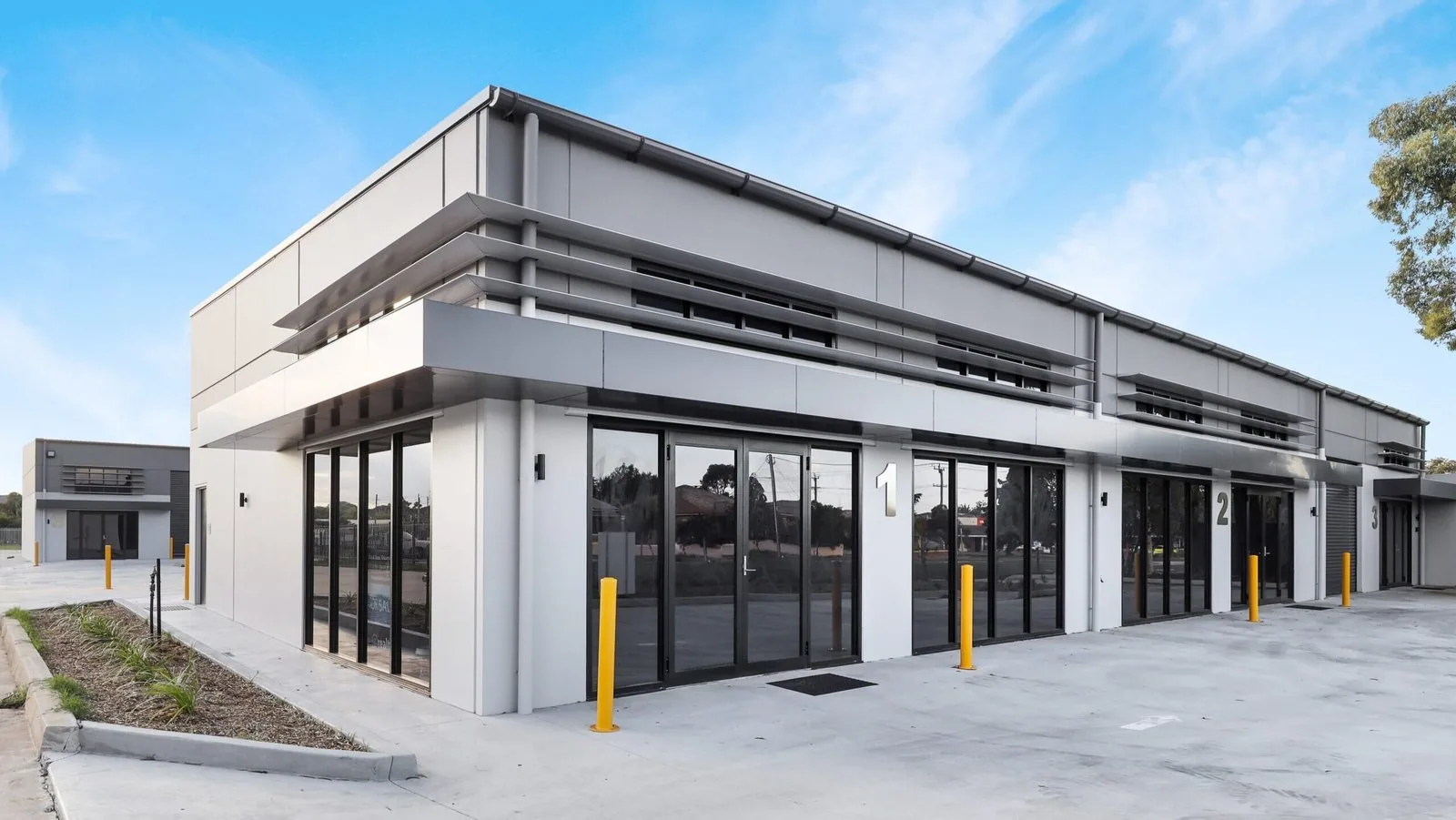
A property manager with several roofs needs the same decision record for each building, but not the same repair prescription. We begin with the roof register, current leak reports, assembly, and any tenant or access constraint that changes the work. In Killeen, 278 occupancy certificates were issued across commercial uses from April 2025 through March 2026. That activity is useful context for managers planning new handoffs, not a count of roofs or a claim about an individual property. Each building still needs its own documented inspection and service history.
We identify roof sections, seams, edges, penetrations, drainage paths, and repair patches, then separate observed defects from conditions that need testing. The report can support today's work order and the next budget window. A roof asset record is stronger when it ties photos and repair boundaries to a plan rather than a property nickname. We can also coordinate scheduled inspections around access the manager has already cleared.
What should each roof register entry capture?
Give every roof a stable identifier, section map, system description, installation or repair records when available, and the date of the last inspection. Do not infer age or material from a listing or aerial view. We confirm what can be observed and mark missing information as an open question. For each defect, the record should show location, photo, severity basis, temporary action if any, and the repair that remains. This keeps an owner from mistaking an emergency covering for a completed permanent repair.
Property teams can sort findings by immediate exposure, recurring maintenance, or a capital decision, but each label needs a reason. An open seam at one curb may fit a local repair; multiple wet sections or repeated perimeter failure can justify a wider review. We state the evidence behind the recommendation and identify where a test opening or moisture survey could change the boundary. A condition report should help a regional manager compare assets without flattening unlike systems into one score. Link the entry to the roof plan, work order, and closeout photos.
How do tenant operations affect roof scheduling?
A roof phase should identify the spaces below, the delivery route, noise-producing tasks, overhead protection, and the time needed to close each day's work. Managers can supply tenant hours, loading windows, sensitive equipment areas, and any required notice. We use that information to propose a sequence and identify where owner approval remains open. A schedule should not promise uninterrupted use when a roof opening, odor, lift, or blocked drive creates a real constraint.
When a repair touches a tenant suite or interior ceiling, roof access does not authorize entry below. We keep those permissions separate and state what the manager must arrange. If a building contains retail or dining uses, US 190 and Business 190 are among the city's named thoroughfares, while Killeen's downtown commercial core extends from Rancier Avenue/FM 439 to Veterans Memorial Boulevard/Business 190. These corridors help frame arrival planning; they do not establish a property's loading or parking rules. A phased occupied-building scope can mark work zones, owner notice, and daily weather closure.
Which findings belong in this quarter's work order?
Start with active water entry, loose metal, open flashing, blocked drainage, exposed insulation, and defects that can worsen before the next planned visit. We document the condition and any temporary stabilization separately from permanent correction. A repair option should name the roof section, compatible material, adjacent details checked, and any area that remained inaccessible. If the repair depends on dry substrate or a test result, we list that as a condition instead of treating it as a confirmed quantity.
Managers often need a second option for recurring defects. We can compare a focused repair with section replacement or recovery when attachment, moisture, drainage, and edge height support the alternate. A repair proposal and replacement scope should use comparable boundaries so the owner can see what changes in the work. For a coating candidate, we inspect the surface and drainage before recommending coating restoration. The decision should state what we observed, what remains concealed, and what test would reduce uncertainty.
How can a manager compare assets without false precision?
Finance, insurance, and real estate account for 3,247 local jobs, but that market context cannot establish a roof's age, condition, or remaining serviceability. That economic context may be relevant to the property-management role, but it says nothing about the condition or value of a particular roof. Capital planning should therefore draw on the roof file: system, repair history, moisture findings, remaining serviceability, drainage, and the cost drivers attached to each option. We flag missing records rather than invent an age or life estimate.
For a portfolio review, sort buildings by the evidence and timing of the next decision. A near-term repair, test, and replacement study are separate actions with different outcomes. We can prepare a capital comparison by section and show assumptions alongside confirmed quantities. The manager can then align vendor access, lease responsibilities, and budget approvals without treating a general benchmark as a property-specific forecast. Where a new building enters management, request roof drawings, warranties, and closeout records before relying on the prior owner's labels.
What should close out a roofing work order?
Closeout should include before-and-after photos, the exact repair boundary, materials installed, weather closure, any concealed condition found, and the next inspection or maintenance item. If the scope changed, record who approved the change and why. Add the invoice and warranty documents supplied for the installed work to the same service record. This makes a later leak review more useful because the next manager can see whether the current report overlaps with a previous repair or a different roof section.
For a Killeen management assignment, share the site plan, roof access rules, open work orders, tenant restrictions, and available service history. We can walk the approved areas, prepare a condition report, and separate urgent protection from planned capital work. A Killeen roof review can be staged around the manager's actual access process. For a broader holdings plan, compare the same fields with investment-portfolio review needs, while keeping each building's observed condition distinct. If a portfolio includes clinical properties, we can compare building records with healthcare system planning without assuming that roofs share a condition.
Commercial Roofing Questions
Can one inspection cover several managed buildings?
Yes, if the visit plan lists each property and the access approvals are in place. We report findings by building and roof section, then identify areas that could not be reached so the portfolio summary does not imply complete coverage.
How should recurring tenant leaks be prioritized?
We compare the reported rooms, timing, roof section, and prior repair record. Active water entry or an exposed opening may need prompt stabilization; a permanent repair still depends on locating the entry and confirming the surrounding assembly.
Can a roof rating set a replacement date?
A rating can organize review, but a date needs evidence about condition, moisture, attachment, repair history, and the owner's capital criteria. We explain assumptions and show where a test or further inspection could change the timing.
What should be included when management changes?
Collect roof plans, system records, warranties, prior proposals, invoices, closeout photos, access rules, and open leak reports. We can verify the accessible conditions and flag where the inherited file does not establish the current assembly or repair status.
How do you separate emergency work from the permanent scope?
We document the active opening and any temporary weather measure first, then inspect the assembly for permanent correction. The proposal keeps both actions distinct, with the remaining exposure and follow-up decision stated.
Build the roof file around each property
Send the roof plans, open work orders, access rules, tenant windows, and prior service records. We can inspect cleared areas and return section-level findings that separate immediate repair from longer-range capital decisions.