
Grocery Store Roofing and Leak Response in Killeen
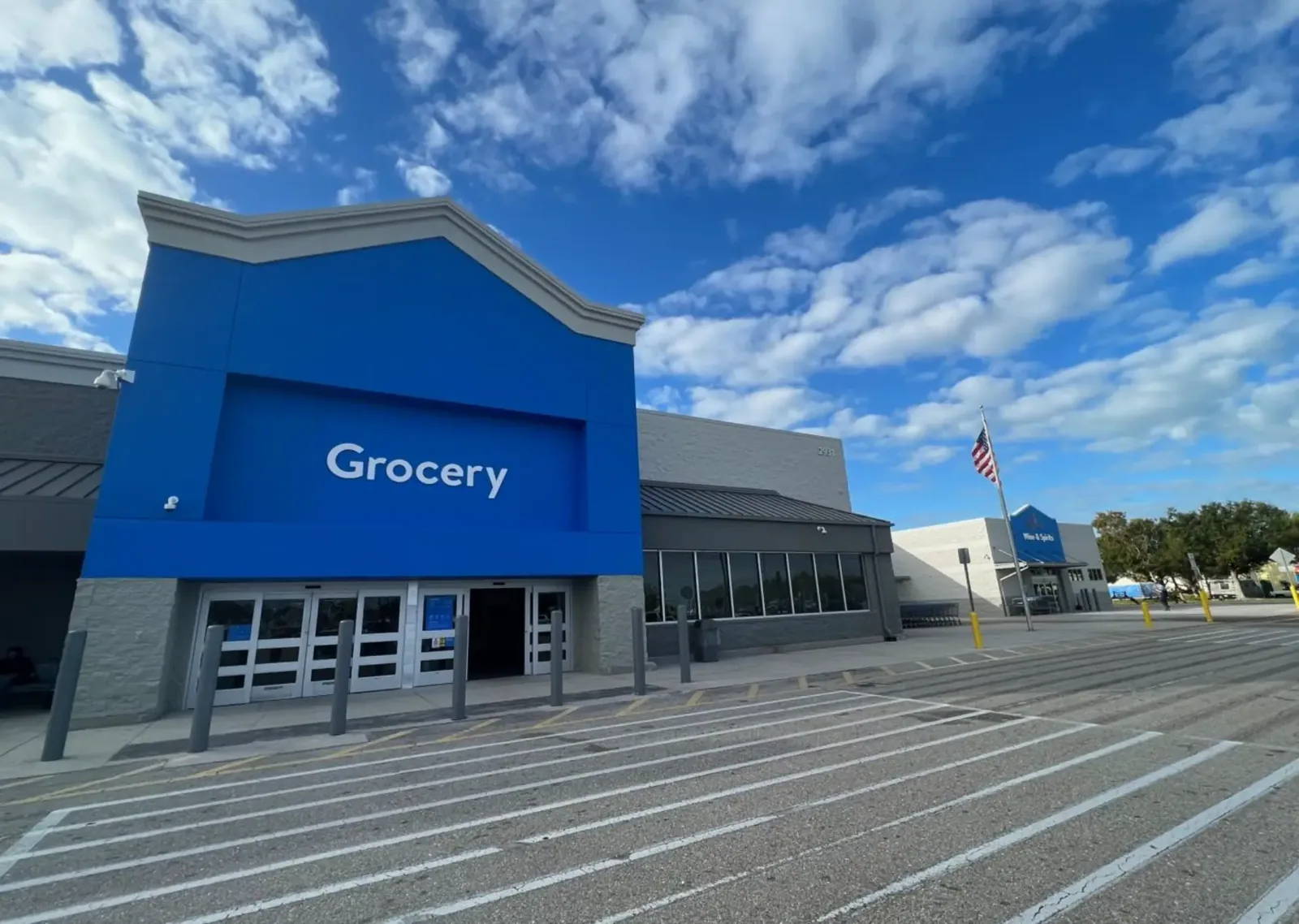
A grocery roof protects sales areas, cold storage, food preparation, offices, receiving, and equipment that may need to operate continuously. A leak near refrigeration or food handling needs a coordinated response, but the roof source still must be verified rather than guessed from the interior stain. We identify the reported area, inspect accessible roof sections, and document how the observed condition relates to drains, penetrations, walls, or prior repairs. The scope should explain immediate protection, permanent work, and who coordinates each operating constraint.
Retail supports 5,334 local jobs, and a grocery roof plan should keep deliveries, refrigeration operations, and customer routes in view. That figure does not describe a grocery property’s roof, but it is useful context for owners managing active commercial space across town. The job plan itself remains site-specific: cold-storage equipment, receiving access, leak history, and the sections that must stay protected during store hours.
How can work protect temperature-sensitive operations?
Ask the store contact to identify refrigeration equipment, food preparation rooms, receiving, inventory areas, and any interior space where water could affect product or electrical systems. Map those areas to the roof plan. Record the nearest drains, curbs, penetrations, and previous repair locations. The roofing contractor should coordinate protection and access with store operations, while the store team retains authority over food handling, inventory movement, and equipment controls.
If active water is reported, document what is wet, when it was first noticed, and what temporary protection is already in place. Keep the affected zone clearly identified until the condition is assessed. A ceiling stain can reflect a path that begins away from the visible interior damage, so trace the roof area and nearby transitions before assigning a cause. The commercial leak repair process should distinguish emergency stabilization from a durable repair and note any test or access restriction still needed.
Which receiving windows leave room for roof work?
Grocery deliveries use defined windows and truck paths. Before mobilization, confirm those windows, customer entrances, service doors, dumpster access, lift locations, and any aisle or stockroom access needed for leak tracing. Set the daily start and stop point for each roof section, including weather protection and a secure handoff. Keep material staging away from drains and routes that the store needs to keep open.
Choose work zones that limit disruption while still allowing the crew to complete a complete detail before leaving the roof. If a phase crosses a kitchen, refrigeration, or electrical zone, assign one store representative to coordinate entry and any shutdown approval. Do not assume a night shift is automatically safer or more convenient; access, lighting, noise, and emergency response still need review. A phased occupied-building plan can describe sequence, protection, and daily turnover for a store that remains in service.
What can drains and rooftop equipment reveal?
Track each issue against freezer and cooler equipment, prepared-food space, loading, and customer areas. A drain problem may affect a broad section, while a curb or seam failure can have a narrower source. Note what was tested, what was observed, and where access was limited. A restaurant roof plan has similar kitchen coordination, while big-box store work handles a different receiving footprint. The report should not assume a ceiling symptom identifies the exact entry point.
Keep each observation tied to a roof section and photograph. A broad sentence such as “the roof is failing” does not tell a manager whether a drain, seam, penetration, or edge needs attention. Separate a confirmed opening from a suspected path and list the next inspection step when the evidence is incomplete. This helps the store decide whether to authorize a localized repair, a targeted test, or a larger condition review.
How can storm evidence be separated from older wear?
For a grocery store, a dated record matters when ownership is tracking property changes in the North Killeen Revitalization Area. That district is one of Killeen’s broader commercial areas; it is not a description of any individual roof. We connect the current inspection to the store’s loading door, equipment zones, and earlier repairs so future staff can distinguish new findings from old work.
Do not promise that an insurance claim will be covered or that a particular mark proves storm causation. The building owner and its advisers handle claim decisions. A roofer can document accessible conditions and prepare a repair scope based on observed damage. See hail-damage roof review and commercial roof repair options for a practical separation between inspection findings and proposed work.
How can options be compared without losing store context?
Compare repair, recovery, and replacement using the same defined roof areas. A limited repair may suit an isolated defect when surrounding material remains serviceable. Recovery depends on existing layers, moisture, deck capacity, transitions, and applicable requirements. Replacement brings removal, disposal, temporary weather protection, and more coordination with receiving and interior operations. If the roof has different sections or histories, identify them separately instead of applying a single conclusion to the whole store.
List each cooler curb, drain, edge, and membrane repair by roof zone. Show who will disconnect or reset equipment and what must be operating before food areas return to normal use. Keep a night-shift allowance separate from the base scope, and identify where a crew may need to protect inventory below. A leak repair should be compared with a broader replacement only when both bids cover clearly defined areas. The roof plan can make that comparison legible to a store manager and a facilities reviewer.
What will help store staff use the repair record later?
Closeout should identify roof zones, repair locations, materials, photographs, approved changes, and any follow-up or maintenance requirement. Store the information with the building records, not only in an invoice. A future leak call is easier to evaluate when the manager can see whether the affected drain or curb was previously serviced. Mark inaccessible roof areas and open questions so a later inspection can close them.
Keep the building name, delivery door, roof access, cold-storage equipment, and repair zones current in the maintenance file. A record by date and section helps staff distinguish new findings from earlier work. Rancier Avenue is a useful Killeen reference when locating a store, but site staff still need to confirm its receiving entrance and roof access. When location context matters, the North Killeen service area can orient the discussion; the store still needs its own roof map and access plan.
Commercial Roofing Questions
What should happen when a grocery store reports an active roof leak?
Protect the affected interior under the store’s procedures, record the location and time, and arrange a roof inspection of the related section and nearby details. Do not assume the roof opening is directly above the stain. Document temporary measures, access limits, and whether the source is confirmed or still under review.
Can roof work be done while refrigeration stays in operation?
The store and contractor should map refrigeration zones, equipment supports, utility lines, and interior protection needs before setting the sequence. Any shutdown, reset, or temperature-control decision belongs to the authorized store and mechanical teams. The roofing scope should identify the flashing work and its trade boundaries.
How can a grocery roof replacement limit disruption?
Divide the project into sections with delivery, customer, and service access considered. Set a daily secure stop point, weather plan, material staging route, and store contact for field decisions. Confirm the schedule against actual receiving and operating windows rather than assuming one shift pattern fits every store.
How should a store separate new roof findings from prior repairs?
Compare dated photographs, work orders, and current observations by roof section. We can identify visible damage, open seams, and earlier patches, then mark anything that needs testing. A report should distinguish a confirmed defect from a suspected source so the facilities team can approve the next step with the evidence in hand.
What should be included in a roofing proposal for a grocery store?
The proposal should identify roof sections, repairs or replacement areas, drains, curbs, equipment interfaces, protection, access, exclusions, allowances, and closeout records. Define which trade handles equipment disconnect and reset, and how concealed conditions are documented and authorized.
Plan grocery roof work around the store
Share the roof plan, leak log, receiving windows, equipment list, and access rules. We can document visible conditions and outline repair or replacement options with clear protection boundaries.