
About Commercial Roofing Killeen
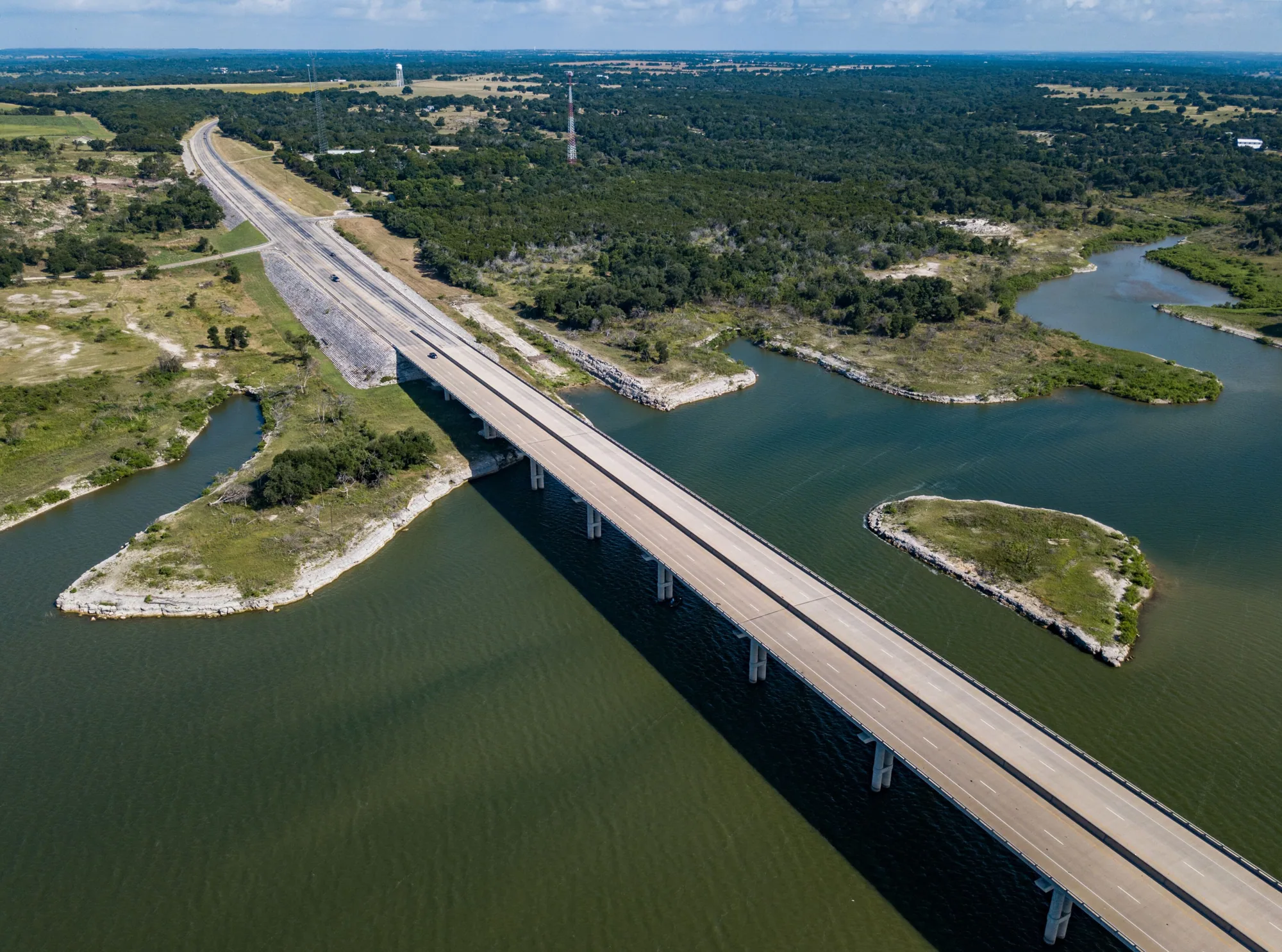
Commercial roofing for Killeen and Central Texas property owners.
A commercial roof decision should leave the owner with more than a recommendation. We document the assembly, observed condition, access limits, and work boundary so the next step can be reviewed against the building's use and budget window. Commercial Roofing Killeen works on low-slope and metal roofs, from targeted repair and maintenance to replacement, recovery, restoration, and storm-response scopes. The commercial roof inspection begins with the roof plan and the decision the owner needs to make, then records what the walk could actually observe.
What does the roof walk record?
We identify sections, visible systems, seams, penetrations, drainage paths, edge details, rooftop equipment, and prior repair areas. Photographs connect each observation to a location on the roof plan. When a surface reading, drone view, or test opening is part of the work, the report states the method and limits. An inaccessible edge or concealed assembly remains an open question until a safe way to inspect it is agreed. That distinction matters when the owner is comparing quantities, deciding whether water entry is active, or deciding whether to authorize a test cut.
A condition report turns the walk into a usable record. It separates observed conditions from interpretation, and confirmed quantities from concealed-condition allowances. If the roof includes several systems, each section gets its own notes rather than inheriting a conclusion from a nearby area. That gives the facility lead and asset manager a shared basis for a repair order, a capital review, or a later inspection.
How are repair and replacement scopes set?
A repair scope names the detail, material, access, and boundary to be restored. For a commercial roof repair, we inspect the surrounding assembly before treating a patch as permanent. Drainage, wall transitions, rooftop equipment, and earlier work can affect the tie-in. If damage or moisture reaches beyond one detail, the owner sees the test or removal decision that would change the quantity.
Replacement planning uses a larger section view. The scope can identify removal, deck review, insulation, cover board, membrane, flashing, perimeter details, equipment coordination, and daily weather-tight limits. A replacement option should state what remains, what is excluded, and how adjoining trades will release their work. A coating or recovery is considered only after surface condition, moisture, attachment, drainage, height, and system compatibility have been assessed. Options should share boundaries so the owner can compare the work itself, not just totals with different assumptions.
Which roof systems can we work on?
Our scope includes TPO, PVC, EPDM, KEE, modified bitumen, built-up roofing, standing-seam metal, retrofit metal, spray foam, and silicone or acrylic coating assemblies. The product name does not tell us what layers are present or what a repair should touch. We review available submittals and field details, then follow the specific system requirements that apply to the proposed work. A TPO assembly and a standing-seam metal roof call for different seam, attachment, flashing, and movement checks.
We also inspect and repair curbs, drains, scuppers, edge metal, penetrations, and related details. A rooftop unit may require a mechanical or electrical release before roofing work can proceed. The owner identifies that contact; our proposal states the roofing portion and the dependency. This keeps the section boundary clear when one trade's preparation affects another trade's start.
How do we plan around occupied buildings?
Commercial work often happens while staff, tenants, customers, deliveries, or equipment remain in operation. Before mobilization, we review access paths, restricted areas, noisy tasks, material staging, shutdowns, and the point at which each section will be closed for weather. The property contact confirms those limits and identifies who can release a work zone. A phased occupied-building reroofing plan should connect the roof sequence to interior protection and the schedule below.
For an active leak, request an assessment and confirm current availability, access, and temporary-protection options. The first visit focuses on safe access and practical temporary protection when water is entering. We record what the temporary measure covers, then separate it from the permanent repair. If the affected area cannot be reached safely or weather prevents a lasting detail, that limit is stated and a follow-up is planned. The owner receives a clear next decision rather than a temporary measure presented as the full correction.
What local context belongs in a Killeen roof record?
Killeen's roadway plan includes US 190 access and connectors toward Stan Schlueter Loop, including projects on Bacon Ranch Road and Cunningham Road. A commercial property in the Bacon Ranch-Little Nolan corridor or along Cunningham Road still needs an entrance, staging, and roof-access check from its site contact. The road name helps locate the conversation; it does not establish permission or a usable delivery point.
Roof records should keep the property plan, operating limits, inspection findings, and open trade dependencies together. For a capital review, roof capital planning can carry repair history and replacement assumptions into a budget window. A building along the Veterans Memorial Boulevard/Business 190 corridor still gets its own access notes and roof section boundaries. That gives the next visit a clear starting record.
What should the owner receive at closeout?
Closeout should connect the work performed to the roof sections shown in the scope. We retain dated photos, materials and submittals, inspection or test records, change approvals, exclusions, and open items. For ongoing care, a preventive maintenance visit can establish a dated baseline and keep drains, seams, flashing, and prior repairs on the next walk. A report should identify who needs to act on any item and what evidence would settle it. Name the person responsible for each open item and the date it will be reviewed.
Owners can request a roof walk, a condition report, and scoped options to compare against a budget window. Send the roof plan, existing records, current concern, access limits, and the decision deadline. We will confirm the proposed inspection area and identify any information needed before setting the visit. The resulting record can support a repair order, a capital meeting, a claim file, or a replacement comparison without promising a coverage decision or assuming a result that the roof has not shown.
Questions from Killeen Building Owners
Which commercial properties do you work on?
We work on commercial low-slope and metal roofs across industrial, office, retail, education, medical, hospitality, and other operating uses. The property records and roof assembly determine the scope, not the category alone.
What should I send before requesting a roof walk?
A roof plan, known system information, leak or repair history, access limits, and the owner's current decision help set the inspection boundary. We will identify any record or test needed to answer the question.
What should an owner do if a leak starts outside normal hours?
Protect occupants and equipment from active water, then submit the location, access limits, and current conditions. We can confirm availability and feasible timing before dispatch is planned; temporary protection depends on safe access, weather, and the roof assembly.
Do you decide whether an insurance claim is covered?
No. We document roof observations, measurements, repair options, and scope limits. Coverage and claim decisions belong to the policy and carrier process.
Where We Work
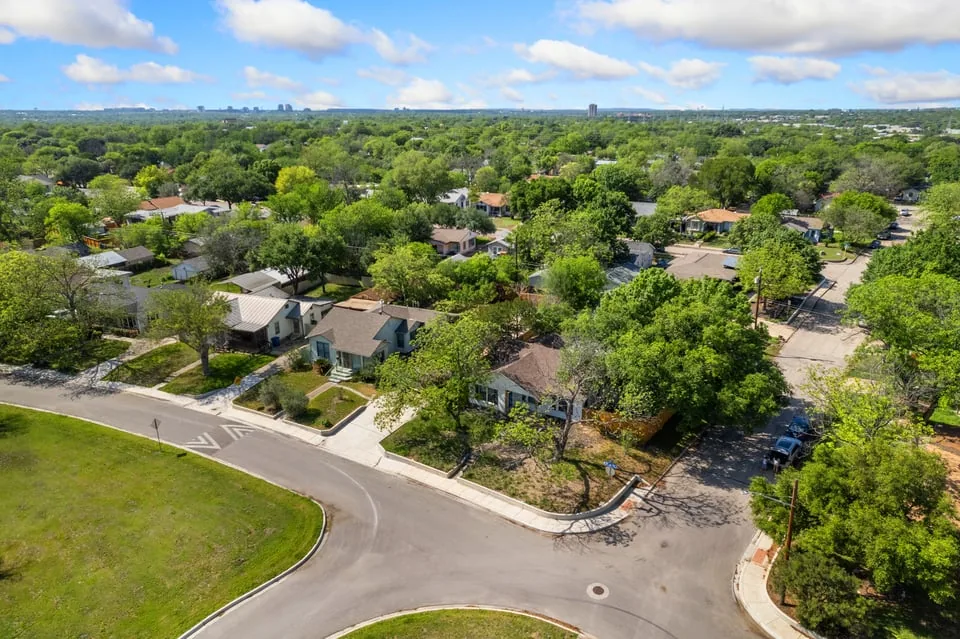
We roof commercial buildings in Killeen, Harker Heights, Nolanville, Copperas Cove, Belton and Temple.