
PVC Roofing in Killeen, TX
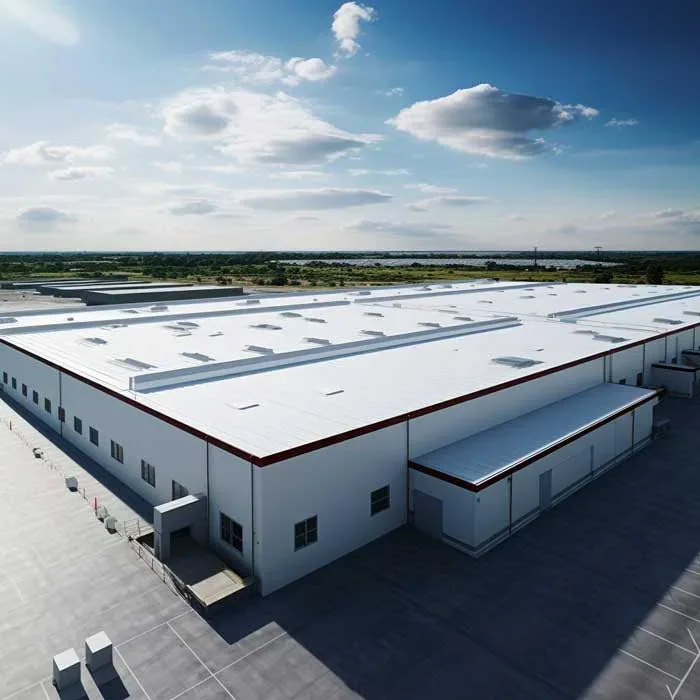
Where a commercial roof sees grease, service traffic, or frequent equipment access, PVC may belong on the comparison list. The decision still starts with the existing assembly, roof use, drainage, and the owner’s maintenance record. We inspect the substrate and detail conditions, then compare the specified PVC system with other viable options. A membrane label does not settle compatibility, service life, or warranty coverage for the building.
What Conditions Should Drive a PVC Specification?
PVC is a thermoplastic membrane with heat-welded seams. Product formulation, reinforcement, thickness, accessories, and approved details differ by manufacturer. We confirm the specified product and check that the deck, insulation, attachment, perimeter, and penetrations fit the design. If a kitchen exhaust or process area creates grease exposure, the owner should share that condition early so the designer can select an appropriate system and detail.
We record roof traffic, equipment service routes, drain locations, and any area where maintenance staff cross the membrane. A service path may need compatible walk pads and clear access to equipment. The roof map also notes where a prior repair or coating changes the substrate. A commercial roof walk helps identify those conditions, while a TPO system comparison can frame material differences without assuming one membrane fits every roof.
How Are PVC Seams and Flashings Checked?
Field seams need a clean surface, suitable overlap, and a consistent weld. We inspect laps and terminations, sample or probe where appropriate, and check whether corners, pipe boots, and curb flashings use compatible components. A seam opening at a detail may call for localized repair. Repeated separation across a field may point to a broader installation, movement, or substrate issue. The inspection records where the condition begins and how far it extends.
We do not use a cosmetic stain as proof of failure. The scope identifies the seam, detail, or transition that needs work and the test used to confirm the repair. A penetration flashing review can address complex corners, and KEE/PVC system information can help distinguish related product categories. The approved manufacturer documents remain the basis for compatibility and installation procedure.
What Should a Storm Review Establish?
After a storm, we compare new observations with the roof’s previous condition record. Check for punctures, displaced metal, opened laps, debris impact, and water entry at curbs or drains. On March 25, 2003, hail reached 1.75 inches in Killeen alongside a tornado classified F0; current inspection must establish any roof impact. A current inspection should identify visible evidence and leave any uncertain damage assessment open for testing.
For a property along the West Trimmier Road corridor, access planning is confirmed with the facility contact, not inferred from corridor conditions. Killeen ranks West Trimmier among its first four high-priority thoroughfare projects; that priority does not establish a current closure or a roof defect. Rancier Avenue is also part of Killeen’s named thoroughfare network, useful for orientation but not a substitute for confirming a property’s gate, loading area, and roof access. When a claim is involved, the owner can keep weather reports, dated photographs, inspection notes, and repair records together. The hail-damage review can focus on the observed membrane and edge conditions rather than an assumed event loss.
Which Support and Edge Details Need Attention?
PVC performance depends on a complete assembly. We review fastener pattern, plates, insulation attachment, perimeter securement, parapet terminations, and transitions to other roof materials. Wind design and project specifications determine the required attachment. A walk can note visible defects, but concealed deck capacity and pull-out resistance require the appropriate design or testing. We keep those responsibilities separate in the proposal.
Edge metal should remain secure and compatible with the roof termination. At curbs and pipes, flashing must allow movement without leaving a gap or trapping water. We check the drain path and the detail around each obstruction before approving a repair. A curb and support assessment can coordinate roof-side work with mechanical contractors. If the assembly is approaching replacement, the replacement scope can list attachment, insulation, and edge details together for bid review.
How Can PVC Be Compared With Other Assemblies?
Compare the PVC product and thickness, reinforcement, attachment, insulation, edge details, maintenance, warranty terms, and the property’s use. The design should address chemical exposure where relevant and state how the roof transitions to adjacent systems. A low bid that omits substrate work, drainage correction, or accessory details does not represent the same assembly. We identify those inclusions and exclusions so the owner can compare scope rather than label.
The owner may also weigh repair, recover, and full replacement based on condition and test results. If moisture or attachment is unknown, testing should precede a decision that covers the roof. A replacement estimate should be compared with a targeted repair, and a warranty record review can identify inspection duties that continue after closeout. No product selection eliminates maintenance or the need to follow its approved details.
What Goes in the PVC Roof Record?
Keep the selected product, approved details, roof map, seam and perimeter photographs, test locations, warranty documents, and maintenance instructions. The service record should identify repaired areas and any zone not accessible during the visit. If the system is installed over an existing roof, note what layers remain and what evidence supported the recover decision. Those details make later inspections more useful and keep a warranty question tied to the actual assembly.
Share roof plans, known chemical or grease exposure, repair history, and expected equipment changes before the site walk. We can inspect the existing membrane, identify scope boundaries, and return a written comparison for the capital plan. If a building near West Trimmier has a specific delivery or access restriction, the facility team confirms it directly. The roof and the operating plan, not the road name, determine how the work should proceed. An owner can use the map to set inspection intervals by roof section and flag areas where equipment changes may require a new flashing review.
Commercial Roofing Questions
Is PVC a fit for a roof near a kitchen or exhaust outlet?
It may be considered, but the designer needs to evaluate the actual exhaust, grease exposure, distance, and specified membrane formulation. We document the roof-side condition and detail. Product selection and warranty terms should be confirmed in the approved system documents before installation.
How do you tell whether a PVC seam has failed?
We inspect the lap and termination, then use an appropriate probe or test method where conditions allow. A surface mark alone does not establish separation. The report identifies the tested area, observed opening, and repair boundary so the owner can distinguish a local defect from a wider pattern.
Can PVC be installed over another single-ply membrane?
That depends on the existing membrane, attachment, moisture, layer count, and approved design. A recover needs a compatible separation or attachment approach and a sound substrate. We verify the assembly and document testing before comparing it with tear-off and replacement.
Does a storm date prove damage to a specific roof?
No. A local storm record provides context, not property-level evidence. We inspect the roof, compare prior photographs, document new conditions, and recommend testing where the surface does not show enough to support a conclusion. The repair scope should match observed damage.
What documents should be retained after PVC installation?
Keep the product and accessory submittals, approved details, installation photos, inspection notes, warranty terms, and a map of repairs or tests. Note areas that were inaccessible. A complete record helps a future roof walk compare seams and terminations with the original work.
Compare membrane choice with roof use
Share the roof plan, exposure concerns, repair records, and warranty documents. We can inspect the assembly and return a PVC scope with its detail and access assumptions.