
Commercial Roof Recover in Killeen, TX
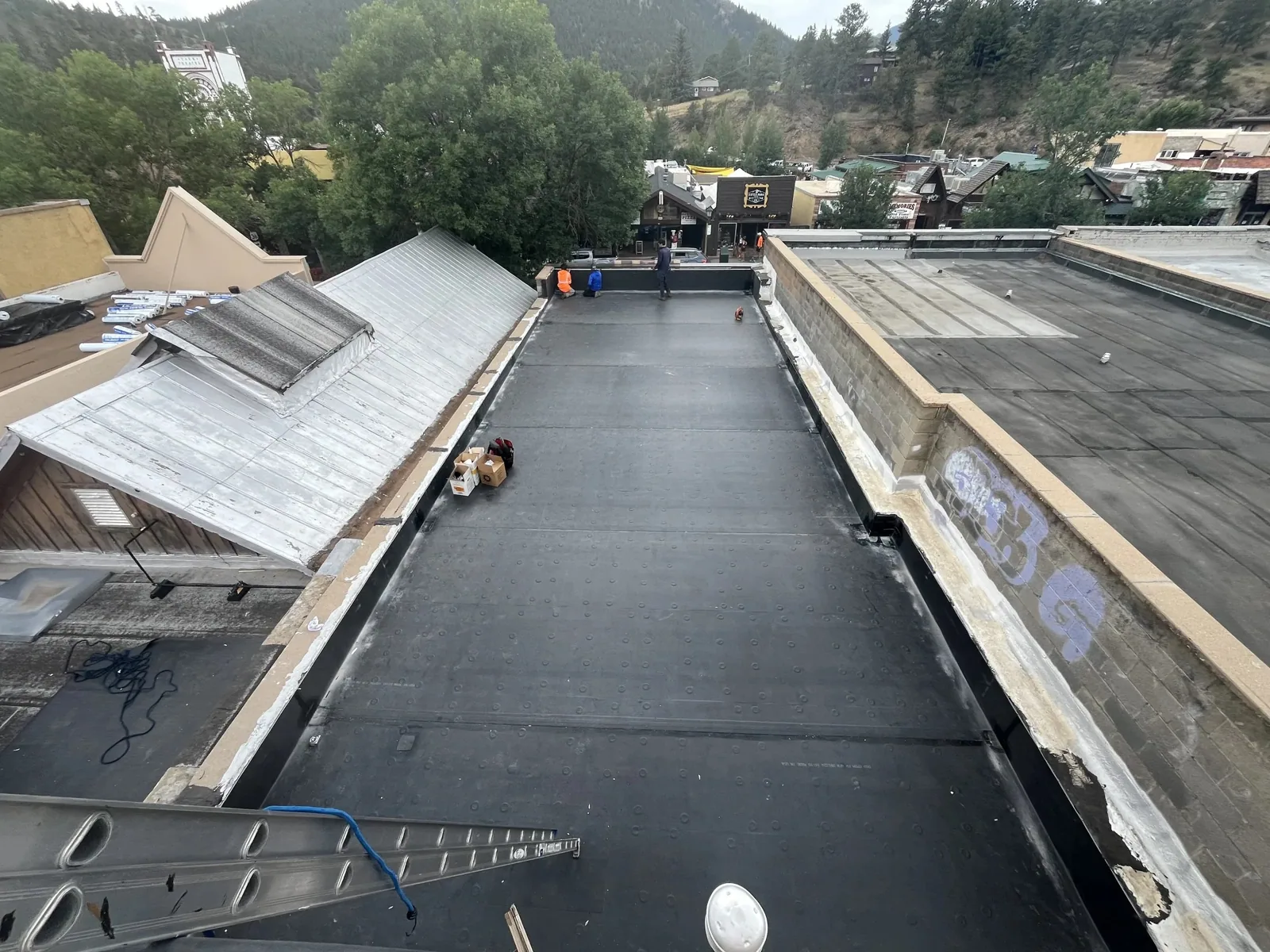
A recover can preserve a sound roof assembly, but it cannot correct wet insulation or a weak deck hidden below it. We inspect the existing layers, test suspect sections, and review drainage and attachment before adding height to the roof. On a retail property near Veterans Memorial Boulevard, an overlay may reduce tear-off disruption if the substrate and transitions support it. On a warehouse near Stan Schlueter Loop, staging and loading access still shape the work. The report compares those conditions with removal before the owner commits capital.
What Can Stay in Place?
We start by identifying the roof assembly, prior repairs, and any areas where water may be trapped. A walk can show open seams, loose membrane, blisters, ponding, or movement, but it cannot confirm moisture inside every layer. We select representative test cuts or cores, photograph the material, and mark the locations on a roof plan. Where samples confirm wet insulation, we outline removal instead of assuming an overlay will dry the assembly.
Killeen’s annual precipitation normal is 34.75 inches. Rain still has to leave through functioning drains and overflows. Water that remains at a seam can compromise an otherwise serviceable section. The owner receives confirmed findings separately from image patterns or inaccessible locations. A moisture survey can help prioritize samples, and a hands-on inspection checks details that aerial or thermal imagery cannot resolve. That evidence defines which sections qualify for a recover.
Can the Deck Carry Another Layer?
The existing deck, fastening pattern, and roof structure must support the proposed system. We check fastener pullout where needed and review deck type, corrosion, deflection, and attachment limits. Adding a cover board or membrane changes roof height at parapets, equipment curbs, drains, and door thresholds. Those transitions are measured before we price the work. If the deck needs structural review or a curb cannot be raised cleanly, that item stays visible in the comparison.
A mechanically attached TPO overlay and an EPDM recover require different substrate and seam details. System choice follows the roof, not a preference for avoiding tear-off. We describe the attachment assumptions and note any testing needed before fasteners or adhesives are selected. If the surface is loose, saturated, or incompatible, a tear-off scope may provide the clearer base for a lasting assembly.
For the capital comparison, we show the recover and tear-off alternatives using the same roof map. Each option names the sections tested, the materials assumed, the transitions that change, and the deck conditions that could add work. If one building has a dry assembly and another has failed insulation, the owner can phase the qualified roof without applying one decision to the entire portfolio. We also identify any area excluded from the recover because testing or access did not resolve its condition.
That level of detail helps a reviewer understand the exposure behind the initial estimate. A low bid that excludes drain extensions or curb height changes may not represent the same work as a complete recover scope. We list those items and note which party must provide equipment shutdown or structural review before a final price is set. The comparison keeps included work separate from assumptions that still require confirmation.
How Will Added Height Affect Drainage?
Every added layer affects the route water takes to drains, scuppers, overflows, and roof edges. We measure outlet elevations and look for low areas, settled insulation, blocked bowls, and failed crickets. A recover may need drain extensions, tapered insulation, or new flashing height. If ponding is driven by a deflected deck or incorrect slope, a new membrane alone will not change that geometry. The estimate separates drainage correction from the new field system so the owner can compare cost and scope.
Killeen averages about 18.3 days a year with highs reaching 100°F or higher, a reason to review exposed seams and edge details during a roof walk. We use the actual installation-day surface and material conditions to plan handling; measured elevations and slope, rather than temperature history, determine the drainage design. A reported hail or wind event calls for a roof-side inspection; the event itself does not prove damage at the property. A drain and overflow scope and cover-board plan should follow the openings, elevations, and test results. Around Rancier Avenue, the roof still needs the same field measurements as any other Killeen site.
What Code and Permit Questions Apply?
Killeen applies the locally amended 2024 International Building Code, with construction requirements addressed in Chapter 8; confirm which provisions fit the project scope. A recover can change the assembly, height, attachment, insulation, or load. We define the proposed scope and confirm permit applicability with the city before material release. The building’s use and any structural work also affect which review is needed. We do not treat every overlay as an exempt roof-covering replacement.
Access and operation belong in the same decision. A retail center along the Business 190 corridor may need storefronts and parking open during installation. North Killeen’s reported commercial growth makes it especially useful to identify active tenant and delivery hours on each property, rather than assuming the corridor shares one operating schedule. We set the work zone, lift route, and daily tie-in point with the site contact. A phased occupied-building plan can keep the scope tied to actual access windows.
How Will the Owner Compare Options?
The comparison should show tested moisture, deck findings, attachment assumptions, drainage corrections, and areas that remain unverified. We map the recover boundary and identify any removal needed before the new system can go down. A test cut that finds wet insulation can change the price, so we state the unit or boundary basis for added work and return it for approval before covering the area. That keeps a concealed condition from turning into an untracked allowance.
Closeout photos show the new terminations, drain transitions, curbs, and any areas where existing roof remains. The condition report can support a later inspection and the owner’s replacement cycle. If hail is reported, compare the affected roof section with its baseline and current observations rather than assuming a past Killeen storm involved this building. For a downtown roof section, we note access limits and adjacent occupied space separately from assembly condition. The next decision is based on the verified roof, not a generalized idea of how overlays perform.
Commercial Roofing Questions
How do you decide whether a roof can be recovered?
We verify moisture, deck condition, existing layers, attachment, drainage, and edge transitions. Representative cores or test cuts confirm suspect areas. The report then separates sections suitable for recovery from areas requiring removal or further review.
Can an infrared scan approve an overlay?
No. Thermal imaging can help select test locations, but a core or cut confirms what is inside the assembly. We also inspect the deck and attachment before recommending another layer.
Will the roof drains need to be changed?
Added height can affect drain bowls, scuppers, overflows, and wall flashing. We measure existing elevations and include extensions or tapered insulation when the field conditions support those corrections.
Does Killeen require a permit for a recover?
The city adopts amended construction codes, and permit requirements depend on the actual work. We identify system, deck, and structural changes in the scope, then confirm applicability with the city before construction.
What if the roof has several old layers?
We identify the layers and test their condition before choosing the scope. Loose, wet, or incompatible material may require removal. The estimate marks the boundary and shows any additional work that test results could trigger.
Verify the Overlay Conditions
Set an access window for a roof walk and representative test cuts. We will map the existing layers, confirm drainage and deck conditions, and compare a recover with the removal scope.