
Commercial Fire Damage Roof Repair in Killeen, TX
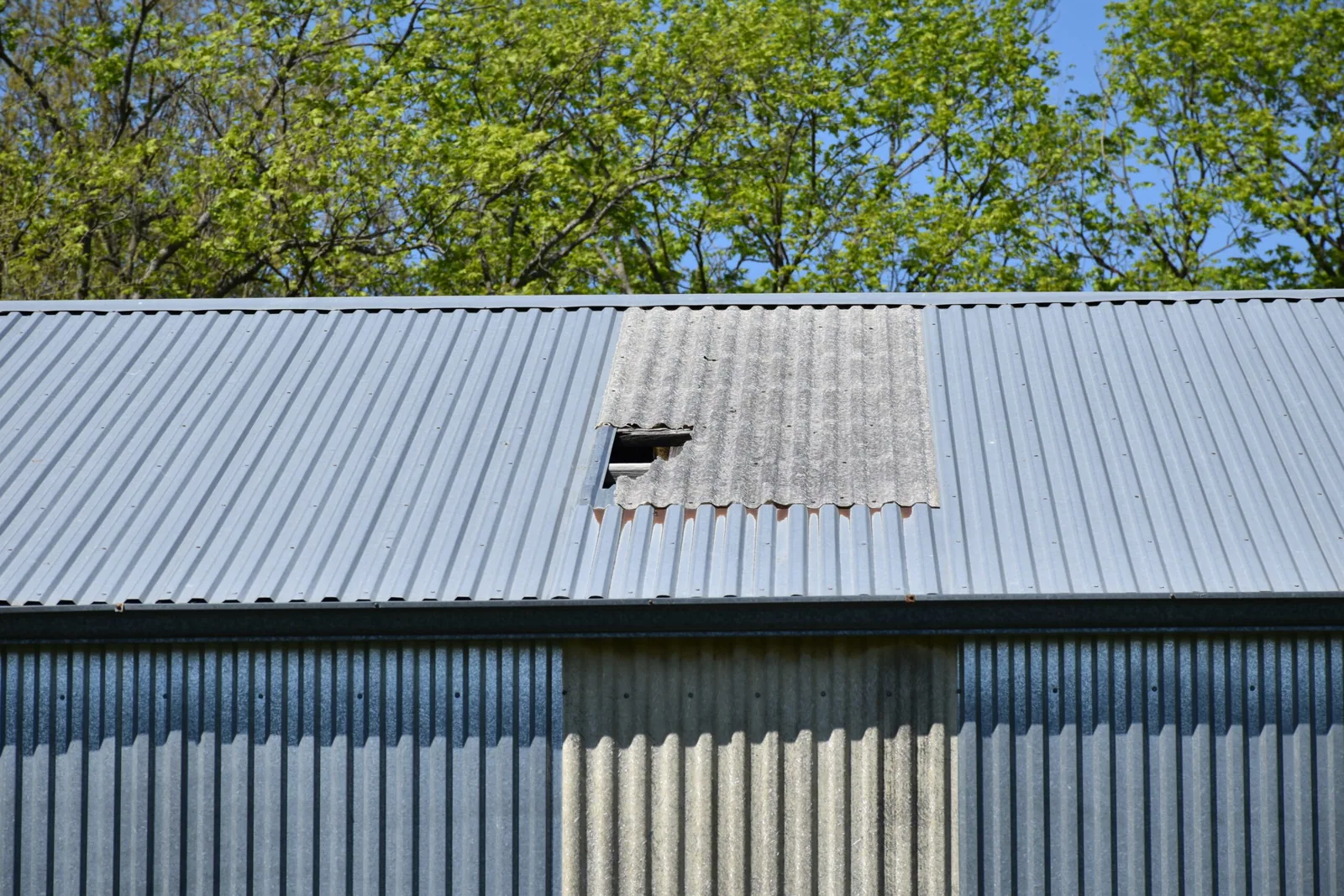
After a fire, the roof review begins once the fire official and property lead confirm safe access. We identify openings, damaged edge details, wet areas from suppression and sections that remain covered or inaccessible. The first roof plan separates temporary weather protection from permanent repair so that an emergency measure does not conceal heat damage, compromised decking or insulation that needs removal.
Heat can affect membrane, adhesives, insulation, vapor retarder and deck differently. Surface discoloration alone does not establish how far the assembly changed. We inspect from an appropriate safe position, photograph transitions in color or texture, and request testing or an opening when that result affects replacement limits. The report should distinguish observed damage from areas awaiting clearance or destructive assessment. A membrane puncture repair has a different boundary from heat damage.
What needs protection after a roof fire?
A commercial roof may have rooftop units, fuel lines, conduit and smoke paths near the affected area. We coordinate with the fire restoration lead and building engineer before moving debris or opening the roof. If the deck has been heated or saturated, a structural professional may need to review it. Roofing scope then identifies temporary cover, removal limits, replacement layers, flashing and the sequence for restoring drainage.
Killeen's commercial building mix includes restaurants, retail, medical offices, fitness and education uses among recent occupancy certificates. That context helps us ask about exhaust, kitchen equipment and occupied rooms, but it does not identify what is on the fire-affected roof. We verify the actual use, service routes and contents below before choosing staging, interior protection and the size of each roof zone to open. A wind damage repair may be needed where exposed edges also moved.
How far can heat affect the assembly?
A controlled repair needs a weather-tight boundary at the end of each work period. We plan temporary cover and permanent tie-ins around roof slope, drainage and safe material handling. If a membrane section is removed, the plan should show how water will pass around the opening until it is rebuilt. Fire debris is handled under the restoration team's site rules, and the roofing crew works only after the responsible lead releases the area.
The repair-versus-replacement decision follows the affected assembly, not only the visible burn mark. We compare deck condition, insulation moisture, membrane compatibility, edge height, code requirements and whether adjoining areas can accept a reliable transition. Killeen lists the 2024 International Building Code as amended among codes effective January 1, 2026; the permit review should confirm which provisions apply to the specific repair scope. A commercial roof inspection maps accessible sections after release.
What should be tested before replacement?
The owner should retain fire-response records, roof photos, testing results, removal quantities and the final material schedule. Our condition report marks each roof section as protected, tested, repaired or awaiting work. That record supports insurance documentation and gives facilities staff a clear list of equipment, interior spaces and drains that need a post-repair check.
Once permanent work is complete, we inspect transitions, drains, penetrations and areas where restoration trades accessed the roof. A follow-up date should reflect the assembly and any remaining exposure, not an arbitrary promise that the roof is finished forever. We can provide scoped options for the remaining roof so the capital plan accounts for both fire-related work and unrelated deferred maintenance. The roof condition report separates tested areas from pending review.
How is a safe work area set?
Suppression water may reach a larger area than flames or heat. We map wet zones separately from scorched or melted material, then identify where insulation or deck needs testing. A ceiling stain, odor or discoloration is a reason to inspect, not a boundary for tear-off. The restoration lead can coordinate interior access and confirm which areas are safe to enter before roofing work begins.
Smoke residues, soot and cleaning agents can affect adhesion or contaminate surfaces. We ask what cleanup method has been used and inspect whether the roof material is suitable for a new bond. If residue remains, the permanent repair may require removal beyond the visibly burned edge. The selected system detail should state surface preparation and the checks that confirm the restored membrane will connect to sound material. A roof replacement scope can compare broader assembly renewal.
What drives repair or replacement scope?
A roof opening near HVAC equipment may affect air intakes, electrical pathways or exhaust service. The building engineer identifies systems that need isolation or protection while crews work. We stage debris and new materials so drains stay clear and the work area remains separated from occupied entrances, then coordinate each roof-section closure with the restoration schedule.
The proposal can split immediate cover, testing, permanent roof repair and any deck replacement into distinct approval steps. That separation helps an owner handle urgent water exposure while retaining time for a structural or environmental review. We describe the measurements and photographs supporting each step, then request authorization before extending removal when the concealed assembly differs from its visible condition. Emergency roof stabilization remains distinct from permanent reconstruction.
What should the owner document?
If a fire affects a kitchen or service area, grease exhaust and rooftop traffic may be part of the roof's later maintenance plan. We verify those conditions at the facility rather than assume a specific use from the building's address. A repaired area can then be checked after duct cleaning, equipment replacement or other restoration activity that returns workers to the roof. The North Killeen Revitalization Area includes active commercial uses that need property-level scheduling. The sequence also accounts for work by electricians, mechanical contractors and interior restoration crews. We mark which penetrations may be reset, which cables or lines remain energized and who will restore a curb after equipment is moved. A coordination note on the roof plan keeps an opening from being closed before the related trade has completed its inspection. We also record whether the restored zone is ready for normal foot traffic or requires a temporary barrier while other trades finish nearby work.
The completion file should hold restoration clearance, roof test results, approved changes, membrane details and photographs of the final tie-ins. A facilities lead can use the file to brief the next maintenance provider and identify any temporary protection still in service. That avoids treating emergency work as a permanent assembly or losing the sequence of decisions that shaped the final scope. The Rancier Avenue Corridor is regional context, while each facility controls access.
Commercial Roofing Questions
Can a fire-damaged roof be covered the same day?
Temporary protection may be possible after safe access and restoration coordination are confirmed. A permanent assembly decision needs a review of heat effects, moisture and the supporting deck.
Does darkened membrane mean the sheet must be replaced?
Not on color alone. We document surface changes, check adjacent layers and test where the result could alter the removal boundary.
Who decides whether the deck is safe to work on?
The responsible fire official and qualified building professionals determine access and structural safety. Roofing work follows their release and the site restoration plan.
Can the building operate while roof repair proceeds?
The work window follows the fire area, interior protection, utilities and access controls. We coordinate phased work with the facility lead and restoration team before setting a work zone.
What helps support a fire-related roof claim?
Dated photographs, mapped damage, testing, removal documentation, material details and a clear separation between temporary cover and permanent repair give the owner a usable record.
Review the fire damage roof repair scope
Request a Killeen roof walk and written options tied to the affected section, operating needs, and follow-up record.