
Commercial Hail Damage Roof Repair in Killeen, TX
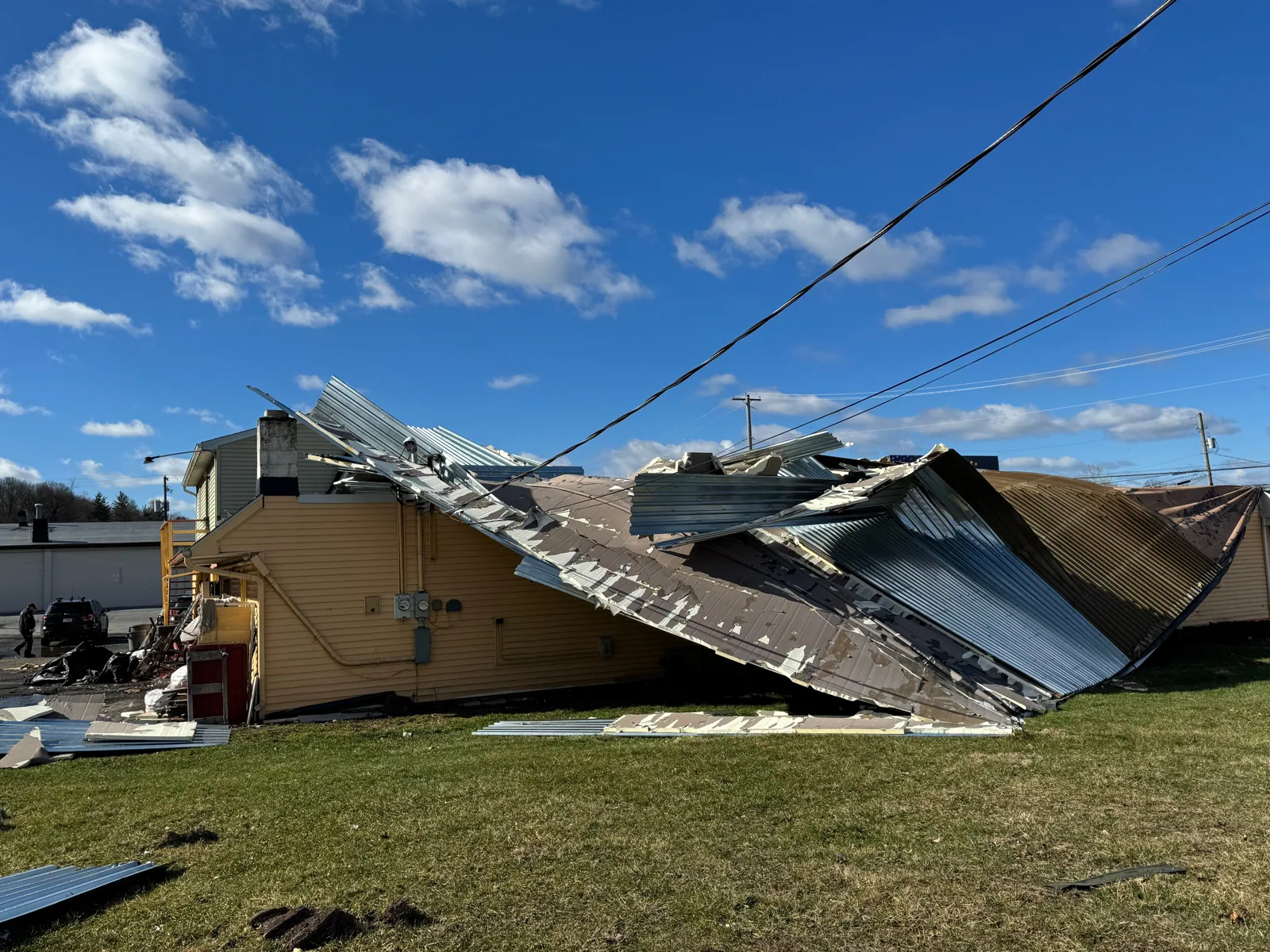
Hail review starts with the roof type and the surfaces that took the impact. We photograph membrane, metal panels, coping, rooftop units, skylights and soft-metal details, then mark each finding by roof section. The Killeen entry for March 25, 2003, pairs hail measured at 1.75 inches with an F0 tornado. That historical entry is regional context, not a finding about today's building or an insurance conclusion.
A dent in metal may be cosmetic, while a puncture, fractured coating, displaced seam or damaged flashing can affect water shedding. We describe the observed mark and test only when the result changes the scope. The inspection record does not treat every surface impression as failure. It identifies the component, location, condition and whether the membrane or detail still performs as intended. A membrane puncture repair addresses an opening, not a cosmetic mark.
Which impact marks matter to the roof?
On a membrane roof, we look for cuts, impact craters, loosened patches, open seams and damage around penetrations. We check nearby insulation or deck only where evidence warrants a survey or test opening. The interior review records wet ceiling areas and active drips, but it does not assume the point above is the sole entry. A mapped path helps connect roof findings to the building without expanding a claim beyond what we observe.
Killeen's summer heat and the 2003 hail record are useful inspection context; neither says when or where a particular roof sustained damage. We compare current conditions with service records and dated photos, if available. That sequence helps separate older weathering and previous repairs from a recent event and gives an asset manager a more defensible repair boundary. A seam failure repair follows verified separation along a lap.
How should the inspection be documented?
When damage is localized, compatible patches, flashing replacement or individual metal panel work may address the affected area. If many seams, coatings or fasteners show loss across a section, the owner may compare repair with replacement. We show the area, materials, tie-ins, access needs and what was not tested. The scope should not promise an insurer decision; it should provide clear roof evidence for the owner's process.
Before a temporary cover is installed, we check wind exposure, roof access, drain paths and the material's safe attachment. A loose tarp can redirect water or become a hazard if not secured to a sound point. Where a puncture exposes occupied space, we prioritize protection and then schedule a permanent compatible repair when the surface is dry and conditions allow. A commercial roof inspection records each impact by roof section.
What needs testing below the surface?
US 190, Rancier Avenue and SH 195 are major Killeen routes, while the North Killeen Revitalization Area includes active commercial investment. For a roof near these corridors, we plan delivery around the site's receiving windows and protect tenant routes below. The neighborhood's business activity does not change the roof diagnosis, but the schedule should limit disruption to the building's actual operations.
The final record includes dated images, a marked roof plan, observations, test results, temporary protection, repair materials and remaining questions. If a later rain reveals a leak, the owner can compare its location with the impact map. A follow-up review checks repaired details and any area that could not be evaluated during the first visit, giving the capital plan a record rather than a storm label alone. The roof condition report distinguishes observed damage from testing.
How do repair and replacement compare?
Hail inspection also looks above the membrane. Soft-metal vents, condenser fins, skylight lenses, coatings and rooftop accessories can show different effects from a field sheet. We document each component without assuming that a dent equals loss of watertightness. If a unit manufacturer or other trade must assess equipment, the report identifies that separate review so the roof repair decision stays focused on the roof.
At membrane seams and corners, impact can loosen an existing weakness without leaving an obvious hole. We inspect lap edges, patches and flashing intersections, then compare the result with earlier repair photos when available. If a spot is questionable, we identify a targeted test instead of assigning the same condition to every roof zone. A storm damage roof repair should match confirmed conditions.
What should happen before temporary cover?
The March 25, 2003 Killeen event combined a tornado rated F0 with hail up to 1.75 inches; document today's roof condition independently. It supports local hazard context but cannot establish a date, cause or extent for another building. The current assessment should use its own photographs, physical findings and service history. A past event cannot establish a current claim; compare the insured roof's present condition with its own service history.
A repair estimate can separate confirmed membrane damage, metal work, testing and temporary cover. That lets an owner approve a defined repair without combining cosmetic observations and water-entry work in one broad line. Where multiple roof sections show different conditions, we mark each one and state which item should be handled first because it exposes interior space. A roof replacement scope compares widespread failure with localized work.
How can the owner track the result?
An insurance inspection may require coordination around adjuster access, but the contractor's report remains a record of observed conditions and scope. We can join a roof walk, provide photographs and explain material options. We do not promise a coverage result; the policy and claim determination remain with the insurer and property owner. Commercial work in the North Killeen Revitalization Area requires site-specific staging. The inspection can include rooftop accessories that matter to weather protection, but their condition should be described separately from the roof membrane. We note dented housings, damaged seals, loose counterflashing and any component that needs review by another trade. This lets the owner assign each finding to the right scope and avoid treating a single roof visit as a complete mechanical-equipment evaluation. When the property retains pre-event photographs, we compare angles and roof zones without treating a difference in lighting as a change in material condition. The record identifies which findings support immediate repair, which need a targeted test, and which are observations only. This keeps a claim file tied to the actual assembly and makes the next roof walk easier to repeat.
When the work is complete, we compare each repaired item with its before photograph and inspect nearby drains and seams. A later inspection after meaningful rain can check the repair boundary for moisture entry. The owner keeps the dated map with the roof register so future crews know which marks were reviewed and which areas were not tested. The SH 195 / Fort Hood Street Corridor provides broad access context.
Commercial Roofing Questions
Does hail damage always leave a leak?
No. Some marks do not affect water shedding, while a puncture or broken detail may. We assess the specific component and record what testing supports the conclusion.
Will a hail inspection determine insurance coverage?
Our report documents roof conditions and repair scope. Coverage and claim decisions belong to the policyholder and insurer; our report does not determine coverage or claim approval.
Should every dented metal panel be replaced?
Not necessarily. We check the seam, coating, fasteners and water-shedding function, then identify panels where repair or replacement is warranted.
What if a roof leak appears days after hail?
We inspect the interior and trace the roof drainage path, then compare the location with the impact map. Water can travel before it appears indoors.
What belongs in a hail-damage record?
Keep dated photographs, roof-zone locations, observed components, test results and completed repairs. Label untested or inaccessible areas so a later review can address them directly.
Review the hail damage roof repair scope
Request a Killeen roof walk and written options tied to the affected section, operating needs, and follow-up record.