
Commercial Roof Claim Documentation in Killeen, TX
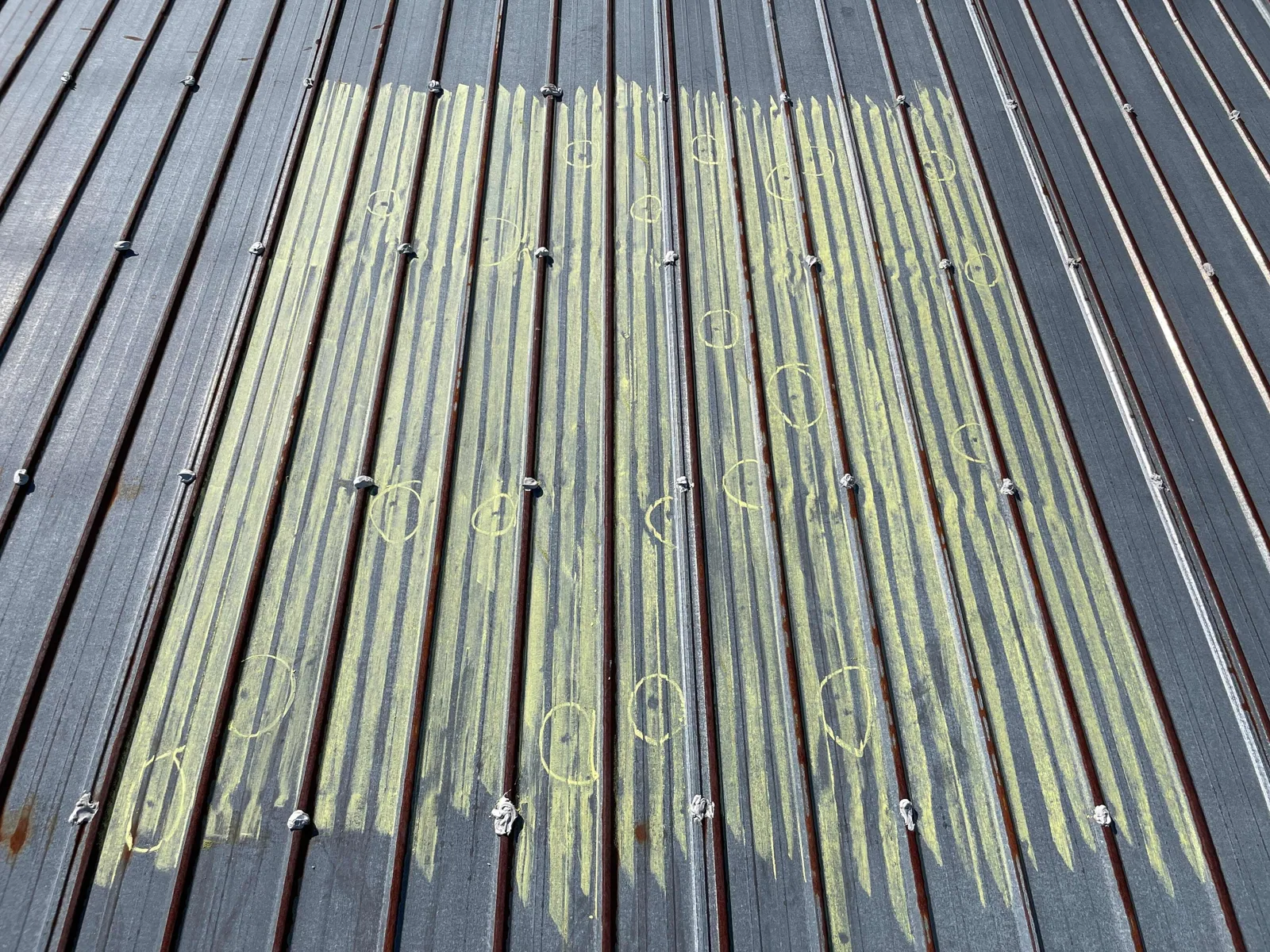
A roof claim file should separate reported weather conditions from what the roof inspection actually shows. We inspect the affected sections, photograph each condition, and record the material, location, and repair boundary. On March 25, 2003, hail reached 1.75 inches in Killeen during a storm that also produced an F0 tornado; that history does not establish a current claim. Our work is to document observed roof conditions and price the roofing scope for the owner's review.
What Should the First Record Capture?
We note when water was reported, where it appeared inside, what temporary protection has been installed, and which roof areas were safe to access. Each photo should identify a roof section and a visible detail such as a split lap, displaced edge, puncture, curb, or drain. We distinguish a direct observation from a suspected concealed condition. If the source is not visible, the record identifies the test or opening that could help locate it.
On March 25, 2003, Killeen experienced an F0 tornado and 1.75-inch hail; that past event is not evidence of a current insured loss. A prior storm date cannot link today's wear to an insured loss without roof observations and the property's own service history. We compare current photographs with earlier notes when available and avoid assigning every worn area to one event. A hands-on inspection can map the full roof section; aerial imagery can support documentation where safe roof access is limited.
How Is Active Water Entry Recorded?
When water is entering, protecting contents and limiting further exposure come first. We record the affected interior area, the roof opening if found, and any temporary cover applied. The file identifies the stabilization material, work area, and conditions that remain exposed. Emergency protection is not represented as a permanent repair. Once the roof is safe and dry enough to inspect, we return to measure the permanent detail and document any change from the first visit.
The repair scope should state the material, preparation, access, and work boundary in plain terms. If the opening is at a drain, seam, penetration, or edge, we show that detail and nearby conditions separately. An emergency stabilization visit can address an opening, while a leak repair scope can define permanent work after the source is confirmed. The owner can submit those records through the process required by the policy without treating our inspection as a coverage decision.
How Do You Separate Event Damage From Wear?
We describe what is visible: a fresh opening, lifted metal, displaced flashing, impact mark, weathered membrane, or older patch. We also note whether the surrounding surface shows a pattern that supports testing or a broader measurement. A report should not label a condition as storm-caused solely because it is near a date in the file. The observed detail, prior maintenance history, and any test result remain separate entries for the adjuster and property owner to evaluate.
Among rules effective in Killeen from January 1, 2026 is the city's amended 2024 International Building Code. That matters when a proposed repair changes into replacement or an opening alters the assembly; the project scope determines which permit requirements apply. We identify the roofing work and confirm applicability with the city when needed. Rancier Avenue and FM 3470/Stan Schlueter Loop help orient dispatch, while each building's roof access and repair record determine what we can document. A condition report keeps findings together by section.
Older service notes matter when a stain appears near a prior repair. We compare the old photograph, patch material, and boundary with the current opening, then mark any change that can be seen. If the old work covered an adjacent seam or curb, that relationship belongs in the record. This careful comparison helps keep the repair quantity tied to the measured roof rather than an assumed event-wide replacement.
What Belongs in the Roofing Estimate?
The estimate should match the documented condition. We identify the repair material, measured area, tie-in, labor access, and any temporary protection that remains separate. If testing finds wet insulation or damaged deck, we note the test location and provide a separate scope before opening more roof. This lets an owner compare the roofing work with an estimate or adjuster scope without blending unknown quantities into a single total.
Some conditions call for local repair; others justify a wider boundary. Repeated seam failures, widespread moisture, or poor attachment may change the discussion to a recover or replacement. A hail damage review can map impact findings, while drainage work can remain a separate line if ponding or a failed outlet contributed to the water path. For a larger project, a replacement comparison can use the same roof map and measured assumptions.
When the owner has a carrier or adjuster estimate, we can compare the roofing quantities, roof areas, material descriptions, and listed repair details with field measurements. We flag differences that arise from inaccessible areas, hidden layers, or a scope boundary that needs testing. That comparison is limited to roofing work and does not interpret policy language. The owner can use a measured, photographed scope when discussing the project with the appropriate claim contacts.
What Does the Closeout File Contain?
Closeout ties the approved scope to the completed work. We provide dated before-and-after photos, identify roof sections, record installed material and note any excluded or remaining condition. If the crew finds a concealed issue, the file shows where it was observed and what additional authorization was received. The owner can retain that record with invoices, property maintenance notes, and the claim correspondence.
Killeen's citywide occupancy report recorded restaurants, retail, education, medical offices, and fitness among recent commercial uses. That mix does not identify any one insured roof, but it makes a building-specific operating plan important when repair access affects tenants or equipment. Near Veterans Memorial Boulevard and Business 190, we confirm staging and tenant windows at the property; the same applies to buildings near Stan Schlueter Loop. Request a roof walk with the event date, prior service record, and access contact so the resulting documentation is useful to the next decision.
Commercial Roofing Questions
Can a roofer determine whether an insurer will cover the damage?
We document roof conditions and price roofing work. Coverage depends on the policy and claim review, so our record does not promise an outcome. It gives the owner dated photos, measured findings, and a defined repair scope to submit through the applicable process.
What should be documented before temporary protection is installed?
When safe, photograph the interior symptom and roof condition, note the time and location, and record any existing opening. We then document the stabilization material and covered area so the file distinguishes emergency work from the permanent repair.
How do you handle an older repair near new storm damage?
We photograph both conditions and compare them with available service records. The report identifies which detail appears open, worn, or previously patched and keeps the event attribution separate when the roof evidence does not resolve it.
Can the estimate be divided into approved and uncertain work?
Yes. We price the visible repair separately from testing or concealed work that needs confirmation. The owner can review the known scope first, then authorize additional work if a core, cut, or deck opening changes the measured boundary.
What information should we provide for a claim-related roof walk?
Share the reported event date, interior leak location, prior repair notes, roof access requirements, and any inspection instructions already received. We will map accessible conditions and state what could not be confirmed without opening the assembly.
Build a Roof Condition Record
Send the reported event date, property and roof access details, prior service notes, and any active leak location. We will document observed conditions, identify limits, and return a roofing estimate that separates confirmed work from testing or concealed repairs.