
Commercial Roof Seam Repair in Killeen, TX
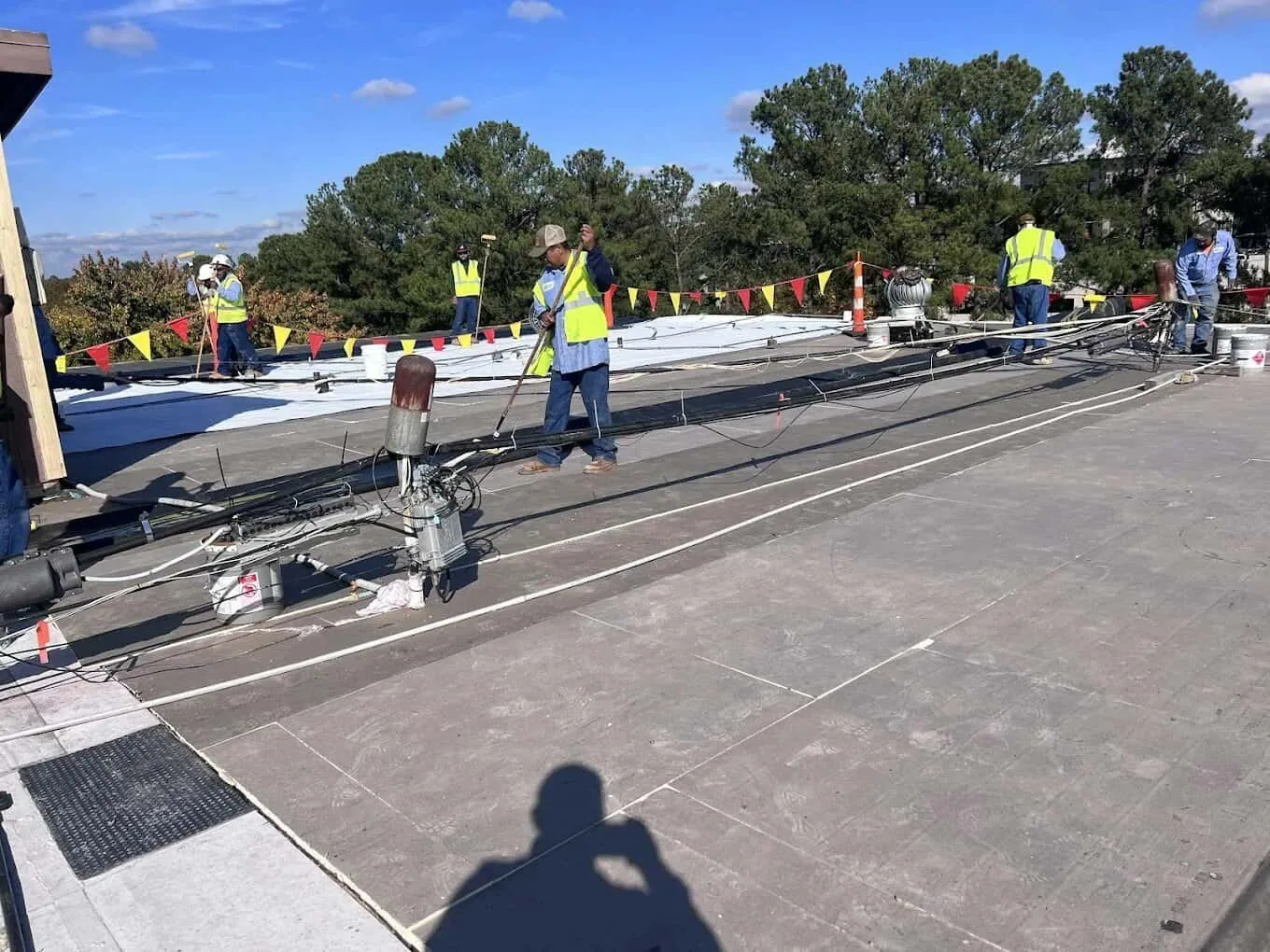
A seam can separate at a corner, intersection, patch or long field lap, and the visible opening may be shorter than the area with weak bond. We inspect the full seam run and use a probe only where the material permits, recording loose edges without widening the opening. In Killeen, summer surface heat can affect inspection timing and material handling; the condition is recorded at the roof, not inferred from a seasonal average.
The roof plan should mark each seam by section, direction and nearby drains or penetrations. We note whether the membrane is TPO, PVC, EPDM or another system, and whether a previous repair crosses the same joint. If the membrane identity is uncertain, repair material waits until that is confirmed. A roof-walk record can then distinguish a short seam repair from a pattern of bond loss that changes the capital decision. A ponding-water repair may be relevant if drainage holds water against the lap.
What does an open seam look like?
For a welded thermoplastic lap, preparation, temperature, speed and pressure affect the finished weld. The repair needs clean, dry material and an appropriate patch or re-welded edge. An adhesive-bonded EPDM seam needs compatible cleaner, primer and tape. The exact sequence follows the installed product and manufacturer's current detail, so a generic adhesive or heat pass is not substituted for system identification.
An open lap can allow water beneath the sheet, but a stain below does not establish how far moisture traveled. We check the next seam, roof slope, drainage route and interior conditions. Where wet insulation might widen the repair, a moisture survey or controlled opening helps place the boundary. The proposal shows what is visible, what was tested, and which concealed condition could change the amount of removal. A nearby flashing repair remains a separate transition detail.
How should a seam be tested and mapped?
Killeen's 1991-2020 normal mean temperature is 66.6°F, with July and August monthly means of 84.0°F and 84.6°F. Regional averages describe the climate; sun, shade, and wind can make actual roof-surface temperature different. We choose a work window based on actual surface conditions and product requirements, and close each opened seam area before leaving it exposed to a weather shift.
At an occupied property, we stage tools and materials away from drains and equipment access. If a seam runs beside a service walkway, we coordinate a temporary path with the facility lead. Recent occupancy activity in Killeen includes restaurants, retail, medical offices, childcare and education; the roof access plan therefore needs to fit each building's delivery or visitor schedule rather than impose one crew routine. A commercial roof inspection maps the lap, intersections and roof slope.
Which system details change the repair?
A finished seam repair is checked for continuity, edge adhesion or weld quality, and transitions at its ends. We photograph the completed work and mark its roof location. The closeout also notes whether adjacent laps showed sound bond or need a future review, giving the owner a scope boundary that can be compared during the next maintenance visit.
If the same seam line returns to the work order, compare dates, weather exposure, past materials and nearby movement. The repair history can reveal whether the opening was isolated or whether the sheet has reached a broader renewal point. A condition report can group that pattern alongside edge, drainage and moisture findings so the capital plan is based on the complete roof section. The roof condition report connects each seam finding to its zone.
Could moisture extend beyond the lap?
A seam probe can find weak bond, but the reading is one part of the inspection. We note whether the lap is open, fish-mouthed, contaminated or interrupted by an earlier patch, then mark the length that needs repair. At a cross seam or T-joint, the repair detail may need a cover patch shaped for the intersection rather than a strip placed over a long straight lap.
Drainage can expose a seam to recurring water if a low point directs flow against a raised edge. We note how the seam sits relative to the roof slope and scuppers, then determine whether the repair needs a drainage correction as well. Killeen averages 34.75 inches of rain a year, but the roof's own slope and drainage determine the water path. The TPO roof system uses welded laps that need system-specific checks.
How can operations continue during the fix?
If a seam runs below rooftop equipment, vendor work can introduce cuts, adhesive residue or foot traffic that weakens a repaired area. We record the access route and identify a protection measure that still allows service. A simple roof map can show where technicians may walk and which joint needs a post-service check after equipment work.
Repeated lap separation should be compared with the fastening pattern and substrate condition. A weak weld along one patch edge is different from widespread sheet movement or a soft deck. We describe the findings by section and set a test boundary before recommending a broad tear-off. That gives the owner a basis to understand when a repair remains rational and when the roof is nearing renewal. Scheduled preventive maintenance can flag early edge separation.
What should the repair closeout capture?
Killeen's building-code page lists the 2024 International Building Code as amended, effective January 1, 2026. Applicability depends on the work and permit review, especially when repair expands into structural or assembly changes. We flag the scope details that need confirmation rather than treat a seam patch and full reroof as identical code work. Access planning near the Rancier Avenue Corridor stays specific to each property. A clear material schedule matters when the roof contains more than one membrane generation. Repairs from different years may use a patch type that no longer matches the field sheet, so we compare the current lap and patch edge before adding another layer. If the system cannot be confirmed visually, a small compatibility check can protect the owner from a repair that looks finished but does not bond to the installed membrane.
The owner should schedule a post-repair review after the material's installation conditions are met and before routine traffic resumes over the area. We check the seam ends, nearby intersections and any temporary protection removed from the work zone. The report records the inspection result and any adjacent lap that remains a watch item. The North Killeen Revitalization Area is a broad district, not a single roof target.
Commercial Roofing Questions
Can an open seam be repaired without replacing the membrane?
A localized repair is possible when surrounding material remains sound and compatible. We check the complete lap, substrate and moisture extent before setting the boundary.
Why does the membrane type matter for a seam repair?
Thermoplastic welds, EPDM tapes and modified-bitumen laps use different preparation and repair materials. We identify the assembly first so the new work bonds to the installed system.
Does a seam repair require a dry roof?
The surface and materials must meet the selected product's conditions. We assess moisture at the work area and adjust the exposed zone to protect the building.
How do you verify the seam after work?
We inspect the completed lap and its ends, photograph the repair, and mark the roof plan. Where appropriate, a probe or system-specific check can confirm continuity.
What if seam separation appears across several roof zones?
Repeated separation may change the repair-versus-replacement comparison. We map each affected zone, check moisture and attachment, then show which areas merit immediate work or capital planning.
Review the seam failure repair scope
Request a Killeen roof walk and written options tied to the affected section, operating needs, and follow-up record.