
Commercial Roof Membrane Puncture Repair in Killeen, TX
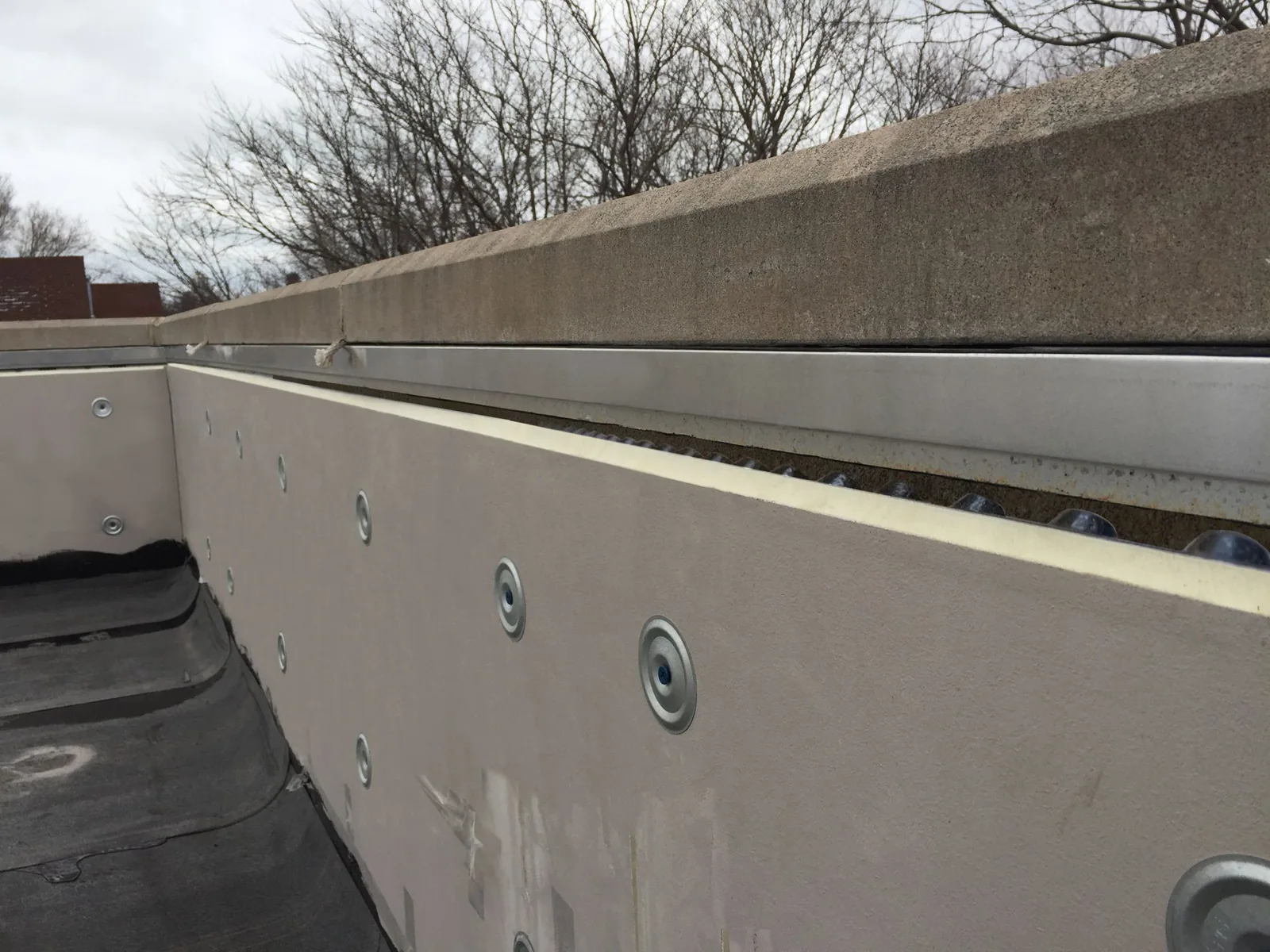
A small puncture can admit water while staying difficult to see among foot traffic marks, fasteners and debris. We sweep the affected roof zone, photograph the opening, and mark nearby seams, drains and service paths before cleaning or cutting. At a Killeen property, the roof may serve retail, medical, education or industrial use; the inspection also records which equipment routes staff and vendors use to reach the units.
We look for a lifted point, cut, screw, sharp edge or failed cover at the surface, then check the underside where access allows. A ceiling stain is compared with the roof location, but the stain can be offset by slope or framing. If insulation may retain water, the owner needs a defined test area before a patch hides the opening. We note which evidence is visible and where a controlled opening could change scope. A seam failure repair may address a separate opening along the lap.
How should a puncture be located?
Patch material depends on whether the field sheet is TPO, PVC, EPDM, modified bitumen or metal. We verify that identity from markings, records or a suitable field check, then use compatible cleaner, primer, flashing and patch geometry. The repair extends beyond the damaged edge onto sound membrane and is finished to shed water without creating a new pocket. A product that works on one sheet cannot be assumed to adhere to another.
The cause matters because a repaired puncture can return if the same activity remains. We ask whether the location is beside a service path, discarded fastener, equipment base or trade staging area. At a warehouse or restaurant, HVAC and kitchen equipment visits can concentrate traffic in a narrow corridor. A marked walkway, protective pad or scheduled escort may reduce repeat contact, but the owner should confirm the measure fits the roof assembly and warranty requirements. A flashing failure repair addresses the curb or wall transition separately.
What should be checked below the opening?
Killeen's corridor network includes US 190/Business 190, SH 195 and FM 3470/Stan Schlueter Loop. For a building near the SH 195 / Fort Hood Street corridor or in North Killeen, delivery and roof access can be planned around each property's receiving rules. We stage tools away from drains, secure loose parts, and keep a clear route for maintenance staff while repairs cure or cool.
The closeout map should show the puncture, repair size, material used, nearby seam or penetration and dated photographs. It should also list any wet insulation removed, concealed area left unopened or interior protection performed. A roof register lets the next inspection compare that point with new marks and distinguish the earlier repair from later trade activity. A commercial roof inspection maps traffic, punctures and moisture.
Which patch method fits the membrane?
If punctures cluster across a section, the decision may move from isolated patches toward a traffic-control or replacement plan. We compare the pattern with membrane age, substrate condition, seam performance and repair history. An owner receives a short list of immediate fixes and longer-term work, each tied to a roof zone rather than a vague statement that the roof needs attention.
A follow-up check should confirm adhesion, drainage around the patch and whether another contractor has accessed the same area. The next review can be triggered by new rooftop equipment work, a roof access event or a storm that produces visible changes. That gives the property manager a usable service record without treating a single puncture as evidence about the whole membrane. The roof condition report stores the repair map and test limits.
How can repeat damage be prevented?
A puncture close to a drain or scupper deserves attention to the flow direction and debris path. We check whether the opening sits under a recurring service route, whether water collects at its edge and whether the repair can be installed without blocking the outlet. A patch that creates a raised dam may move water toward a wall or another weak seam.
If water has reached insulation, a surface repair alone may stop new entry while leaving wet material in place. We explain when a moisture survey or small opening would change the work order. Where removal is justified, the repair detail includes dry substrate, new insulation, compatible membrane, secure perimeter and an inspection before the new layer is covered. A warehouse roof plan can identify service paths and staging zones.
What does a repair map need to show?
The crew stages sharp tools, screws and cutoffs in a controlled container and checks the work route at cleanup. This matters when several mechanical trades use the roof during the same operating week. A facility manager can provide the current vendor schedule; we can then avoid overlapping staging and record any later roof access near the new patch.
The patch perimeter should extend onto clean, sound membrane and follow the system's required shape and edge treatment. We inspect corners and seams where the patch could create a stress concentration. If the existing sheet is brittle or the surface is contaminated, we identify a larger repair boundary rather than force an adhesion test onto unsuitable material. A preventive maintenance plan records later roof access.
When should the roof section be reviewed again?
Killeen's 2024 codes became effective January 1, 2026, including the amended IBC and IECC. A small membrane patch may not require the same review as a changed assembly or structural work. We keep the estimate tied to the proposed scope and direct permit questions to the city building-inspection process when the work triggers review. For a building in the North Killeen Revitalization Area, site staff set the access schedule. A puncture near an expansion joint or change in deck plane needs a detail that can move with the assembly. We inspect the joint cover and surrounding flashing before placing a patch, since a rigid repair across a moving connection can split again. Where access is tight, the work plan identifies how tools and materials reach the spot without crossing fragile membrane or covering a drain. If the roof remains under an active service contract, add the patch location to the next access briefing so later work does not repeat the puncture.
An owner can track puncture frequency by roof section, work order and source when it is known. Clusters around equipment suggest a traffic or service-protection change; isolated marks may need only compatible repair and follow-up. The record preserves that distinction and supports a later comparison with replacement timing. The W.S. Young Drive Corridor is a location reference; the property determines roof conditions.
Commercial Roofing Questions
Can a pinhole cause an interior leak?
It can, depending on water flow, insulation and deck conditions. We locate the surface opening and compare it with interior evidence before deciding whether testing is needed.
Can you patch over a roof puncture without checking the membrane type?
No. The repair material and surface preparation need to suit the installed sheet. We confirm the assembly before specifying the patch.
Should a damaged area be cut open?
Only when an opening will resolve an important question, such as wet insulation or substrate condition. We define the test location and restoration method before cutting.
How can a facility reduce repeated punctures?
We map traffic and service routes, then consider marked walkways or protection where the system allows. The measure should fit equipment access, drainage and manufacturer requirements.
What records help with a later roof inspection?
Keep the location map, photos, product used, date, moisture findings and nearby access activity. That history makes it easier to see whether the repair held or another event created damage.
Review the membrane puncture repair scope
Request a Killeen roof walk and written options tied to the affected section, operating needs, and follow-up record.