
Wind Damage Roof Repair in Killeen, TX
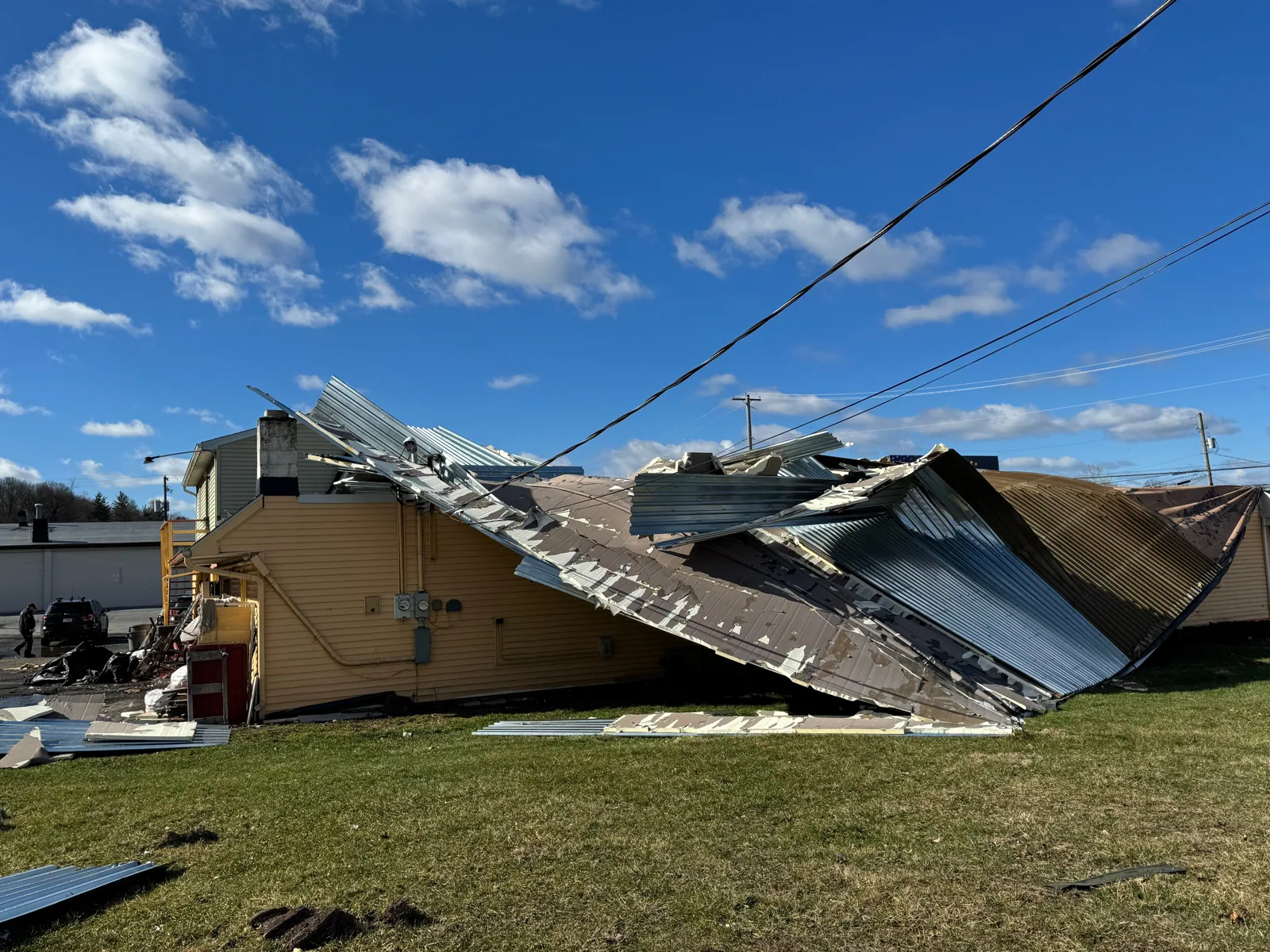
A wind call starts with a map of the roof, not a guess about which sheet lifted. We mark the building sections, perimeter zones, membrane transitions and any area that could not be reached. In Killeen, TX, the record of a 2003 storm includes both 1.75-inch hail and an F0 tornado, useful context for the market but no proof of damage at a particular property. The repair boundary comes from visible conditions and testing at the building.
We photograph displaced edge metal, loose flashing, open seams, damaged penetrations and debris impacts before moving material. A lifted lap may be a wind-related opening, but its nearby fasteners, substrate and earlier patches matter too. The report separates fresh displacement from weathering, oxidation, surface dirt and old repairs so the owner can compare an urgent protection item with work that belongs in a planned roof section. A seam repair can clarify whether separation follows the lap.
What should the first roof walk establish?
The perimeter deserves a close look because corner and edge pressures differ from the field of the roof. We inspect termination bars, coping, fascia, curb corners and membrane pullout, then check whether the attachment pattern matches the exposed area. Killeen's summer heat can make an older sheet less flexible, so we note embrittlement separately from a newly opened seam. That distinction affects whether a compatible patch is durable or only buys time.
A wind-related water mark inside does not locate the roof opening by itself. We trace the drainage path, inspect penetrations above the affected room, and compare the moisture pattern with the roof surface. If insulation may be wet, a moisture survey or controlled test cut can narrow the repair zone before removal. We keep the map tied to roof sections, not a broad instruction to replace membrane across the whole building. Use puncture mapping to distinguish a sharp opening from lifted sheet.
Where does wind exposure change the repair boundary?
After the immediate opening is protected, a repair scope should name the assembly, affected length or area, replacement flashing, edge reinforcement, compatible materials and finish inspection. If the sheet type is uncertain, we identify it before selecting a patch. An emergency measure remains distinct from the permanent detail: it can keep weather out while the owner approves the material, access plan and work window for a lasting repair.
A portfolio manager may compare an isolated edge repair with wider renewal where repeated loose details appear. The useful evidence includes fastener condition, prior repair frequency, wet insulation, substrate attachment and how much membrane remains serviceable. A condition report can group those findings by roof section, helping the capital plan separate immediate risk from a replacement cycle decision. A commercial roof inspection records the affected roof sections.
How can a temporary repair protect operations?
US 190, Business 190, Rancier Avenue, SH 195 and SH 201 form part of Killeen's key road network. The routes help frame delivery timing, but each property sets its own gate and staging instructions. That network helps frame delivery timing, but each property sets its own gate and staging instructions. In the North Killeen Revitalization Area and along Rancier Avenue, we confirm where a lift or material load can stand without blocking tenant access before assigning a crew window.
The closeout should show before-and-after photographs, repaired locations, materials used, any inaccessible area and the next inspection trigger. If a later storm opens a different detail, that record makes the new scope easier to distinguish from the earlier repair. We can review exposed edges and interior conditions promptly, then provide a written set of options for stabilization, repair or replacement based on what the roof shows. The roof condition report can hold photos and unresolved questions.
What should the permanent scope include?
A second pass checks whether the edge fasteners remain in sound material and whether the metal has enough support to resist movement. If fasteners spin, pull through or sit in deteriorated wood, a surface seal cannot restore the connection. We identify the affected run and show whether replacement blocking, edge metal or membrane termination is part of the permanent repair.
Water can enter at one lifted edge and travel along insulation before it reaches a ceiling. We compare interior stains with roof slope and framing, then mark a test location if the moisture map is unclear. That extra step can prevent a small confirmed opening from becoming an unsupported full-section replacement, while still exposing wet material that should not be covered. A roof replacement scope compares renewal with the confirmed repair boundary.
How does local access affect scheduling?
Wind response also involves loose rooftop items and debris that can block a drain or damage another membrane area. We photograph the roof before clearing material, record any object whose source is uncertain, and restore clear drainage before leaving. If equipment has shifted, the facility lead coordinates the mechanical inspection before roofing closes a curb or service path.
If the assessment follows a reported storm, the service record should state the inspection date and the exact visible conditions. Earlier roof photos, maintenance logs and repair tickets can help compare the surface before and after the event. When those records are unavailable, we base the scope on current roof evidence and label uncertain age or cause rather than filling the gap with an assumption. A preventive maintenance plan can schedule the edge follow-up.
What belongs in the closeout record?
The owner can request a short-term protection line item and a separate permanent scope. Each option should identify access, materials, weather limits and the work needed to return the roof to service. That format helps a property manager authorize a prompt measure without losing a clear comparison of repair, section renewal and replacement cost drivers. In the North Killeen Revitalization Area, the property sets its roof access rules. The repair log should also distinguish fasteners replaced, material reset and sections covered only for weather protection. If the roof includes several assemblies, give each system its own line so later maintenance does not treat a metal edge and membrane lap as one detail. A follow-up after the next meaningful weather event can check the repaired boundary without assuming every part of the roof changed.
A repair boundary may change after membrane removal if the deck, insulation or attachment differs from what the surface suggested. The proposal should explain that condition in advance and set a decision point for approval before added work proceeds. A measured allowance or documented field change keeps the roof register aligned with the completed work. Near the Rancier Avenue Corridor, confirm staging with the individual site lead.
Commercial Roofing Questions
Does a storm report prove my roof was damaged?
No. A regional report supplies context, not a property inspection. We document the actual membrane, edge, flashing and interior conditions at your building before connecting a repair to a weather event.
Can a lifted edge be patched without replacing the roof?
Sometimes. We check the termination, attachment and surrounding sheet first. A sound adjacent assembly can support a localized repair; widespread pullout, wet insulation or failing substrate may change the scope.
What should be protected first after wind opens the roof?
We prioritize openings that expose occupied space or equipment, then document safe access, temporary cover and the permanent repair detail. The protection plan depends on weather, deck condition and how the building operates.
How do you keep storm repairs separate from older wear?
Photographs, roof-zone mapping, edge condition and repair history help distinguish fresh movement from prior deterioration. We label uncertain areas for further testing instead of assigning an unsupported cause.
What should the owner receive after the repair?
The closeout should identify the repaired section, materials, photographs, remaining limitations and a follow-up date or trigger. That creates a usable service record for future inspections and capital planning.
Review the wind damage roof repair scope
Request a Killeen roof walk and written options tied to the affected section, operating needs, and follow-up record.