
Commercial Tornado Damage Roof Repair in Killeen, TX
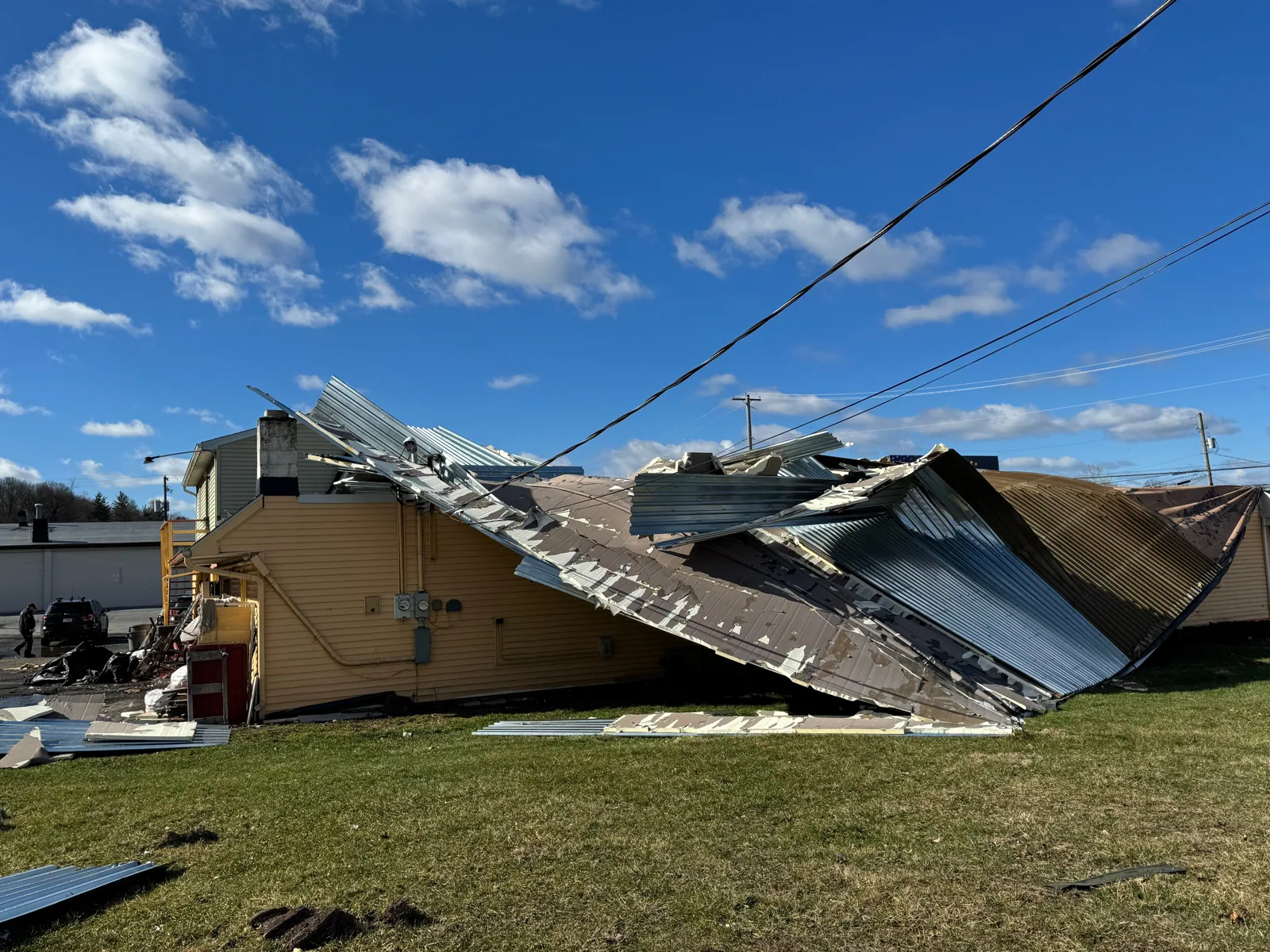
A tornado response separates life safety, temporary weather protection and permanent roof work. We enter only after the responsible site lead confirms access, then identify openings, displaced metal, loose membrane and debris that could affect drainage. A Killeen event on March 25, 2003 included an F0 tornado and hail. That history is regional context, not proof that a particular building was struck. That event does not establish damage at a current property; today's roof must be inspected on its own evidence.
The first roof map marks each affected section and the direction of visible movement. We photograph edge metal, parapets, curbs, rooftop equipment, skylights and membrane laps before lifting debris or adding cover. If an opening exposes interior areas, we coordinate a temporary closure that does not overload the deck or send water into a different part of the building. A wind damage repair can address a localized edge or lap condition.
What must be secured before the full assessment?
After stabilization, we inspect seams, fasteners and transitions around the reported opening. The pattern can distinguish local displacement from broader attachment loss, but each roof assembly needs a field check. We note wet insulation, damaged decking or inaccessible zones separately. Where those conditions change the repair limit, a moisture survey or controlled opening provides stronger evidence than the storm's track or a building's distance from it.
Killeen's key routes include US 190, SH 195, SH 201, FM 3470/Stan Schlueter Loop and Rancier Avenue. Those corridors may shape crew and material movement across the market; property-specific gate and staging instructions still control. We ask the owner where temporary material can be secured, how tenants or operations enter, and which roof section must stay clear for life-safety equipment. A hail damage roof repair follows impact evidence on the actual assembly.
How should wind effects be mapped?
The permanent scope may be a localized edge rebuild, membrane and insulation replacement, deck repair, or a broader reroof. We compare attachment condition, wet materials, code implications, existing layers and the continuity of the remaining assembly. Killeen's 2024 International Building Code as amended took effect January 1, 2026; permit staff should confirm applicability to the actual work and any structural repairs.
A separate emergency work order can close exposed areas before the owner approves the long-term scope. The record should state what the temporary measure protects, its expected monitoring, and the weather or inspection trigger for return. This prevents an emergency patch from being mistaken for completed permanent work and keeps an asset manager's budget comparison tied to the verified roof condition. A commercial roof inspection follows after site safety is released.
What should be tested before a permanent repair?
A building in the North Killeen Revitalization Area or near Veterans Memorial Boulevard may have tenant, visitor or delivery activity to preserve during repair. We plan openings in manageable roof sections, coordinate interior protection and close temporary boundaries at the end of the shift. For a medical office or restaurant, the facility lead identifies sensitive rooms, exhaust routes and access windows before the crew stages material.
At closeout, the owner receives photographs, a roof map, repair limits, materials, test findings and areas still awaiting inspection. We mark whether the assembly is stabilized, permanently repaired or scheduled for replacement. A later condition review can compare this baseline with new leaks, movement or roof traffic. That evidence helps a capital plan account for the storm-related work without assigning unrelated wear to the same event. The roof condition report can separate stabilized from open areas.
How does a roof section set the work order?
Debris impact can puncture membrane, deform metal or block a drain even where no large section has lifted. We clear hazards only after photographing them and confirming site rules, then inspect the surface below. If the debris source is unknown, the report describes its location and condition without assigning an origin. A drain check follows cleanup because leaves and fragments may remain in the bowl or leader.
Some roof areas may be unsafe because of unstable materials, wet insulation or a compromised deck. We use the approved access route and stop where the site lead or structural professional has not released the area. That boundary appears on the roof map so the owner knows whether a repair decision is based on a complete walk or needs another inspection after stabilization. Emergency roof stabilization protects exposed space before final scope.
What can the owner compare after stabilization?
Temporary dry-in should shed water away from the opening and remain secured to an appropriate support. The crew checks that it does not cover a drain, interfere with fire access or create a loose edge. We document the date, coverage area and next check, then return to replace the temporary measure with a permanent system tie-in once testing and approvals are complete.
An asset manager may need to prioritize several buildings after the same weather system. We can rank work by exposed interior, active leak, structural question, temporary protection condition and remaining roof serviceability. That order is about current findings and business impact, not distance from a reported event. Each building still receives its own roof-section map and scope. A roof replacement scope compares the remaining assembly with full renewal.
How should the service record support the next review?
For a larger reroof, the plan needs details for insulation, cover board, attachment, edge securement, penetrations and drainage. The locally amended 2024 IBC and IECC took effect January 1, 2026. The city permit review confirms what applies to the scope, particularly when structural repairs or assembly changes expand beyond the emergency measure. The North Killeen Revitalization Area remains a district-scale service area. After debris removal, we verify that strainers, scuppers and overflow paths remain clear and that no temporary fastener or cover redirects water. We also inspect adjoining roof edges where the crew moved material, then photograph the restored route. If another team will return to the area, the facility lead gets the temporary-protection map and a clear instruction for preserving the repaired section.
A follow-up inspection compares temporary protection, completed repairs and any roof zone not yet released. The file should identify who approved access, what tests were completed and which work remains. This gives facilities staff a clear handoff to normal maintenance and helps the next budget review distinguish storm response from planned capital renewal. The Veterans Memorial Boulevard / Business 190 Corridor helps frame regional crew movement. The service record can also identify who approved each area for return to routine maintenance.
Commercial Roofing Questions
Can a crew begin work before the full roof inspection?
Temporary protection can be considered after safe access is confirmed. We document the stabilization limit and return for the full assembly assessment before defining permanent work.
Does a tornado in the city mean nearby buildings have the same damage?
No. The historical event is context only. Wind effects vary by roof location, construction and exposure, so each property needs its own inspection.
How are hidden wet materials handled?
We map visible evidence and use suitable testing or controlled openings where moisture extent affects the repair. Any untested area stays identified as unresolved.
Should the owner choose replacement immediately after severe wind?
The decision follows deck, insulation, attachment and membrane findings. We provide options for stabilization, repair and replacement when each is supported by the observed condition.
What should a tornado repair closeout show?
It should separate emergency protection from permanent work, identify roof sections and materials, include photographs and list follow-up needs. This record supports later maintenance and capital planning.
Review the tornado damage roof repair scope
Request a Killeen roof walk and written options tied to the affected section, operating needs, and follow-up record.