
Commercial Roofing in W.S. Young Drive, Killeen, TX
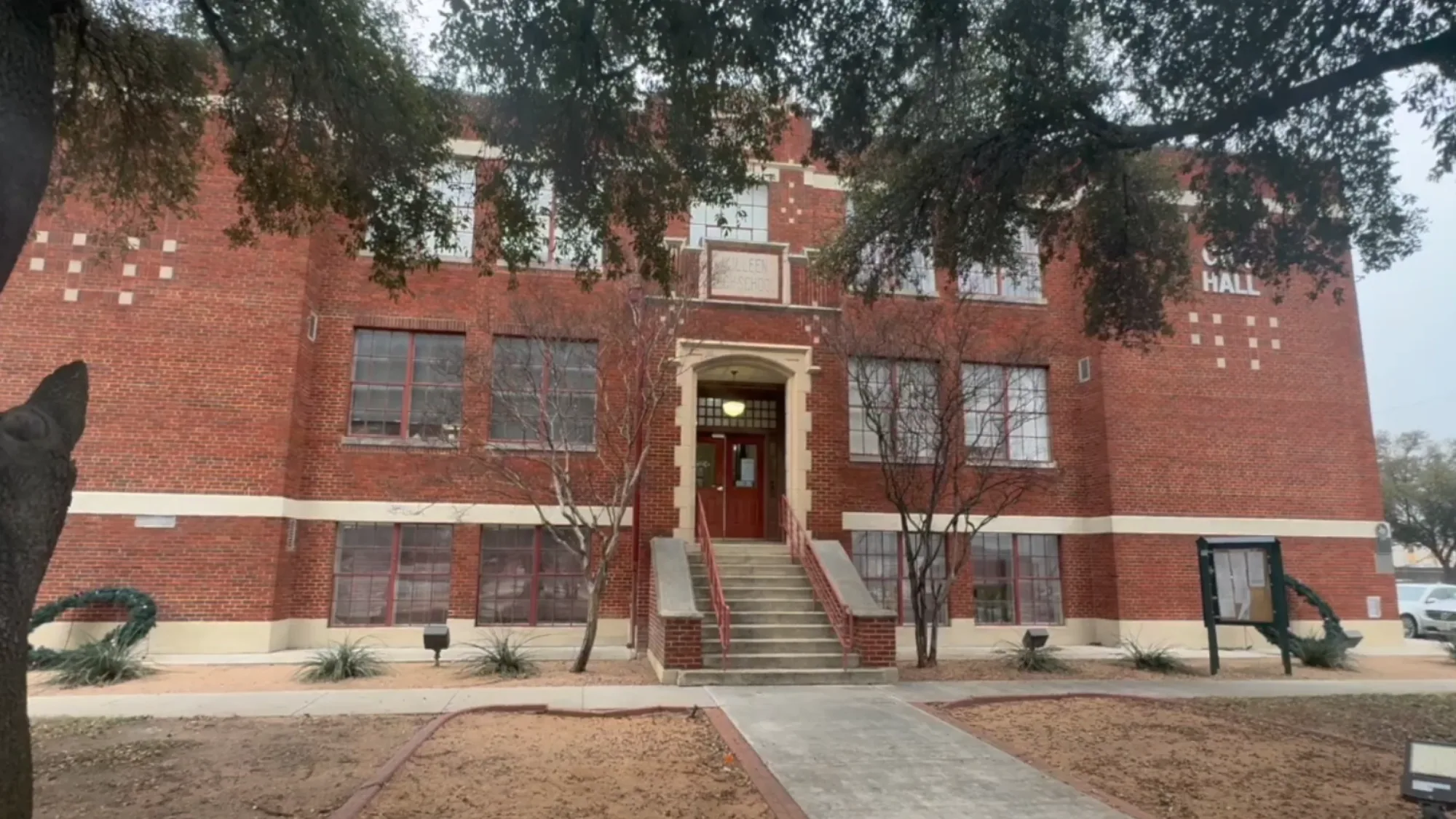
An asset team reviewing a roof near W.S. Young Drive needs a field record that separates observed conditions from planned infrastructure. Killeen, TX ranks the segment between U.S. 190 and Illinois Avenue third among its high-priority thoroughfare projects. The planned W.S. Young Drive cross-section changes from four lanes with a center turn lane to a divided roadway with a median. Current timing and property access require separate confirmation. That is a design detail, not a current access report or property condition. We locate the building, inspect its roof sections, and tie each recommendation to evidence and a scope boundary.
Where does the visit begin?
The visit starts at the property's actual entrance and roof access point, not the road name on a dispatch note. We confirm which building is in scope, who can authorize roof access, and whether a hatch, ladder, or lift is needed. Delivery hours, tenant traffic, and equipment routes affect where materials can be staged. If several structures sit on the same parcel, the register should identify them individually so a photo of one roof does not become a condition claim for the rest.
A Little Nolan Road connection is planned between W.S. Young Drive and Cunningham Road. That planned connector helps orient the broader area, but it does not establish a current route or work date. A roof visit near Cunningham Road needs its own access confirmation. For this property, a commercial inspection can record what the crew could reach and what still requires approval or testing.
What belongs in the first condition record?
Map each roof section before discussing a broad repair. We note membrane type if visible, attachment pattern when it can be assessed, seam and flashing conditions, drains, curbs, edge metal, prior repairs, and interior symptoms provided by the owner. A photograph should show enough context to locate the condition during pricing and closeout. We mark areas that could not be inspected because of access, safety, or equipment limits. The record should make those limits clear rather than imply the whole surface was cleared.
West Trimmier Road and East Trimmier Road rank among the first four local priority projects, alongside W.S. Young and Chaparral. Those corridor priorities do not predict an individual building's condition; property-level route and staging notes still matter as the network changes. A West Trimmier site is not a substitute comparison for this roof.
How should a leak be traced?
A leak call identifies the room or equipment affected, then the roof walk tests possible paths. Water can follow a deck flute, insulation joint, or framing before it appears inside. We inspect above and around the reported area: seams, penetrations, walls, curb corners, and drainage paths. If there is an active opening, temporary protection may be needed before the permanent repair quantity is known. The estimate can keep that stabilization distinct from seam or flashing work that follows after the condition is confirmed.
Where moisture may extend under the membrane, a targeted moisture survey can narrow the area for confirmation. We describe the survey method, the roof zones covered, and any test openings proposed. An image is evidence for a next step, not a direct measurement of every concealed layer. For an isolated penetration, a flashing repair scope should state its tie-in and the adjacent material condition. That lets ownership compare the local fix with broader restoration without masking uncertainty.
Which option fits the condition?
Repair, recovery, coating, and replacement are alternatives only when the assembly supports them. We consider moisture extent, deck condition, attachment, repeated repairs, drainage, and the state of perimeter details. A small opening in sound material can remain a focused repair. If wet insulation or failed attachment reaches beyond it, a larger scope may be justified after testing. Where the existing surface is a suitable base, a restoration review can address preparation and detail work; if not, a replacement scope can separate removal, dry-in, and tie-ins by section.
Each alternative should carry comparable quantities, exclusions, and schedule assumptions. We state what is included, what remains concealed, and who approves a test that could change price. A capital plan can place near-term exposure beside longer-term replacement work, with a review date and owner for each open item. Road priorities do not set a roof budget; measured condition and building use determine that decision.
When the scope reaches several sections, the crew sequence should follow the roof's condition rather than a convenient straight line. We identify which area can be completed and sealed before moving material, where temporary tie-ins are needed, and what interior spaces need protection. The property lead can tell us whether one side of the building has a fixed delivery window or equipment access requirement. Those facts affect the installation order and should appear beside the schedule, not as a late note after the proposal is approved.
How is work sequenced around occupants?
At an occupied property, the work schedule has to match interior use. The manager identifies rooms that need protection, operating hours, tenant notices, and routes that must remain open. We divide the roof into daily work areas, coordinate material movement, and plan how each section will be protected if work stops. If equipment needs to be moved or isolated, that requirement belongs in the scope before mobilization. A sequence with a defined closeout point is easier to authorize than a generic promise that the building will remain unaffected.
Owners with several Killeen addresses can keep each roof's map and access details in a roof register. At this W.S. Young property, the final plan should state the contact, hours, daily protection step, and condition that must be met before the next roof zone is opened.
After completion, the closeout should record the roof area installed or repaired, products used, photographs of transitions, and any approved scope change. If a test area was opened, include the observation and restoration method. If work stopped short of a boundary, keep that limitation visible in the register. This detail gives finance and maintenance a clear account of what the authorization purchased and what remains for the next inspection. Keep that closeout with roof plans, prior service notes, and the next inspection date. It also supports a more precise budget request if conditions recur.
Commercial Roofing Questions
Does the roadway plan establish the route a roofing crew will use?
No. Planned roadwork does not establish today's traffic or a contractor's access path. We confirm the property entrance, delivery restrictions, and roof access with the site contact.
How do you identify which building a roof photo belongs to?
We label the property, building, and roof section in the field record, then include context around each condition. That keeps a note from carrying across to another structure on the same parcel.
What happens when the leak source is still uncertain?
We record the symptom and inspect nearby details, then propose testing only when its result would change the scope. Temporary protection, permanent repair, and unresolved investigation remain separate items.
Can roof work proceed in sections while tenants remain?
A phased sequence can work when access, interior protection, and daily dry-in are defined. The property lead confirms the no-work zones, notice needs, and any routes that must stay open.
What makes the price comparable across options?
Each proposal should use the same measured roof boundary and state preparation, tie-ins, exclusions, and concealed-condition assumptions. We identify what test or opening could change a quantity before it is authorized.
Map the W.S. Young roof condition
Share the building identifier, roof plan, symptom locations, and operating constraints. We can inspect accessible sections, document open questions, and return a scope that ownership can compare.