
Infrared Moisture Survey in Killeen, TX
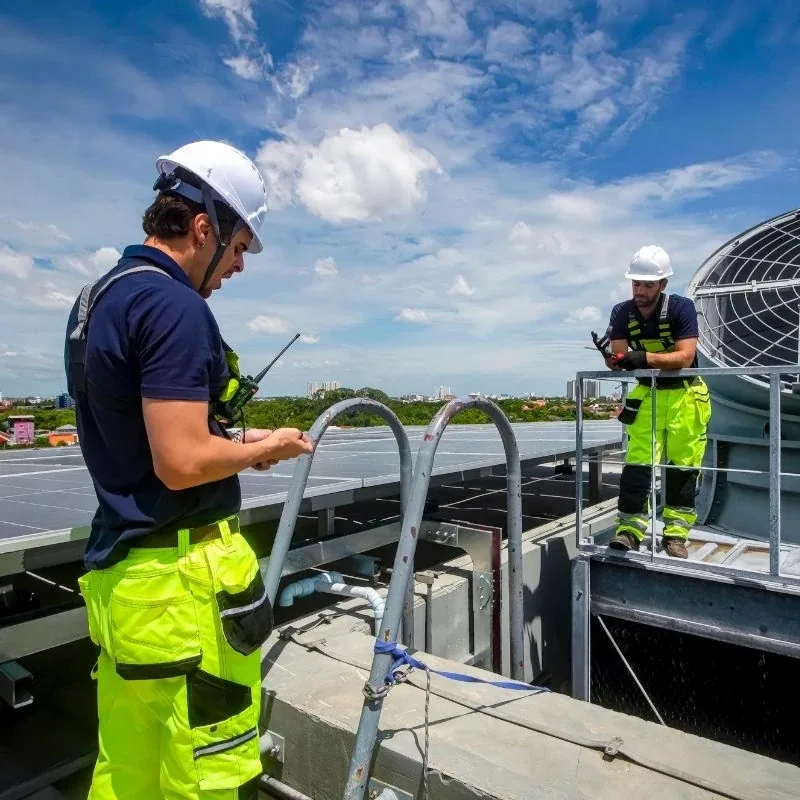
A thermal image can help decide where to test, but it cannot tell an owner by itself that insulation is wet. We review the roof assembly, weather and operating conditions, then map temperature patterns for a follow-up check. Selected cores or test cuts confirm the material below the surface. The deliverable separates an image indication from a confirmed sample, so a recover, repair, or replacement decision is based on the evidence that each step can actually provide. The owner can see where a pattern was observed, what sample resolved it, and which roof sections still need a different inspection method before pricing is finalized.
What Does the Survey Measure?
Infrared equipment records surface temperature differences under the conditions present during capture. A pattern may reflect moisture, shade, stored heat, insulation changes, equipment, or another factor. We note roof orientation, surface type, ambient conditions, and any obstruction that could affect the reading. Images are marked on a roof plan and reviewed with the building’s repair history. A thermal signature becomes a test location, not a finding of wet insulation, until the assembly is opened and examined.
Killeen averages 34.75 inches of rainfall each year, so drainage belongs in the moisture investigation alongside suspected roof areas. Check how water leaves the roof and whether suspected areas align with drains or low points; regional conditions do not establish moisture in a particular building. We inspect outlets, overflows, seams, and the surrounding membrane. A hands-on roof walk can check surface details before testing, while a drainage check can distinguish an outlet defect from a slope condition.
How Are Test Locations Selected?
We use the image map, visible defects, leak history, and roof assembly to choose representative locations. Samples should answer a specific question: whether insulation is wet, how far a condition extends, or whether the deck is sound. We mark every opening, photograph each layer, record its condition, and patch the test area with a compatible repair. If the roof has multiple systems or additions, we keep sample results by section rather than treating the entire surface as one assembly.
Killeen sees an average of 18.3 days per year with highs reaching 100°F or above, so confirm surface conditions before interpreting scan results. Since roof-surface heat can influence thermal contrast, we log the capture time and conditions before choosing a core location. We also avoid calling an untested area dry simply because its image is uniform. The condition report labels each thermal indication, field observation, and physical sample separately. Where the owner needs another view first, drone imaging can add broad visual context without replacing the moisture test.
What Can a Core Confirm?
A core reveals the layers at one selected point: membrane, insulation, cover board, vapor retarder if present, and deck. We inspect the sample for moisture and condition, then relate it to nearby images and roof details. One sample confirms only its own location. If readings or visible conditions vary, the map may need additional openings to define a repair boundary. The survey does not turn isolated evidence into a building-wide conclusion.
If samples confirm wet insulation, we show the mapped area and discuss removal or a larger investigation. If a core is dry, the image pattern still may need a separate explanation, such as shading or a material change. For a recover, moisture and deck condition help determine whether another layer is suitable. A recover evaluation can compare that option with tear-off, while replacement planning can include confirmed removal areas and any unknowns that remain.
How Does the Killeen Property Set the Work?
Killeen’s current commercial activity spans restaurants, retail, education, medical offices, childcare, fitness, and other uses. Its occupancy certificate count does not identify any one roof, but it underscores the need to coordinate test openings with the business inside. We confirm the affected tenant areas, equipment clearances, roof access, and interior protection before sampling. Each core is patched the same visit when conditions allow, and any exception is listed as an open item.
Rancier Avenue/FM 439, SH 195, SH 201, US 190, and FM 3470/Stan Schlueter Loop help orient travel across Killeen. These routes provide local orientation; the facility’s own loading and access rules determine where equipment can be staged. Near Rancier Avenue or Downtown Killeen, we agree on a work window that protects storefront and employee movement. We also confirm whether a lift, roof hatch, or escort is needed before selecting final survey coverage.
How Does the Map Change the Scope?
The final map shows where thermal patterns appeared, which locations were opened, what each sample contained, and where access was limited. We use that information to define repair boundaries, estimate material removal, or recommend further testing. If several areas are wet, the proposal identifies whether they form a continuous section or separate conditions. That distinction affects the amount of membrane removed and how the new work ties into retained roof.
A confirmed moisture area may lead to a targeted repair if the surrounding assembly remains serviceable. Wider saturation, failed attachment, or recurring leaks can support a replacement comparison. The owner receives the basis for that decision, the areas not tested, and any structural or trade review required. Capital planning can place confirmed work in the appropriate budget window, while a follow-up maintenance check can monitor adjacent seams, drains, and test repairs. No thermal color band sets a repair boundary on its own.
After roof work, retain the image files, sample photographs, map, and repair record together. A later survey can compare the same area under comparable conditions and show whether a previous pattern remains. That history helps an asset manager decide whether to reopen a question or leave a repaired section in routine monitoring. We mark the next inspection trigger where it can be acted on, such as after a leak report, repair, or planned capital review. The asset manager receives sample locations with enough context to compare proposed repair quantities, review access needs, and decide whether another opening would change the boundary. A second test is useful when it resolves a real scope question, not simply because an image contains another color variation. We state that distinction in the report.
Commercial Roofing Questions
Does infrared imaging prove the roof is wet?
No. Thermal differences can guide testing, but shade, stored heat, surface changes, and other conditions can affect the image. We confirm a suspected area with a core or test cut and state exactly what that sample showed.
How many cores will you take?
The number depends on the roof sections, image patterns, visible conditions, and the decision being evaluated. We choose locations that can distinguish between conditions, mark each opening, photograph the layers, and patch it with a compatible detail.
Can you perform a survey after a leak?
Yes, when roof and weather conditions support useful capture. We review the leak history and surface assembly, then use the image to select tests. An active opening may need stabilization before survey work can answer the moisture question.
Will the survey tell me whether to recover or replace?
It contributes evidence about moisture and sample layers. We also assess deck, attachment, drainage, roof height, and transitions. The recommendation compares those conditions by section instead of treating a thermal pattern as the whole replacement decision.
Are test openings repaired after sampling?
We photograph and record each sample, then patch the opening with a compatible repair when conditions allow. The closeout identifies any opening that needs a return visit and keeps that item visible until the roof is weather-tight.
Turn Thermal Patterns Into Testable Findings
Share the roof plan, leak history, and the recover or replacement decision under review. We will map image indications, select representative cores, and return confirmed sample results with the remaining limits clearly identified.