
Commercial Roofing in Cunningham Road Corridor, Killeen, TX
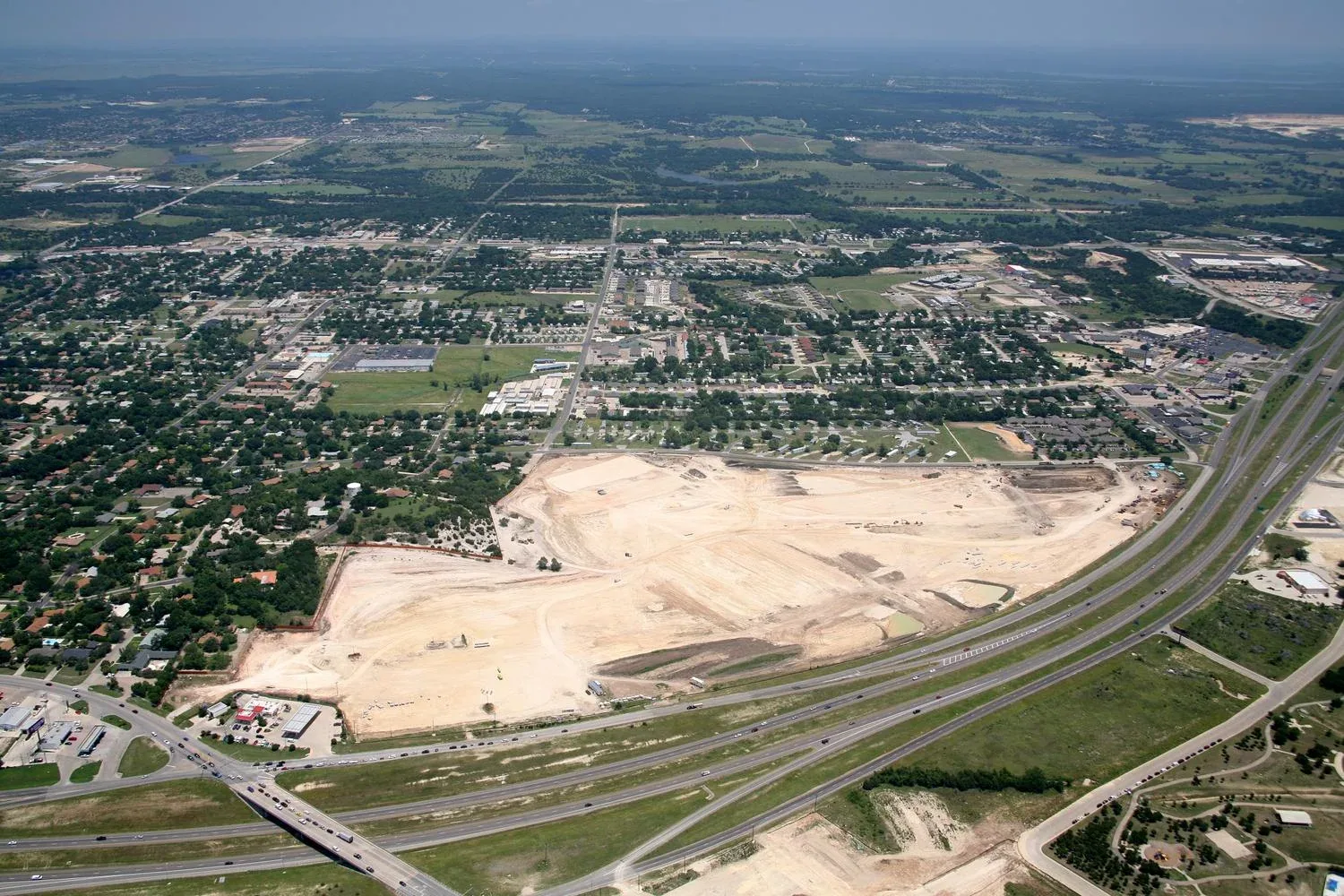
A property on Cunningham Road can sit in the middle of a changing route plan, but the roof decision still belongs to the asset in front of us. The named corridor runs between FM 3470, also called Stan Schlueter Loop, and U.S. 190. We begin with the roof map, the last repair notes, and the reported symptom, then decide which area needs a walk, test, or temporary dry-in. The Bunny Trail corridor is another distinct stop for a Killeen portfolio. Keeping each roof section and entry point separate prevents route planning from being mistaken for a diagnosis.
What should the first inspection identify?
We start where the owner can locate the problem and work outward. A roof map should show each membrane field, drain, curb, penetration, edge, and elevation, with photographs tied to those same labels. We check seams for open laps, note membrane movement or surface wear, and look for water paths that continue beyond the area visible from the hatch. If equipment service has disturbed a flashing, that detail belongs in the repair record. A commercial roof inspection turns those observations into a condition report that ownership can use for approval and budget review.
The condition should be distinguished from the access limit. If a roof section is blocked by equipment, unsafe to reach, or concealed by a later addition, we mark that fact and state what would be needed to inspect it. When moisture could change a repair into a broader scope, an infrared moisture survey can help select confirmation points.
How does a corridor name help the schedule?
Killeen's thoroughfare program identifies Cunningham Road from FM 3470 to U.S. 190 as a high-priority segment. That corridor reference can help an owner group service visits, yet it says nothing about a specific property's driveway, roof hatch, or operating hours. We confirm the address with the property contact, identify the approach for a ladder or lift, and record whether material staging can stay clear of deliveries. If access shares space with loading or customer parking, the plan should specify when it will be used and who will keep the area open.
The road program also describes a collector conversion and a north-south relief purpose. Those are transportation context, not an assumption about current work at the site. We keep the roofing sequence tied to observed roof conditions and the facility calendar. Nearby Florence Road properties may be grouped for dispatch only after their separate contacts and access rules are confirmed. The manager gets one schedule per roof, with a shared route window only where it actually helps.
Which repair boundary can the roof support?
A small puncture or lifted flashing can remain a local repair if the surrounding membrane, insulation, and attachment are sound. We trace water across seams, drains, and curb corners before marking the repair limit. Where the same detail has failed more than once, we compare the old patch with the path water could take under the surface. A flashing failure assessment can separate a curb detail from a broad field issue. The scope should say which surface is removed, how the tie-in is made, and what condition would require more work.
For repeated leaks, emergency stabilization and permanent repair are separate decisions. For active water entry, first confirm service availability and building access; then document temporary measures and the assembly for permanent scope. If a repair would cover evidence needed to settle a claim or determine moisture extent, we record photographs and test locations first. A proposal lists temporary protection separately from the permanent fix, so the owner can approve the urgent action without treating it as the final roof plan. A clear boundary also prevents an allowance for unseen deck work from being confused with confirmed repair quantities.
When does replacement enter the comparison?
Replacement becomes a serious option when the failure pattern is broad, insulation is wet across multiple sections, attachment is unreliable, or the deck needs correction. We verify layer count and substrate condition before pricing a recover. Added height can affect drains, door thresholds, wall flashing, and equipment curbs, so the estimate should show those details rather than carrying them under a generic membrane line. A recover feasibility review can identify what may remain. If removal is necessary, replacement planning should list tear-off, deck preparation, insulation, membrane, edge metal, temporary dry-in, and disposal as distinct work.
For Killeen projects, the amended 2024 International Building Code took effect with the construction codes on January 1, 2026. We flag permit review before procurement when the scope could require it. We can place measured findings into a roof capital plan with timing, unresolved tests, and a replacement-cycle note. That makes the budget decision comparable across roof sections without assuming every building along Cunningham Road has the same age or assembly.
What must remain available below the roof?
For an occupied property, the roof work plan must account for the space below it. We ask about sensitive equipment, customer entries, tenant deliveries, and rooms that need protection from dust or water. Work is divided into sections that can be opened and dried in within a workable shift. The facility contact confirms staging and lift windows, while the crew records the roof condition by shift close. When equipment contractors need roof access during the same period, their curb work and flashing sequence must be set before the membrane closes around the opening.
A manager also needs to know what happens if weather interrupts production. The scope describes temporary cover, the protected boundary, and the person who approves a changed sequence. A phased reroof plan can capture those operating limits. After the work, a photo-based condition record should note repaired seams, new penetrations, drainage corrections, and remaining questions. That gives the next service visit a dependable starting point instead of a route label and a general statement that work was completed.
How should the next inspection use today's record?
A useful closeout shows the roof section, the condition addressed, the material installed, and any detail that was left for follow-up. We add photographs from the same vantage points where possible, so a later reviewer can compare changes without guessing which curb or lap the note describes. If deck repairs or test openings changed the original scope, the record should show their locations and approvals. The Rosewood Drive corridor may have separate city roadway planning references, but roof conditions do not transfer between properties. Each asset keeps its own map, service history, and capital timing.
Before work is authorized, we review the scope boundary, access plan, allowances, and the evidence that could change price or schedule. A test opening should have a stated purpose and a plan for restoring the roof before it is made. Once the owner understands what is verified and what remains open, repair, recover, and replacement totals can be compared on equal terms. A roof walk with the current plan, leak locations, and facility hours gives us enough context to return a measured condition report and a recommendation tied to the building.
Commercial Roofing Questions
What does the Cunningham Road corridor reference establish?
It identifies a planned roadway segment between FM 3470 and U.S. 190. It does not establish a property's access route, building use, or roof condition, which we confirm at the site.
Can a recurring leak be priced as a small patch?
Only when the opening is bounded and surrounding material can take a sound tie-in. We trace water, inspect adjacent details, and test concealed layers if they could change the repair limit.
What changes a recover estimate?
Layer count, moisture, deck condition, and added height at drains or curbs can change feasibility. We identify test points and list the condition that would move the scope toward removal.
How do you protect tenant operations during replacement?
The facility lead sets access and delivery constraints. We stage around those limits, open only a section that can be protected, and describe the close-of-shift dry-in and any temporary route change.
Which records help with the next capital review?
Keep the marked roof map, dated photos, repair locations, approvals, and unresolved observations together. The next inspection can compare the same section and update its timing from measured condition.
Set a Cunningham Road roof review
Send the roof plan, reported leak areas, property entrance, and operating limits. We can map the assembly and return a repair or replacement scope that matches the evidence.