
Commercial Roofing in Westcliff Road, Killeen, TX
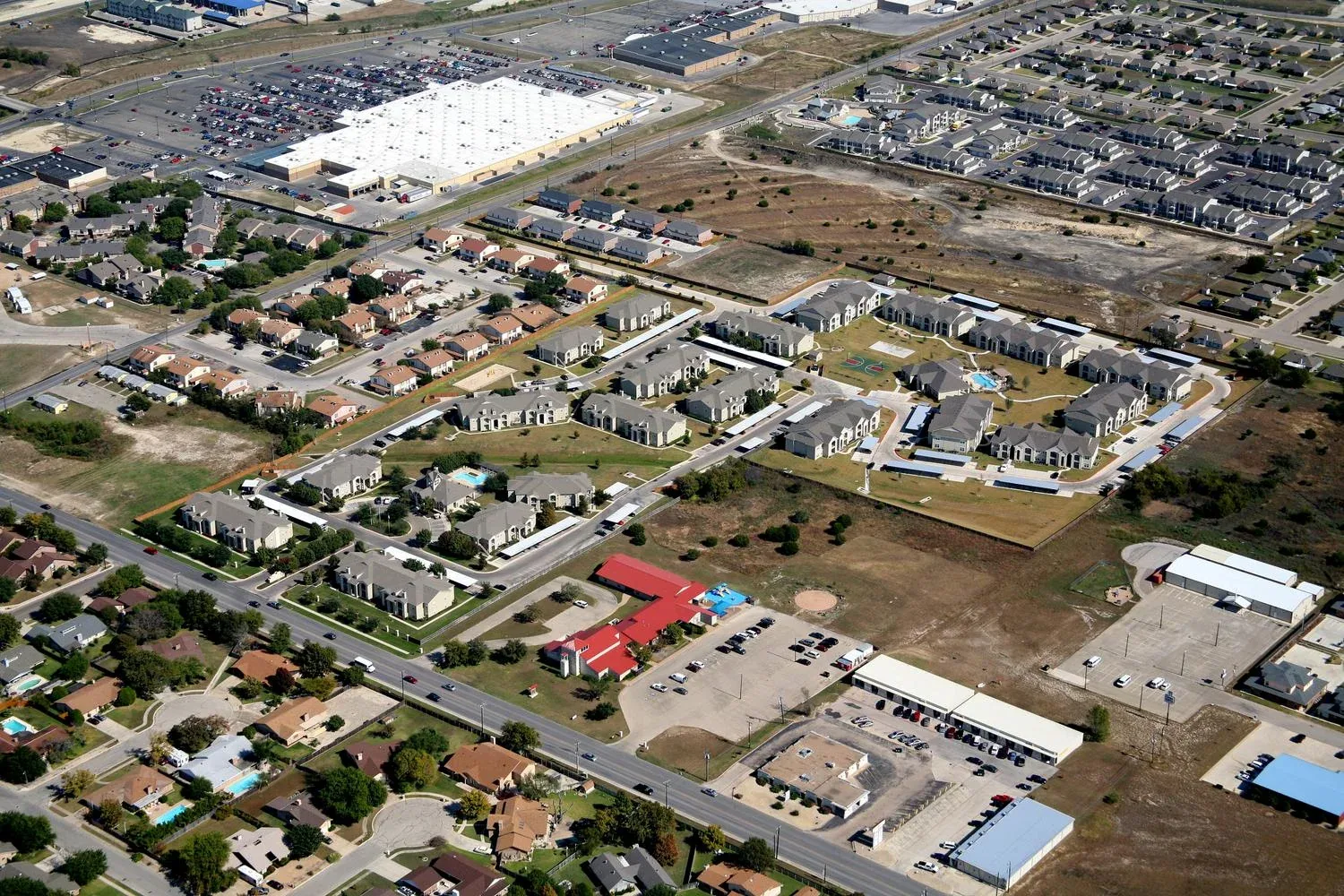
A commercial roof along Westcliff Road needs a condition record that separates the building from the city's road program. Killeen, TX lists Westcliff Road as a medium-priority transportation project and includes it in roadway impact-fee capital mapping. Those entries identify a real corridor, not a roof condition or access schedule. We confirm the property address with ownership, map the roof sections we can reach, and connect each visible finding to repair, testing, or a capital decision.
What should the roof register identify?
Before the first walk, identify the structure, roof hatch, access limits, and any separate additions or wings. A street name alone is not enough when an owner has multiple buildings or leased areas. We label each section and note the membrane when visible, attachment details, seams, walls, drains, curbs, and edge metal. A photograph should locate the condition in context. If equipment or an unsafe surface limits inspection, the report names the missed area and the step needed to return.
Killeen's local street network continues to change, so confirm road access, staging, and delivery routes before work begins. That planning purpose provides area context, not information about any single property. For work near the Veterans Memorial and Business 190 corridor, we still verify the building entrance and roof access with its own contact. A photo-mapped condition report can keep those site-specific notes aligned with the roof plan.
Owners should also confirm that the roof plan matches current conditions. A prior addition, equipment replacement, or tenant improvement can change the section map and create flashing transitions that do not appear on an older drawing. We compare the plan with what is visible, mark any mismatch, and keep the unexplained area out of a fixed repair quantity until it is reviewed. That small step can prevent a later scope dispute when the crew reaches an unlisted curb or drain.
How do you find the source of a leak?
Start with the interior symptom, then look for a roof path that could explain it. Water may travel under a membrane or along the deck before appearing at a ceiling or wall. We inspect nearby seams, penetrations, curbs, drains, and transitions, while recording whether the condition is active or appears to be an older repair. If the source remains uncertain, testing can be proposed where its result would change the repair boundary. That is more useful than expanding a patch based only on the stain location.
A moisture indication is not automatically a wet-insulation quantity. We identify the survey method, the areas examined, and the confirmation points that remain. An infrared survey can help focus test openings if the surface conditions support it. A confirmed seam failure may remain a localized fix, while broader moisture or deck issues can change the replacement comparison. We state that distinction in the condition report so ownership can review the evidence before authorizing a larger scope.
What does the local weather baseline tell us?
Killeen's average daily high across the year is 78.1°F, while the actual work date still controls crew and material conditions. That statistic supplies broad context for roof access and surface work, not an estimate of the temperature or condition on a particular inspection date. We check current site conditions before walking or applying materials. Exposed membrane, flashing, and sealant receive attention when inspection reveals a separation or other defect, but a normal temperature figure alone does not support a repair recommendation.
For a roof that may be a coating candidate, surface preparation, adhesion, moisture, and detail condition all affect the decision. A restoration review should define testing and prep before the owner compares it with recovery or replacement. We also coordinate the work window with the property contact so heat-sensitive application, interior protection, and daily dry-in are addressed in the sequence rather than left as field assumptions.
How should a repair scope handle uncertainty?
Separate confirmed work from any allowance tied to a concealed condition. A proposal can describe the roof section, preparation, material transition, tie-in, access, and exclusions, then identify what would change if an opening reveals wet insulation or deck damage. The owner knows what can be authorized now and what requires a second decision. Keep temporary protection separate from permanent repair so an urgent step does not become an unreviewed replacement quantity.
For a repeated leak, compare the repair area with earlier patches, drainage, and nearby penetrations. We map each recurrence and say whether it appears connected to the same detail or remains unresolved. A flashing assessment may address a defined transition, while a capital plan can carry broader roof work into a budget period. Properties along Onion Road should keep their own condition records, even when ownership uses the same approval process.
What makes the work sequence usable?
Confirm tenant entrances, delivery hours, equipment routes, roof access, material staging, and rooms needing protection before work begins. We break the roof into sections that can be opened and closed safely, with a dry-in point at the end of each work period. If the building remains occupied, the site lead can set a no-work zone and identify when a route must stay clear. The proposal should say who approves a schedule change or concealed-condition scope, not leave that decision to an informal field conversation.
Westcliff Road is a corridor reference; the property controls the working conditions. We record the contact, agreed access path, lift location, and temporary measures for an active leak. Afterward, dated photos and material records should be tied to the roof section that changed. A phased occupancy plan can set those protections, while a West Trimmier visit remains a separate address-specific review. That record gives the next facilities lead a factual starting point.
When a project is phased, identify the work area and what must be completed before the next phase starts. The crew can note the installed material, tie-in location, and temporary edge left at each daily stopping point. If another trade must move equipment or reconnect a line, assign a contact and confirm the order before the roof is opened. These details protect the condition record and make the approved schedule easier for facility staff to coordinate with tenants and operations.
Keep one dated roof plan as the working copy during the project. Mark completed repairs and deferred areas as ownership accepts them, then preserve the final version with closeout photographs. If a future work order reports a leak near a repaired zone, maintenance can find the original detail and compare the new symptom. The roof register becomes a usable asset record instead of a collection of proposals with different section labels.
Commercial Roofing Questions
Does Westcliff's transportation listing mean construction is underway?
Westcliff Road appears in city planning and capital mapping, but that does not establish current work status. We confirm access and scheduling directly with the property contact.
Can a roof inspection confirm what is under an intact membrane?
Not by visual review alone. We record visible conditions and identify a survey or test opening when concealed material could change the scope. The report separates indications from confirmed conditions.
How do you keep an emergency repair from expanding unexpectedly?
We define the immediate protection area, then show permanent work and any test allowance separately. If opening the assembly changes the quantity, we document the finding and obtain approval before expanding.
What should a manager send before the roof walk?
A roof plan, building identifier, leak locations, access contact, operating hours, and any recent repair records help us prepare. We still verify the section and conditions in the field.
How should the owner compare bids for restoration?
Compare the same roof boundary, preparation, repairs, testing, tie-ins, exclusions, and access assumptions. We identify conditions that would make coating unsuitable so the alternative can be evaluated on a clear basis.
Review Westcliff Road roof conditions
Send the property map, roof plan, reported symptoms, and access rules. We can document the assembly and return a repair or capital scope tied to the evidence.