
Commercial Roofing in Onion Road, Killeen, TX
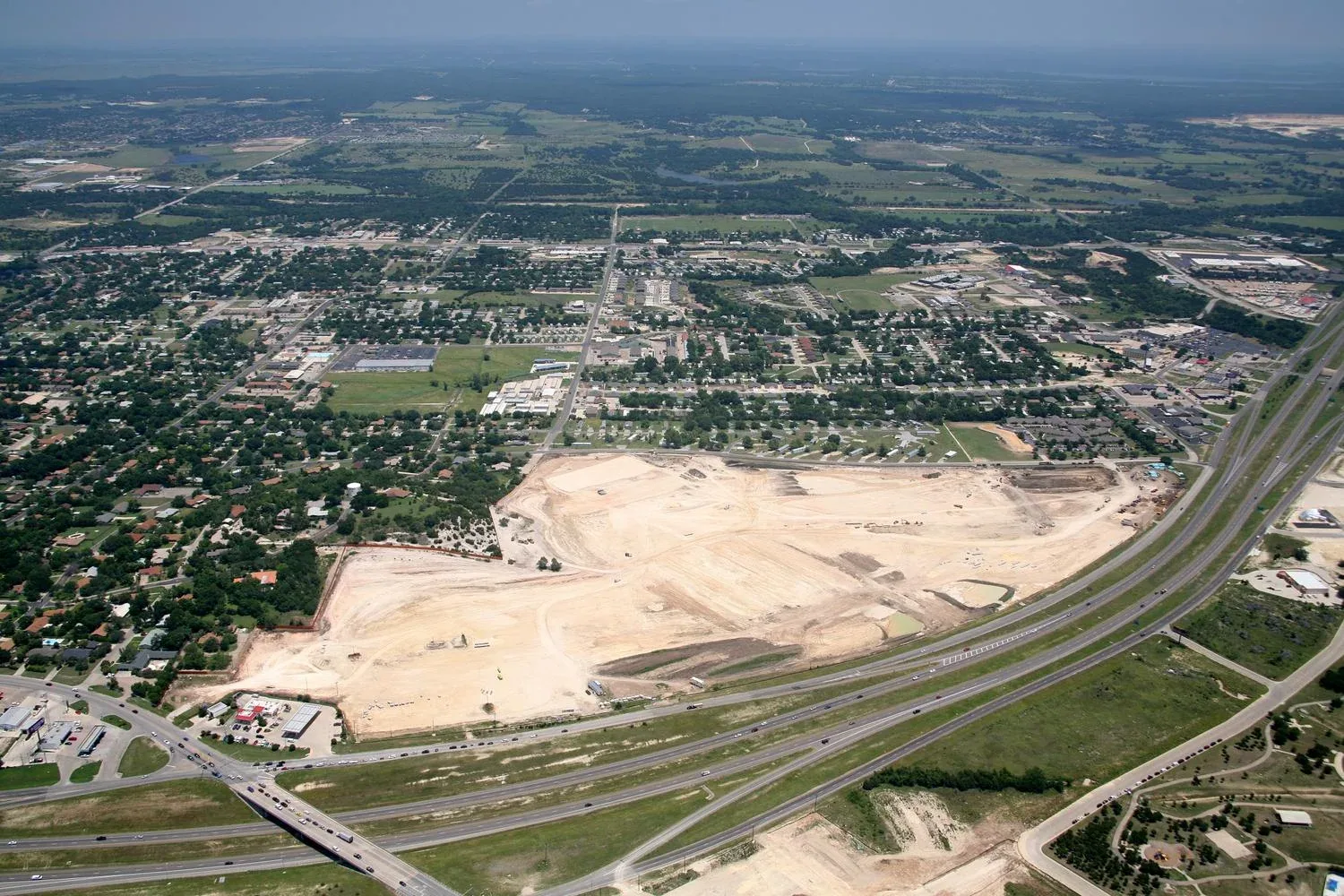
Use Onion Road’s connection toward FM 3470, Stagecoach Road, and Chaparral Road to orient the property map, then verify each building entrance and approved roof access directly. Killeen, TX lists a planned Onion Road segment between FM 3470 and Stagecoach Road, with another planned segment reaching Chaparral Road. Those road projects describe a broader corridor, not the current access to a property or the condition above it. We confirm the site entrance, inspect accessible roof areas, and separate observed failures from questions that need testing.
Which property limits need to be on the work order?
The location name helps dispatch, but a property can have separate tenant entrances, docks, fenced service yards, and roof access points. We confirm the building identifier with the manager and mark the entrance the crew may use. The site contact can identify areas where customer traffic, deliveries, or equipment movement cannot pause. That information shapes material staging and lift placement before any section is opened. If multiple roofs share a parcel, keep each roof map distinct so a photo or repair note does not migrate from one structure to another.
A future east-west collector is planned between Onion Road and East Trimmier Road; check current access and construction conditions before a delivery. It gives the district a recognizable planning context; it does not establish that a connection is open or that traffic flows through it today. A roof visit near East Trimmier needs its own approach and work boundary. For the roof itself, we can start with a mapped commercial inspection that records access limits, visible details, and the evidence behind each recommendation.
For a multi-building property, agree on a naming scheme before the inspection begins. Use a building letter or owner identifier and a roof section label that can carry through photos, proposals, and closeout. If the owner supplies an older plan, mark any differences observed in the field and leave uncertain boundaries open for confirmation. This avoids pricing the wrong roof area and gives the maintenance lead a clear reference for a later leak report. The dispatch description can still use the corridor, but the actual roof record belongs to the property and structure under review.
What should the first inspection record?
Begin with the roof assembly and a map of its sections. We note membrane and attachment where visible, seams, edge metal, penetrations, drains, curbs, prior patches, and interior symptoms reported by the owner. A picture should show context around the condition so the next person can find it without guessing which side of the building it came from. When a hatch is locked or a surface cannot be reached safely, mark that boundary and name the approval or equipment needed for another visit.
On a commercial roof, a stain can sit apart from the entry point because water follows a deck or insulation layer. We trace a plausible drainage path, inspect nearby transitions, and state whether the evidence supports a repair or a test. If concealed moisture could change the work area, an infrared moisture survey may help select confirmation points. The survey does not replace a test opening where the assembly must be verified. We keep those findings and limits beside dated photographs in the service record.
How should hot weather affect the roof plan?
Summer roof surfaces can stay hot after ambient conditions change, so confirm actual work-area conditions before opening or fastening the assembly. That is useful context for setting a safe roof-walk or coating window, not evidence that an Onion Road roof has heat damage. We inspect the actual membrane, sealant, edge restraint, and flashing for separation or wear. If the surface is too hot for safe access or reliable application, the work plan should name a more suitable window rather than rush preparation.
Summer conditions also make an interior protection plan important where work is above equipment or stored material. We identify the area below a roof section, the route occupants use, and the dry-in point for the end of a shift. A coating restoration review should include surface preparation and application conditions, while a heat and UV inspection should tie its recommendation to a visible condition. The owner receives a measured scope, not a weather-based assumption.
How do repair and replacement compare?
A defined puncture or failed flashing can support a local repair if surrounding material is sound and a compatible tie-in can be made. Repeated leaks, wet insulation, weak attachment, or deterioration beneath several details can change that comparison. We show the location, measured area, preparation, and tie-in limits for each option. If exploratory work may expand the boundary, identify the opening and the result that would change quantity before authorization. That lets ownership compare repair, recovery, and replacement on a common basis.
Before pricing work near Onion Road, ask the project designer to confirm the current code and permit requirements for the specific repair or replacement scope. The project team should confirm permit requirements for the specific work. A capital schedule can track the roof section, next test, and target budget window. For a recurring seam issue, a seam repair scope can show whether the observed failure remains localized. Nearby work on the Stan Schlueter Loop corridor remains a separate property assessment.
How can roof work fit active operations?
Before mobilization, confirm the work hours, lift position, delivery lane, tenant notice, and room protection. We divide the roof into sections that can be opened, completed, and closed safely within a shift. The property manager identifies equipment that needs isolation and a path occupants must continue using. The proposal should state where the crew stages and how the area is left before the crew leaves. Those details determine whether work proceeds during regular operations or needs a narrower window.
If a leak is active, emergency stabilization can limit further entry while a permanent repair is measured. The two scopes should stay distinct, with the temporary condition and follow-up date recorded. For the asset file, keep photos, tested areas, installed materials, and approved changes under the correct roof section. Owners can add a roof register entry after the work so the next inspection has a usable baseline and known open items.
Closeout is also the point to update the list of deferred work. A test that was declined, a detail outside the approved boundary, or a section that could not be reached should remain visible with a person responsible for revisiting it. We note which information is needed and when a follow-up makes sense. That keeps a temporary cover from being mistaken for a completed repair and gives the next budget review a precise open item rather than a general roof concern.
Commercial Roofing Questions
Does the planned road link establish current access to a property?
No. The roadway plan describes future connections, not present traffic or a building entrance. We verify the gate, delivery route, staging area, and roof access with the property contact.
What should a roof report say about an area that was not reached?
It should identify the roof section, the access or safety limit, and what approval or equipment would permit a return. We keep an inaccessible area out of any broad conclusion about the whole roof.
When is infrared testing useful on a commercial roof?
Use it when concealed moisture could change repair or replacement scope and conditions support a meaningful reading. We mark survey limits and the test points needed to confirm the assembly below.
How are temporary protection and permanent repair priced?
They answer separate decisions. We identify the immediate exposure and stabilization boundary, then prepare a permanent scope after the roof detail and surrounding material are inspected.
What belongs in closeout for a roof repair?
Keep dated photos, roof-section labels, materials used, approved changes, test results, and any unresolved condition. A follow-up date helps maintenance revisit the right area instead of starting with an unlocated work order.
Set a roof review near Onion Road
Share the building map, leak locations, access contact, and operating limits. We can record the roof condition and return defined options for repair, restoration, or replacement.