
Commercial Roofing in Stan Schlueter Loop, Killeen, TX
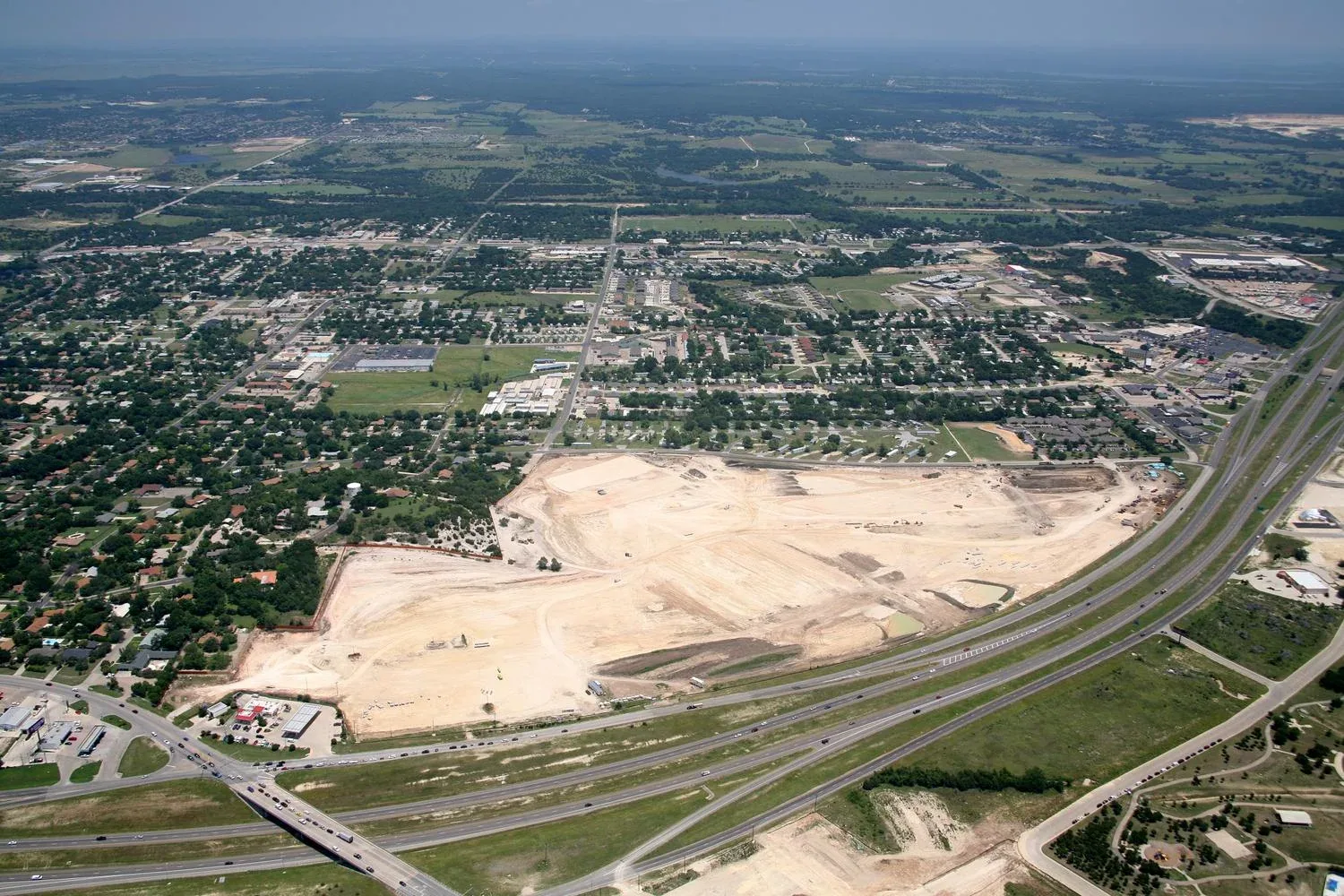
A roof decision along FM 3470 starts with the property's own condition record, then the work boundary that can be priced. In Killeen, TX, the Stan Schlueter Loop segment between SH 201 and the U.S. 190 bypass appears among the city's high-priority roadway projects. That planned connection gives regional context for dispatch, not evidence about a roof or today's route conditions. We identify the building, map accessible sections, and separate immediate protection from permanent repair before the owner weighs capital timing.
What does the roof assembly allow?
A roof can be a single membrane installation or a series of sections with different attachment, insulation, and repair histories. We confirm the system where visible, record the transition points, and mark changes around curbs, drains, parapets, and roof edges. If a repair hides an earlier seam or flashing, we note what can be inspected without opening the assembly. The estimate should keep known work separate from allowances for concealed conditions, so an owner can compare options without treating uncertainty as measured quantity.
Along Stan Schlueter Loop, Cunningham Road is planned between FM 3470 and U.S. 190. That corridor connection is a useful geographic reference for a service visit, but the building entrance and roof access must come from the property contact. An inspection near Cunningham Road still needs its own gate, loading, and safety plan. We can begin with a commercial roof inspection that records the section map and the condition at each transition.
When does a leak call for more testing?
The leak report tells us where water appeared indoors, not where it entered the roof. We trace the nearest plausible drainage path, seam, penetration, wall turn, or equipment curb, then photograph each observation. A wet area below the membrane can be wider than the visible mark. If that difference changes whether the owner repairs a detail or prices a larger section, we identify test locations and the expected decision from each result. A moisture map needs to state method and limits, not present every reading as confirmed wet insulation.
Heat is one reason to keep a current service record. Highs cross 100°F on an average of 18.3 Killeen days each year; exposed work near Stan Schlueter should follow the day's conditions. We use that context to plan safe inspection timing and pay attention to exposed seams, surface transitions, and prior repairs. It does not establish heat-related damage on this corridor. A targeted infrared survey may help focus confirmation when the assembly and surface conditions make the reading useful.
How should repair options be compared?
A local repair is easier to evaluate when it names the defect, roof section, materials, preparation, and tie-in limits. If an opening is active, temporary cover or interior protection can be priced as a separate step while permanent work is developed. Where wet insulation, repeated seam failure, or weak attachment appears beyond the patch area, the next proposal should show the investigation needed before expanding. We provide scoped alternatives when evidence supports them, not a blanket replacement recommendation based on the road or a roof's appearance from the ground.
Future work along the Stan Schlueter corridor could affect traffic and delivery timing; check current access conditions before mobilization. That planning fact speaks to road funding, not the schedule or construction status for a roof visit. For roof planning, ownership can place measured findings into a capital plan with priority, review date, and remaining service questions. A recurring opening may also call for a seam repair review before the replacement cycle is changed. In either case, keep the condition report and price aligned to the same roof boundary.
What access details belong in the schedule?
A work plan has to fit building operations as well as roof conditions. We confirm the roof hatch or lift location, material staging, fire lanes, delivery hours, and rooms that need interior protection. The property contact tells us which entrances cannot be narrowed and whether tenants need notice before a section is closed. We divide work so each day's exposed area can be dried in safely, then list weather-dependent steps and approvals that could affect the next shift. That sequence gives the manager something concrete to compare with the operating calendar.
The Clear Creek Road and SH 201 connection is another planned Killeen roadway reference. It can orient dispatch without replacing a property-specific route check. If a service team is coordinating several sites, the Clear Creek Road corridor and Stan Schlueter Loop should remain separate entries in the roof register. For an occupied office or retail property, an occupied-building sequence can state how access, dust protection, and daily closeout fit the approved scope.
What should the asset file retain?
Keep a plan marked by roof section, dated photographs, known repairs, test locations, and the decision each recommendation supports. When the work is complete, add closeout photos, materials actually installed, approved changes, and any remaining observation. That record helps a new facility lead distinguish a repaired detail from a condition that was never opened. It also makes a later inspection more efficient because the crew can revisit the same boundary and compare it with prior evidence rather than starting with an unlocated leak ticket.
We can use a photo-mapped condition report to capture that record, then compare repair with coating, recovery, or replacement when the assembly allows it. A West Trimmier Road visit may involve different property access, even inside the same city, so the roof map and operating plan stay with each asset. A requested roof walk should include the current plan, reported symptoms, access contact, and the budget window that will shape the next decision.
Before an estimate reaches approval, we also agree on what would change it. A test opening can reveal insulation or deck conditions that a surface review cannot confirm. The proposal should state who authorizes that opening, how the area will be protected, and whether the test is included or priced separately. If the result expands the repair boundary, we return a revised quantity rather than folding unseen work into a broad allowance. This keeps the facility lead, owner, and estimator working from the same evidence when the budget window closes. Add dated photographs and the roof-section identifier to the work file.
Commercial Roofing Questions
Does the planned FM 3470 roadway segment mean a property is under construction?
No. The fact describes a planned roadway project, not current work at any address or a building condition. We confirm access for the actual roof visit with the site contact.
What is needed to compare repair with replacement?
A useful comparison needs the roof system, measured repair areas, moisture evidence, edge and drainage conditions, and the limits of inspection. We can then show the scope each option covers and what further test would change it.
Can work be scheduled around loading or customer traffic?
The facility lead identifies deliveries, entrances, and hours that cannot be interrupted. We sequence by roof section, agree on staging, and record which routes remain open before material arrives.
When should an owner request infrared testing?
Use it when concealed moisture could change the scope and the surface conditions support a useful survey. We mark the method, area, and proposed confirmation points so a reading does not stand in for a test opening.
How are several roof sections kept straight in the service record?
We assign each observation to a roof section and keep photos, repairs, and open questions under that label. Closeout notes identify what changed and which area should be revisited at the next walk.
Set the next roof decision for FM 3470
Send the property map, roof access details, leak locations, and operating limits. We can document the assembly and return a scoped repair or replacement comparison for review.