
Solar-Ready Commercial Roofing in Killeen, TX
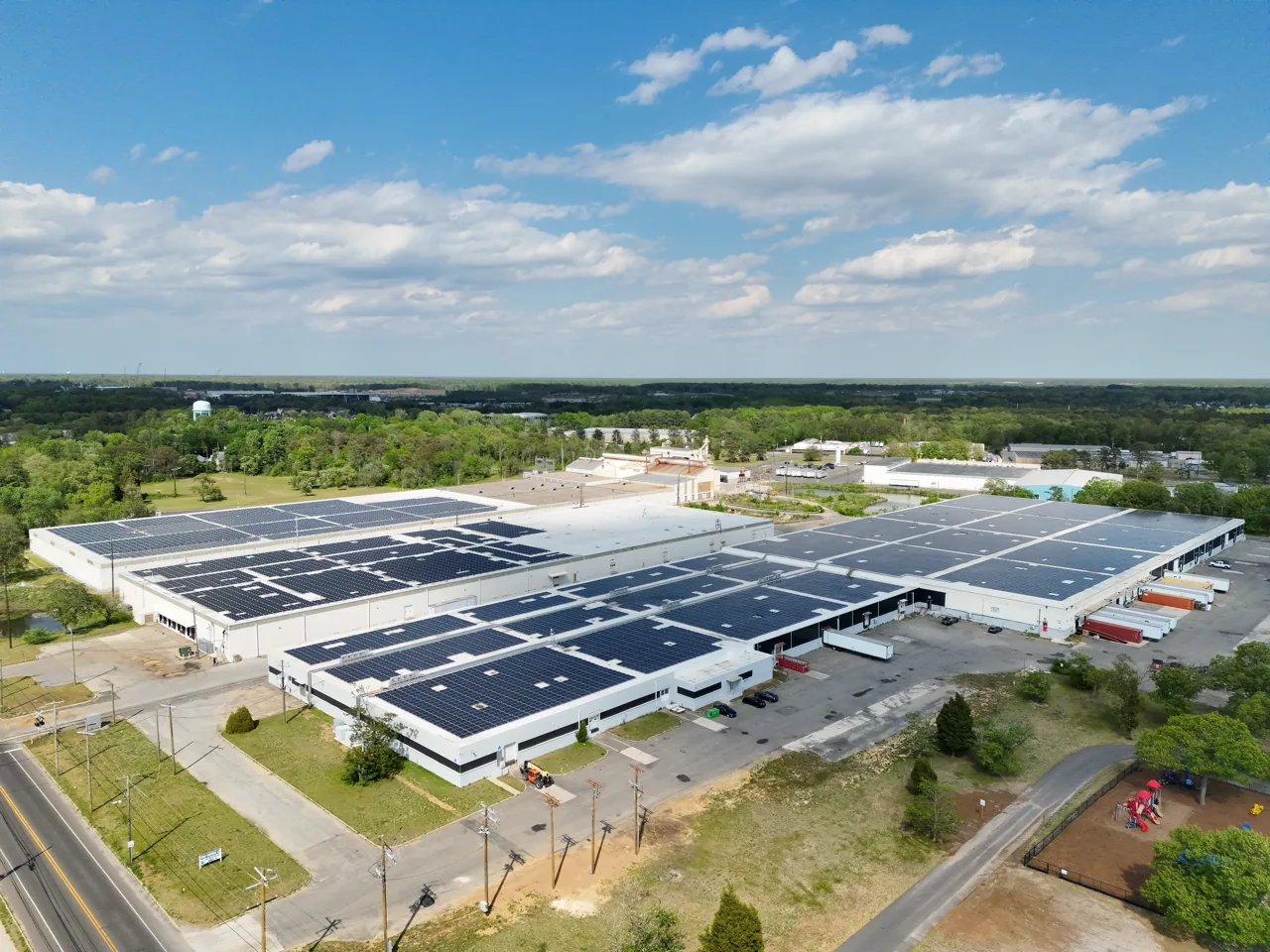
A solar proposal is easier to evaluate when the roof record can answer whether the existing assembly has room, capacity, and remaining service life for another trade. We inspect the roof sections, membrane, insulation, drainage, penetrations, and access before defining roof work. The structural engineer and solar designer establish loading, attachment, and array layout. Our roofing scope documents the surface conditions and tie-in boundaries so the owner can decide whether to coordinate a reroof now or protect a future installation window.
What Should the Roof Record Establish First?
We identify the existing roof system, available warranty information, repair history, and areas where prior work changed the assembly. The walk notes seams, edge details, drains, skylights, rooftop equipment, and visible deck or attachment concerns. If system age or substrate condition is unknown, we mark that uncertainty and propose testing instead of assigning a remaining-life estimate from appearance alone. Solar readiness begins with a reliable condition report, not a general statement that the roof is suitable.
For an occupied commercial property, the record also needs roof access, equipment service paths, and the water route around any proposed array zone. Killeen issued 278 occupancy certificates between April 2025 and March 2026 for commercial uses including restaurant, retail, education, medical-office, and fitness activity. That mix does not establish an individual building’s schedule, so we confirm hours and access with the facility lead. A condition report can keep roof sections, open questions, and testing needs in one usable record.
Who Confirms the Array Loads and Attachment?
Roofing inspection does not replace structural design. The engineer must review the deck, framing, load path, and proposed array loads. The solar designer or electrical contractor defines equipment, wiring, penetrations, shutdowns, and code documents. We can review roof-side details and explain how a proposed attachment or ballast layout intersects the membrane, but we do not select structural connections or electrical components without the appropriate design.
That boundary should be explicit before procurement. The roof scope can identify approved penetration details, flashing responsibilities, temporary protection, and the party that restores the membrane after array work. For attachment work, ask for the engineer’s sealed documents where required and a coordinated detail that names the roof system. A support and curb review can help locate existing conflicts, while TPO assembly information gives the team a system-specific starting point when that membrane is confirmed.
When Does a Reroof Belong Before Solar?
Compare roof replacement timing with the proposed array schedule. A roof nearing its replacement cycle may be less expensive to address before panels, conduit, and supports restrict access. A sound, documented assembly might support installation now if the design and warranty allow it. We separate what the inspection observed from life estimates that need records or testing, then note the roof work that would be difficult to complete after the array is in place.
Killeen applies local amendments to the 2023 National Electrical Code and 2024 International Energy Code; the design team should confirm which provisions govern the solar scope. A project team should confirm how the adopted requirements apply to the roof, electrical scope, and permit submittal. The roof contractor can provide assembly and flashing information but should not represent that the package satisfies every electrical or structural requirement. A capital plan can align roof replacement, array design, procurement, and tenant scheduling in a single budget window.
How Will Panels Affect Drainage and Maintenance?
Array rows, conduit, and supports must leave a workable path to drains, scuppers, overflow points, and roof access routes. We review the proposed plan against the measured roof, noting low areas, crickets, service clearances, and details that should remain accessible. The array designer confirms layout and setback requirements; the roofing review checks whether installation details may obstruct drainage or complicate later repair. No layout should treat roof access as expendable.
US 190/Business 190, Rancier Avenue/FM 439, and FM 3470/Stan Schlueter Loop are useful Killeen access references when planning delivery and lift coordination. Those names do not identify a specific property or access route. We confirm staging, crane position, and roof-entry rules with the facility lead. Where outlet conditions need attention before panel work, a drainage assessment can define that repair, and a Stan Schlueter Loop service-area review can help orient a local site visit.
What Warranty Questions Need Written Answers?
Ask which roof warranty applies, whether solar attachment affects it, what approved details are required, and who performs future repairs around the array. The owner should obtain written direction from the roof-system manufacturer or warranty issuer before installation. A contractor’s verbal assurance does not alter the warranty documents. The record should identify the party responsible for roof penetrations, inspection after installation, and any access needed for a covered repair.
We note the membrane, visible condition, warranty documentation provided, and proposed roof-side work. We do not assume warranty coverage transfers to another installer or that every attachment is approved. If the existing assembly uses a coating or recover, confirm whether the array design and attachment method are compatible. A coating restoration review can establish surface condition, while warranty management can keep required inspections and records visible in the roof register.
How Can Roof and Solar Work Be Sequenced?
Sequence design, roof testing, repair or replacement, and array installation so the membrane is not opened after closeout without a responsible trade. The work plan identifies temporary protection, laydown, crane or lift needs, electrical shutdowns, tenant notices, and inspection hold points. For an occupied building, we coordinate noisy work and blocked routes with the facility contact. Each contractor should know when the roof is released and who may return to it.
From April 2025 through March 2026, 75 of Killeen’s 278 new or expanding commercial occupancies were in the North Killeen Revitalization Area. Use that activity as market context, not evidence about one property’s solar plans. A property manager comparing sites can keep the same decision record while preserving each roof’s tests and approvals. The North Killeen district offers local context; the roof plan and facility rules govern work at each property.
What Does a Solar-Ready Closeout Include?
The roof-side closeout should show the inspected sections, system identification, test locations, photographs, repairs, approved tie-in details, and limitations. Keep the structural and electrical approvals with the project file, but distinguish them from the roofing contractor’s scope. The owner should retain array drawings as installed, penetration locations, warranty guidance, and maintenance access requirements. That package supports a later repair without guessing which contractor owns each interface.
Send the roof plan, warranty documents, and array concept before the walk. We can document roof conditions, separate confirmed facts from design questions, and return roofing boundaries for the capital plan.
Commercial Roofing Questions
Can panels be installed on a roof with an active warranty?
Possibly, but the warranty issuer should confirm the allowed attachment details, installers, inspections, and documentation in writing. We review the roof-side condition and identify the system, while the owner obtains formal guidance before procurement. A proposed layout alone does not establish coverage.
Should a commercial roof be replaced before adding solar?
That depends on verified roof condition, records, remaining service expectations, and the array schedule. We document what the walk can establish and identify where testing is needed. Comparing the reroof budget with the cost and disruption of removing an array later can make the timing decision more concrete.
Who decides whether the roof can carry a solar array?
A qualified structural engineer evaluates the deck, framing, and load path against the proposed design. Our roof review documents visible assembly conditions and flashing considerations. The engineer and solar designer define the array and attachment, while the roofing scope addresses the membrane interfaces assigned to it.
What roof details should remain accessible after installation?
Drainage outlets, overflow paths, roof hatches, equipment service clearances, and repair zones need review against the final array plan. The designer confirms layout rules. We compare that plan with field conditions and flag access or water paths that should not be blocked.
What should the owner keep after solar and roofing work?
Retain the final roof plan, array drawings as installed, approval documents, warranty correspondence, photographs, test records, and a list of penetration locations. Identify which contractor handles future flashing or electrical work. A complete service record will help the next repair team find the right interface.
Put roof condition on the solar schedule
Share the roof records, warranty documents, and array concept. We can inspect the assembly and define roofing work and trade handoffs before equipment reaches the roof.