
Commercial Roofing in Bunny Trail Corridor, Killeen, TX
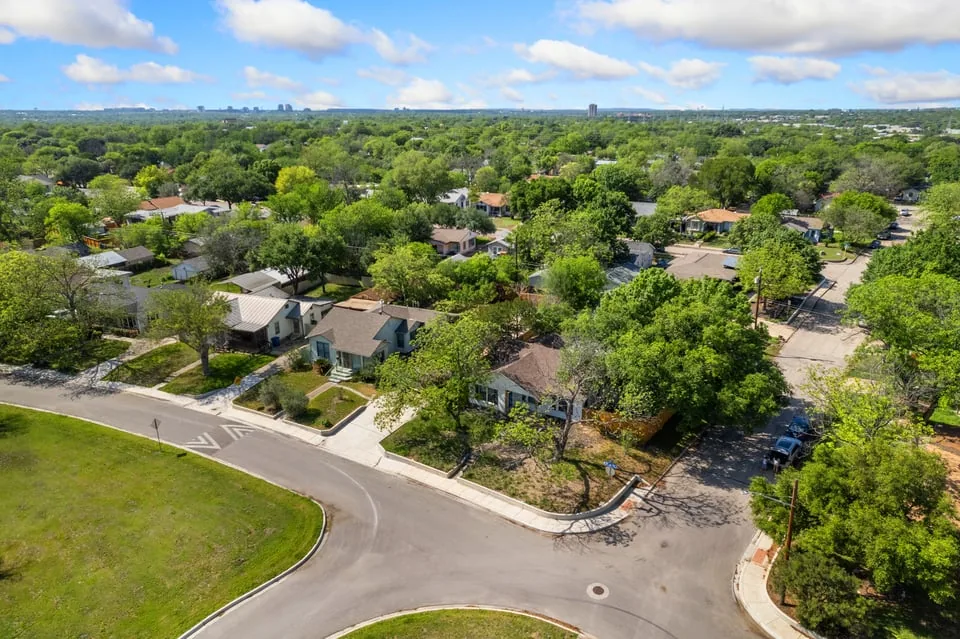
A roof decision along Bunny Trail starts with the building, not the route name. The corridor runs between Stan Schlueter Loop and Canadian River Loop, and roof work still needs its own measured boundary, access plan, and condition record. We mark each roof section, trace reported water, check the perimeter, and separate findings from areas that need a test opening. A Cunningham Road roof visit can be scheduled as a separate property stop, while this file stays tied to the asset on Bunny Trail.
Which roof sections belong in the work order?
Before choosing a repair or replacement path, we identify the assembly we can verify. That means recording membrane type where visible, insulation layers exposed at an edge or opening, deck condition, attachment clues, drainage points, curbs, and wall transitions. If the roof has multiple additions, a single note such as “north roof” may not be enough to price the work or return to the same leak. We mark each section on the plan and connect photographs to a physical detail. The commercial roof inspection gives ownership a starting record, while a photo-mapped condition report keeps the observations useful for later budget review.
Roof access also matters before a crew begins. We confirm the hatch or lift route, fall-protection requirements, staging location, and areas that cannot be crossed with material. When a building has different roof elevations, the safe path between them belongs in the scope. A Florence Road corridor stop can share a dispatch window, but its roof map and access limits remain separate.
What should a repeat leak change?
A recurring interior mark deserves a wider look than another bead of sealant. We trace the likely path across laps, penetrations, curb corners, drain bowls, and wall transitions, then compare it with earlier repairs when those records are available. Water can travel through insulation before it appears below, so the interior stain is a clue rather than a repair quantity. If a local opening is visible and the surrounding membrane can accept a sound tie-in, we price a bounded fix. A leak investigation and repair can include temporary protection first, with permanent work defined after the source is better understood.
Moisture readings, core cuts, and selective openings answer different questions. A survey can help locate suspect areas, while an opening can show whether the cover board is firm, insulation is wet, or the deck needs repair. We mark each test location and explain how its result changes the scope before covering it again. When a seam is the likely entry point, a seam repair assessment documents the lap, adjoining field, and drainage direction rather than stopping at the visible split.
How do hot work windows affect the plan?
Killeen's climate baseline includes 18.3 days each year reaching at least 100 degrees. For a roof on Bunny Trail, that number is context for scheduling and surface checks, not a diagnosis of heat damage. We plan the inspection window around the exposed surface, keep materials staged as their requirements allow, and verify weld settings on the roof before production seams continue. If coating is under consideration, surface temperature, moisture, and substrate condition can move the start time. A membrane review still has to address insulation, attachment, perimeter details, and drainage along with the field surface.
The local weather baseline is useful when the owner is deciding whether work can wait for a later budget window or needs immediate protection. We show what is active, what is deteriorated, and which observations need confirmation. At the same time, a hot week alone does not justify replacing an assembly. The condition report connects each recommendation to the roof section, the evidence gathered, and the consequence of leaving that finding unresolved.
When is a patch no longer the full answer?
One repair can be the right call when the defect is isolated, the substrate remains sound, and adjacent seams can be tied in correctly. A pattern of repeated openings, broad moisture, failed attachment, or deteriorated deck can shift the comparison. We measure repair areas, list the details included, and identify assumptions such as concealed layers or deck condition. If a recover is possible, the estimate accounts for added height at drains, edges, and equipment curbs. If removal is needed, the proposal separates tear-off, disposal, substrate correction, insulation, membrane, metal, and temporary dry-in so totals compare the same work.
Killeen's effective construction codes include the 2024 International Building Code as amended, with permit applicability depending on the scope. We note the proposed work boundary and identify where design or permit review may be needed before material ordering. That step matters when a roof repair becomes a change to drainage, edge attachment, or insulation thickness. A capital planning review can align the measured scope with the budget window without rolling unrelated roofs into the same allowance. For exposed metal or transitions, edge and coping work should be priced as part of the water path, not left as an undefined line item.
What must remain usable during the work?
A roofing sequence should name the access limits that matter to the building. We confirm delivery windows, tenant entrances, fire lanes, rooftop equipment service routes, and rooms that need interior protection. The crew divides the roof into manageable sections, removes only what can be dried in safely, and records the close-of-shift condition. Bunny Trail's reconstruction project covered the stretch from Stan Schlueter Loop to Canadian River Loop and included roadway, curb, sidewalk, and drainage work. That road context can help identify the corridor for dispatch; the facility contact still controls the actual gate, staging point, and roof access for each property.
When the building remains occupied, the schedule should identify when a lift arrives, where materials sit, which doors stay clear, and who receives an update if weather changes the closeout. We coordinate temporary protection with the person responsible for the space below the open section. A phased occupied-building sequence can document those handoffs. For a larger portfolio, keep the Bunny Trail record alongside other Killeen assets while retaining each roof's separate repair history and approval path.
What should the asset file retain?
Closeout should make the next inspection easier. We provide a marked roof plan, dated photographs, repair locations, the work completed, and any open question that needs a later check. The record should distinguish what was replaced from what remained, especially when a recovery or partial replacement meets an existing system. A later maintenance visit can compare the current condition with the same baseline rather than starting from a broad leak ticket.
Before approval, we review the repair boundary, allowances, access plan, and the test that would change the quantity. If a hidden condition is discovered, the proposal states how the owner authorizes the added opening and how the area will be protected. For urgent water entry, the first step is to stabilize the affected section; the permanent scope follows once the assembly is understood. Requesting a roof walk with the current plan, symptom locations, and operating limits lets us return a condition report and options that fit the property's next decision.
Commercial Roofing Questions
Does the Bunny Trail roadway project tell us what a nearby roof needs?
It gives a corridor reference and project scope for the road. We inspect the actual building, identify its assembly, and price only the roof work supported by that visit.
What should be checked before replacing a recurring patch?
We follow the water path across seams, penetrations, drains, and wall details, then test concealed layers if the result could change the scope. The proposal separates immediate dry-in from permanent repair.
How do you keep an occupied property accessible?
The site contact identifies entrances, deliveries, and protected rooms. We stage and sequence by roof section, agree on lift timing, and record how the exposed area will be closed at the end of each shift.
When does a recover need an opening first?
Use a selective opening when moisture, deck attachment, or layer count could change whether the existing assembly can remain. We show where the test will occur and what decision its result will settle.
What belongs in the closeout package?
A marked plan, dated photographs, repair locations, materials installed, and remaining observations give the next facility lead a useful baseline. Each item should point to the roof section it describes.
Set a roof walk along Bunny Trail
Share the property entrance, roof plan, reported leak locations, access rules, and operating hours. We can map the findings and return a scoped repair or replacement comparison for the next budget decision.