
Commercial Roofing in Florence Road Corridor, Killeen, TX
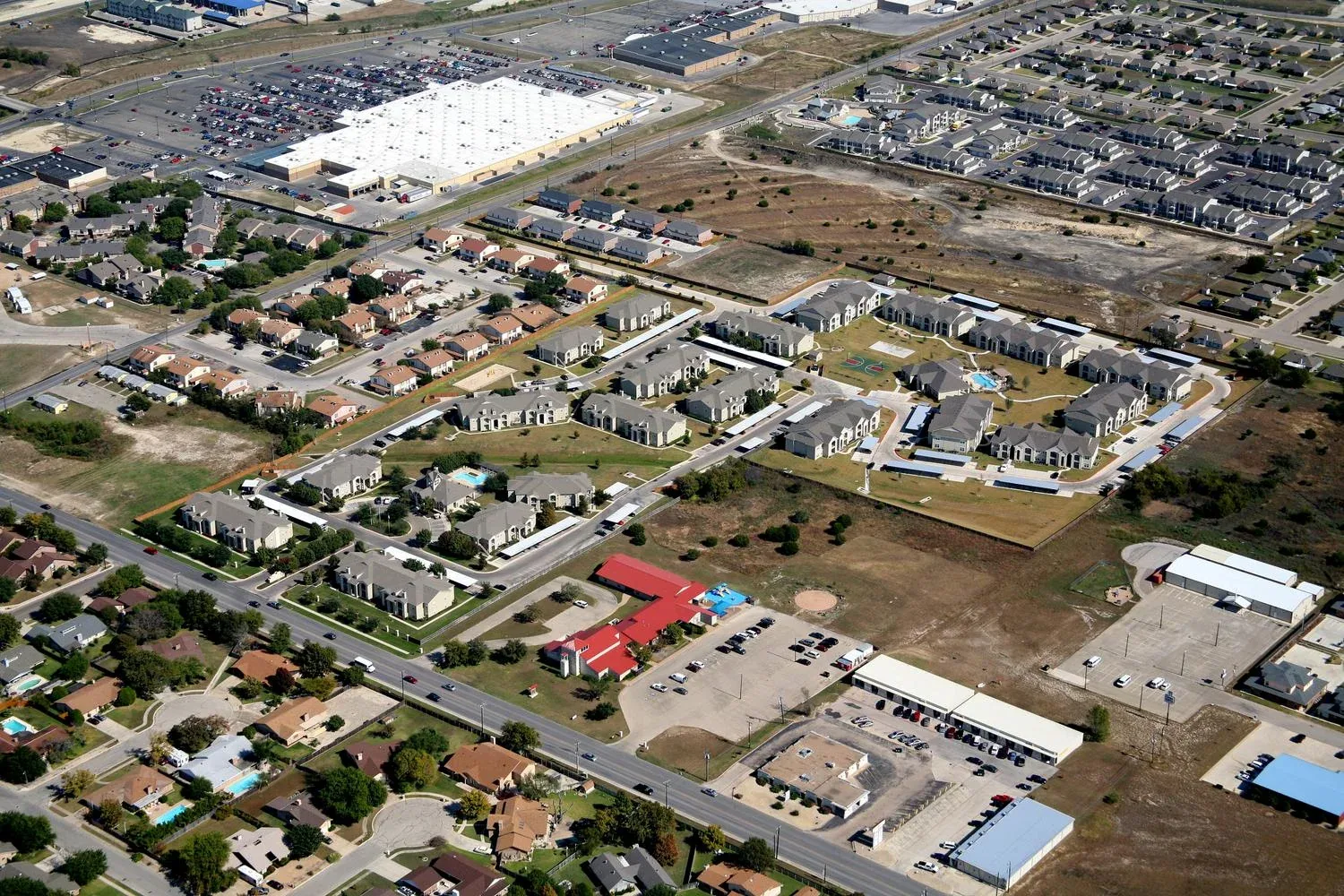
Maintenance planning for a Florence Road property begins with the roof findings that can change cost or timing. The corridor links Jasper Drive and Elms Road in one planned segment, with another listed segment extending from Elms toward FM 3470. We connect a roof finding to its section, photograph, and measured repair area, then keep any concealed condition marked for confirmation. If ownership also schedules a roof review on Elms Road, the visits can share dispatch planning without merging their roof histories or access rules.
Which observations change the estimate?
A walk begins with the reported leak, but it should continue through the nearby drainage path and transitions. We inspect field laps, patches, wall flashings, penetrations, drain sumps, and curb corners, then note where the roof surface retains water or where a seam has separated. Photographs include enough context to return to the same detail and measure the work. If the assembly is unknown, we identify where a test opening could verify the membrane, insulation, and deck before the estimate assumes those layers can stay. The leak repair scope then follows the supported boundary rather than the ceiling stain alone.
Drainage corrections are priced with the field condition, not buried in a general membrane allowance. We check drain bowls, strainers, overflow paths, scuppers, and the area leading water toward each outlet. A restriction can produce ponding even where the membrane itself remains serviceable. If the owner needs a separate correction, drain and scupper repairs can be itemized with the roof section, access need, and tie-in detail. This gives ownership a comparison between a targeted water-management fix and a broader assembly project.
How should the road corridor shape scheduling?
Florence Road from Jasper Drive to Elms Road appears among Killeen's high-priority roadway projects, and the city's additional list includes a segment between Elms and FM 3470. Those endpoints help define the service area; they do not say when a specific property can receive a lift or whether a roof needs repair. We confirm the exact entrance and current operating constraints with the site contact. The Cunningham Road corridor is a separate Killeen route reference, so each site keeps its own staging point, delivery plan, and roof map.
Before work is scheduled, we confirm where a ladder or lift can be placed without blocking loading, customer entry, or fire access. The facility contact also identifies rooftop equipment that must remain available to another trade. If a new curb or unit replacement is expected, measure the opening and decide how temporary dry-in will protect the roof before the equipment arrives. The installation sequence should show who closes each transition and how the crew verifies the completed flashing before moving to the next section.
What does Killeen summer heat change?
July runs 84.0°F on average in Killeen and August 84.6°F; choose a Florence Road inspection time from the day's roof conditions. On a Florence Road roof, that climate context makes surface checks and workable installation windows part of the plan, but it does not establish damage on the building. We note surface temperature, substrate condition, and whether a weld or coating process can proceed as specified. When a project has exposed seams or aging flashings, a membrane system review should include attachment, insulation, perimeter metal, and drainage rather than treating the field sheet as the whole assembly.
Weather exposure also affects the repair sequence when a roof has to stay open during work. We divide removal into areas that can be protected and closed in the planned shift, with a dry-in point named before tear-off starts. If a leak is active, emergency stabilization can proceed while the permanent repair is still being scoped. The owner sees which areas are protected, which require test openings, and what condition would change the amount of replacement material. That distinction keeps a short-term response from being mistaken for a completed capital decision.
When is a localized repair still sound?
A localized repair has a defensible boundary when the surrounding membrane is intact, the substrate can take a compatible tie-in, and the water path ends at the detail being corrected. We remove loose or failed material as needed, prepare the surface, and carry the repair into sound membrane rather than stopping at the visible edge. When failures repeat across several roof sections, moisture and attachment checks may show that the defect is part of a broader condition. A ponding-water assessment can separate drainage correction from membrane replacement and identify which observation should be resolved first.
For a building with several additions, the area quantity can change once those roof sections are separated. The proposal should state which elevations are included, how tie-ins meet walls or older systems, and whether a test or design review remains open. A recovery option must account for added height at drains, curbs, and door transitions. If the old assembly cannot support another layer, the recover feasibility review should lead to a removal scope with substrate repairs and temporary protection listed before a final price is compared.
What should be resolved before replacement?
Replacement timing is clearer when the inspection identifies active leaks, wet insulation, attachment concerns, and deck questions by location. We state what was visible, what was tested, and what needs owner authorization before an opening is made. The cost comparison should separate tear-off, disposal, insulation, cover board, membrane, edge metal, drainage corrections, and equipment transitions. A capital planning review can place those tasks in the next budget window and show which unresolved test could move the schedule or quantity.
As of January 1, 2026, Killeen's adopted code set includes the amended 2024 International Building Code. The project scope determines which requirements and permits apply, so those questions need resolution before procurement. For a commercial property with public access or ongoing deliveries, the plan also sets temporary barriers and working hours. A manager should be able to see the same boundary in the roof drawing, the estimate, and the expected closeout record, with any allowance tied to a stated condition rather than a general contingency.
Which records keep the next decision grounded?
The closeout file should preserve the inspection map, dated images, repair locations, materials placed, and any remaining issue for later review. We label roof sections consistently so the next walk can compare the same drain, curb, or seam instead of relying on a broad address note. If multiple service calls occur, the record distinguishes emergency dry-in from permanent work. A condition report can carry those observations into a future replacement-cycle discussion without turning one repair into a forecast for every roof nearby.
Before asking for a roof walk, ownership can share the plan, the reported leak locations, service hours, and any planned equipment work. We confirm access, measure the affected area, and return options that identify what is included and what could change after testing. That gives the asset manager a repair price, a recovery comparison if the existing layers allow it, or a replacement scope with its open questions visible. The decision remains tied to the particular roof and the operations that the work has to protect.
Commercial Roofing Questions
Which stretch does the Florence Road service area cover?
The named corridor includes the planned segment from Jasper Drive to Elms Road and another listed segment from Elms toward FM 3470. We confirm the property's entrance and roof access separately before scheduling work.
Can a drain correction avoid replacing the membrane?
It can when the field remains serviceable and the water problem is isolated to the outlet or surrounding metal. We inspect both the drainage path and membrane before setting that scope.
What evidence makes a recurring leak priceable?
A roof map, photos of nearby transitions, measured repair area, and moisture confirmation where needed help set the boundary. If concealed layers could change the work, we show the proposed test before pricing the permanent scope.
How is a replacement scheduled around deliveries?
The facility contact identifies busy periods, entries, and lift placement. We plan by roof section, protect the open area, and note the closeout condition for each shift.
What should the owner keep after a completed repair?
Keep the marked location, dated photos, repair description, and any follow-up condition together. The next inspection can compare that exact section and decide whether the repair remains stable.
Review a Florence Road roof section
Send the roof plan, leak notes, property entrance, and operating hours. We can document the assembly and return a scoped repair, recovery, or replacement comparison.