
Silicone Roof Coatings in Killeen, TX
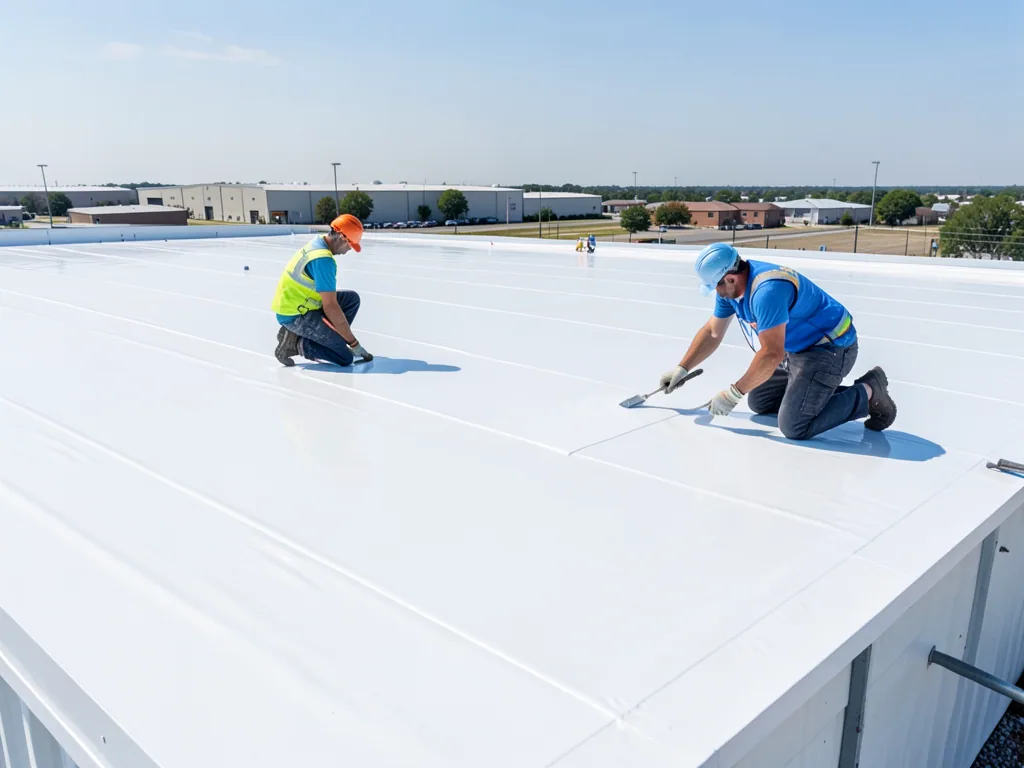
A silicone coating is a restoration layer, not a substitute for diagnosing the roof below it. Before pricing application, we inspect the existing membrane or metal, check adhesion and moisture, review drains and penetrations, and locate failed repairs. The owner needs a defined preparation and repair boundary, plus a clear statement of what will remain beneath the coating. Killeen weather can influence the application window, but the building’s tested surface and drainage condition decide whether the system is a candidate.
Is the Existing Roof a Suitable Substrate?
We identify the current roof material, previous coatings, exposed areas, and any zone where the surface is chalking, loose, contaminated, or wet. Silicone products have specified primers and application conditions, so a generic label is not enough to confirm compatibility. A test area can help establish adhesion before a full scope is priced. The report identifies where the test was placed, what preparation was used, and whether the result supports further work.
Moisture below the surface needs its own investigation. Coating over wet insulation or a failed seam can hide the condition without correcting it. We compare visual observations with moisture survey results and selective openings when the recommendation depends on concealed layers. A spray foam assembly review can help determine whether SPF is the existing substrate, while a different coating approach can be compared after the roof material and exposure are known.
What Must Be Repaired Before Application?
Open seams, loose flashing, failed penetrations, punctures, and unstable edge details need correction before coating. We mark these items and state whether they are included in the preparation scope. At a drain, the bowl, clamping ring, and surrounding membrane are inspected before application. Coating should not bridge an outlet or change the intended water path. Where the roof holds water, we distinguish a blocked drain from a slope or insulation issue and show any correction separately.
Equipment supports, pipe penetrations, curbs, and skylights have transitions that need compatible reinforcement and enough coating coverage. We check for movement and old sealant that could prevent adhesion. The scope lists reinforcement fabric, primer, repairs, and detail work so the owner can see what is included. A drainage repair visit can define outlet work, while a flashing inspection can address an opening before the field coating begins.
How Do Killeen Conditions Affect Application?
Killeen ranks West Trimmier, East Trimmier, W.S. Young Drive, and Chaparral Road among its first four high-priority thoroughfare projects. That does not establish a closure at the building. We confirm travel and staging with the facility lead for a property near the West Trimmier Road corridor, then set a protected application boundary before primer or coating is placed.Coating work also depends on the roof’s measured moisture and surface condition. We record the test area and prepare the substrate as specified. A regional project priority does not alter the manufacturer’s application window or make a wet surface suitable for bonding.
What Does a Complete Coating Scope Include?
The proposal should state cleaning method, removal of loose material, rust or surface preparation, primer, repair compounds, reinforcement, coating passes, target thickness, and exclusions. It should identify the measured area and whether parapets, curbs, gutters, and edge metal are included. We record the test patch and final application by roof section. If a manufacturer detail requires a different treatment at seams or penetrations, the scope should show it rather than bury it in a general field allowance.
For a metal roof, the work may include replacing loose fasteners, treating corrosion, and correcting laps before coating. For a membrane, seams and prior patches require compatibility checks. We do not treat a coating as structural repair or assume that an old roof is ready based on visual appearance alone. A metal restoration plan can identify fastener and corrosion work, while a membrane replacement comparison can show another route if the substrate fails.
When Should Restoration Be Compared With Replacement?
Coating may fit when the existing roof is dry, stable, compatible, and repairable, with drainage and details corrected first. Replacement deserves review when wet insulation is widespread, attachment is unreliable, deck conditions are poor, or repeated failures cross many sections. We map confirmed conditions and identify the tests that could change the recommendation. A capital plan should include the remaining maintenance duties, expected reinspection, and how future penetrations will be handled after the new surface is installed.
Occupied properties require a plan for roof access, staging, noise, odors, equipment, and daily protection. The facility contact should know when each area is wet or restricted and when it is ready for normal service. A replacement estimate can compare full removal with restoration assumptions, and a condition report can hold test locations and scope boundaries for review. Keeping those options separate makes the budget decision easier to audit.
How Should the Coated Roof Be Maintained?
Retain product data, surface-preparation notes, test-patch results, application records, target thickness, photographs, repair locations, and any areas excluded from the project. Record drains, penetrations, and seams that should be checked during follow-up. If another trade cuts or disturbs the coating, note the repair material and restored area. When HVAC or electrical crews cross the treated field after closeout, record their work route and the person responsible for restoring a cut or puncture. That keeps later damage separate from coating wear. Those details let a later inspection distinguish normal wear from a new failure at a transition.
At a coating closeout, the property contact confirms where rooftop trades may walk and which details need protection. A maintenance walk can revisit exposed details, and warranty tracking can preserve the inspections and product records required after restoration. The owner can then compare coating wear by section and plan the next repair before water reaches the assembly. Mark the product, application zone, and any later trade disturbance together so the next inspection can distinguish abrasion from a new adhesion issue. At closeout, identify any later curb or pipe work that cuts through the coating, the repair material used, and the restored boundary. That history helps distinguish abrasion from a new adhesion problem at the next visit.
Commercial Roofing Questions
Can silicone coating be applied over an existing roof?
It may be suitable when the substrate is dry, stable, compatible, and prepared to the product requirements. We inspect repairs and transitions, check moisture concerns, and use a test patch where adhesion is uncertain. The estimate identifies the exact included area and exclusions.
Does silicone coating fix ponding water?
A coating does not automatically change the roof slope or drain capacity. We inspect the outlet and low area, then separate obstruction, membrane repair, and slope correction. The work plan should state how water movement will be addressed before application.
What repairs come before coating?
Loose seams, failed flashing, punctures, unstable fasteners, and wet material need evaluation first. We list each repair and determine which can be included in the restoration. A coating should not conceal an unresolved defect or an area that fails the preparation criteria.
How do you confirm coating adhesion?
We identify the existing surface, prepare a representative area, and follow the product’s test method and cure conditions. The result applies to that sample, so the report records its location and preparation. If the surface varies, additional tests may be needed.
What records should remain after a coating project?
Keep product and batch information, preparation and test records, application notes, thickness checks, photographs, and a map of repairs. Mark areas excluded from the coating and any detail requiring follow-up. Those records support warranty review and future maintenance.
Test the Substrate Before Coating
Share roof plans, prior coating data, leak history, and access limits. We can inspect the substrate and drainage, test uncertain surfaces, and return a restoration or replacement comparison by section.