
Commercial Skylight and Penetration Flashing in Killeen, TX
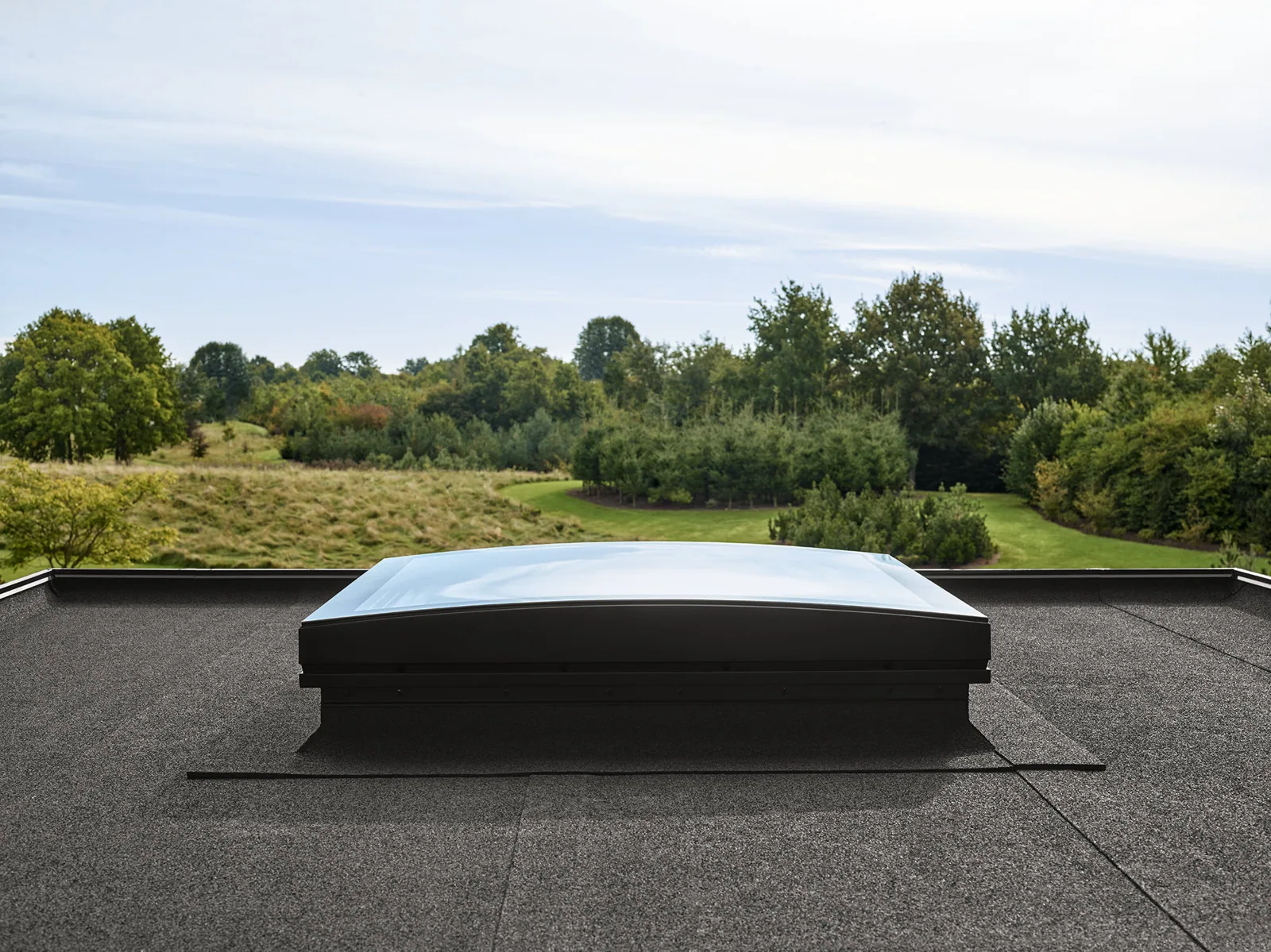
A skylight leak or pipe-boot split needs a detail inspection, not a bead of sealant placed at the first visible gap. We check the curb, membrane tie-in, corners, counterflashing, and nearby seams, then map what must be rebuilt. Killeen's long warm season makes exposed sealants and transitions worth checking during a roof walk, but the condition on the building decides the repair. We document the opening, assembly, and work boundary before pricing it.
Is the Curb Still Sound?
We inspect the skylight frame, curb height, corner transitions, cap, and membrane flashing for cracks, loose metal, failed laps, or soft substrate. If water has entered, interior staining helps locate the symptom but may not identify the roof-side opening. We trace the curb perimeter and test the nearby assembly when the visible detail does not resolve the path. The report shows which side is open and whether a repair can stay at the curb.
Killeen's construction codes effective January 1, 2026 include the amended 2024 International Building Code. If a curb or opening is changed, we verify which requirements apply to that project's scope. We check the material and attachment on the roof before recommending work. Where the existing assembly is compatible, a leak repair can address the measured curb boundary. If moisture extends beyond it, a moisture survey can help select test locations.
The curb's height and frame condition determine how the new flashing turns up and terminates. We measure those sides, check the frame-to-curb connection, and look for a gap where movement could pull the membrane away. If the curb needs rebuilding, that carpentry or metal work is identified before the roofing detail is installed. The final scope records which trade prepares the opening and which party protects the interior fixture.
What Is Passing Through the Roof?
Each pipe, conduit, cable support, vent, and equipment line needs a flashing matched to its shape and movement. We look for a split boot, loose clamp, short field lap, unsealed corner, or a pipe that has shifted against the flashing. If several lines share a support, we identify which parts can be removed or lifted before selecting a repair. The scope states what the roofing crew can complete and what coordination is needed from another trade.
A sealant ring may be part of a properly installed boot, but it does not replace a compatible base flashing. We remove failed material to reach a clean tie-in, secure the boot or curb detail, and check the adjacent membrane before closing the work. If rooftop units are involved, a curb and equipment support review can coordinate that transition. A metal detail assessment may be needed where the same roof section meets a parapet or edge.
How Is the Leak Path Checked?
We compare the interior symptom with the roof slope, curb corners, laps, and drainage route. Water can move below a membrane before it reaches a ceiling, so we inspect beyond the stain and identify the limits of a visual check. A controlled test can help confirm a suspected joint when safe and suitable. If the roof cannot be tested during the visit, we state what evidence remains missing and avoid treating a guess as a completed diagnosis.
SH 201 and Bridgewood Drive are linked by a proposed east-west collector. The broad route helps orient dispatch, while the facility contact confirms the actual hatch, lift, and access path. That helps locate a broader service-area route, while the facility contact confirms the actual hatch, lift, and access path. At a building near Stan Schlueter Loop, we still trace the leak to its roof detail. The inspection record can map nearby defects if more than one opening is involved.
How Is Work Coordinated Below the Roof?
Skylights and penetrations may sit over occupied rooms, production areas, or equipment that needs protection. We identify the interior zone below, confirm whether a unit or line can be shut down, and plan material staging with the site lead. A skylight opening should remain protected while the curb is prepared. We close each exposed edge before the crew leaves and photograph the completed flashing so the owner can restore any temporary interior protection.
Over the year ending March 2026, Killeen's commercial growth brought 278 occupancy certificates for new or expanding restaurants, retail, childcare, education, medical offices, and fitness uses. A citywide count cannot tell us what a particular building contains, so we confirm its use and work hours before opening a roof detail. Rancier Avenue remains a local dispatch reference; access and room protection are set with the property contact. A phased work plan can limit tenant interruption when several curbs need attention.
When a skylight is being replaced by another trade, we agree on the time that the opening will be exposed and how it will be protected overnight. The roofing crew prepares the curb transition after the frame is set and verifies that the flashing can reach the required height. We note any interior ceiling or equipment that cannot be exposed to dust or water, then plan the sequence so the roof is closed before the work zone is released.
What Belongs in the Flashing Record?
The closeout shows the opening, removed material, substrate condition, new flashing, and finished tie-in. We note the product type where it can be identified, any test performed, and any condition that remains beyond the approved work. If the curb is too low, a frame is damaged, or deck deterioration is found, we price that correction separately rather than burying it in a sealant allowance. A clear record supports the next inspection and protects the repair boundary.
The amended 2024 International Building Code took effect among Killeen's construction codes on January 1, 2026. If a curb, opening, or roof assembly is altered, we confirm which permit requirements apply to the specific project. A condition report can keep the photos with the asset's roof register, and a Downtown Killeen roof walk can be coordinated around the building's entry schedule. Request a flashing inspection with a leak location, roof plan, and access contact.
Commercial Roofing Questions
Can a skylight leak be stopped with sealant alone?
We first check the curb, corners, membrane tie-in, and substrate. Sealant can be one part of a sound detail, but it will not correct a low curb, loose flashing, or wet material below the membrane. The repair follows the measured failure point.
Do you replace the skylight when repairing its flashing?
Not automatically. We inspect the frame, cap, curb, and glazing condition, then separate roofing work from any frame replacement. If the skylight itself is damaged or unsafe, that work is identified for the owner and coordinated with the appropriate trade.
How do you handle several pipes in one roof area?
We map each penetration and identify the boot, support, or shared curb involved. The scope lists which lines can be flashed by the roofing crew and what must be moved or isolated by another trade before the membrane detail is rebuilt.
Can you test the roof after repairing a penetration?
A controlled test may be used when the assembly and site conditions allow it. We agree on the method, protect the area below, and record the result. If testing is not appropriate, photos and follow-up observation remain part of the closeout record.
What should the facility lead prepare before the visit?
Identify the interior area below the leak, roof hatch or lift access, equipment shutdown limits, and any room that needs protection. Prior repair photos or roof plans help us find the right curb and keep the inspection focused.
Trace the Opening Before It Is Sealed
Share the leak location, roof plan, penetration type, interior protection needs, and roof access contact. We will inspect the curb or boot, map the tie-in, and return a repair scope with any testing or trade coordination identified.