
Acrylic Roof Coatings in Killeen, TX
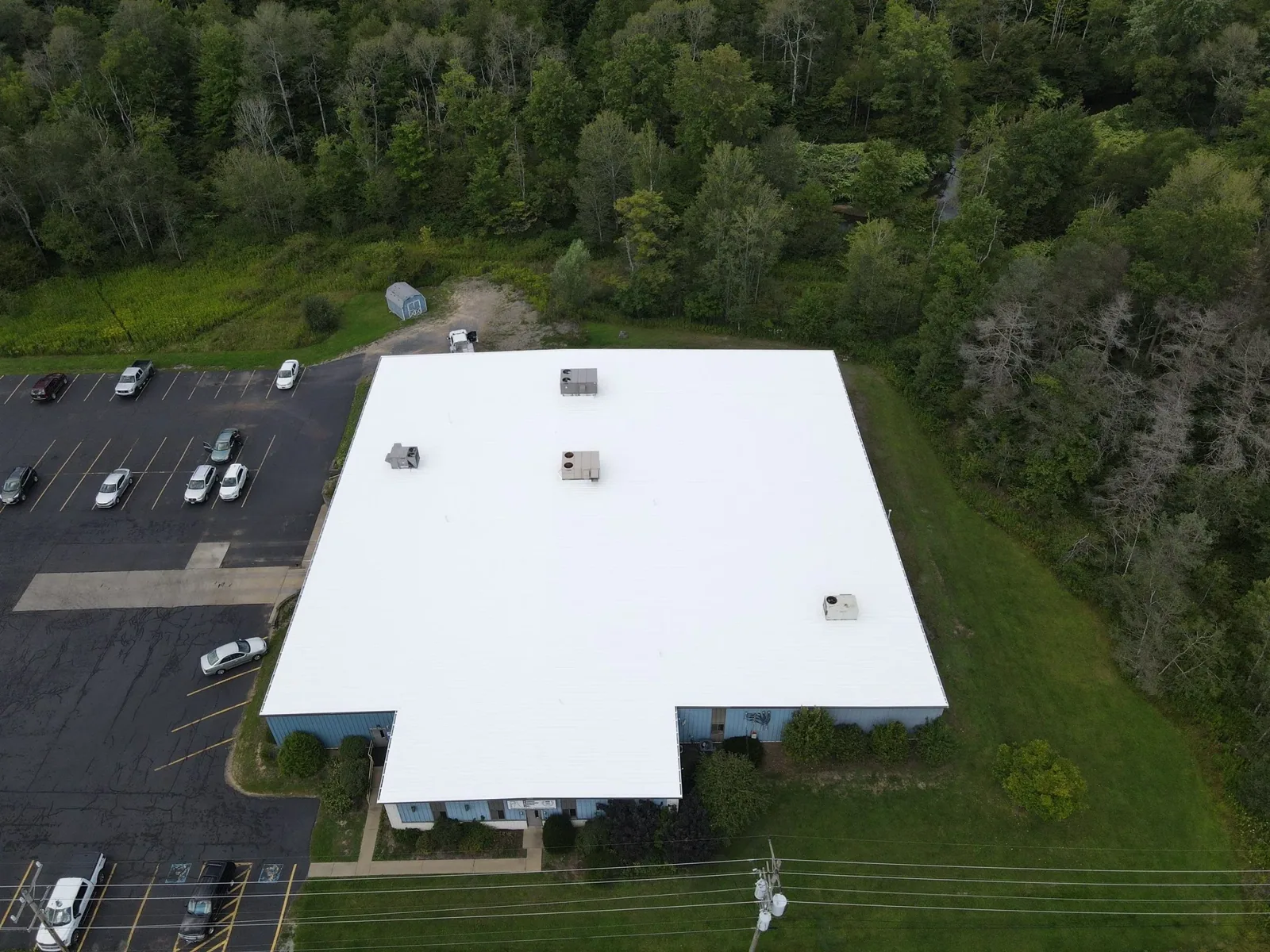
An acrylic coating proposal starts with the roof underneath it. We inspect the existing membrane or metal, locate open seams and flashing defects, check drainage, and review prior repairs before treating coating as an option. A water-based product must meet its application requirements and bond to a properly prepared surface. The owner should receive a mapped area, preparation steps, repair boundaries, and conditions that would disqualify a section from coating. That creates a scope the capital team can compare with repair or replacement.
What Roof Surfaces Can Accept Acrylic?
Acrylic coatings are applied over a suitable, prepared substrate, but compatibility depends on the existing roof and the selected product. We identify the membrane or metal, note existing coatings and repairs, and review the specified primer and reinforcement. Loose, wet, contaminated, or unstable material cannot be treated as ready because the surface looks intact from the access point. A test patch may help check adhesion on a representative area; its preparation and result are recorded for the owner.
Before application, we repair open seams, punctures, loose fasteners, and failed flashing. At metal roofs, corrosion and movement need attention before a film bridges a joint. At a membrane, the seam and transition detail must remain compatible. A silicone coating comparison can clarify formulation tradeoffs, while an exposed-fastener metal review can determine whether panel repairs belong before coating is considered.
What Must Preparation Resolve?
The written scope should name cleaning, removal of loose material, rust treatment, primer, seam reinforcement, flashing repair, and coating application. We mark drains, parapets, equipment curbs, and adjacent roof transitions so the field coating does not conceal an unresolved detail. A coating can bridge a small stable surface imperfection when the product permits it, but it does not fix failed attachment, wet insulation, or a drain that holds water. Those items remain separate work until confirmed and corrected.
We also identify the required dry conditions and the forecast window for the selected material. If rain, dew, or temperature falls outside product requirements, the crew needs a clear stop point and temporary protection plan. The building lead should know which area is closed until cure is complete. A roof inspection can document existing conditions, and a drainage check can identify outlet work before the coating mobilization.
How Does Killeen Heat Enter the Decision?
North Killeen’s revitalization area contained 75 of the 278 occupancy certificates issued in Killeen during the reported period from April 2025 to March 2026. That activity is area context, not evidence of a particular roof’s age or coating condition. For a property near the North Killeen Revitalization Area, tenant hours and access are confirmed with the site contact before application.US 190 access connections lead toward Stan Schlueter Loop through Bacon Ranch Road and Cunningham Road projects. Those projects help orient a regional work schedule, while the building entrance, staging zone, and cure protection are set by the facility lead.
What Should the Application Record Show?
Record the product, batch, primer, surface preparation, repair detail, application dates, weather conditions, and measured coverage or thickness where the specification calls for it. Photographs should show the substrate before work, reinforced details, and finished areas. The map marks penetrations, drains, and any zones omitted from the coating. If the application stops at a roof transition, the termination detail should be described so a later visit can check its condition rather than assume the field coating continues beneath adjacent material.
A reflective finish may change solar reflectance, but that alone does not establish an energy outcome; insulation, equipment, occupancy, and controls also matter. Keep any performance claim tied to product documentation and building analysis.
At equipment curbs, the coating may need reinforcement and a separate flashing detail. At skylights or pipe penetrations, we inspect the corner and counterflashing before treating the field. A penetration repair can prepare an opening for compatible application. If work will cross a busy area, a tenant-access sequence can define temporary closures, delivery timing, and protected walk routes before the crew arrives.
When Is Coating Better Than a New Roof?
Acrylic restoration can be a candidate when the existing assembly is stable, dry, compatible, and properly repaired. Replacement should be compared when moisture is widespread, attachment is failing, the deck needs substantial work, or repeated defects cross several sections. We note the evidence for each option and list any test needed to reduce uncertainty. The owner should not treat a coating thickness or product label as a substitute for confirming what remains below it.
A repair-only option may fit when the defects are limited to a few seams or details. A coating scope may cover more surface but still require repairs and future inspections. The comparison should include access, preparation, repair, drains, penetrations, and maintenance obligations. A replacement budget scope can show a separate assembly option, while a condition report records the tests and exclusions supporting each choice.
How Should Future Work Be Controlled?
After cure and closeout, rooftop trades need a clear route and repair procedure. Tools, service carts, and equipment work can cut or abrade a coating. We identify walk paths and detail areas that require protection, then record any later disturbance and who is restoring it. Maintenance should check drainage, coating wear, exposed edges, penetrations, and previous repairs by section. The roof register can mark the date of application and the next observation, without assigning an unsupported service-life promise.
Downtown Killeen’s historic core sits between Rancier Avenue/FM 439 and Veterans Memorial Boulevard/Business 190, a useful reference for route planning. It does not establish delivery access for a specific property. The facility contact confirms the work entrance and staging point. A follow-up roof visit can revisit coating and detail conditions, and a warranty file review can preserve product and inspection requirements for the next capital cycle. The file should also show whether a later patch was applied to cured coating, freshly prepared substrate, or exposed base material. Those conditions affect the appropriate primer and the inspection point for the next repair.
Commercial Roofing Questions
Can acrylic coating be put over an existing membrane?
It can be considered when the product is compatible and the membrane is sound, dry, and prepared. We inspect seams, prior coatings, moisture, and flashing, then identify repairs or testing needed first. The scope states exactly which areas qualify and which do not.
Will acrylic coating correct a leaking roof?
Only after the leak source and related defects are addressed. We inspect the seam, penetration, drain, or flashing and include compatible repairs before coating. If moisture or attachment is uncertain, testing may be needed before the owner approves a restoration boundary.
How long does an acrylic coating take to cure?
Cure time depends on the product, application rate, temperature, humidity, and site conditions. We follow the specified requirements and mark the work area until it is ready for access. The project schedule should show weather contingencies and daily protection.
Can an acrylic coating be used on a metal roof?
A metal roof needs evaluation of corrosion, fasteners, laps, movement, and coating adhesion. We identify repairs and preparation before comparing products. A surface film should not cover perforated metal or a connection that cannot hold the specified system.
What should the proposal include besides coating material?
Include cleaning, preparation, primer, repairs, reinforcement, drains and penetrations, application thickness, excluded areas, and weather assumptions. We map each work zone and keep unresolved substrate conditions visible. That makes the restoration scope comparable with repair and replacement.
Confirm the Surface Before Coating
Share the roof plan, prior coating information, leak record, and access constraints. We can inspect the substrate and drainage, test uncertain areas, and return a defined preparation and restoration scope.