
Commercial Roofing in Temple Outer Loop Corridor, Temple, TX
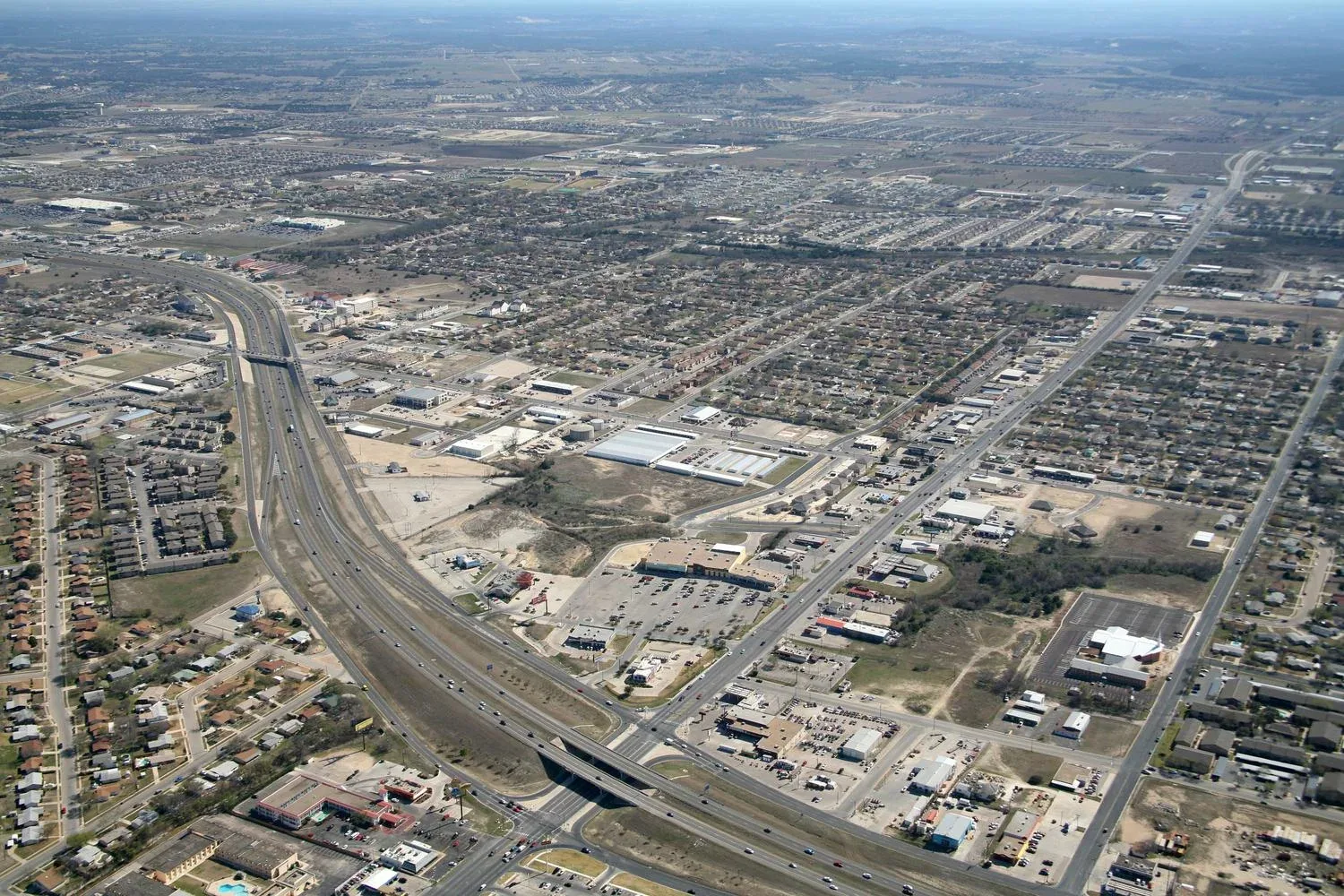
A roof request near Temple's planned Outer Loop begins with the property, not the route drawing. Temple's Outer Loop is planned as a major arterial connecting regional employment centers, neighborhoods, and interstate commerce. That purpose helps place the service area; it does not tell us what businesses occupy a parcel or what roof system sits on a building. We confirm the owner or facility contact, access route, assembly, drains, edges, and active interior spaces before setting work. A commercial roof inspection creates a property-specific record.
Outer Loop work has been divided into several phases. During an earlier period, North Phase I between Central Pointe Parkway and McLane Parkway was funded and under construction; that historical status is not a current traffic notice. That status is not a current traffic notice. Before mobilization, the site contact confirms the entrance, delivery path, roof hatch, and any present restrictions. The roof map remains tied to the building, while the corridor provides geographic context for dispatch.
Which part of the corridor serves the property?
The Outer Loop plan connects a broad set of employment and neighborhood areas rather than a single project site. A service-area visit may involve a property near a planned segment, but we do not infer that it has opened, that a business has moved in, or that a project still has the same construction status. The facility lead confirms current conditions and any gate or escort requirements. A Belton property review is a separate location and keeps its own access notes.
Temple's FY2024 capital program included multiple Outer Loop phases and a Synergy Park sewer line among its projects. That infrastructure context may affect how a property manager asks about deliveries or shared routes, but it does not establish today's access at an individual parcel. We verify the location before lifting or staging material. If a second trade shares the service road, we identify the working boundary and the time each area must remain clear. A Belton Business Park roof map likewise stays separate from any Temple scope.
What should the roof walk document?
We identify the assembly and visible layers, then mark seams, fasteners, curbs, penetrations, edges, drains, and previous repairs by roof section. On a membrane roof, open laps and loose terminations need a different detail from a puncture or damaged flashing. On metal, we check panel movement, fasteners, closures, and corrosion before selecting a repair. We photograph close findings and enough surrounding surface to locate them again. Areas that were unsafe or inaccessible are listed rather than treated as inspected.
Drainage gets a separate pass because water can collect at a low point or follow slope away from an interior stain. We check bowls, scuppers, overflow paths, and nearby transitions, then compare those findings with the reported symptom. A moisture survey or test opening is appropriate when it could change the repair boundary or the amount of material to remove. The condition report can record the test area and what it did not resolve. A drainage check is priced apart from membrane work when the roof shows distinct problems.
How does the work fit an operating site?
A property beside a developing road network may receive deliveries through a route that changes, so we confirm the current plan with the site contact rather than relying on a map. We note where a lift can stand, which entrance remains open, what time material can arrive, and whether noise affects occupied rooms. If roof removal exposes insulation or deck, the crew needs a weather closure ready before opening that section. The schedule should identify a safe stopping point for each shift.
Some roofs sit above active operations or equipment that cannot be shut down without notice. We identify work zones, interior safeguards, mechanical coordination, and the time needed to restore temporary protection. A temporary dry-in remains distinct from permanent membrane, flashing, or edge repair. When several sections need work, a phased roof sequence can show the order and owner approval points. Those details matter more than a corridor name when setting a date.
When should a repair become a section comparison?
A localized repair fits when the entry is found and surrounding material can accept a compatible patch. We remove loose edges, prepare sound surface, and define the area covered. If a test shows wet insulation or a deteriorated deck, we mark that additional boundary and return it for approval. A report should not expand one leak into a whole-roof replacement without evidence. It should also not price repeated seam, curb, or attachment failures as unrelated spot work when they share a section.
A recover is considered only after checking existing layers, moisture, attachment, and height at drains and parapets. A coating needs suitable substrate, adhesion, and detail preparation. Replacement may be a clearer choice when failures extend through multiple sections or the assembly cannot support a reliable tie-in. We list removal, disposal, insulation, deck repairs, access, and tenant protection as separate drivers. The owner can compare a replacement estimate with a recover review using the same roof-zone map.
What should remain after the crew leaves?
Closeout should identify the roof section, material, work performed, photographs, test results, and any unresolved item. If a temporary cover remains, the record says what it protects and when permanent work is expected. If the crew removed material, the map shows the edge between new and retained assembly, including any tie-in at a drain, curb, or wall. That detail gives the next reviewer a usable baseline after the project team changes.
For an owner with properties across the Killeen-Temple area, a capital review can group work by budget window without combining unlike roofs. One site may need a test; another may be ready for replacement; a third may only need drain maintenance. A roof capital plan keeps those actions distinct and carries their access or approval needs forward. The Outer Loop is one geographic reference; the asset record remains attached to the actual building and observed condition. For a location near a changing arterial project, the work order should distinguish the property entrance from the public-road approach, name the person confirming access on the day of service, and record any delivery restriction that could shift staging. A roof map should also show whether a lift position blocks a tenant path or a neighboring operation. These are coordination checks, not conclusions drawn from the corridor plan. If the route or work area changes, update the field record before crews move material so the approved roof boundary and ground controls remain clear.
Commercial Roofing Questions
Does the Outer Loop plan mean construction is underway today?
No. The Outer Loop is planned in phases, and the North Phase I status described here belongs to an earlier period. We confirm current road and property access with the site contact before scheduling roofing work.
Can an Outer Loop service area include the full corridor?
The area is a broad location target, but each job is limited to a property where the owner or manager confirms service access. A route plan does not establish permission to enter a parcel.
What information helps price a roof repair?
We need the system, location of the symptom, roof access, visible condition, and any repair history. Testing is listed where the result could change the material quantity or work boundary.
How do you protect a building during removal?
We sequence work by roof section, prepare weather closure before opening material, and coordinate interior protection and equipment access. Temporary cover and permanent scope are recorded separately.
What should the owner compare before approving replacement?
The estimate should show removal, deck and insulation needs, drainage transitions, access, occupied-space protection, and the tie-in to retained work. We keep unresolved test results visible until the owner decides.
Review the Temple roof boundary
Request a roof walk with current access checks, mapped findings, and repair or renewal options tied to the building.