
Commercial Roof Maintenance in Killeen, TX
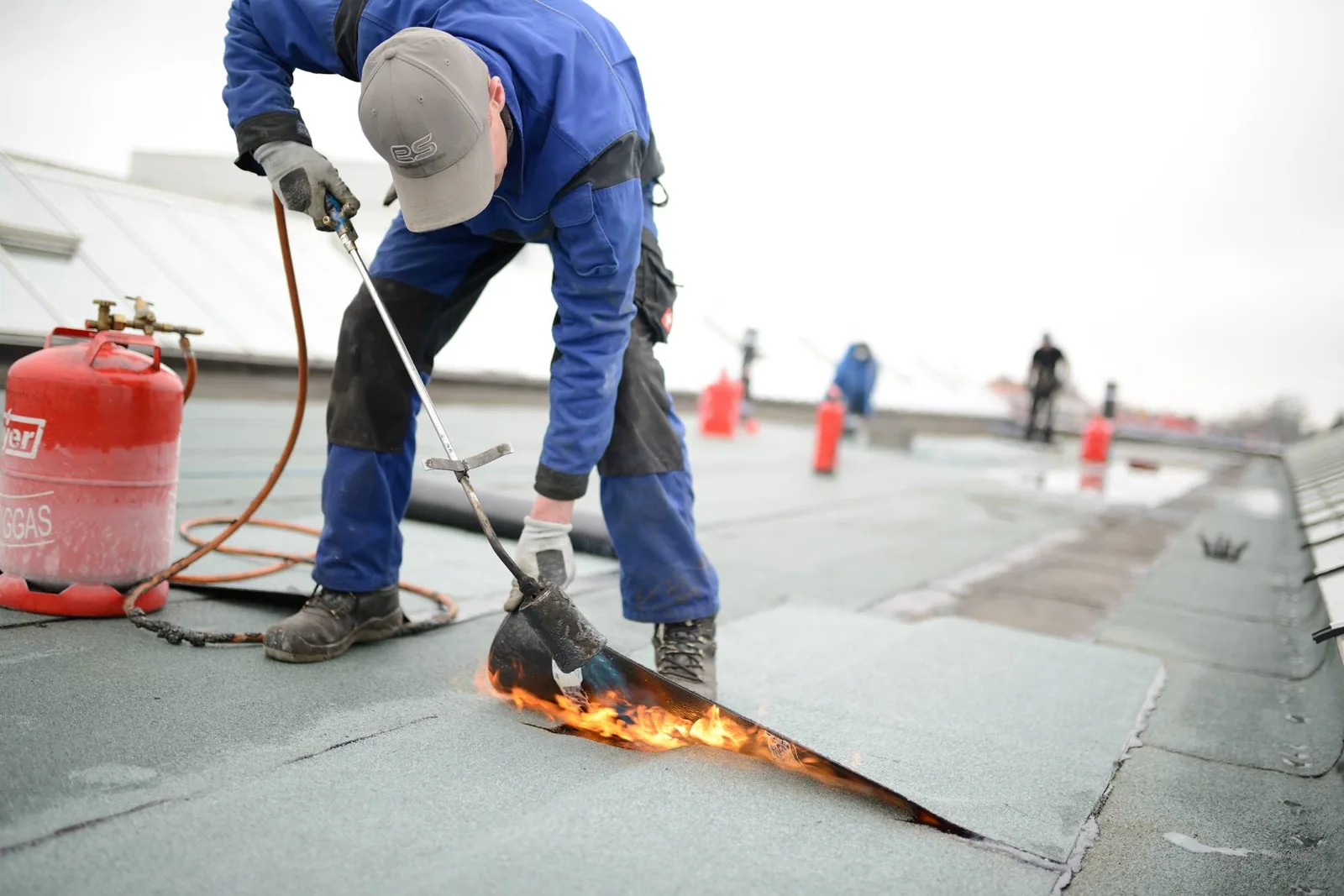
A maintenance visit should leave the next person with a roof section, a finding, and a scheduled action. We walk accessible areas, check drains and exposed details, and compare the condition with the last service record. In Killeen, summer heat and the documented March 2003 hail and tornado event give useful inspection context, but neither tells us what is on a particular roof today. The plan starts with the assembly and the work the building needs.
What Belongs in the Roof Register?
For each building, we record the system, roof-section boundaries, access points, drain locations, major penetrations, equipment curbs, and known repairs. A labeled photo makes a later comparison more useful than a note that says only that the roof was checked. We mark areas that could not be reached and distinguish an observation from a condition that needs testing. That record helps the asset manager compare one roof with another without assuming that similar age means similar remaining service life.
Across Killeen, 278 new or expanding commercial uses received occupancy certificates over the year ending March 2026, spanning restaurants, shops, childcare, schools, clinics, and fitness businesses. This growth does not inventory roofs; it makes current access contacts useful when tenants or operations change. We record tenant constraints, roof keys, lift access, and equipment that cannot be interrupted. A roof asset register can keep those details beside inspection history.
Each entry should have enough detail for a different manager to find the same condition: a section name, nearby detail, photograph, and short action. We record whether a drain was cleared, a fastener reset, or a repair requested, then note what remains outside the maintenance authorization. That distinction protects the replacement cycle from becoming a list of old, unresolved observations without a current field check.
Where Does Roof Water Travel?
We clear leaves and loose debris from accessible drain bowls, inspect strainers and clamping rings, and look at the membrane around each outlet. Then we trace the slope toward scuppers and overflow points. A blocked bowl is a maintenance item; a low area, separated seam, or failed drain flashing may need repair or testing. The report identifies which condition was seen, where it sits, and whether more access is needed before pricing a lasting correction.
Annual precipitation at Killeen averages 34.75 inches over the 1991 to 2020 normal period. We keep outlets on the service checklist, while measuring the actual water route on each roof instead of treating a citywide figure as a building-level total. We photograph the bowl and surrounding membrane so a later visit can distinguish recurring debris from movement or a failed detail. If standing water remains after cleaning, a drainage scope can address slope, cricket, or flashing conditions separately from routine upkeep.
After a heavy rain, the next walk should note where water remains and how long the area takes to clear. We compare that observation with the drain location, overflow route, insulation slope, and any membrane distortion. A recurring low spot may call for a level survey or selective opening before a repair is defined. The report keeps that investigation separate from debris removal so the owner can approve the right work rather than pay for repeated visits that leave the cause unresolved.
Which Details Need a Closer Look?
Seams, perimeter metal, pipe boots, skylight curbs, and equipment supports move or weather differently from the field membrane. We look for loose edges, open laps, brittle sealant, punctures, displaced fasteners, and repair patches that have lifted. Each finding gets a roof location and a next step. A small defect on sound material may be repaired in the visit; a soft area or repeated failure should be mapped and tested before a patch is selected.
Sun, surface movement, and prior repairs all affect the condition of exposed details. We compare the sealant and attachment with the material on the roof, then mark any edge or lap that has separated. The inspection remains tied to physical findings instead of assuming a climate count proves damage. For a building with recurring seam concerns, a seam repair assessment can define a test area. A Downtown Killeen roof walk can be timed around the property's access plan.
When Should a Visit Become a Work Order?
The maintenance record should separate routine cleaning, a repair that protects the building now, and a capital item that needs budget approval. We note the defect, affected section, likely consequence, and work that would confirm the boundary. If water is active, emergency stabilization can proceed while permanent repair is scoped. If the membrane is generally sound, planned maintenance may preserve a repairable assembly. Repeated leaks, wet insulation, poor attachment, or a damaged deck can shift the comparison toward replacement.
We can schedule a seasonal visit, a post-event walk, or a check before a planned tenant or equipment change. Rancier Avenue and the Stan Schlueter Loop are useful reference points when dispatching across Killeen, but the property sets the staging area and roof access. A hands-on inspection can add a condition map when records are thin. For multi-building planning, capital timing helps place current repairs beside later replacement needs.
What Should the Visit Leave Behind?
At closeout, we return dated photos, the roof section checked, maintenance completed, and items left open. The service record lists any blocked access, material observed, and the follow-up date or approval needed. If the crew finds a condition beyond the visit authorization, we photograph it and price the added work before expanding scope. That boundary keeps maintenance from quietly turning into construction without the owner's review.
A property manager can carry the register from one visit to the next, update access contacts, and compare each drain, seam, and curb with its prior condition. A condition report is useful when the question is broader than routine upkeep, while coating restoration should be considered only after compatibility and substrate condition are checked. For a neighboring municipality, see commercial roofing in Harker Heights. Request a maintenance walk with the roof history and access details so the record supports a clear next decision.
Commercial Roofing Questions
What does a maintenance visit cover on a low-slope roof?
We check accessible membrane seams, flashing, edges, curbs, penetrations, drains, and prior repairs. The record identifies the roof section, completed upkeep, visible defects, blocked access, and any test or repair needed to firm up the next scope.
How does a service record help with a replacement cycle?
A consistent roof register lets an asset manager compare current findings with earlier photos and repair boundaries. We separate a recurring defect from a new observation, then note whether the assembly remains suitable for maintenance or should enter a capital review.
Should maintenance follow a hail report in Killeen?
A reported event can trigger a roof walk, but it does not prove damage at a property. We inspect exposed surfaces, edges, curbs, and prior patches, then record physical findings and any area that needs closer testing before repair is authorized.
What happens if standing water remains after a drain is cleared?
Standing water after cleaning calls for a look at the outlet, nearby membrane, overflow path, and slope feeding the drain. If a low area or settled insulation holds water, we map the condition and present a correction separately from cleaning.
Can we combine visits for several buildings?
Yes. We can group access and scheduling while keeping each roof section, assembly, and repair decision separate. Shared timing does not make the buildings one condition; each gets its own photos, findings, and next action.
Set the Next Roof Walk
Send the roof register, prior repair notes, access contact, and any tenant or equipment restrictions. We will inspect the scheduled sections, document maintenance items, and identify repairs or testing that need separate approval.