
Storm Damage Roof Repair in Killeen, TX
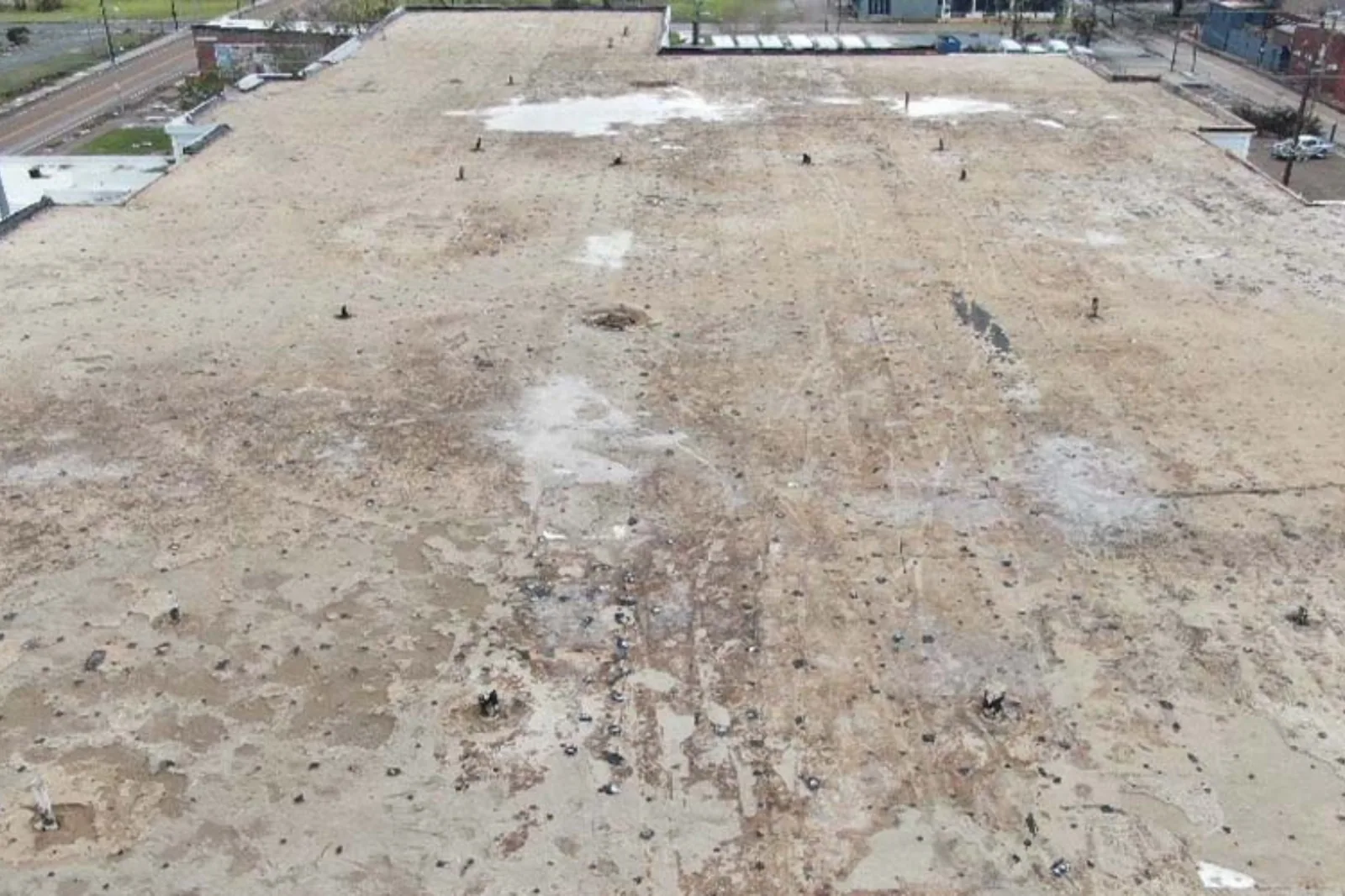
After a storm, the first roof decision is whether an opening needs protection before the full repair can be measured. We check accessible sections for displaced metal, punctures, split seams, loose flashing, and water entry, then separate temporary stabilization from permanent work. Killeen has a documented March 2003 hail and tornado event, useful weather context for an inspection. It does not prove that a current property was affected. The roof condition sets the repair boundary.
What Needs Protection First?
We start with the reported leak area, roof access, interior exposure, and any unsafe conditions. If water is entering, the site contact protects contents and equipment while we locate a safe route to the roof. A temporary dry-in can limit exposure when the surface and weather allow it. We photograph the opening, mark the covered area, and record what remains exposed so emergency work is not mistaken for a permanent repair.
On the roof, we check nearby laps, edge metal, penetrations, curbs, drains, and previous patches. Wind can move a perimeter detail without opening the field membrane; hail can leave impact marks that need comparison with the material and baseline. We do not price a broad replacement from a single mark. A stabilization visit addresses immediate water entry, while a full roof walk can map the surrounding section once access is safe.
How Do Findings Become a Repair Scope?
Each observation needs a location, a photograph, and a note about the roof layer involved. We identify whether the defect is a torn membrane, an open lap, loose edge metal, failed flashing, damaged insulation, or a drain condition. The report separates visible surface evidence from anything hidden below the assembly. When a test cut or core is needed, we mark the proposed location and explain how its result could change the repair quantity.
A March 25, 2003 Killeen storm brought 1.75-inch hail and an F0 tornado. It gives a historical reference for a post-weather review, but does not establish a current property loss. We inspect the actual surface and keep the service record tied to the building and roof section. If impact is the question, a hail condition review can distinguish observed marks from unrelated wear. For detached or displaced edge details, a wind damage assessment can define the affected transition.
Where Should the Repair Stop?
A durable repair extends far enough to reach sound material, but it does not absorb unrelated roof work without approval. We measure the defect and the tie-in area, inspect the condition beyond its visible edge, and state whether nearby seams or flashings need separate attention. If a patch crosses a wet substrate or incompatible previous repair, the proposal identifies that risk and the test or removal needed before the new material is installed.
Drainage can make a storm leak appear larger than the opening. We follow water toward the drain or scupper and check whether a blocked outlet, low area, or failed flange contributed to the path. A drain and scupper inspection can be scoped apart from membrane repair. At roof edges, a coping and gutter review can determine whether metal, fasteners, or the field membrane needs work. The written scope keeps each condition visible.
We also separate water that entered during the event from moisture that was already present. A controlled test or limited opening may be necessary before the full wet boundary is known. The estimate notes the test location and how the result affects labor and material quantity. That gives the owner a review point before removing insulation or extending the repair into adjacent roof areas.
How Can the Building Keep Operating?
Storm repairs often happen while staff, customers, or tenants remain in the building. We confirm entrances, equipment restrictions, loading periods, and the interior area below the work before staging material. If a lift affects a drive aisle, the site lead approves the position. The crew opens only the area that can be repaired or protected during the shift, then records the boundary before leaving the roof.
Killeen's occupancy tally for April 2025 to March 2026 includes 278 certificates tied to new or expanding commercial operations, from restaurants and stores to education and medical offices. Of those certificates, 75 were inside the North Killeen Revitalization Area. That area-level count does not identify a particular roof, so the access contact still sets work hours and staging. The north edge of Downtown Killeen and Business 190 helps orient dispatch; the facility contact confirms the entrance and work window. An occupied-building plan can coordinate longer repair phases.
When Does Stabilization Become Permanent Work?
Once the roof is dry and safe to access, we confirm whether the temporary cover can be removed and whether the surrounding assembly is stable. Permanent repair may require cleaning and welding a compatible membrane, rebuilding a curb detail, replacing displaced edge metal, or correcting a drain flashing. We identify material and preparation requirements, then photograph the completed tie-in. If moisture testing finds a larger affected area, the added work is presented separately before scope expands.
A repair stays active in the roof register until the closeout record shows what was installed and which adjacent conditions remain. The owner can compare that result with earlier photographs if water returns. Where repeated repairs or widespread wet insulation change the capital decision, a condition report can support a repair-versus-replacement review, and North Killeen property work can be planned around the specific building's access and operations. Request a storm inspection with the event date, leak history, and roof access contact.
Closeout should identify which section was reopened, the material installed, and the condition of the tie-in on completion. We also note whether temporary protection was removed or remains in place. If follow-up testing or a separate trade is needed, that action stays open in the record with an owner and target date. The site lead can then restore equipment or interior areas using a known roof boundary instead of relying on a verbal handoff.
Commercial Roofing Questions
Should we wait for an insurance inspection before protecting the roof?
An active opening should be stabilized when it can be done safely. We document the visible condition and temporary work, then keep the permanent repair separate for review. Share any claim instructions that affect photos or access before the crew begins.
Does hail reported in Killeen mean our property has roof damage?
No. A weather report identifies an event, not the condition of a particular building. We inspect the roof for physical evidence, compare it with prior repairs, and document any test needed before a repair or claim scope is set.
What information helps us dispatch a storm repair?
Give us the property location, safe access contact, active leak area, interior exposure, and known roof system if available. A ceiling photo gives the crew a starting point; the roof walk confirms the entry detail and the repair boundary.
Can a temporary dry-in count as the completed repair?
A dry-in limits exposure for a period; it does not establish that the permanent detail is corrected. We record its material and boundary, then return to inspect the substrate and build a lasting repair when conditions permit.
How do you decide whether several marks belong in one repair?
We map each mark to its roof section and compare the membrane, edge, flashing, and underlying condition. Connected failures may justify a larger boundary; separate sound areas can remain out of scope. Testing resolves hidden conditions before quantity is expanded.
Schedule a Roof Damage Walk
Send the reported event date, leak location, roof access contact, and any temporary protection already in place. We will document visible conditions, stabilize an active opening when needed, and separate permanent repair from any added testing.