
Cool Roof Installation in Killeen, TX
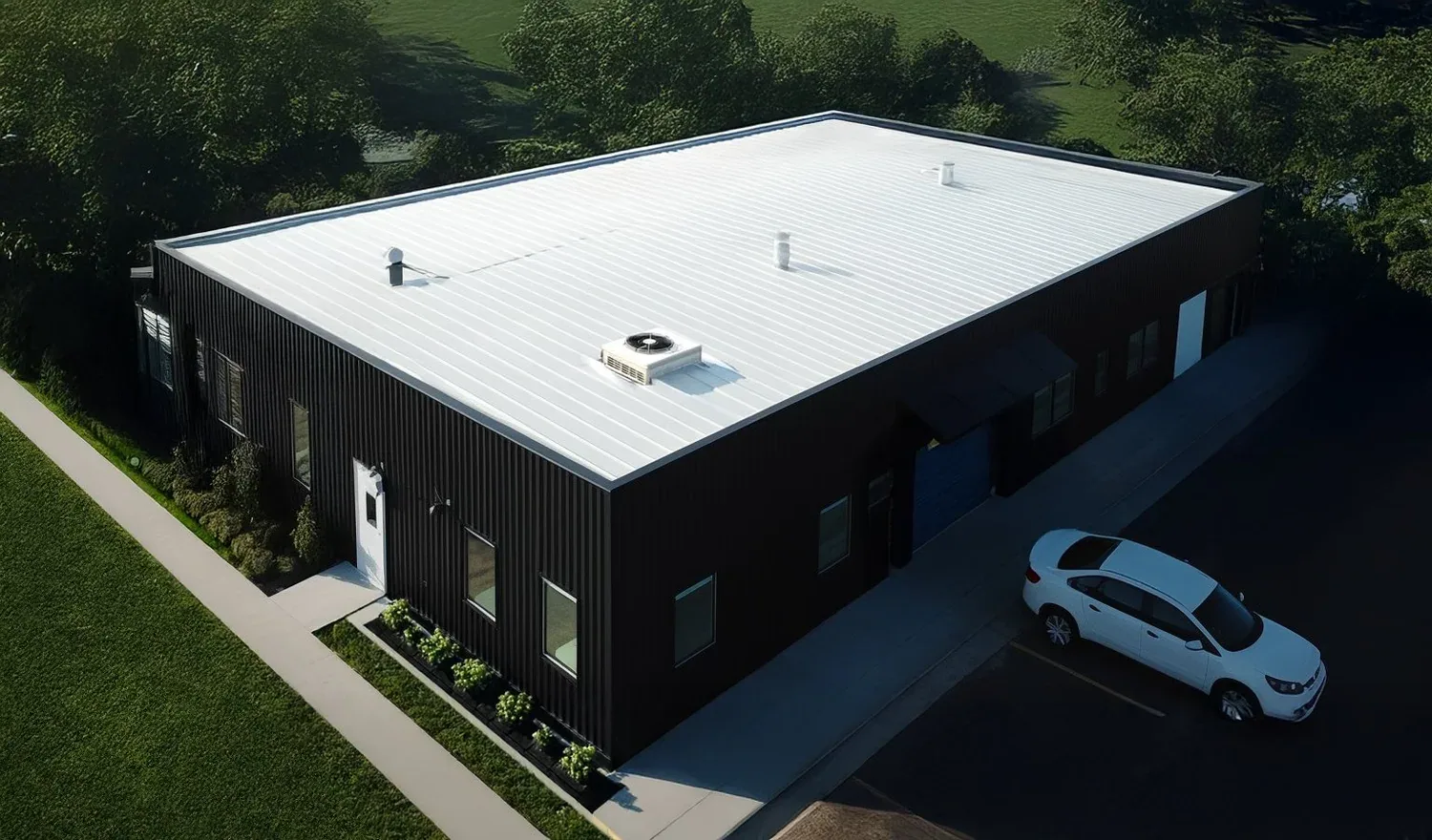
A reflective roof can be a sound capital choice, but color alone does not establish fit. We review the current membrane, insulation, attachment, drains, equipment, and replacement timing, then compare options against the property’s operating needs. Summer exposure can make reflectance a useful consideration, while the measured assembly and owner’s energy data determine what a roof change can reasonably address.
What Does the Existing Assembly Tell You?
Before choosing a reflective surface, we identify whether the roof is single-ply, modified bitumen, built-up, metal, or an existing coating. We record attachment, insulation condition, drainage, roof openings, and areas where prior repairs have changed the surface. A clean, dry, compatible assembly may support a coating or recover option. Wet insulation, failed seams, weak attachment, or a deteriorated deck can change the recommendation. A coating cannot correct hidden moisture or substitute for a repair scope.
The roof register should identify the sections and note where the system was confirmed or remains uncertain. We connect each proposed area to a roof map rather than assume all sections share one construction history. An inspection record can pair current photographs with prior service notes. If the review shows widespread moisture, an infrared moisture survey may help identify areas for selective verification, while a core or cut confirms the assembly at the test point.
How Should Reflective Options Be Compared?
We compare the specified product, expected surface reflectance, warranty terms, maintenance requirements, and compatibility with the existing membrane. The owner should review energy use, HVAC schedules, roof access, and equipment performance with the facility team. A reflective surface changes the roof’s solar exposure, but actual savings depend on insulation, air leakage, operating hours, utility rates, and mechanical condition. We do not promise a payback from roof color or use a generic percentage in place of building data.
For a recover project, the proposal states the preparation, repairs, primer or separation layer, reinforcement, and number of coats if a coating is selected. For a replacement, the assembly and insulation value should be assessed with the project designer. A TPO system review and silicone coating comparison can clarify different installation and maintenance considerations without treating the materials as interchangeable.
Which Heat Conditions Matter on This Roof?
A hot surface is only one part of heat performance. We check insulation continuity, penetrations, edge transitions, ventilation where applicable, and rooftop equipment that may have reduced service clearance. The measured assembly and the owner’s utility data matter more than a generic surface label. The report keeps market context separate from measured interior temperature or energy use.
During April 2025 through March 2026, 75 of 278 occupancy certificates for new or expanding uses fell inside the North Killeen Revitalization Area. That commercial activity does not establish the construction or energy profile of any one roof. It does make a repeatable building record useful as properties change hands or uses. The North Killeen area offers district context, while the asset-level review still checks the actual membrane, insulation, and mechanical schedule.
Will a New Surface Change Drainage or Roof Access?
Reflective work still has to preserve the drainage path and keep access clear. We inspect drain bowls, scuppers, overflow points, crickets, and low areas before coating or recovering. Coating should not bridge an outlet or bury a serviceable detail. Equipment curbs and pipe supports remain accessible, and walk pads should be coordinated with the facility lead so routine mechanical work does not wear the field membrane.
For a roof near FM 3470/Stan Schlueter Loop, the facility contact still confirms the actual lift and entry route. Corridor context is no substitute for a site walk. If water stands after rain, a drainage assessment should be scoped before the final reflective system is approved.
What Should Be Confirmed Before Permitting?
The amended 2024 International Energy Code and amended 2023 National Electrical Code are part of Killeen’s effective construction-code set. A reflective roof can intersect with insulation, energy, electrical, and rooftop-equipment work, so the project team should confirm the code path that applies to the actual scope. We do not treat a product data sheet as a permit determination. The designer, owner, and building official can resolve the required documents and review steps before material is ordered.
That review matters when the roof includes photovoltaic equipment, new curbs, or controls. The roof proposal should state which items are included and where engineering or electrical design remains with another party. Killeen adopts and amends construction codes through Chapter 8 of its Code of Ordinances unless otherwise noted. A roof capital plan can carry those prerequisites with the budget window, keeping scope, permitting, and procurement dates visible together.
How Can the Owner Compare Cost and Timing?
A useful comparison separates roof replacement, recover, coating, and targeted repairs into distinct alternatives. Each option needs the same roof map, quantities, preparation assumptions, and exclusions. We call out deck work, drainage corrections, equipment coordination, edge metal, access, and disposal so a lower surface price does not hide a different scope. The owner can then weigh project cost with service life, maintenance, tenant interruption, and the roof’s remaining replacement cycle.
Energy review is more useful when it includes actual schedules and utility history rather than a market average. Ask the facility manager when air conditioning is occupied, what control changes are planned, and which sections serve the busiest areas. A replacement scope can be compared with coating restoration when the field inspection supports both choices.
What Belongs in the Final Roof Record?
Closeout should identify product and color, preparation, repairs below the new surface, roof sections completed, photographs, inspection observations, and any limitations. The owner should receive maintenance guidance that fits the chosen assembly rather than a generic instruction to keep the roof clean. We list any location where moisture or deck condition was not opened and recommend the next test or check. That leaves the next manager with a usable service record rather than a finish description alone.
Send recent utility data if energy performance is part of the decision, along with roof plans, repair history, equipment schedules, and the preferred budget window. We can walk the property, measure the assembly and drainage details, and return options tied to observed condition. The final recommendation should show what the reflective system can do, what remains outside its scope, and how the work fits the building’s operating calendar.
Commercial Roofing Questions
Can a reflective coating go over an older roof?
It may be considered when the existing assembly is dry, stable, compatible, and able to accept the specified preparation. We inspect seams, attachment, drainage, and prior repairs first. Wet insulation, loose areas, or weak substrate call for testing or a different scope rather than another surface layer.
Will a reflective roof lower utility bills?
No roof color promises a bill reduction. Insulation, HVAC efficiency, controls, occupancy, hours, and utility rates affect the result. If energy savings are part of approval, compare the building’s actual use data and ask the mechanical or energy consultant to model the proposed assembly.
What is different about cool-roof replacement and coating?
Replacement removes or covers the existing assembly according to the approved design. Coating keeps more of the roof in place and depends on sound substrate, compatible materials, and detailed preparation. The inspection should state which conditions support each option and what remains concealed.
How should rooftop units be handled during reflective work?
Keep curbs, piping, electrical connections, and service paths in the scope review. The mechanical and electrical trades should confirm disconnection or clearance needs. We document the roof-side tie-in and sequence the coating or membrane work so equipment access does not damage a fresh surface.
What information makes a cool-roof proposal more useful?
Roof plans, membrane and insulation records, repair history, utility data, equipment schedules, and operating hours help. The walk verifies visible conditions and identifies tests needed to reduce uncertainty. A proposal that lists preparation, repair boundaries, drainage, access, and exclusions is easier to compare.
Compare reflective options against the roof you have
Share the assembly records, utility data, equipment schedule, and capital timing. We can inspect the roof sections and return alternatives tied to the property’s condition.