
Commercial Roofing in U.S. 190/FM 439, Nolanville, TX
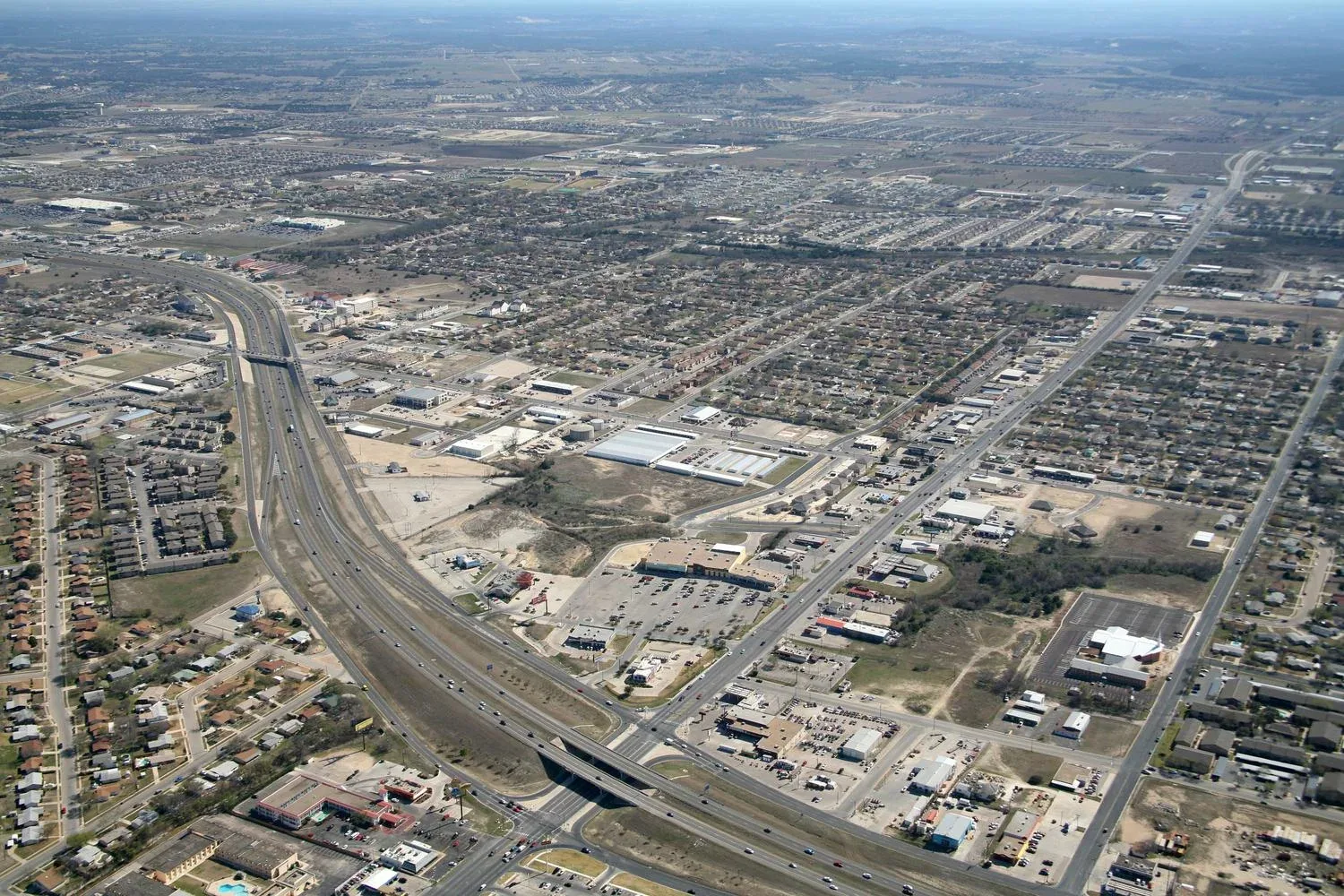
A commercial property near the U.S. 190 and FM 439 junction needs a roof review tied to its actual entrance and assembly. This junction serves as a commercial traffic location in Nolanville. US 190’s eastern-limits count is 41,671 vehicles. That figure is road context, not a count for an individual frontage or a measure of current delivery access. We inspect the building, map roof sections, and coordinate the work area with the facility contact before pricing a repair.
How should the property be identified?
Use the owner's building name, roof plan, and access instructions to confirm the correct structure. The corridor is broad and useful for dispatch, but the work order needs the property's entrance, gate contact, service yard, and roof access point. A site with several units or additions should assign each roof section a distinct label. We note any loading, tenant, or equipment route that must remain open, then position the visit around those real property conditions rather than an assumed route from the road name.
The Nolanville roof service area covers the municipality, while this route groups several public roads rather than a single tenant or building. An inspection can also be coordinated near Knight's Way/FM 2410 in Harker Heights, with each asset retained in its own record. A commercial roof inspection maps the visible conditions and any access limits at the specific address.
Which roof findings should be mapped?
We record seams, perimeter edges, wall turns, drains, curbs, penetrations, and previous patches by section. If a leak is reported, inspect above the interior symptom and trace a plausible water path. Water can travel under the membrane or along the deck, so the stain location does not prove where the opening begins. Photos should show enough roof context to find the detail again, and the report should mark anything that was inaccessible or not tested.
A low point or outlet deserves a condition note where drainage is part of the complaint. We look for debris, ponding evidence, damaged drain components, and adjacent seams, then separate cleaning from repairs that require membrane or deck work. If concealed moisture could change the area, a moisture survey can help focus confirmation points. A reading is not a removal quantity. A defined drain and scupper scope should identify the outlet and transition that require work.
For a multi-tenant property, the roof map should distinguish shared systems from demising walls and tenant-controlled equipment. Record which drains serve each roof area, whether a curb sits over a shared space, and which party receives notice before testing or repairs begin. That practical map reduces confusion when a work area crosses lease boundaries, while leaving the owner in control of authorization and access.
What do the road figures change for roofing?
The US 190 count is useful for corridor context, not a property-specific access review. That figure does not establish the traffic level at a property gate, its building use, or an ideal roofing work window. It does not establish the traffic level at a property's gate, its building use, or an ideal roofing work window. We verify delivery hours and safe equipment staging with the site contact. If a lift or truck would occupy shared access, include the time, route, spotter, and alternate entrance in the plan before materials are ordered.
Nolanville has complete-street funding for the FM 439 Spur and a shared-use path and bridge planned for Old Nolanville Road. Those transportation projects are distinct from roof construction and do not tell us about current work at an address. For a commercial property, the roof decision comes from observed membrane, drainage, attachment, and interior impact. A photo-mapped report can preserve that finding while a capital review assigns a budget window and next test.
How should options share a boundary?
Compare repair, coating, recovery, and replacement only where the existing assembly supports them. A focused repair needs a measured opening and sound tie-in material. A coating review needs preparation, compatible substrate, moisture evaluation, and details that can be restored. Replacement planning should state tear-off, dry-in, insulation, deck allowances, and access assumptions. Keep temporary protection apart from permanent work. If exploratory opening could change the scope, name the location and approval point before the work proceeds.
For recurring leaks, compare the new report with previous patches and any known drain or curb work. A flashing repair can remain local when the evidence supports it. If moisture or attachment issues extend across several sections, a broader comparison may be appropriate after testing. A nearby property may have a separate plan and schedule, so the corridor name should never substitute for a roof map or authorization at the building under review.
How do you protect an operating property?
Before mobilization, confirm entrances, equipment, sensitive rooms, customer routes, and delivery periods. The facility lead can identify which areas need interior cover and which paths cannot be narrowed. We sequence the work in roof sections with a safe closeout point at each shift, then note the daily dry-in and any temporary boundary. If weather or a concealed condition changes the plan, the contact and approval path should already be identified in the scope.
Nolanville's construction context includes commercial growth and new construction, but each property still has its own operating requirements and service record. After work, preserve dated photos, the repaired section, materials, approved changes, and any deferred issue. Owners comparing the Westcliff Road corridor should keep its roof file distinct from this U.S. 190/FM 439 corridor. A facilities group can compare separate condition records later without blending access, repairs, or open recommendations.
For a roof beside a busy connector, access planning is a separate workstream from the repair diagnosis. Before mobilization, record where a service vehicle can wait without narrowing a shared drive, whether a delivery can turn around inside the property, and which overhead lines or canopies change lift placement. Those observations belong in the job plan, not as assumptions drawn from a road count. If the roof has several elevations, note the ladder or lift position for each section and identify a safe route for moving tools without crossing active loading paths.
When the condition is not urgent, owners can separate investigation from construction. A first visit can document the assembly, drainage, edge details, and interior symptoms; a later authorized opening can answer a concealed-moisture question; and the final proposal can use the confirmed limits. That sequence helps avoid pricing a full replacement before the evidence supports it. For an active leak, temporary protection and permanent repair should be shown as distinct scopes, with the expected duration and the person who approves any expansion once the surface is opened.
Commercial Roofing Questions
Does the vehicle figure apply to every property on the corridor?
No. The fact describes a count at the eastern limits of U.S. 190, not traffic at each entrance. We confirm actual access, delivery hours, and staging with the property's contact.
Is the road corridor a single roofing location?
It is a broad service-area target based on public roads. Each proposal still identifies an individual building and roof section, with access verified at that property.
Can a moisture reading set the repair quantity?
It can help select a confirmation area, but concealed conditions need the method identified in the scope. We document the survey limits and any opening required before measuring removal or replacement.
How do the FM 439 Spur projects affect roof work?
They are transportation capital projects, not roofing schedules. For roof access, we check the property's current route and site rules directly before the crew or materials arrive.
What should a roof proposal say about phasing?
It should show section boundaries, staging, occupied areas, daily dry-in, temporary protection, and who approves changes. That lets operations compare the work sequence with the building calendar.
Plan a roof walk near the junction
Send the property identifier, roof map, leak history, and access instructions. We can document the assembly and return a measured repair or replacement option for ownership.