
Commercial Roofing in Elms Road Corridor, Killeen, TX
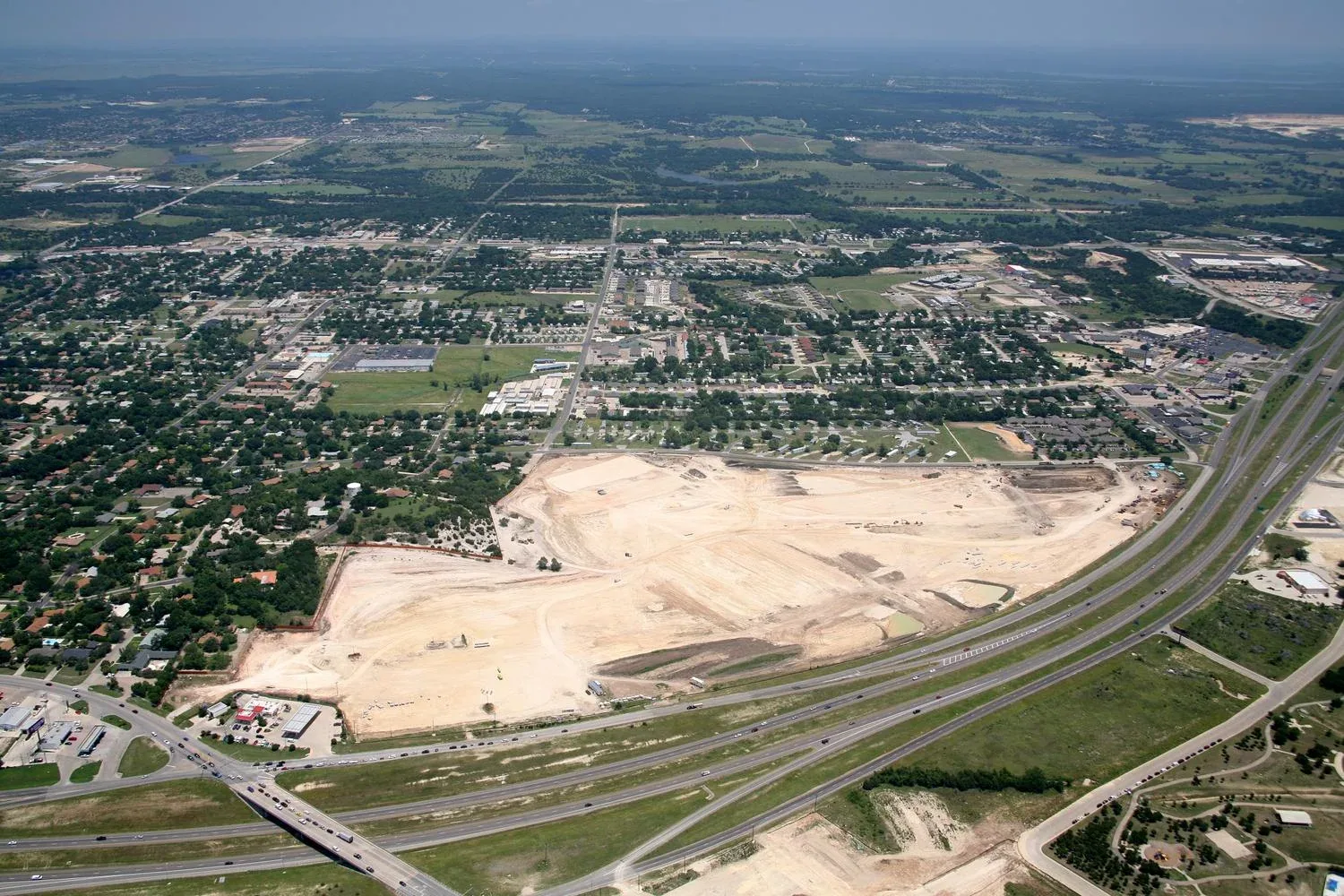
Roof access along Elms Road can be simple at one property and constrained at the next, so the scope begins with the asset's actual layout. We identify the roof sections, trace the reported water path, and check the details that control drainage and edge continuity. A planned Elms extension runs between Carpet Lane and Fort Hood Street/SH 195, while another roadway reference connects Old Florence Road to FM 3470. A Florence Road roof inspection can be scheduled nearby, but its photos, repair quantities, and access contact remain separate.
What needs a label before a repair is priced?
A roof map is useful only when the crew can match each note to the same field and detail. We label additions, elevations, drains, curbs, pipe penetrations, walls, and roof access points, then attach each finding to a photograph. The membrane may look consistent from the hatch while conditions change around an old curb or a low transition. We measure the area that needs work and identify where concealed layers could change the quantity. A commercial roof inspection gives the owner a condition record tied to those observations, rather than a general note that the roof was checked.
The assembly beneath the surface matters before recovery is considered. We inspect exposed edges for insulation type and thickness, look for compression or wet material, and determine whether the deck needs an opening to verify. Attachment clues at the perimeter and field help shape the next test, but they do not replace a pull test or design review where one is needed. If the condition calls for recovery, a membrane system comparison should include compatibility, fastening, flashing, and expected maintenance, not just the roll material.
How does rainfall affect the inspection?
Killeen averages 34.75 inches of rain annually, so the Elms Road roof walk should confirm drains, scuppers, and overflow routes. That figure makes drainage paths worth documenting, but it does not say whether a particular Elms Road roof leaks or holds water. We check slope, drain bowls, strainers, overflow points, scuppers, and any low areas where water remains after a normal drainage period. A wet ceiling may connect to a drain, curb, lap, or wall transition farther away. The report shows where the water moves and whether a test opening would help distinguish a surface issue from wet insulation.
When the field membrane remains serviceable, correcting the outlet or overflow detail can be a more direct scope than replacing a larger area. A drain and scupper repair can list bowls, metal transitions, and discharge paths separately. If ponding is present, we measure the low area and check what keeps water there before choosing a correction. A ponding-water review should tie the repair to the drainage geometry and the membrane condition, then state what can be confirmed without opening the assembly.
Which Elms Road details help plan the visit?
Elms Road is part of Killeen's roadway network, with a documented extension from Carpet Lane to Fort Hood Street/SH 195 and a separate Old Florence segment toward FM 3470. The named routes provide a broad geographic reference without defining the property entrance or a current traffic condition. We verify where the owner wants the crew to arrive, how a lift can be staged, and whether a delivery route or fire lane must remain clear. The Cunningham Road corridor may be another location in the dispatch sequence, but access approvals and roof conditions need fresh confirmation for each building.
If the work affects a shared drive or service yard, the site contact should identify the best time for material movement and the areas other contractors will need to use. We note rooftop equipment that will be moved, curbs that may change, and any penetration requiring a temporary cover during the work. These details are set before the membrane is removed.
When does the repair extend beyond the visible split?
A split seam or lifted flashing is one observation; the repair boundary depends on whether the adjacent material remains bonded and the substrate can support a tie-in. We probe the seam, inspect nearby penetrations, and trace drainage direction before cutting out material. A patch should reach sound membrane and leave no exposed edge where water can collect. When the same seam opens again, we compare the current failure with earlier repair records and check whether movement or weak attachment continues beyond the visible point.
If a leak is active, confirm current service availability and access; permanent work can follow once inspection defines the repair boundary. If insulation or deck condition may alter the price, we identify an opening location and obtain approval before proceeding. The proposal keeps dry-in, investigation, and permanent repair as separate tasks. For a repeated opening, the emergency roof response can protect the interior first, and a photo-mapped roof report can preserve the condition and limits found on the follow-up walk.
What makes a full replacement the better comparison?
Widespread moisture, a weak deck, failing attachment across several sections, or recurring leakage at multiple transitions can make a localized repair hard to defend. We verify layer count, mark wet areas, and separate removable sections from components that may remain. A recovery estimate includes added height, insulation continuity, wall flashing, curbs, drains, and perimeter metal. If those transitions do not work with another layer, a commercial replacement scope should show tear-off, substrate correction, insulation, membrane installation, metal, disposal, and temporary dry-in separately.
The 2024 International Building Code, with Killeen's amendments, is among the construction standards effective since January 1, 2026. The specific scope determines which permit or design review applies, so that question should be resolved before the crew orders material. We list test openings and any concealed-deck allowance in plain terms, with the condition that would change each quantity. That gives ownership a way to compare the Elms Road roof with other assets without assuming similar age, use, or construction from a shared road name.
How does the closeout support the next walk?
Closeout should return the manager to the same roof section and answer what changed. We provide the updated plan, dated photographs, repaired areas, materials installed, and outstanding observations. If a test opening exposed wet insulation or a damaged deck, the record notes the location and the work completed there. Later equipment changes can then be compared with the roof map, and a new leak report can be tied to the right curb or transition. The next service call begins with the condition history rather than a guess at what a previous crew touched.
A request for a roof walk is more useful when it includes the roof plan, current symptom, entry instructions, and upcoming equipment work. We confirm access with the facility contact, document the assembly, and return a repair or replacement comparison with assumptions visible. If replacement is not yet warranted, the report can identify the next observation that would change the timing. If urgent protection is needed, that work is named separately from the permanent scope. The asset team can then place today's decision into its budget window with a clear record of what remains to be resolved.
Commercial Roofing Questions
Which Elms Road segment is named in the location facts?
One documented extension runs between Carpet Lane and Fort Hood Street/SH 195. Another roadway reference connects Old Florence Road with FM 3470. We use those as corridor context, then confirm the property's own entrance and roof access.
Can annual rainfall indicate whether this roof has a leak?
No single climate measure establishes a building condition. We trace water at the roof, check drains and transitions, and test concealed layers when that evidence could change the repair.
What should a drain repair include?
The scope should show the outlet, overflow path, metal transition, and any low area that directs water toward it. We price the correction beside the field condition so the owner can see whether broader work is needed.
How do you price an emergency visit separately from permanent work?
We identify the immediate dry-in and the area it protects, then document what additional inspection is needed for a permanent scope. The owner can approve stabilization while the roof condition is still being tested.
What information helps us compare replacement timing?
A marked map, moisture extent, layer count, attachment observations, and drainage details show what the estimate includes. Any concealed condition that could change the quantity should be listed with a test or allowance.
Set a roof walk for Elms Road
Share the roof plan, reported leak area, property entrance, and current operating limits. We can document the conditions and return a scope with repair and replacement options.