
Commercial Roofing in Chaparral Road, Killeen, TX
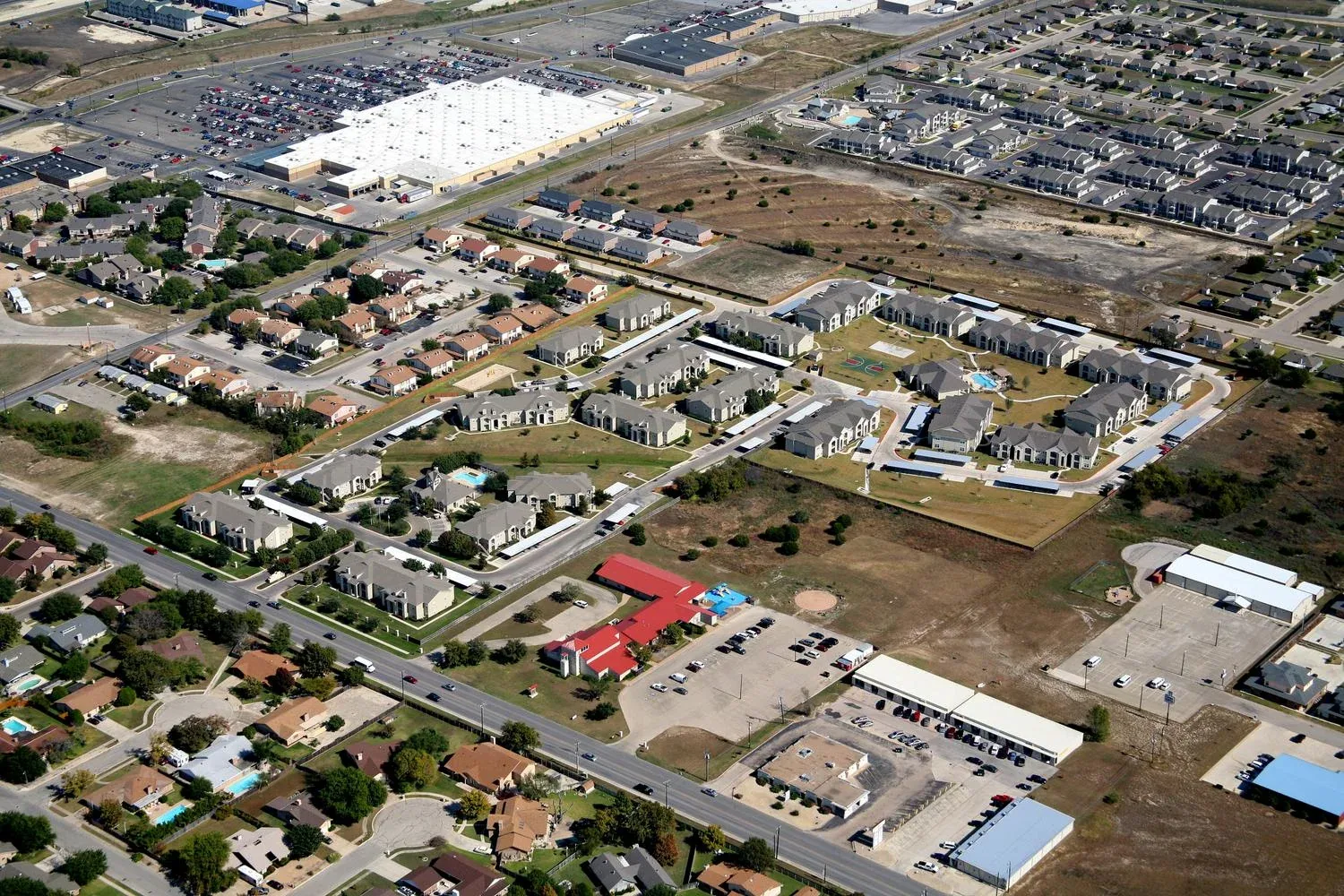
A roof decision near Chaparral Road should be made from the condition at the property, with the service boundary and roof section identified. Killeen, TX ranks the road segment from SH 195 to FM 3481 fourth among its high-priority thoroughfare projects. Its plan also lists connectors toward Stagecoach and from Platinum Drive to Chaparral. Those planned links give area context, not proof of current construction or a building condition. We start with the owner's roof register and a field walk, then set the scope from what can be observed or tested.
What is the building asking the roof to do?
Retail, light industrial, office, and service properties can have different access and interior protection needs even when they share a nearby road. We confirm the actual building use with the site contact and note entrances, delivery hours, sensitive equipment, and rooms below reported leaks. On the roof, identify each section and its assembly, then inspect seams, edge conditions, penetrations, curbs, and drainage. Do not assume that buildings in the same corridor share a membrane or installation history. The roof plan and field record should carry those distinctions.
Rosewood Drive is another local road reference: Killeen's plan lists an extension between Serpentine Drive and Chaparral Road among its high-priority projects. That planning detail can help place the work area, while the service request still needs a property-specific map and safe approach. A Rosewood Drive property remains a separate asset. Our roof inspection documents the accessible assembly and the questions that could change its repair boundary.
Where can water travel before it appears inside?
Water can move beneath a membrane or across a deck before it marks a ceiling. We compare the reported room with roof slope, drain locations, wall lines, equipment curbs, and nearby seams. A stain points to an interior symptom; the inspection must locate a plausible entry or clearly state what cannot yet be confirmed. We document active leakage separately from old repair material, and note whether a test cut, moisture survey, or follow-up during rain would change the next action.
Killeen's annual precipitation normal is 34.75 inches for 1991 to 2020. That local climate context makes drainage maintenance a useful part of a roof review, but it does not establish water retention at a specific building. We record the field condition at each drain and low point instead. A drain and scupper scope can define cleaning or detail correction, while a measured area of standing water may call for ponding-water correction after the assembly and deck are evaluated.
What evidence supports the next capital choice?
Compare repair, coating, recovery, and replacement only after the assembly condition is clear enough to support each option. A local opening in otherwise serviceable material can stay a defined repair. Repeated failures, wet insulation beyond the repair, or deteriorated deck can alter the replacement decision. We identify where the evidence stops, what test would reduce uncertainty, and how that result could affect quantity. Each price names the work area, preparation, tie-ins, access, exclusions, and allowances, so an owner can compare like with like.
For a coating candidate, we verify surface condition, adhesion, moisture, and compatibility before including restoration. If those checks do not support coating, the estimate can show a repair or replacement path instead. A restoration evaluation and a replacement scope should use the same roof boundary when they are being compared. Ownership can carry findings into a capital plan with a priority, target period, and next decision date rather than treating every visible issue as equally urgent.
How is access kept clear during the work?
We confirm the actual drive, roof hatch, lift position, material staging, and delivery windows before mobilization. A customer entrance or loading lane may need to remain open, and a tenant may need notice before noisy or dusty work. The manager identifies which rooms require protection and whether equipment needs shutdown or temporary relocation. We sequence the roof by manageable sections, set an end-of-shift dry-in, and name the contact who can authorize a change if concealed damage appears. That is the basis of a workable schedule.
Stagecoach Road and Platinum Drive are named in the planned connector network around Chaparral. Those names distinguish a general work area, but they do not establish the current route to a property. A West Trimmier roof visit or an East Trimmier inspection needs its own contact and access plan. If the building stays occupied, an occupied-building sequence can set the daily work boundary and protection steps.
For each phase, the roof plan should mark the day's open area, tie-in points, and end-of-shift protection. We identify where removal stops, how the edge is sealed, and which interior space sits below the work. If the sequence crosses separate tenants or operating departments, the property manager sets the notice and access limits before mobilization. A clear stopping point matters because weather, concealed deck conditions, or an equipment conflict can change how much work is practical in one shift. We document the revised boundary before continuing.
Roof access also affects inspection quality. An obstructed hatch, unsafe ladder, or locked enclosure limits what can be observed, and the report should say so. We can schedule a follow-up with the right access approval or lifting equipment rather than fill the gap with assumptions. That keeps the scope accountable to the roof area actually seen and gives ownership a specific next step when a critical detail remains out of reach.
What should the service record make clear?
A useful closeout includes the roof section, dated completion photos, materials used, approved scope changes, and any work left for a later phase. The record also identifies a tested area or an inaccessible location that remains unresolved. If a leak returns, the facility lead can compare the new symptom against the earlier repair and know whether the same detail was involved. That creates a service record that supports maintenance and finance without claiming the inspection reached beyond its actual access.
For a broader view, a condition report can map findings and open questions. A nearby West Trimmier property is not evidence about Chaparral, so keep files separate by building. When the next inspection is scheduled, carry forward roof plans and the unresolved test list. The owner can request a roof register review to maintain that information across a portfolio and compare each property's replacement cycle using its own condition record.
Commercial Roofing Questions
Does the planned Chaparral connector establish where roof crews can stage?
No. A planned roadway connection does not define access at an individual building. We confirm the entrance, staging area, roof access, and operating limits with the property contact before scheduling.
How do you separate an old patch from a current leak?
We photograph the patch and surrounding details, compare it with the reported interior symptom, and inspect the likely water path. If the evidence does not confirm the source, we identify the test or follow-up that would change the scope.
Can restoration be priced before moisture is checked?
Only with clear assumptions. We inspect moisture and surface conditions, define the preparation and repair boundary, and state what test could make the coating or recovery option unsuitable.
What should a multi-tenant property manager coordinate?
Identify entrances, loading hours, sensitive rooms, tenant notice requirements, and any equipment that must remain accessible. We put those limits into the work sequence and daily closeout plan.
What belongs in closeout when work is phased?
Keep a roof plan with completed and deferred areas, photos, installed materials, approved changes, and open questions. Add the date and owner for each later test or inspection so the next phase starts from a usable record.
Set a Chaparral roof scope
Send the property map, roof plan, leak history, access contact, and operating schedule. We can document the condition and return defined repair or capital options for ownership.