
Holcim Elevate Commercial Roofing in Killeen, TX
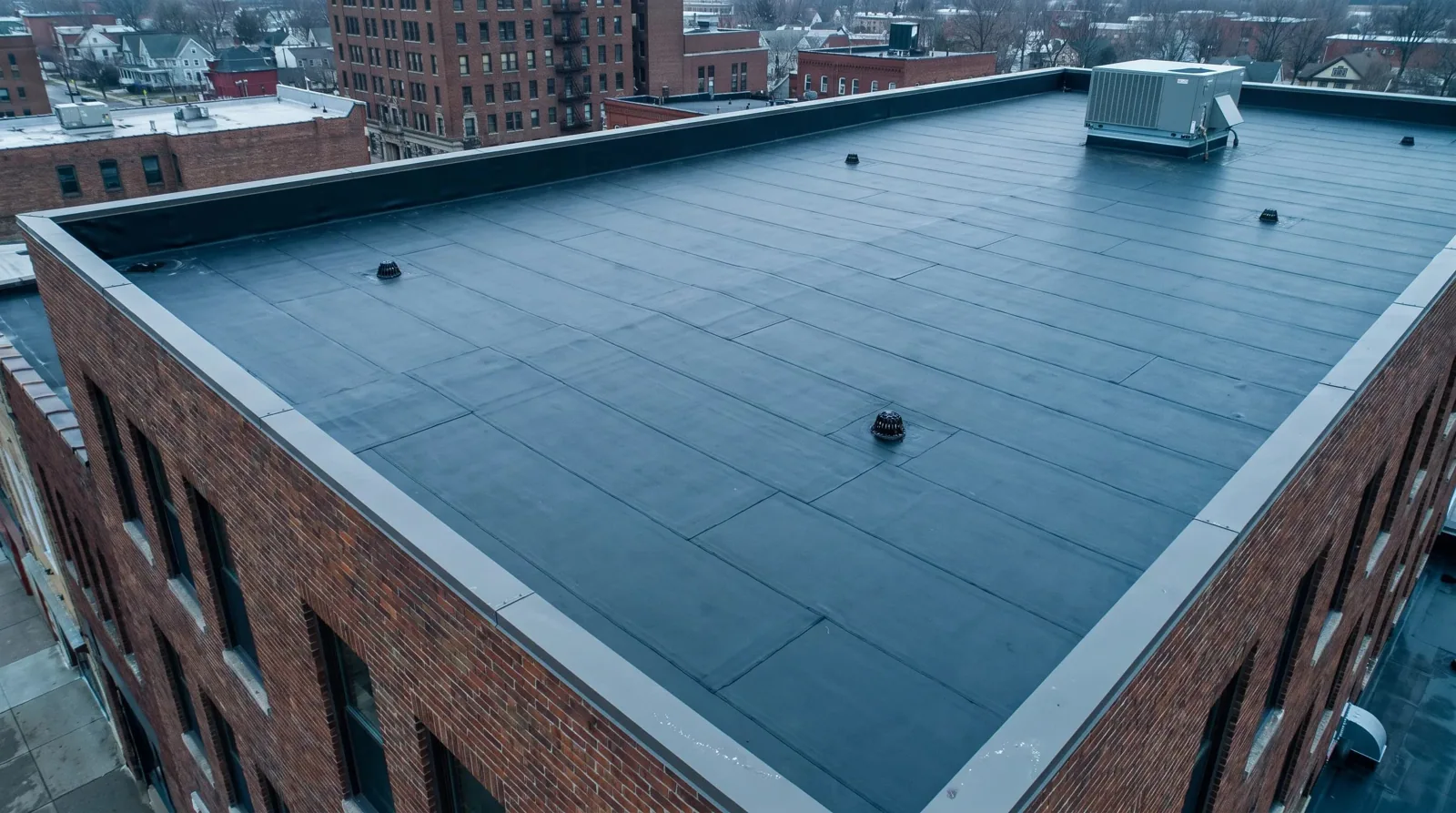
UltraPly TPO is one product family within Holcim raise's commercial roofing range. The manufacturer describes the membrane as reinforced and offered in 45, 60 and 80 mil thicknesses. That information helps define an option, but thickness by itself does not decide the roof assembly. In Killeen, TX, we inspect the deck, insulation, drainage, edge metal and existing membrane before recommending a repair or replacement. The TPO system assessment records those conditions so an owner can understand whether the proposed sheet, attachment and flashing details fit the building. A specification should state the assembly in full, because a membrane selection with no plan for edges and penetrations leaves the most vulnerable areas to be decided later.
What can membrane thickness tell you, and what can it not decide?
Different thicknesses may be considered alongside roof use, traffic, substrate and attachment. A roof with frequent service access needs clear walkway planning, while a surface that receives little traffic still has drains, equipment curbs and perimeter edges to maintain. We look at the points where other trades cross the roof and whether access routes can stay away from seams and flashing transitions. The decision also considers whether a new insulation layer is needed and whether current materials can remain. Owners evaluating UltraPly TPO against Versico TPO systems should compare assembly details, attachment choices and current roof conditions. We prepare a side-by-side scope that explains what changes from one option to another without turning product literature into a site-specific engineering conclusion.
How do assembly layers affect membrane performance?
TPO seams are formed by heat welding adjacent membrane sheets. The weld becomes a critical line in the roof's water control, so crew settings and field conditions need consistent review. We plan how seams will meet at corners, drains, equipment curbs and wall flashings, then set aside time to inspect representative welds before proceeding across the roof. Repairs are assessed for compatibility with the existing membrane and for any moisture beneath it. A small patch over a wet board may hide the visible symptom without stopping the damage below. If an owner has recurring leakage, seam failure repair begins with tracing the actual water route, checking the adjacent details and recording whether the repair can remain local.
What space is needed to inspect a heat-welded seam?
A recover can preserve tear-off labor only when the underlying roof can function as a stable base. We inspect for wet insulation, weak fasteners, deteriorated board, excessive layers and drainage conditions that a second assembly would worsen. Selective openings help confirm whether the suspected materials can remain. We also calculate how the new roof height affects thresholds, drains, scuppers and counterflashing. Where a recover is not supported, a full roof replacement scope includes removal, deck preparation, insulation, membrane, edge metal and transitions. An owner should see these components in the estimate rather than comparing a recover and replacement as if they differ only in the amount of material delivered to the roof.
What should test openings establish before a recover?
Killeen's July and August average temperatures exceed 84°F, making heat exposure and installation conditions worth checking on the work date. That context informs job timing and surface-condition checks; it does not predict any individual roof's performance. Heat can affect work windows and the crew's process, so we plan staging, material storage and test-weld checks around the conditions at the building. The North Killeen Revitalization Area has a targeted commercial investment focus, making tenant activity and future access worth confirming before roof mobilization. Roof scopes in a changing commercial area benefit from documenting equipment, tenant operations and anticipated access needs before mobilization, especially where a building's use may continue while the roof is open.
A specification review should also distinguish the membrane from the rest of the system. Insulation type, cover board, air or vapor control layers and deck fastening can affect both energy performance and attachment. We record which existing layers are visible, test concealed conditions when justified and identify any design questions for the project team. A proposal that simply names UltraPly and a thickness leaves important assembly decisions unresolved. Our scope sets the field membrane, perimeter, penetrations, drainage and temporary protection into one coordinated sequence, with any testing or design confirmation listed before procurement.
Which roof details can affect the schedule?
Transition details receive their own quantity and review. Parapets, coping, curb corners and drains combine materials and geometry that require careful sequencing. We note existing metal condition, wall height, equipment movement and any abandoned penetrations that should be closed. At the same time, we coordinate roof work with HVAC service, signage, electrical runs and other trades. A curb and equipment support survey can identify work that should be completed before new membrane installation. This avoids reopening a finished surface for changes that could have been coordinated during planning. The estimate should distinguish field membrane, flashing, metal and allowance work so the owner can see where concealed conditions might affect the final cost or schedule. Killeen TIRZ #2 includes an approved Rancier Corridor Redevelopment project. That activity gives nearby owners another reason to coordinate roof access, business entrances and deliveries, while leaving each property’s assembly to its own inspection.
Closeout should preserve enough detail for the next maintenance visit to be useful. We mark the installed work areas, note drains and equipment transitions, and keep photographs of the finished seams and edge details. If service staff need to reach rooftop units, we identify traffic paths and any walkway protection included. A future leak call can then be compared with a known baseline. That is especially useful when a building is managed by multiple teams, since maintenance logs, repair notes and capital requests can otherwise describe the same roof in different ways. If a condition cannot be confirmed safely during the first visit, we list the next inspection step and keep it separate from completed findings. Owners can then approve testing before the project scope is treated as final.
How should local heat shape the work plan?
An raise system discussion is most useful when it ends in an executable scope. Our report includes observed conditions, test locations, moisture notes, repair priority and the assembly options considered. We can repair isolated damage, maintain a serviceable system or prepare a replacement that accounts for deck and edge conditions. For active leaks, confirm current response availability and access; after immediate protection, a documented assessment can define permanent work. For a portfolio, roof capital planning can align the immediate repair with larger replacement timing, without assuming every asset should receive the same membrane. The owner receives a decision record that identifies what was measured, what remains unknown and what work each proposal includes. The assembly review can also set Versico TPO details beside Johns Manville membrane options, with the same roof measurements and transition quantities.
Commercial Roofing Questions
What do 45, 60 and 80 mil descriptions tell an owner?
They identify membrane thickness options within the UltraPly TPO family. We compare the specified membrane with the roof assembly, attachment method, use and detail conditions before recommending a project scope.
Does a thicker membrane make recover work automatically?
No. Recover feasibility depends on the existing layers, moisture, securement, deck condition, drainage and added height. We inspect and test before treating a recover as an option.
How do you plan weld inspection in hot conditions?
We set up test welds, monitor the work conditions and check completed seams as installation progresses. The project sequence includes time to address defects before adjacent details conceal them.
What happens if test openings find wet insulation?
We map the affected area, determine whether the moisture is localized or broad and adjust the removal or repair quantity. The proposal identifies confirmed conditions separately from allowances for areas that have not been opened.
Can the building remain in use during installation?
We plan access, staging and temporary protection around building operations. The specific sequence depends on the occupied areas beneath each work zone and the weather exposure during the project.
Set the assembly before pricing
Schedule a Killeen roof review to compare UltraPly options with existing layers, drainage and access. We will record the conditions that drive the scope and schedule.