
Versico Commercial Roofing in Killeen, TX
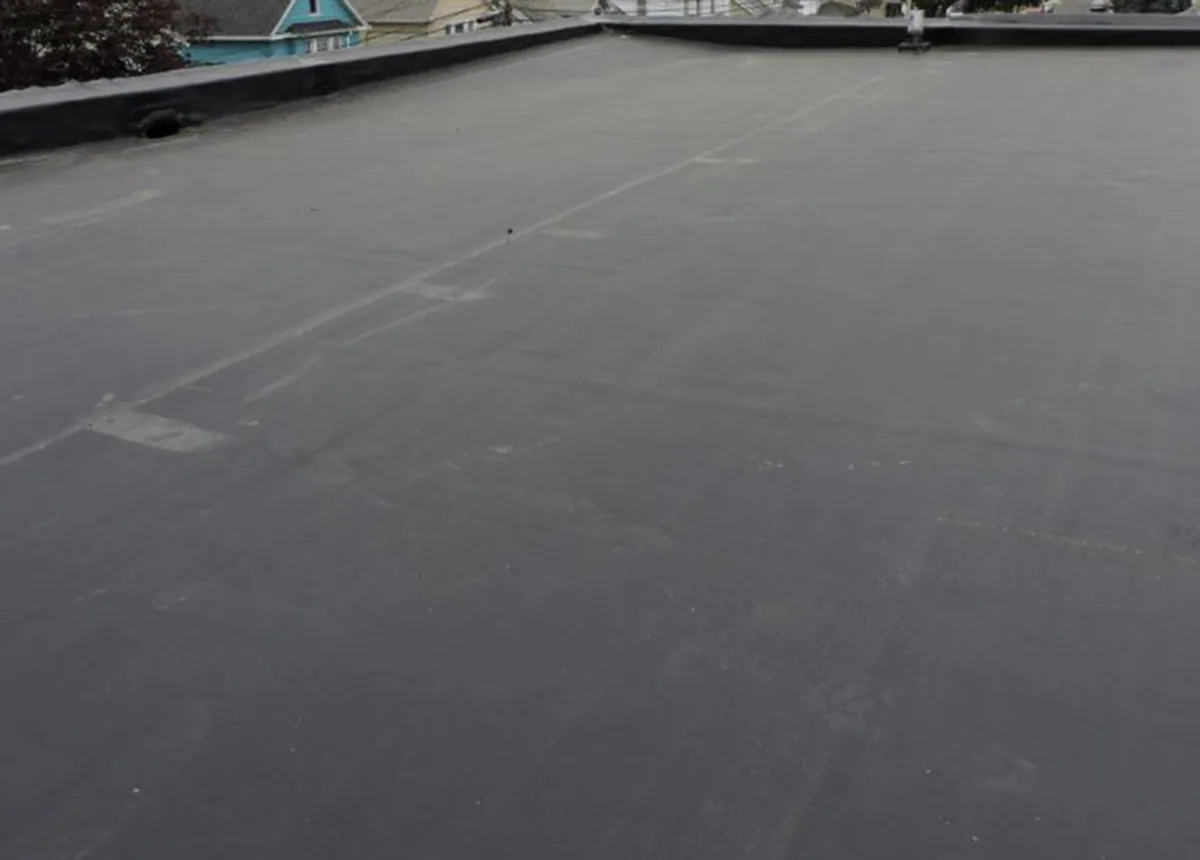
Versico TPO systems offer mechanically fastened, fully adhered and induction-welded attachment options. Those approaches connect the membrane to the roof differently, so deck type, assembly design and perimeter conditions need to be known before selection. In Killeen, TX, we inspect the existing roof's attachment, insulation, membrane seams, curbs and drains, then document the work needed to restore protection. The TPO roofing review records conditions rather than assuming a single method will suit every property. We also note active equipment, service routes and areas where trades cross the membrane. Those details influence the sequence, maintenance plan and budget even when the open roof field appears uniform.
How should the deck guide attachment selection?
Mechanically fastened systems transfer loads through plates and fasteners into the deck. An adhered assembly uses a bonding layer, while induction welding depends on compatible coated plates and a tool that fuses membrane to the attachment points. We check the deck and insulation condition, then compare assembly layouts with the building's edge geometry and design requirements. No attachment description replaces field verification at corners and transitions. A project may need test openings to confirm substrate layers or fastener pull-out conditions. Owners considering VersiWeld TPO can also compare Holcim Elevate's UltraPly range, but the roof review should make clear which details, thermal layers and edge metals differ across the proposed systems.
What makes a TPO seam suitable for continued service?
Heat-welded seams make field quality visible and testable. We establish equipment settings with sample welds, maintain clean overlap areas and probe completed joints at appropriate intervals. Repairs should match the existing membrane type and extend into sound material, not stop at the visible edge of a split. At laps near drains or curbs, the repair also has to manage water direction and prevent an exposed corner from becoming a new entry point. If leaks recur after patching, the investigation expands to the insulation and deck. A commercial roof leak repair pairs immediate control with documentation of the source, surrounding conditions and any additional testing needed to determine whether the issue remains local.
What repair method fits the confirmed leak path?
Wind resistance depends on the whole assembly, especially at roof edges and corners. We inspect perimeter metal, termination bars, parapet transitions, fasteners and evidence of membrane flutter or uplift. A missing section of edge metal can admit water behind the roof surface, while loose field attachment can produce movement farther inboard. We record each condition with photographs and measurements, then distinguish repairable metal from areas that need reconstruction. The wind-related roof repair assessment helps connect storm observations with the present assembly. Along the planned Cunningham Road corridor, roof work still has to be assessed building by building; a nearby project or similar roof shape does not establish another property’s attachment or exposure.
What does the perimeter reveal about wind exposure?
Before a recover, we test the layers that will remain. Moisture, compression, loose board or unsupported membrane can make a new surface unreliable, and extra height may affect curbs, wall flashing and drains. We use visual review, moisture scanning and targeted openings to build a map of what can remain and what must be removed. A recover estimate states its assumptions and includes transitions at the higher roof elevation. The roof recover feasibility review keeps tear-off avoidance from becoming the only reason for the choice. If a full replacement is required, the scope identifies disposal, deck preparation, insulation, membrane installation and temporary dry-in so the owner can compare complete alternatives.
A facilities manager should see attachment and flashing quantities separately in a proposal. That makes it possible to compare a system with another option on the same roof rather than judging two totals that assume different work. We list edge metal, insulation, cover board, field membrane, drains and equipment details, and show where selective openings or deck repairs remain allowances. If a project is phased, the estimate states how each zone will be closed and protected. A clear scope helps coordinate roof work with occupancy, deliveries and mechanical service without letting those tasks disappear inside a broad installation line.
What should a recover review establish below the membrane?
With Killeen averaging 18.3 days a year at or above 100°F, schedule around actual conditions and inspect seams under the selected membrane's installation requirements. This climate measure helps explain why hot-weather work conditions matter, but it does not tell us the condition of a specific membrane. The crew's schedule accounts for heat, surface temperature, seam checks and safe work periods. We also plan material staging and lift routes to avoid interfering with deliveries or service access. On buildings near Killeen's US 190 connections, traffic and operating schedules can affect crane placement or loading. We identify those constraints during planning and sequence the roof in manageable sections, keeping open areas protected and completed work available for inspection before the next section begins. Commercial activity clusters near Knight’s Way/FM 2410 and Veterans Memorial Boulevard in Harker Heights, where roof assemblies still require property-level review. A building near those corridors may have a different deck and edge arrangement from another property, so we verify those details before choosing attachment.
After a repair or reroof, the owner should preserve access for routine checks. We note where crews can walk, which drains require maintenance and what equipment or signage changes need roofing coordination. A newly welded seam can still be cut by a later trade, and a clear record helps determine whether a later defect relates to the original installation or a subsequent roof opening. We provide repair locations and photographs so staff can track those changes and schedule follow-up before an interior leak becomes the first warning. We can then use the same marked locations for repair approval, closeout review and later maintenance, keeping the roof record consistent over time. New equipment penetrations are recorded as they occur so flashing work can be coordinated.
How does heat affect the installation window?
A useful system recommendation carries an owner from findings to a priced decision. We provide photographs, moisture observations, seam and edge conditions, an assembly description and any limits on the inspection. Repair, recover and replacement scopes are kept distinct, with deck, insulation, flashings and drainage shown as cost drivers. If an owner has several facilities, multi-site roof program support can group repairs by urgency while keeping each building's record separate. For reported emergency water entry, confirm current availability first; a follow-up inspection can then identify the source and document permanent work. The closeout record should show what was repaired, where and what should be checked at the next maintenance visit. The owner can also evaluate Holcim Elevate system details and Carlisle SynTec TPO assemblies on the same attachment and edge criteria.
Commercial Roofing Questions
How do the three Versico attachment options differ?
The system descriptions distinguish mechanical fastening, full adhesion and induction welding. We review deck, insulation and edge conditions to determine which assembly options can be evaluated for the building.
What if a membrane repair keeps failing?
We trace water paths beyond the patch, inspect adjacent seams and transitions, and check for moisture in the substrate. Recurring failure can mean the defect is larger than the visible split.
Can wind uplift be judged from a loose edge alone?
A loose edge is a condition to document, but the repair boundary depends on the surrounding metal, attachment and membrane. We inspect the perimeter and field before defining the work area.
Why open a roof before a recover?
Selective openings confirm layers and moisture conditions that surface inspection may not resolve. They also help establish whether the substrate and attachment are appropriate to retain.
How is the roof handed back to the facility team?
We provide marked repair locations, photographs, assembly notes and maintenance observations. That record gives the next service visit a clear starting point.
Match the attachment to the roof
Schedule an inspection in Killeen. We will review deck, edge and moisture conditions, then compare Versico TPO assembly options with the work the property actually needs.