
Multi-Site Commercial Roof Programs in Killeen, TX
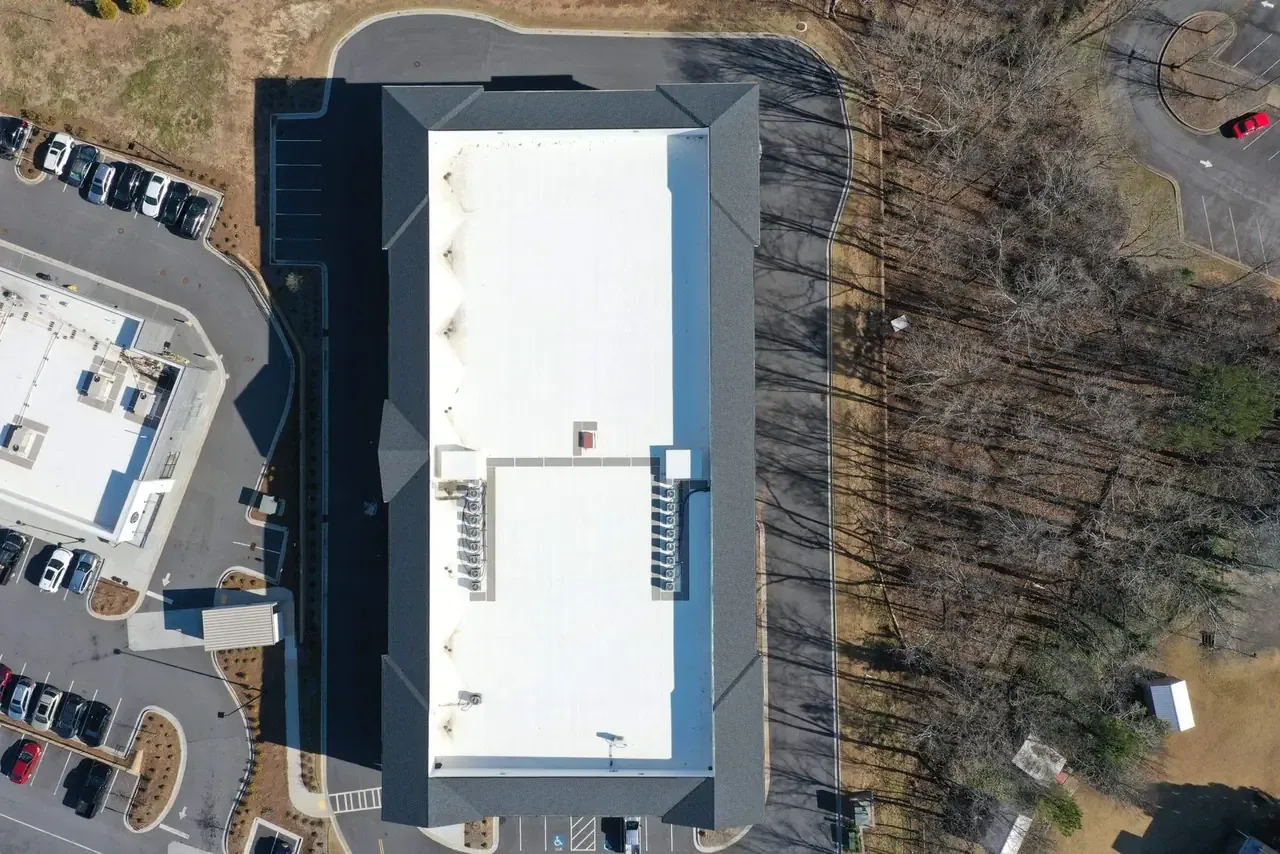
A multi-site roof program should make a portfolio easier to compare without turning every building into the same job. We start with the property list, current roof plans, known work orders, and the people who control access. The Killeen-Temple MSA includes Bell, Coryell, and Lampasas counties, so an owner's regional footprint may cross several city and county lines. The program should still keep a condition record, scope boundary, and next action for each roof. One shared register can support ownership's view; it cannot replace the field findings for an individual property.
How does each property enter the program?
Give every building a stable identifier and connect it to the address, roof plan, system when confirmed, access contact, and operating use. Divide a large footprint into named roof sections that can be found by maintenance staff and a future crew. Record which documents came from ownership and which details still need a walk. Do not use one blanket condition for a portfolio when the inspection reached different areas or when the roofs have different assemblies. A missing plan, locked hatch, or undocumented addition should remain visible as an open item.
A roof asset register can hold that inventory, while a condition report attaches observations, photos, and access limits to the right building. The facilities lead can then sort open work by urgency without losing the underlying record. If a property is sold, renovated, or changes use, update its profile and retain the prior version. That makes the portfolio history readable and prevents an old roof plan from being treated as current.
How should service work be coordinated?
Set an inspection cycle that reflects condition, prior repairs, and the owner's operating constraints. Assign a contact for each site, but keep scheduling and reporting fields consistent. A roof visit should list the area reached, findings observed, photos by section, temporary measures, and recommended next step. If a drain can be serviced during the visit, record the task and completion separately from the larger roof scope. A recurring leak should connect to its earlier work order so the team can see whether the location or repair changed.
For a portfolio with an office in Downtown Killeen and an industrial property closer to US 190, travel context is useful for grouping visits, but it does not decide access. Killeen's major routes include Rancier Avenue/FM 439 and the Stan Schlueter Loop. Each site still needs its own loading entrance, roof access approval, and stop-work contact. A maintenance visit can address accessible items, and a roof inspection can document a question that needs a separate scope.
What should remain consistent across reports?
Use the same condition labels, photo fields, access notes, and recommendation format so ownership can compare results. Keep the details building-specific: assembly, roof area, interior use, drainage, equipment, and prior repair history belong to the place where they were observed. The same scoring method should not conceal a meaningful difference between an occupied clinic and a warehouse with a receiving schedule. If an area could not be inspected, mark it as not observed rather than assigning it a favorable condition.
A shared report can identify a high-priority repair, a test required before replacement, and a later budget review. Each item should name its owner, due date, and scope boundary. A capital plan can sort those decisions by budget window, while a warranty record keeps issued documents and approved work connected to the correct property. For the field team, standard does not mean identical: staging, tenant interruption, and equipment shutdown differ from building to building.
How does the program handle a regional footprint?
Group visits by practical travel and access, then leave enough time to inspect the roof and speak with the site contact. Harker Heights has access to I-14 and I-35, an advantage for distribution and logistics efforts. That context may matter to an owner with facilities across the area, but it does not prove that a specific site has a logistics use or a particular roof system. We confirm each building's operating schedule and staging point before assigning a crew or estimating a route.
Killeen's US 190 and local arterials connect sites with different delivery patterns. For a Killeen roof program, we can coordinate visits with a manager's approved calendar while keeping inspection results distinct by property. A warehouse roof review may need inventory protection and dock access; a medical or office building can require other occupant controls. The regional report can summarize travel and open decisions, then link to each site's record for the evidence that supports them.
How are repair and replacement decisions compared?
Compare options for one roof section at a time, even if ownership authorizes a package across several sites. For a bounded opening, price the repair and identify what remains outside that scope. If moisture or deck condition is unresolved, define the test or opening that would change the recommendation. A recovery option should account for existing layers, drainage, edges, and confirmed assembly conditions. Replacement should show tear-off, protection, staging, and schedule assumptions. The portfolio summary can combine approved work only after those site-specific decisions are clear.
Use comparable quantities and assumptions when requesting proposals. We can separate base scope, optional testing, concealed-condition allowances, and alternate systems. A repair scope may protect an area now, while a replacement evaluation can address broader assembly concerns. Store the final authorization and closeout photos with the property record. The next manager should be able to identify what ownership selected and what conditions were left open.
Who keeps the program moving?
Name the portfolio contact who can resolve priorities and the site contact who can approve access. Agree on the reporting fields, review dates, and process for urgent findings before the first inspection. After a visit, route the report to facilities and finance with a concise decision request: authorize the repair, approve a test, defer with a stated reason, or schedule a replacement comparison. Keep that choice beside the finding and its photos. A follow-up list is stronger when it identifies who owns the next action instead of saying only that the item remains open.
We can inspect accessible roof areas, organize condition information, and prepare comparable scopes while preserving each site's separate approval path. The program can cover Killeen, Harker Heights, and other sites in the same regional footprint, but access and work timing are confirmed for each building. A phased work plan can reduce interruption where operations remain active. The final portfolio view should show what is due, what is approved, and what still depends on a field finding.
Commercial Roofing Questions
Can one inspection report cover several buildings?
A summary can compare the portfolio, but each building needs its own findings, photos, access limits, and roof sections. We keep the shared view linked to those individual records so one roof does not inherit another's condition.
How do you prioritize repair work across sites?
We rank the observed exposure, consequence, recurrence, and decision timing, then identify who can approve each action. A leak over an active room may move ahead of a test that can wait for a scheduled access window.
Can a regional program use one schedule for every property?
The calendar can group visits, but each site's access, tenant notice, loading, and roof conditions set its workable window. We confirm those details before a date becomes a crew commitment.
What does ownership receive after each site visit?
The site record can include a marked plan, dated photos, observed conditions, work completed, limits, and next steps. A portfolio summary can then show status without replacing the property-level evidence.
How should separate budgets be compared?
Use matching scope boundaries, quantities, access assumptions, and allowances. We keep repair, testing, recovery, and replacement choices separate so ownership can approve the work that fits each roof's current evidence.
Set a clear roof program across properties
Share the building list, roof plans, open work orders, and access contacts. We can build a consistent inspection and reporting structure while keeping every scope tied to the property it serves.