
Commercial Roof Due-Diligence Surveys in Killeen, TX
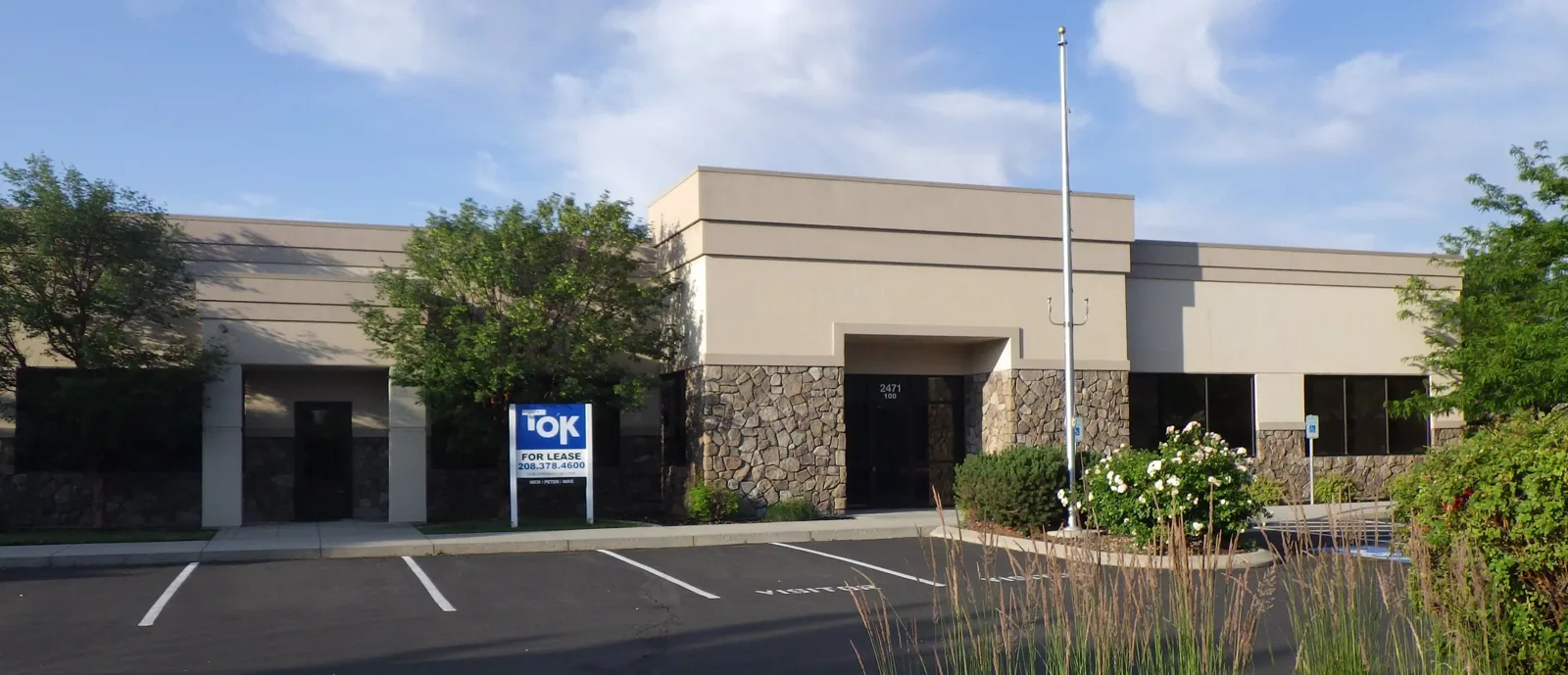
A roof survey before a transaction should tell the buyer what was visible, what records were supplied, and which unanswered condition could change the next decision. We start with access, roof plans, repair files, and the areas the owner will allow us to inspect. Killeen-Temple's metropolitan area includes Bell, Coryell, and Lampasas counties, a useful regional frame for a portfolio review, not a substitute for inspecting each property. We map findings by roof section so the buyer can compare repair exposure and testing needs without presenting a summary as confirmation of concealed layers.
What does the survey examine?
We review accessible membrane, seams, flashing, edge metal, drains, curbs, penetrations, and visible prior repairs. The survey records the system when it can be confirmed, the surface conditions observed, and any interior symptoms provided by the owner. We compare the roof plan with the walk and note discrepancies that affect quantities or access. An inspection cannot certify a concealed assembly without opening or testing it; when that condition affects the decision, the report names the proposed test and the roof area it would cover.
Seller records can help explain past repairs, but an invoice does not establish that the current roof remains in the same condition. We list the documents received, their dates, and missing items that limit the review. A photo-mapped condition report can show the findings in a form both parties can locate. A separate roof asset record can carry the verified observations into ownership after closing, while keeping a transaction-specific assumption from being mistaken for a permanent building fact.
How do access and records affect the conclusion?
Access is part of the survey boundary. Record which roof sections were reached, what equipment or escort was available, and whether interior areas could be checked. A locked roof hatch, unsafe ladder, active tenant area, or prohibited test location may leave an important question open. We do not fill the gap with an assumption. Instead, the report identifies the approval or follow-up needed and explains which recommendation depends on it. That lets a buyer decide whether to seek additional access before a deadline or carry the unknown forward as a defined risk.
For a Killeen property near Rancier Avenue or US 190, travel and loading context may help plan a visit, but the seller still confirms the exact entrance, contact, and work restrictions. Major Killeen arterials include FM 3470/Stan Schlueter Loop, SH 201 and SH 195, plus US 190/Business 190 and Rancier Avenue/FM 439. We use those named routes to orient a multi-property schedule, not to infer roof characteristics. A Rancier Avenue survey still begins with the building's access approval and roof map.
What findings can change the transaction plan?
A repeated leak, failed flashing line, widespread surface deterioration, ponding, or possible wet insulation can affect near-term spending in different ways. We describe the observation, its location, and whether it is confirmed. A targeted repair may be appropriate for a bounded detail when surrounding material remains serviceable. A broader condition or moisture question can require testing before a replacement allowance is set. The buyer can then distinguish a priced repair from an unresolved risk instead of adding one blanket number to the transaction.
Look closely at equipment curbs, penetrations, parapet transitions, edge attachments, and drainage paths. Those interfaces can determine whether a patch can be completed without broader work. If moisture may be present below the surface, an infrared moisture survey can help identify areas for confirmation. A ponding-water review can describe the observed drainage condition and next investigation. The report should state what each method can establish and what remains subject to testing, opening, or engineering review.
How should near-term costs be framed?
Separate immediate stabilization, defined repair, testing, and potential replacement. For each item, state quantities if measurable, access assumptions, protection below, materials when confirmed, exclusions, and any concealed-condition allowance. A buyer can compare the same scope across contractors only when the boundaries match. If an option depends on a test or opening, make that decision point visible rather than folding it into the base price. We can provide a repair or replacement scope, but the buyer and seller decide how it fits the transaction.
Ownership can place confirmed work into a capital plan after the report separates current conditions from transaction assumptions. Retain warranty documents and open service items with a warranty record, but check the actual issued terms rather than assuming a transfer. A commercial roof inspection can support follow-up where access was limited. In Killeen, the review may include an office near Downtown or a warehouse near the US 190 corridor; the scope and timing still belong to each building.
Timing can matter as much as the line item. A buyer may have a narrow inspection period, while a follow-up test needs access approval, interior coordination, and a weather-protected opening. Put those dates beside the roof question and state which party must authorize the next step. If a temporary repair is proposed before closing, define whether it addresses active entry or only protects an exposed area. Completion photographs and a revised condition note can establish what changed, but the original findings should remain in the file so the scope history stays intact.
What should the buyer receive?
Deliver the marked roof plan, dated photos, conditions by section, access limits, records reviewed, recommendations, and unresolved questions. Add a short list of what would change the scope, such as a moisture test, core sample, deck opening, or approved interior walk. Keep the report's effective date visible; roof conditions can change after the visit. If the seller completes a repair before closing, request its scope and completion record, then decide whether the updated area needs another observation.
A useful handoff gives the buyer options rather than a single verdict. We can return a repair path for a bounded defect, a testing path for uncertain moisture, and a replacement comparison when conditions support that discussion. A warehouse roof review may document inventory and dock constraints that affect access. The report's file can then move into the new owner's service history alongside the original plans and accepted scope. That makes the next maintenance visit easier to compare with the transaction baseline.
Commercial Roofing Questions
Can a due-diligence survey certify the full roof assembly?
Only areas and layers that can be observed or tested are addressed. We mark access limits and identify any test needed to answer a concealed-condition question before the buyer relies on a broader conclusion.
Should the seller's repair invoices replace a new roof walk?
Invoices can explain past work, but they do not show current conditions by themselves. We compare the records with accessible roof details and identify any difference that needs a follow-up.
How should an unknown moisture area be included in the report?
We map the indication, describe the method used, and propose test locations if the result could change the transaction scope. The estimate should keep that uncertainty separate from confirmed repair quantities.
Can the survey give the buyer a repair allowance?
We can price a defined scope and state its assumptions, exclusions, and concealed-condition triggers. A broad allowance for unobserved areas should remain identified as an estimate rather than a confirmed repair need.
What documents should transfer after closing?
Keep roof plans, reports, service records, completed scopes, product data, and any issued warranty documents together. We can organize the current findings so future maintenance can be compared with the transaction baseline.
Get a roof survey before the decision date
Share the roof plan, available maintenance records, access windows, and transaction timing. We can document accessible conditions, flag open questions, and return a scoped report the buyer can use in its review.